
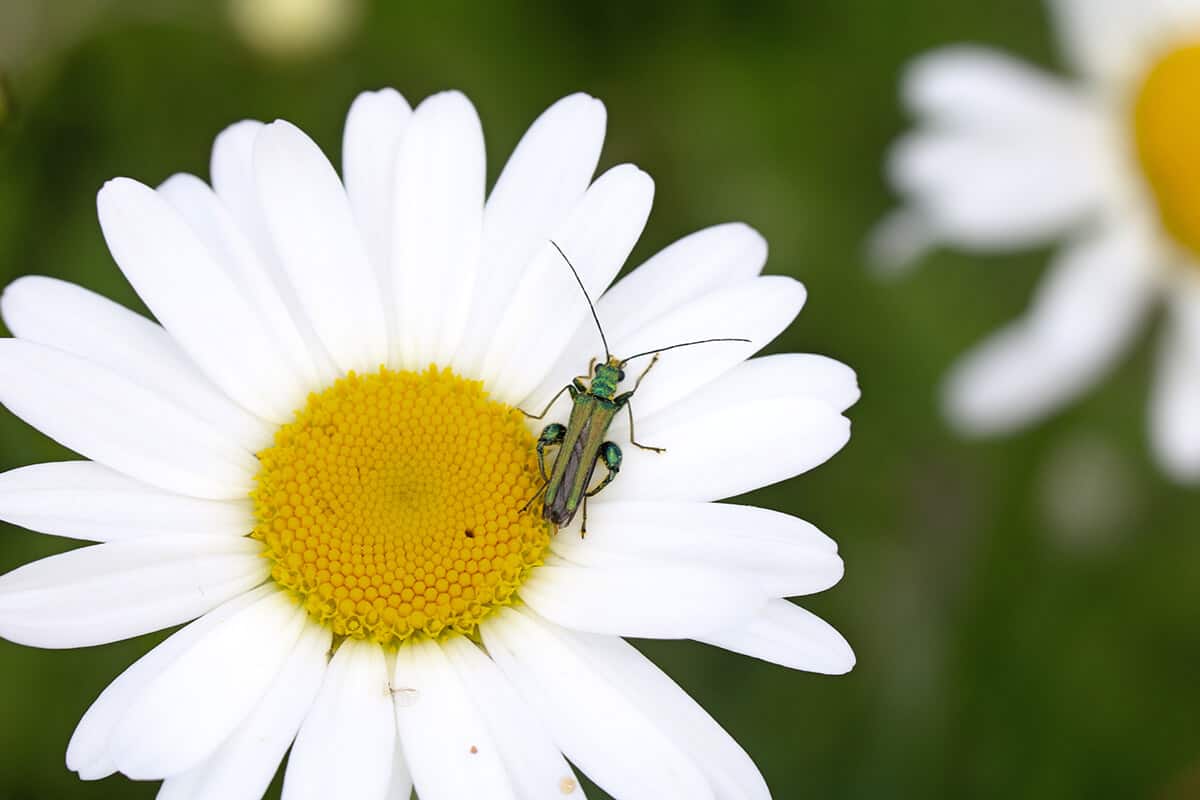
Steve Docker is a Resource Development Officer with Field Studies Council Publications. Here he describes some close encounters with beetles and introduces the new AIDGAP Guide to distinctive terrestrial beetles.
Memorable Moments
I like to seek out and record species, especially beetles, at new sites whenever I can. Memorable examples include days out in my home county of Derbyshire and holidays in Scotland in 2022 and Pembrokeshire in 2025, both during the month of May.
Beetles belong to the taxonomic order Coleoptera, meaning “sheath-wing”, a reference to their hardened forewings (elytra) that protect the flight wings beneath. More than 3,800 terrestrial beetle species occur in Britain and Ireland. The largest family is the Rove Beetles (Staphylinidae), with over 1,120 species.
Many beetles are small (body length less than 10 mm) and similar in appearance, however some are distinctive due to their colour, markings and unusual body shape, and relatively easy to observe.
Colourful Coleoptera
Perhaps the most eye-catching are the conspicuous Ladybirds. Species such as the 7-spot and the variable Harlequin Ladybird are easy to spot thanks to their relatively large size, bright colours and distinct markings. Ladybirds are not only attractive but many of them are also important predators of aphids, making them the gardener’s friend.
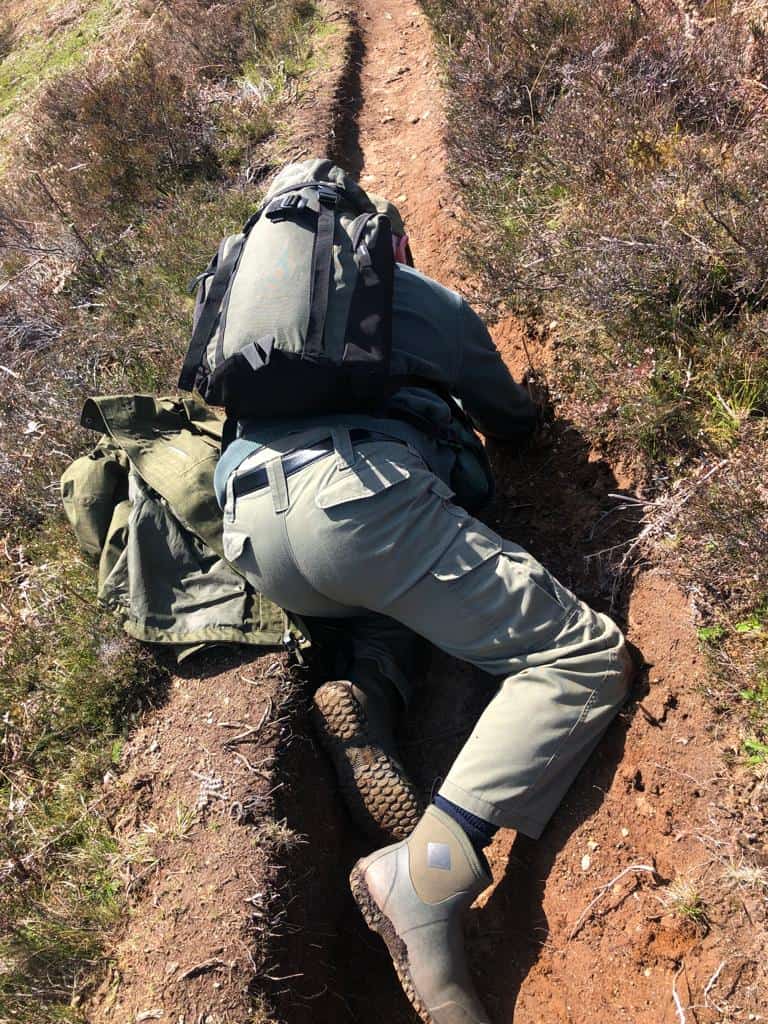
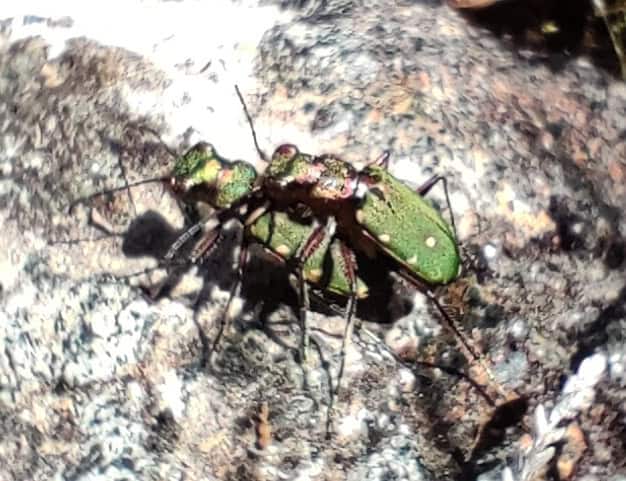
Equally striking is the Green Tiger Beetle. Metallic green with purple-bronze legs and cream markings on the wing cases, this agile hunter can be dazzling. It speeds across the ground in pursuit of its invertebrate prey. It took me a while to track down this species. While on holiday in West Sutherland, I found a group along a footpath beside the Kirkaig River. It was bright and sunny. Each time I approached on hands and knees for a photograph, they flew a short distance ahead, staying just out of reach.
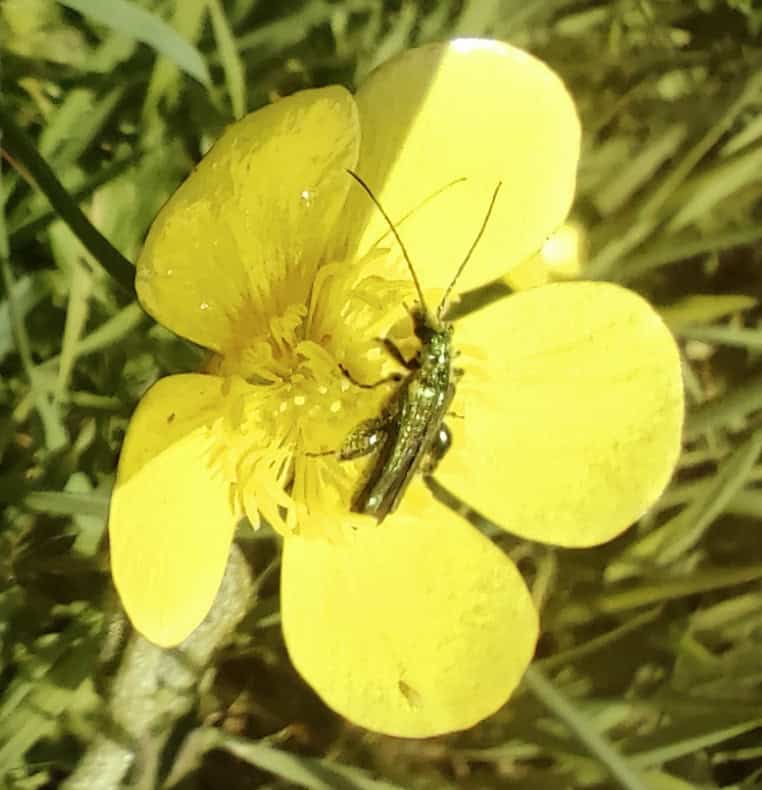
Also metallic green, is the Thick-legged Flower Beetle; this species is more likely to be seen visiting flowers on sunny days. It takes its name from the male, which has huge green bulges (femora) on the hind legs. I see this species quite often but my most recent encounter was this year. It was during a visit to Field Studies Council Dale Fort in Pembrokeshire, where several males were active on flower heads in a nearby meadow.
More brilliant beetles
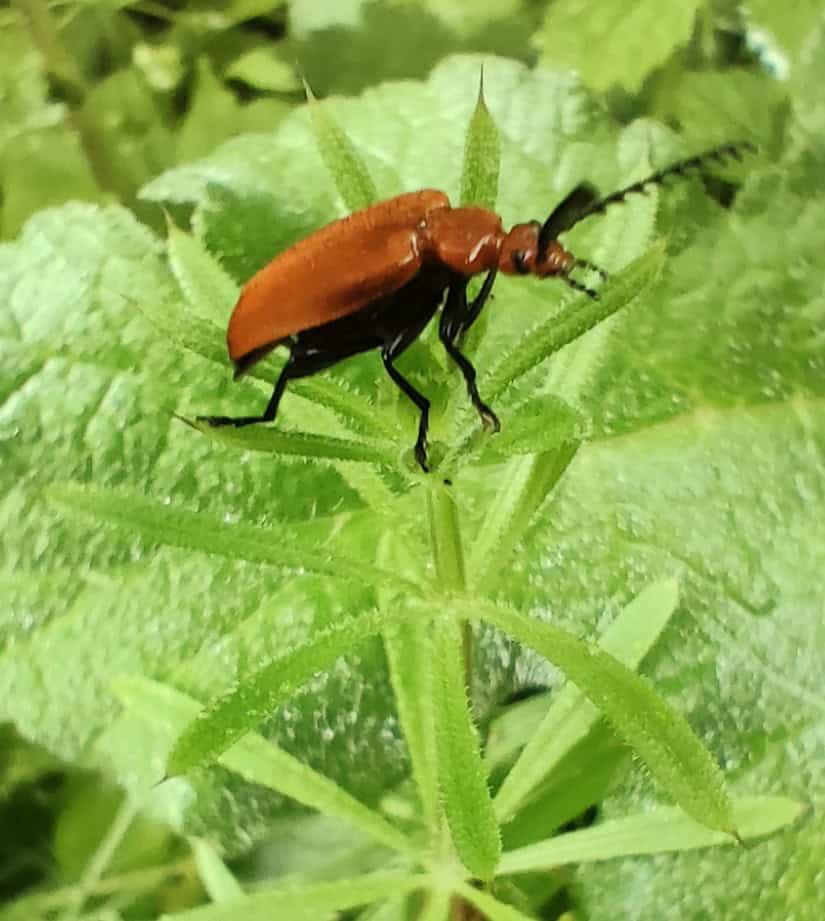
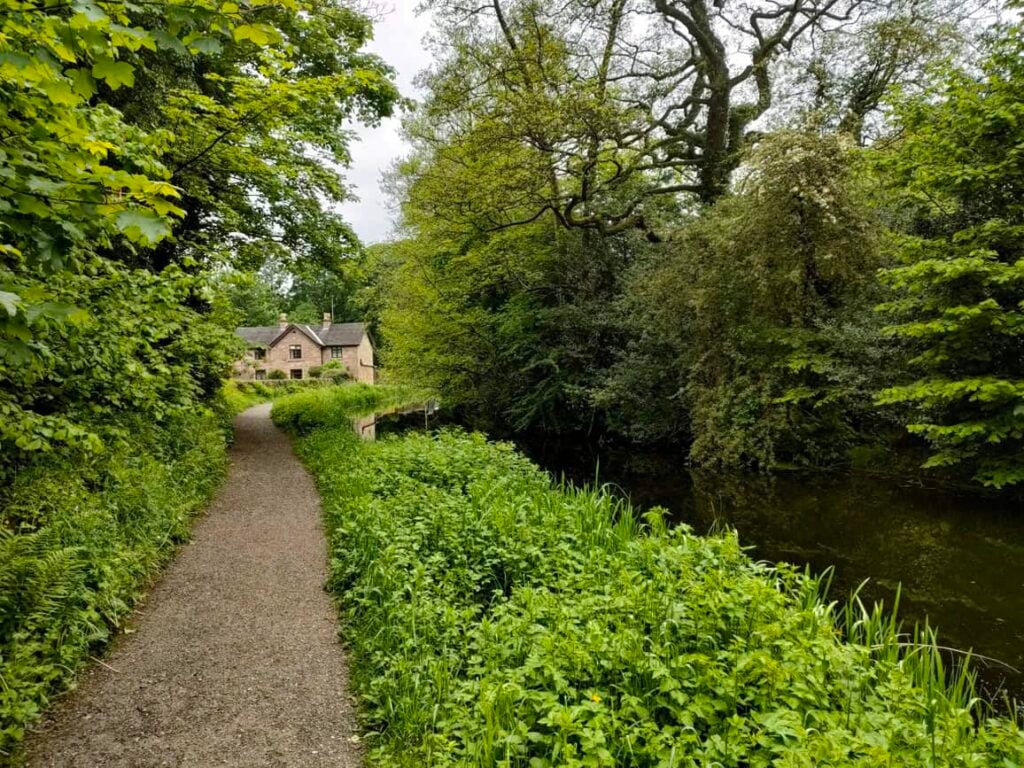
Orange and black Common Red Soldier Beetles also stand out on flower heads whilst Cardinal Beetles, with their all-red wing cases, are often seen on foliage. A Red-headed Cardinal Beetle was easy to spot on the vegetation beside the Cromford Canal, within easy reach of my home in Derbyshire.
Sexton or Burying Beetles are chunky and squarish, and most are black with red-orange transverse bands across the wing cases. They are known for their unique behaviour, burying small animal carcasses as food for their larvae. They play a key role in nutrient cycling and are surprisingly attentive parents. One memorable sighting was in Scotland, I was bird watching with some friends from a small hide that overlooked Loch Broom. One had fallen into a bucket in the corner of the cabin!
These are just a few of the brilliant beetles that I have encountered over recent years.
The New Guide
Found in many habitats, beetles play vital roles, from predation and pollination to decomposition and dung recycling. With their sheer variety and ecological importance, they are one of the most diverse groups of insects in Britain and Ireland and yet they are often overlooked.
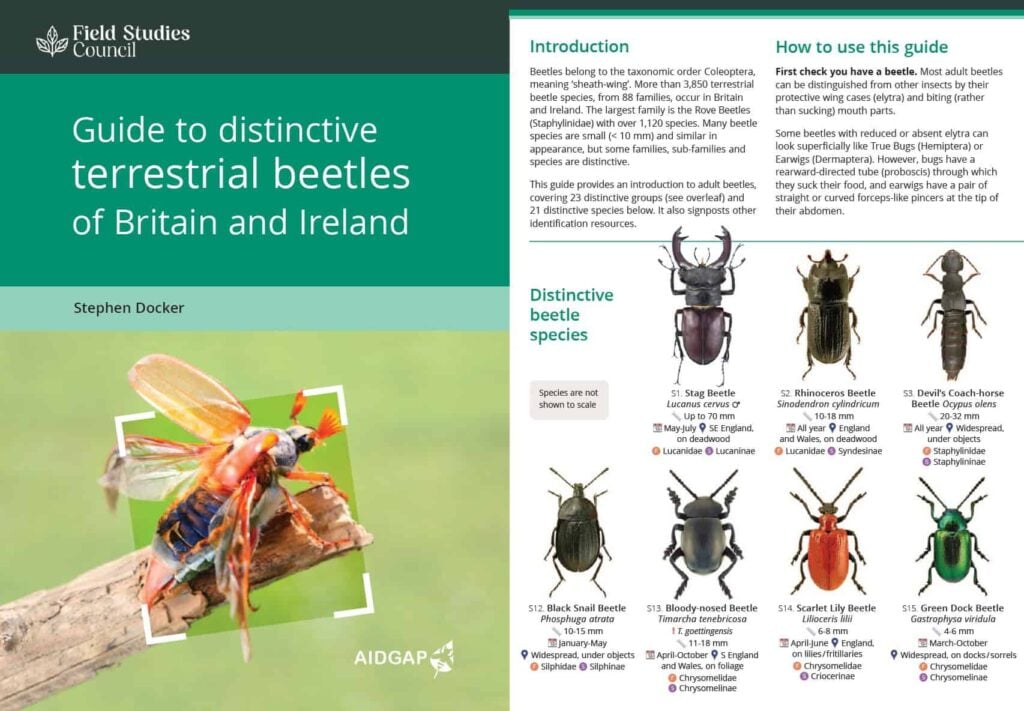
To try to address this the latest identification resource to join the extensive collection of Field Studies Council publications is the AIDGAP guide to distinctive terrestrial beetles of Britain and Ireland (OP233). Practical and attractive, this guide covers the beetle species that we might see. It is packed with handy information, photographs and drawings.
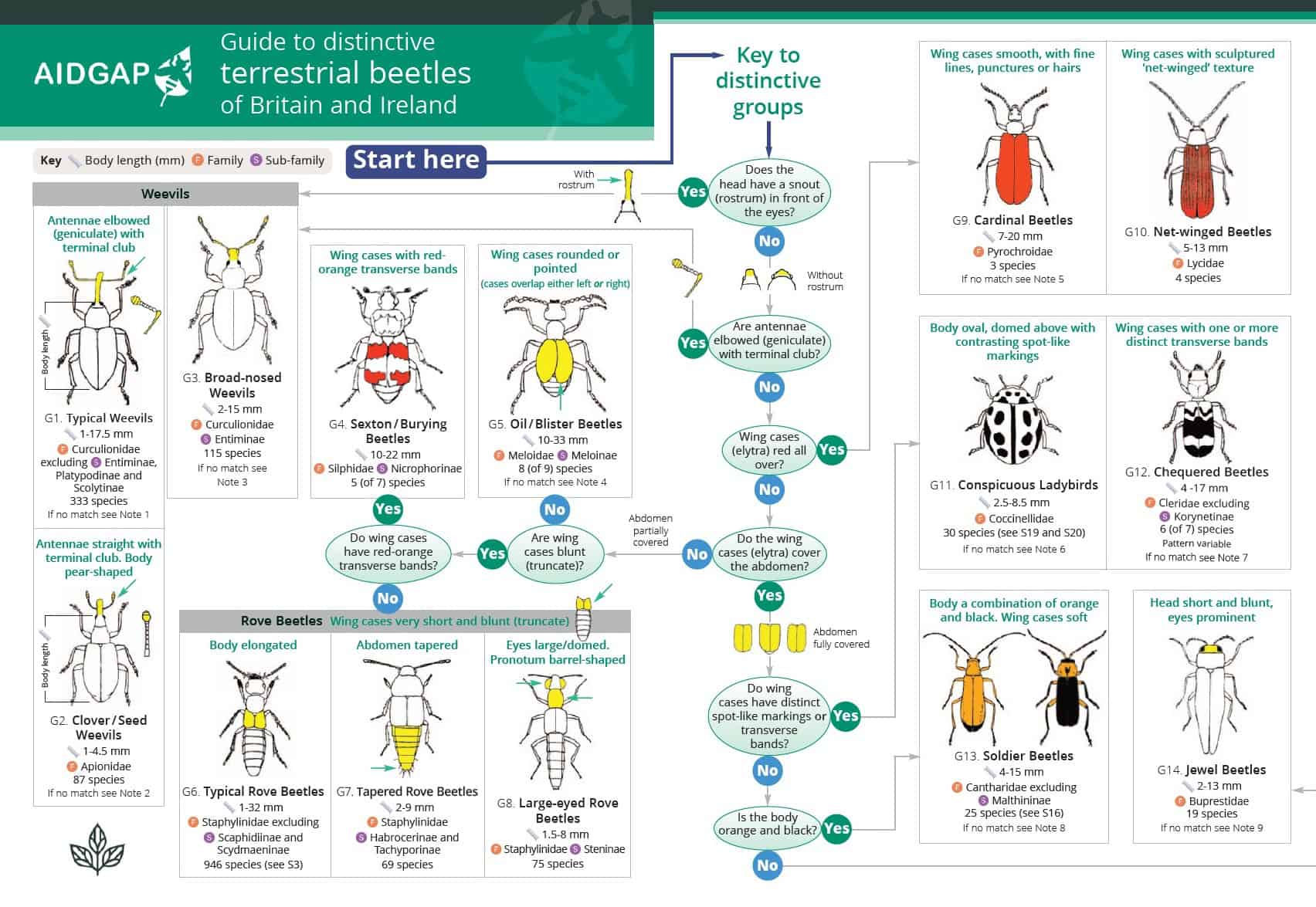
The guide features photographs of 21 beetle species for picture matching and includes a simple flowchart identification key with a series of yes/no questions. These questions lead users to 23 distinctive beetle group illustrations, each accompanied by supporting notes. The illustrations have been carefully redrawn from the seminal 1932 work of coleopterist Norman Humbert Joy, honouring his significant historical contribution.
If more help is needed the guide also signposts a range of other useful identification resources.
Want to learn more?
The Coleopterists Society of Britain and Ireland (ColSoc) is a useful source of information.
The Field Studies Council run a range of identification courses, both on-line and at study centres. In addition, there are a range of resources available at eclectic-ecologist To help us all appreciate and enjoy biodiversity and better understand the changing state of nature the Field Studies Council has produced a wide range of high-quality identification resources such as the WildID fold-out guides and Aids to Identification in Difficult Groups of Animals & Plants (AIDGAP). All guides, including the AIDGAP Guide to distinctive terrestrial beetles of Britain and Ireland (OP233), are available from the Field Studies Council online shop.