
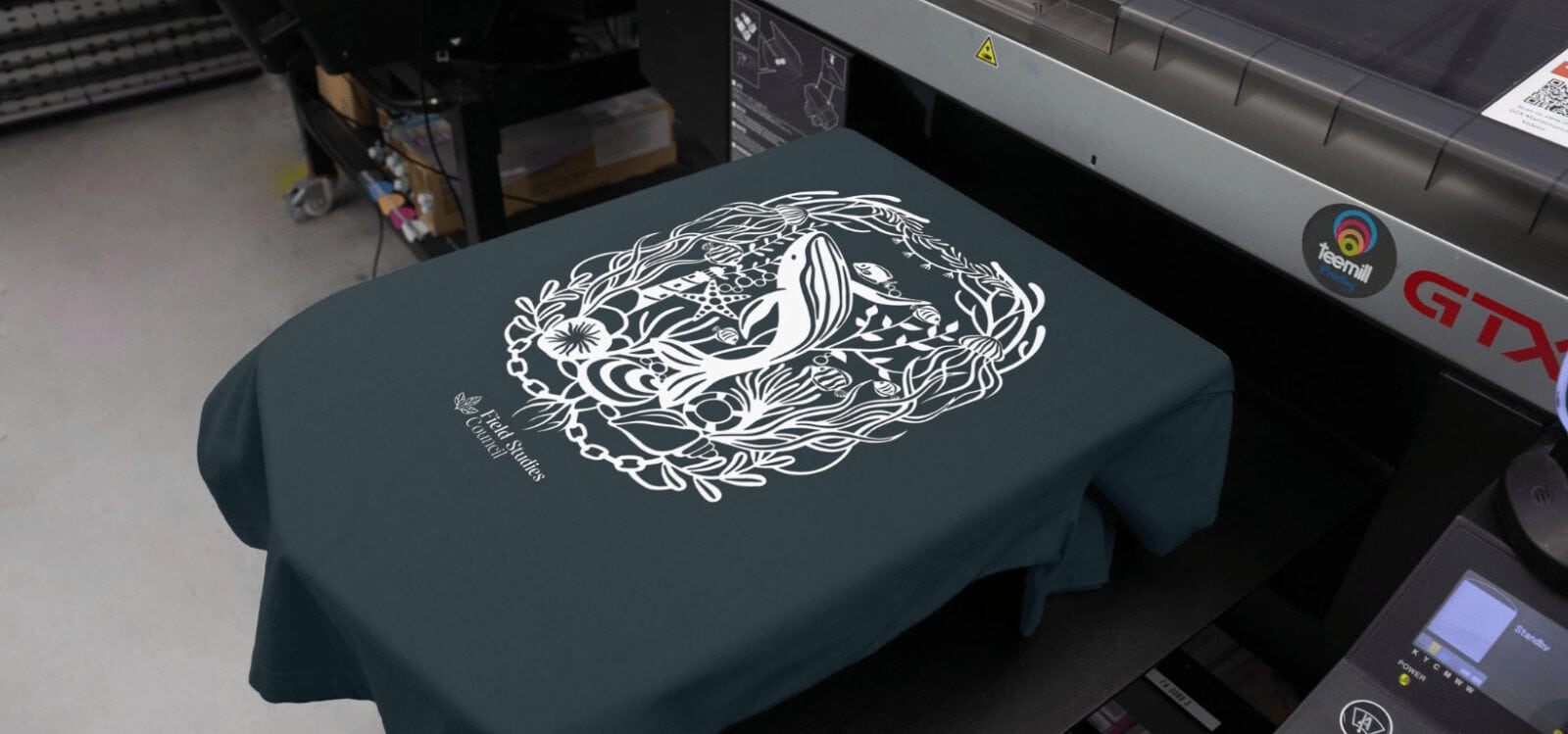
At the Field Studies Council, we create clothing that honours the natural world, from how we make it to how we remake it.
On World Circular Textiles Day, it is especially important to highlight an innovation that moves us beyond “fast fashion” toward a future of true circularity. Teemill’s Remill programme, celebrated in their Thread Not Dead campaign, is an excellent example.
What is World Circular Textile Day, and why does it matter?
World Circular Textile Day is a mission to bring together people working toward a more circular future in textiles, and to act as a “living time capsule” of progress.
This day is a great opportunity for people to:
- Think more consciously about what they wear, how long they keep it and where it ends up.
- See that sustainability in fashion isn’t just about buying “green” clothes. It’s about closing the loop, keeping materials in use, and innovating systems
At Field Studies Council, we won’t just sell nature-inspired, ethically produced garments. We want to ensure those garments don’t become waste which is why we choose to work with Teemill.
“Less than 1% of all clothing is turned back into new clothing at the end of its life. If fashion is serious about circularity then brands need to think about ‘making back’ not just ‘taking back’”
– Teemill CEO, Chris Houghton.
What is the Remill programme?

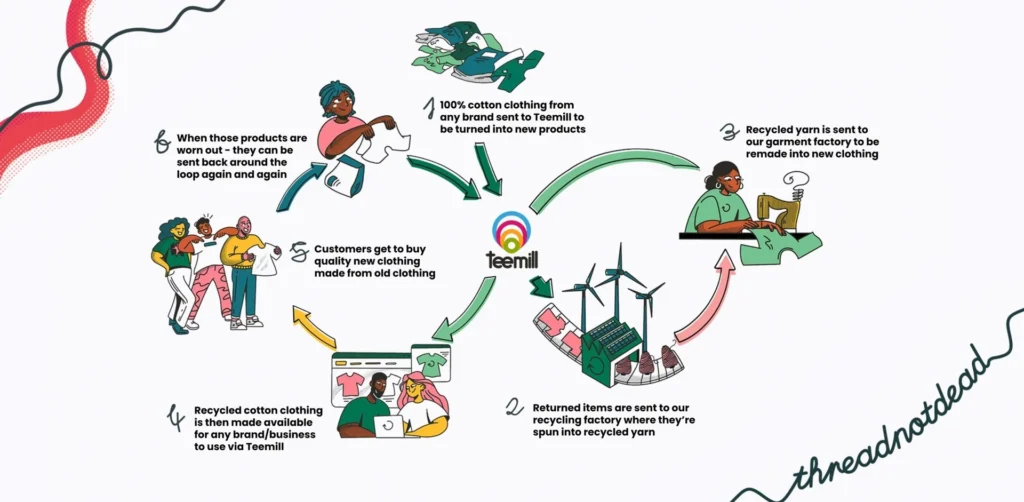
In a traditional, linear fashion system, people often wear clothing only a few times before discarding it, wasting the materials, energy, and effort used to make it. The Remill system changes that. From the very beginning, Teemill design each item to return, be remade, and reprinted, ensuring every thread stays in use and nothing goes to waste.
When your Teemill clothing reaches the end of its life, simply scan the label’s QR code or visit the Remill return page. You’ll receive a free returns link to send it back to the UK factory, where it’s broken down and spun into new fabric. As a thank-you, customers also receive a discount on their next order.
Since launching, the Remill programme has already recovered 38,000 kilograms of materials, giving old clothing a new life and keeping valuable materials in use. It’s a powerful reminder that circular fashion isn’t just an idea; it’s happening now. Teemill’s goal is to hit 100 million items back around the loop by 2027.
Why this matters
In the traditional linear model – take, make, toss- we lose the embodied energy, raw materials, and care invested in each product. Remill offers a real alternative. It shifts the burden of waste from nature onto design: a design that’s thoughtful, circular, and regenerative.
For those of us who teach, explore, and live by nature’s rhythms, the idea is compelling. What if we acted with the same care toward our clothing as we do toward the landscapes we study? What if every tee could be part of a cycle, rather than a one-way ticket to landfill?
What makes the Remill programme different?
Many fashion brands now offer “take-back” schemes, inviting customers to return old clothing in the name of recycling. However, research such as the Take-Back Trickery report by the Changing Markets Foundation has shown that these programmes often fall short. Much of what’s collected is downcycled into lower-value products, like insulation, or worse, sent to a landfill. Very little is truly recycled into new garments.
Remill takes a completely different approach. Rather than trying to retrofit sustainability into an existing linear system, Teemill was built from the ground up with circularity in mind. Every item is designed to be returned, remade, and reprinted. A genuine fibre-to-fibre recycling process that keeps materials in use, not in the bin.
With full transparency and traceability built into the supply chain from day one, Remill ensures every thread can live on, again and again, without compromise to quality or the planet.
World Circular Textiles Day is a moment to celebrate progress, but also to take action. Choosing circular, sustainable clothing is one small step we can all take to protect the natural world we depend on. Together, we can help close the loop and keep our wardrobes and our planet thriving.