
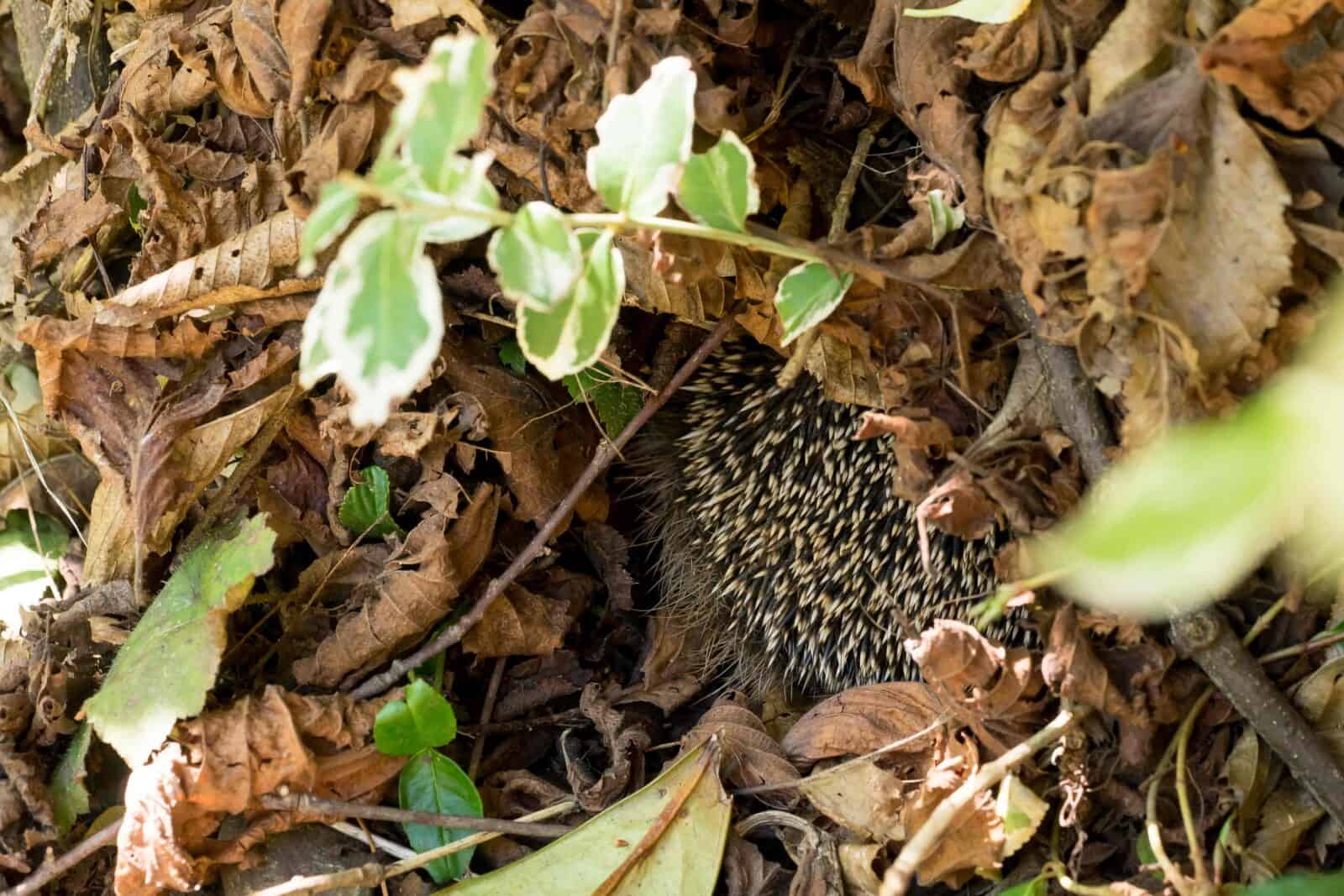
Over the last month, hedgehogs have been busy gathering food and finding a suitably snug place to hibernate. Hedgehog populations across Britain have undergone a historic decline, so it’s important to understand how our choices can impact them.
Preparing for winter
While the daylight hours have slipped away and the temperatures have dropped, hedgehogs have been busy preparing for winter. As one of the few UK mammals that hibernate, hedgehogs enter a dormant state where their bodily functions dramatically slow down to conserve energy. They commonly hibernate from November to April, depending on the weather. During this time, their body temperature drops from 37°C to around 6°C, plus their metabolism and heart rate will slow down, allowing them to rely on energy from fat reserves.

Hedgehog diet
In preparation for hibernation, hedgehogs will eat plenty to increase their energy reserves. Primarily, their diet consists of invertebrates, with a preference for beetles, earwigs, and caterpillars. However, they are opportunistic feeders, with their diet varying throughout the seasons — they have been known to eat amphibians and bird eggs!
From September onwards, when insects become scarce, earthworms, slugs, and snails are more readily consumed. While these are very valuable food sources, they do carry parasites that can be passed onto hedgehogs, harming them if consumed in large quantities. Therefore, to nurture healthy hedgehogs, it’s beneficial to encourage a diverse range of invertebrates in your garden.
Additionally, products like slug pellets should be avoided as the toxins in them can be passed through the food chain with detrimental effects.
Nesting
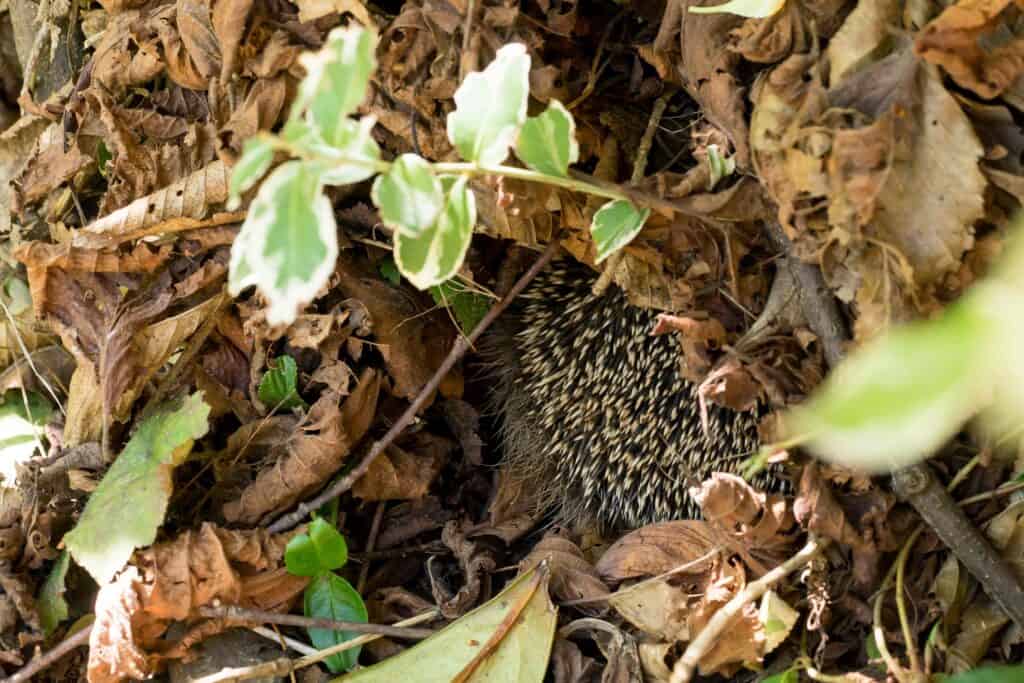
Hedgehogs must also find a suitable nesting site for winter. Ideal locations include garden corners, behind sheds, or in piles of logs and twigs. Once settled, they will gather nesting materials such as dried leaves and grass. It’s worth keeping a stack of logs or a pile of leaves in the garden to provide some much-needed help for these iconic animals — plus other species that shelter throughout the winter.
As hedgehogs are fond of our garden waste, please remember to build your bonfires on the day of burning. This ensures they won’t be hiding inside stacks of vegetation.
Frequently asked questions
- I’ve found a hedgehog out in winter, what should I do?
- Hedgehogs are known to wake up during mild winter weather to forage and top up energy stores. They may also move nesting sites during this time. However, a hedgehog may need help if it is out in daylight, looks small or underweight, or has visible injuries. Dedicated charities and local rescue centres can offer advice and the best course of action.
- What can I feed hedgehogs?
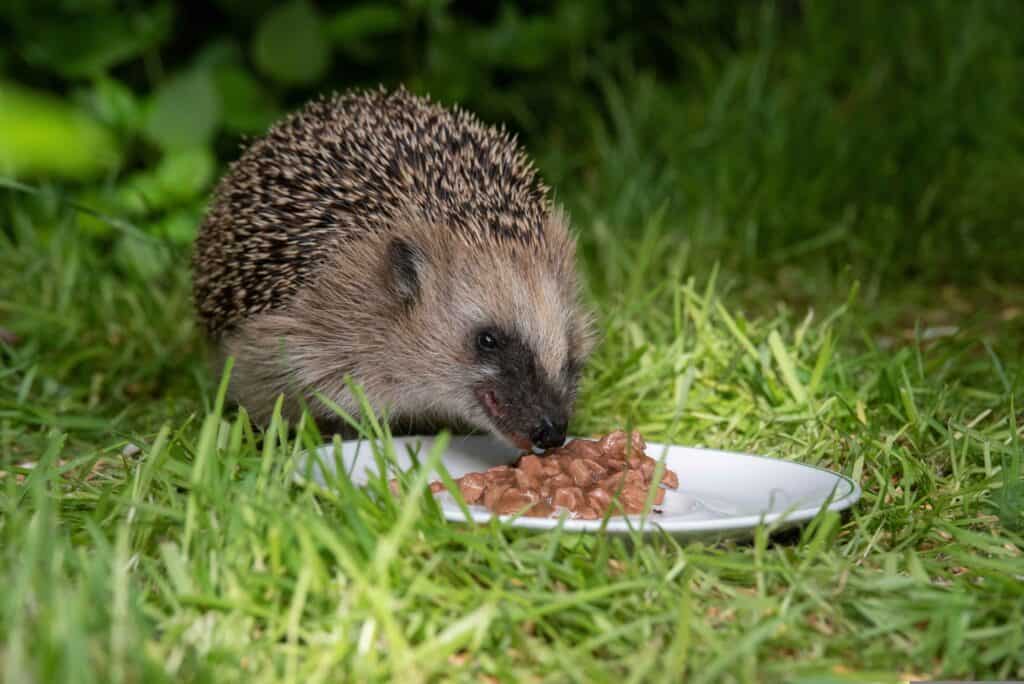
- In a safe place in the garden, you can put out specific hedgehog food, or wet cat or dog food. Clean dishes regularly and leave out a shallow dish of fresh drinking water.
This article was originally published in Amateur Gardening magazine 2024.