
Steve Docker is a Resource Development Officer with Field Studies Council Publications. Here he talks to Mike Langman, a wildlife artist who is renowned for his illustrations of birds, to find out more about his work.
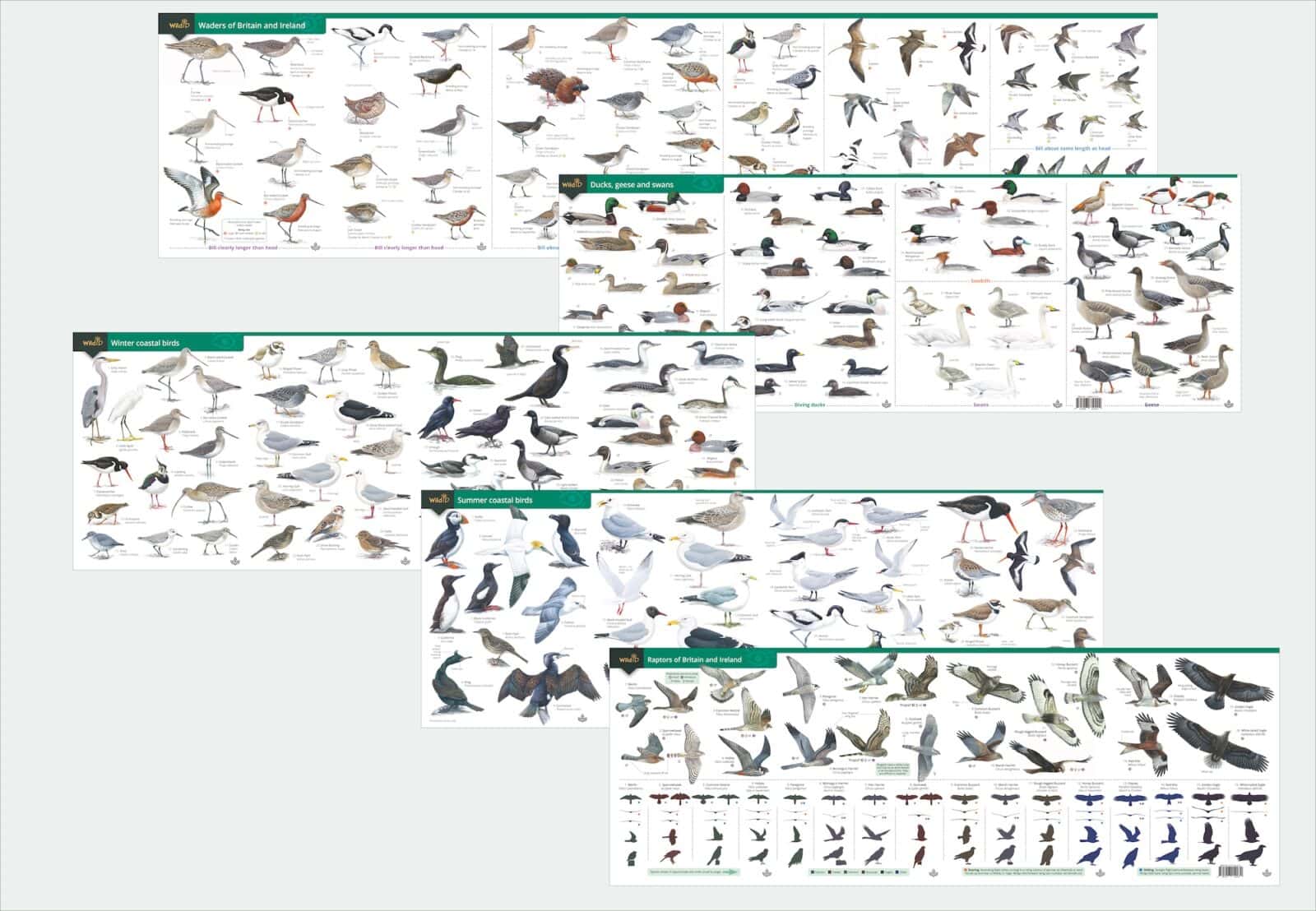
I have worked with Mike on two WildID guides, Waders in 2023 and Raptors in 2024. In addition to these, Mike has illustrated numerous Field Studies Council publications over many years.
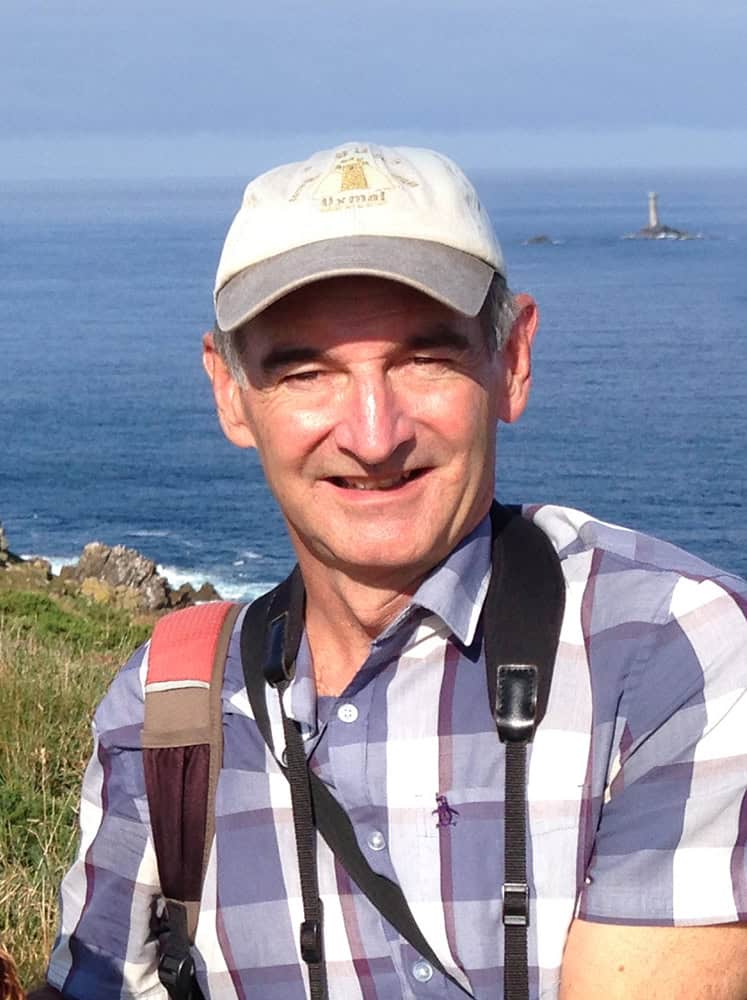
I put a few questions to him …
Explain your work and your interests
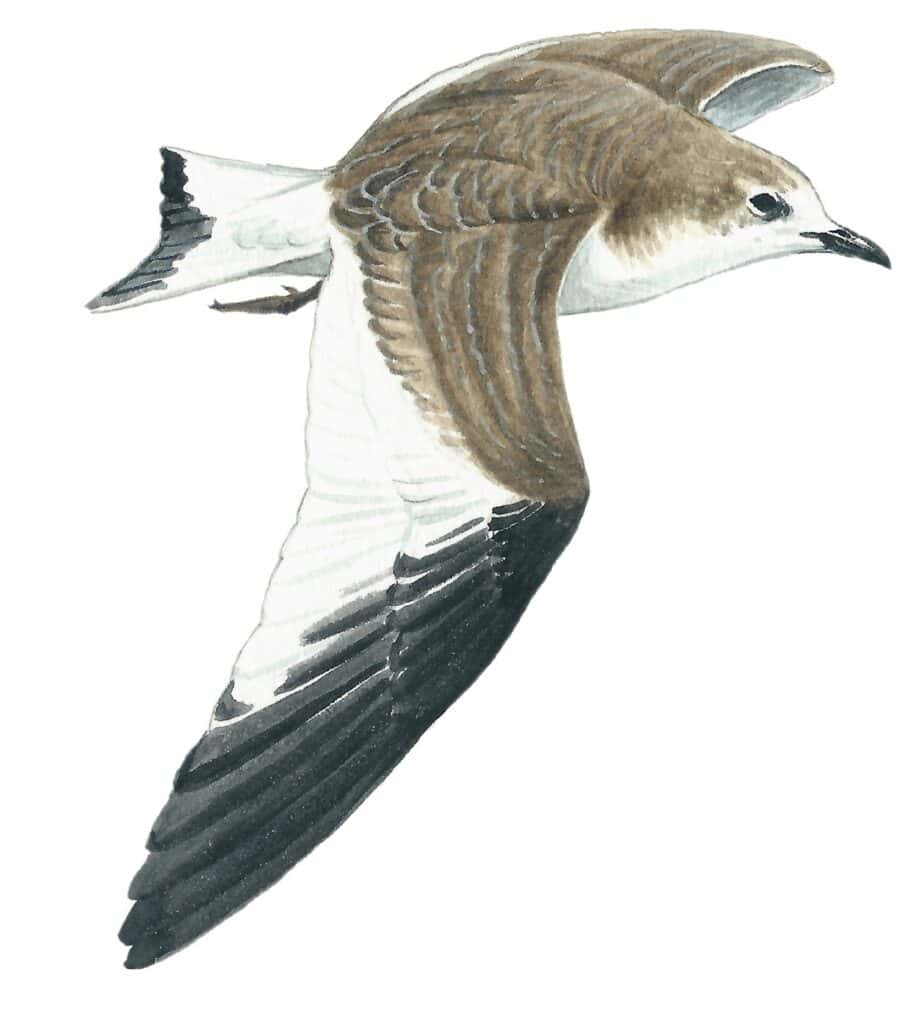
My fascination with birds started in the early 1970s through the Young Ornithologists Club (YOC), initially a school group then a local group. My observational skills were quickly recognised promoting me to junior leader at the age of 14. A love of detail and a good challenge combined with my artistic skills (putting down on paper what I was observing in the field) really helped me to focus on the trickier groups of birds. Gulls are perhaps the most challenging. I now work as an illustrator and a wildlife guide, focusing primarily on birds. Some of my first published bird images appeared in the Devon County bird reports.
After college I worked for the RSPB at its headquarters in Sandy. Initially, I worked on interpretation displays and then on organising tours and days out for the YOC. My illustrations appeared in the then YOC Birdlife magazine and RSPB Birds magazine. My first series of bird books were published in the early 1990s by Hamlyn, all written by YOC staff members. I’ve worked on, and still am, illustrating field guide bird images covering Southeast Asia and the Middle East. Here the detail I love to paint is all important.
How did you first get involved with drawing birds? Who or what inspired you?
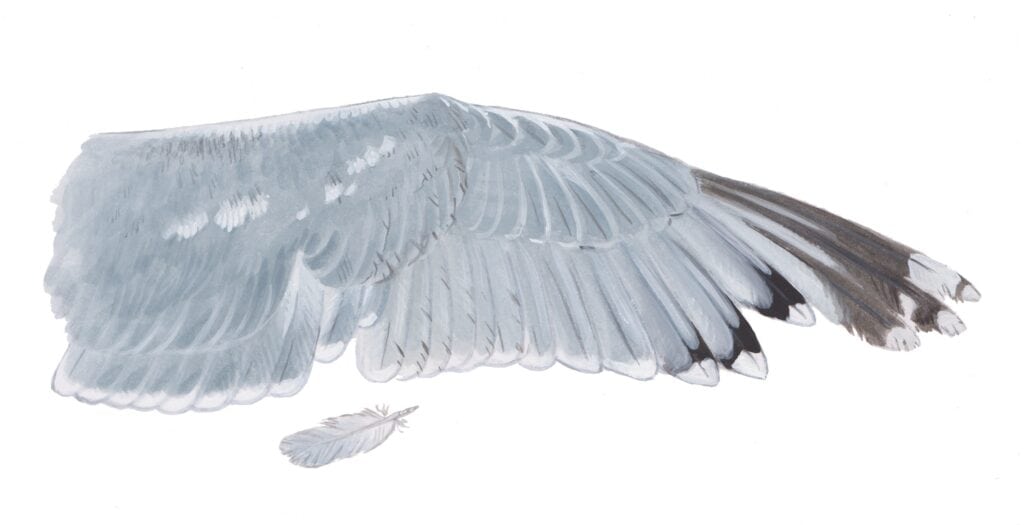
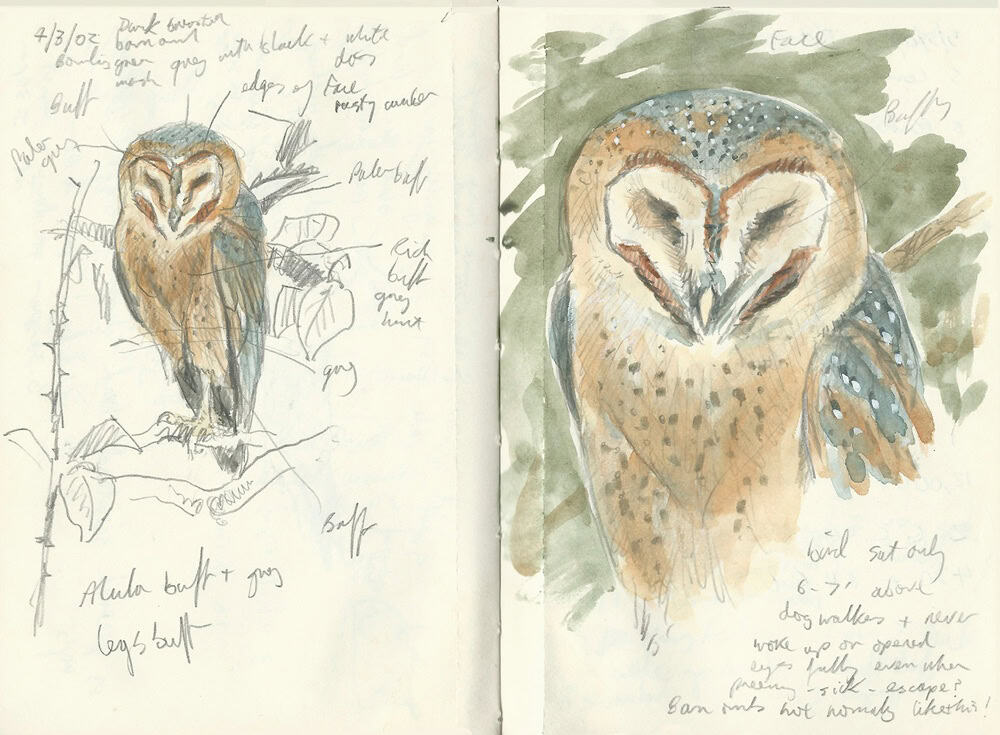
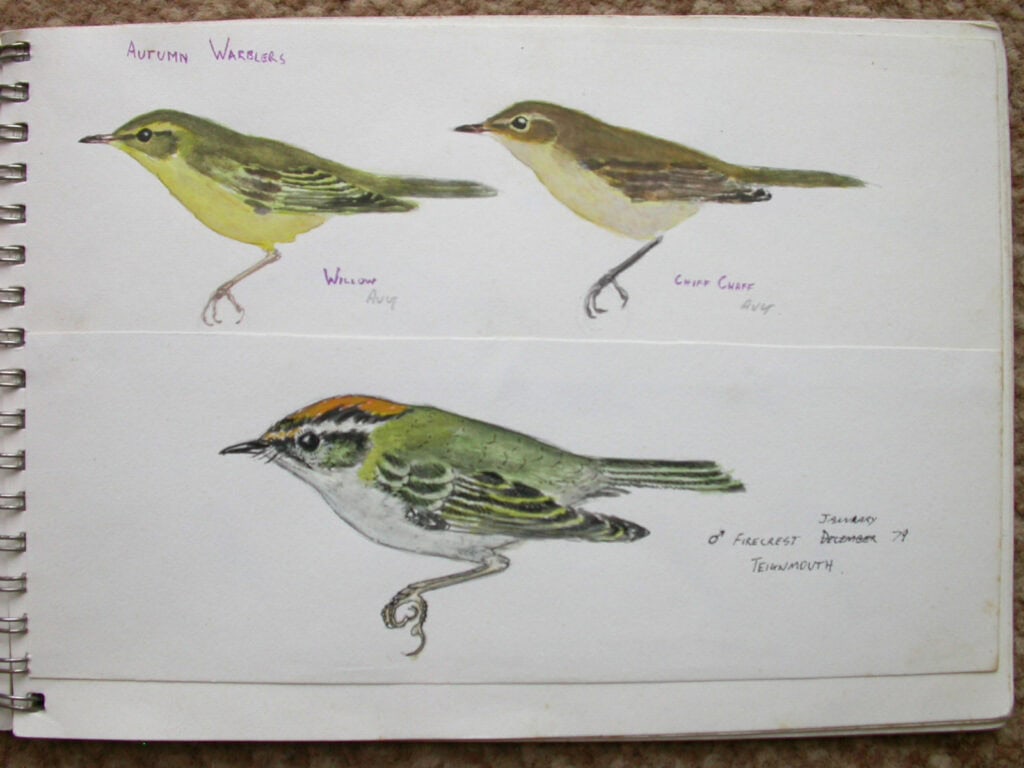
The British and European field guides available to birdwatchers like me in the 1970s were fairly basic. Many age and seasonal plumages were missing, both from the artwork and text. I started to draw and paint some of these missing images in my own notebooks. Every image was based on my own observations, trying to fill in the gaps missing in those field guides.
Early morning jaunts on my 50cc moped to a local ringing station at Slapton Ley to see ringers at work helped immensely. The ringers were very generous with their knowledge; I tried to emulate my learning in my images. Inspirational local YOC leaders encouraged me too, printing some of my work as fundraising cards and pointing me toward a national YOC field sketching competition – which I won! My prize was an original painting of a Shelduck family by the judge Eric Ennion. So my enthusiasm for detail and illustration was ignited.
What is your favourite (bird) species, and why?
Most people would go for a very familiar or colourful species or one with a lot of character. Instead I prefer a challenge, so the trickier the bird is to identify the more I like it. There is not a particular bird that I class as a favourite, but groups like waders, gulls, seabirds and warblers would all rank high in my favourites. These groups are often those that birders shy away from, seeing them as too difficult. However, with observation, knowledge and perhaps a bit of help from an expert they are the most rewarding groups to get to grips with.
Once you immerse in these tricky groups your confidence to make accurate identifications will improve.
What is your favourite place for observing birds/wildlife?
My early days of birdwatching included the excitement of the chase – twitching. A lot of people and the media put it down as a joke form of birdwatching. However, the social side of twitching, the places I visited and camped with friends, the thrill of seeing your quarry and even the low of the ‘dip’ (when you miss the bird!), not to mention all the characters that gathered at these twitches, many with nicknames, some funny, some mean and some spot on! Above all it was fun that you shared with other likeminded people of all age groups. The pre-twitch usually included a lot of planning, reading up, knowledge gathering about the site, bird and plumage you expected to see. For me the notes taken and then the post-twitch drawings of the bird all meant a huge learning experience and knowledge ‘banking’.
Today I’m a ‘local birder’ rarely straying more than a few miles from home. In fact my wife suggests that my second home is Berry Head, a National Nature Reserve. The headland site holds a mouth-watering variety of habitats and even better great sea watching, so my favoured groups of warblers, gulls and seabirds are all well catered for. I just miss the waders, but that’s more than made up for with other wildlife sightings of cetaceans and invertebrates.
What is your bird/wildlife ‘magic moment’?
For me, it’s the unexpected that makes a moment magic, birding and wildlife watching continue to provide many of them. Trying to pick one is almost impossible and are usually replaced by recent encounters. Other birders will recall my excitement finding the UK’s first twitchable Red-flanked Bluetail. Britain’s first Yelkouan Shearwater, at the time it was the milestone 600th species ever recorded in the UK, must be up there. However, Yelkouan Shearwater is soon to be downgraded to just a ‘sub-species’ of Balearic Shearwater (Mediterranean Shearwater).
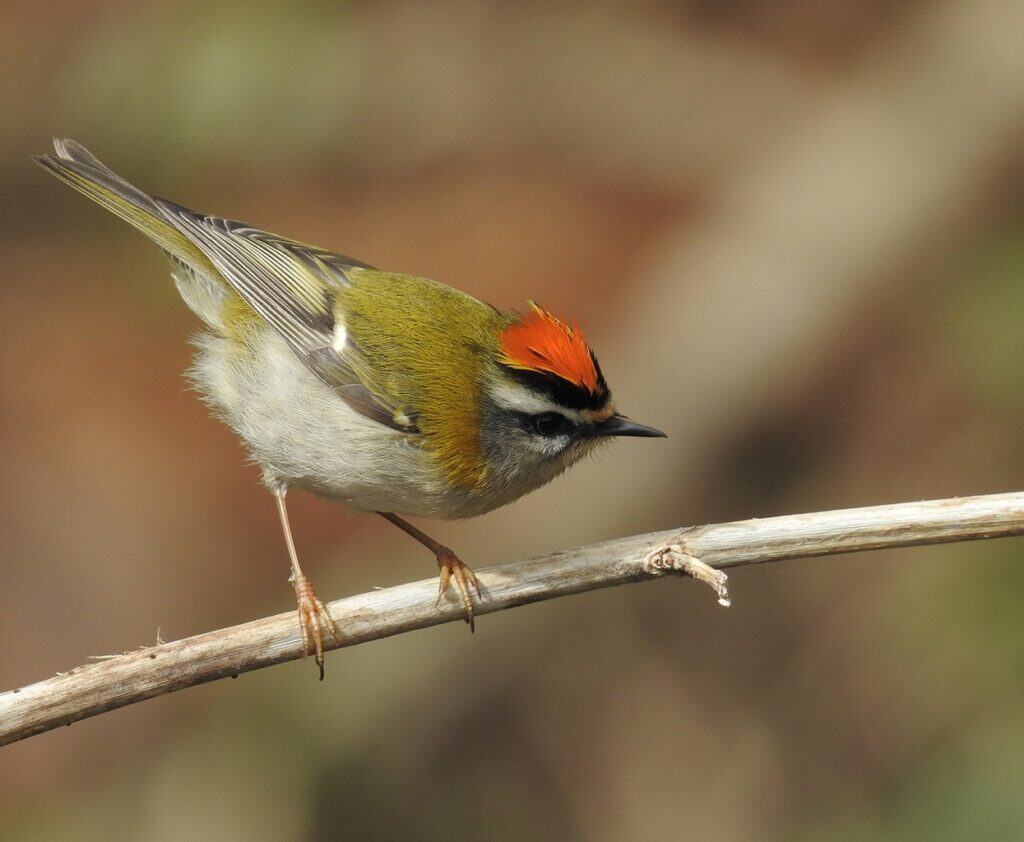
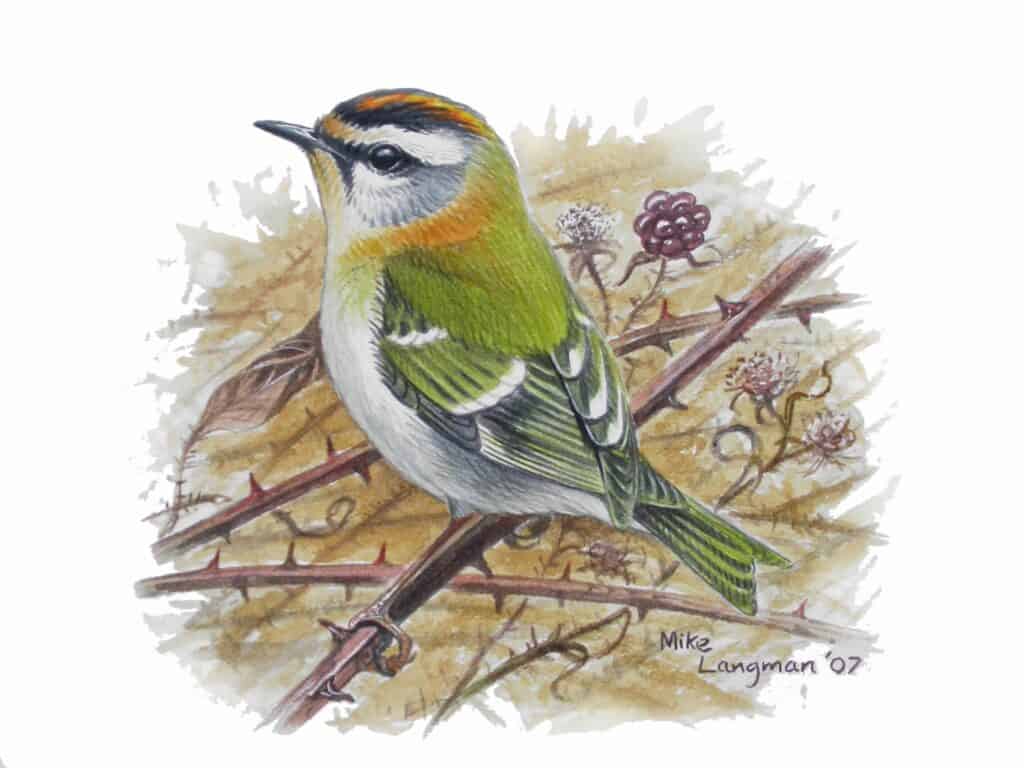
But the winner goes to discovering Devon’s first, proven, breeding Firecrests in woodland beside the River Dart in 2014, and then witnessing its dramatic population explosion over the next decade. The Firecrest is a tiny jewel of a bird that never fails to delight me every time I see one. Through all my early birding years Firecrest was nothing more than a scarce migrant and winter visitor. I guess that ‘scarce status’ sticks with me many years on.
Do you have any advice for someone wishing to know more about drawing birds/wildlife? What is your top tip for success?
Observation is key – take time to look, study and then try and draw or even paint what you see from life. The more you try, the better you’ll become. It won’t come easy to most but keep at it. Sketches you create will serve as a long-lasting memory when you flick back over your notepad pages in years to come. You’ll remember almost every pencil or bush stroke, as well as the details of the bird’s plumage. So, the bonus is you’ll become a better observer which always makes for a better bird/wildlife watcher.
Is there anything else you would like to add?
Submit your records to one of the many databases such as BTO BirdTrack, iRecord or ebird, without data science is nothing. I’m regularly told ‘but you see so much and so many unusual species’, well that only comes with dedication, determination and most of all being out there. I’m pretty much never without my binoculars and notebook close at hand. An old birding friend said to me ‘if you’re not out you’ll find nought’ – you can’t say more than that really!!
Want to learn more?
Mike illustrated the WildID guides to Waders and Raptors, both challenging bird groups, which were co-authored with Keith Offord. Read our interview with Keith from January 2025.
Field Studies Council run a range of identification courses, both on-line and at study centres. In addition, there are a range of resources available at eclectic-ecologist.
To help us all appreciate and enjoy biodiversity and better understand the changing state of nature, Field Studies Council has produced a wide range of high-quality identification resources such as the WildID fold-out guides and Aids to Identification in Difficult Groups of Animals & Plants (AIDGAP). All guides, including WildID Waders of Britain and Ireland and WildID Raptors of Britain and Ireland, are available from Field Studies Council’s online shop.