
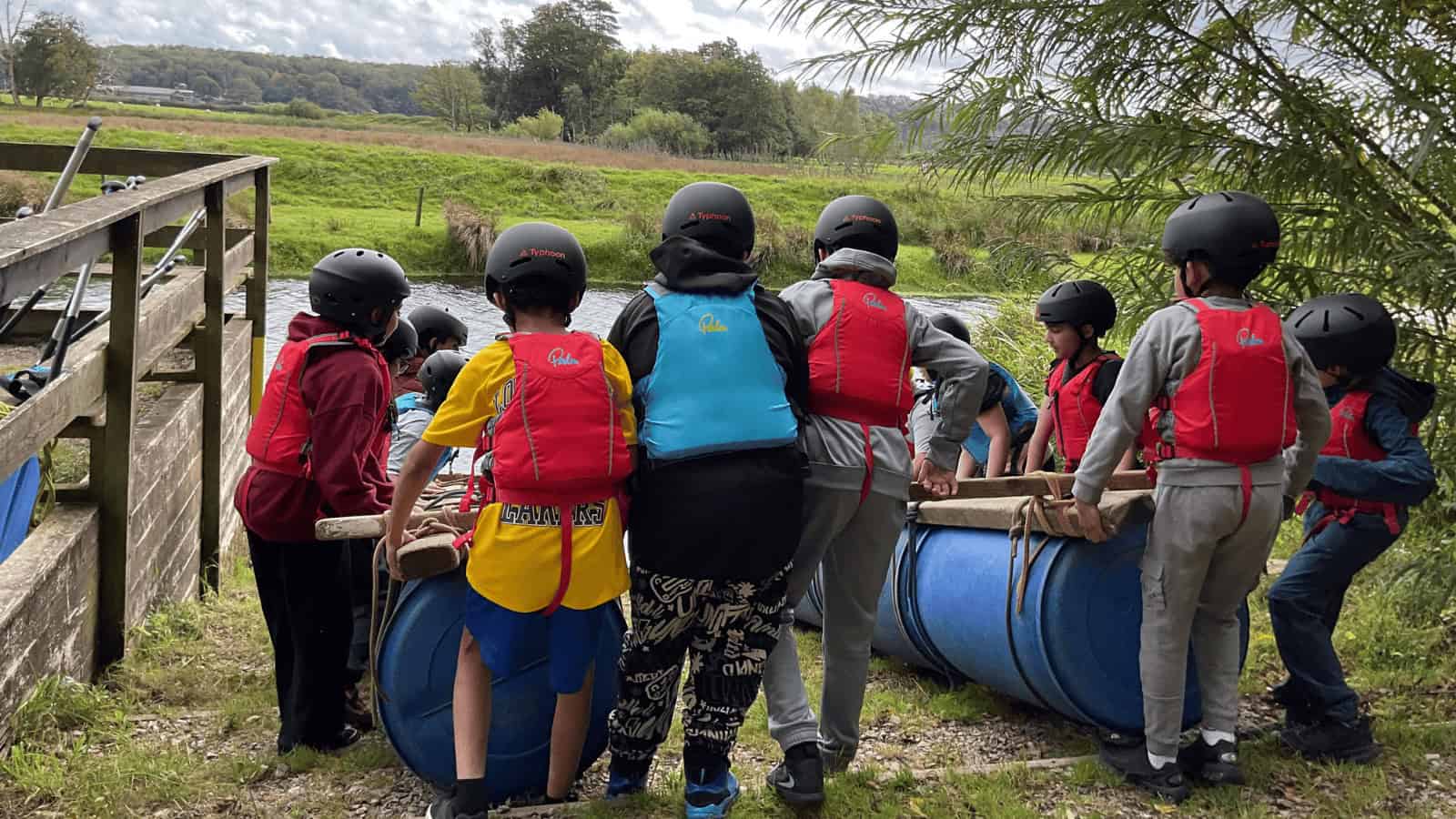
Thanks to a generous grant from the Ramble Worldwide Outdoor Trust, we recently welcomed Stanley Grove Primary Academy to our Castle Head centre in Cumbria for a two-night residential trip.
Located in one of the most deprived areas of Manchester, a lot of their pupils come from disadvantaged backgrounds and have limited opportunities to spend time in nature. Without the worry of the cost, they were able to enjoy a trip filled with adventure activities and some much-needed nature connection.
We caught up with Miss Chambers, a teacher at the school, to ask how it went and what benefits their students get from an outdoor learning experience. If you’d like to help more young people access opportunities like this, please consider making a donation today.

Could you give me a brief overview of your school? The area, student demographic, etc.
Stanley Grove Primary Academy is a larger-than-average primary school located on the outskirts of Manchester. Our school is defined by its incredibly rich and diverse community. The vast majority of our pupils come from minority ethnic backgrounds, and we have a very high proportion of students who speak English as an additional language. We support an above-average proportion of disadvantaged pupils receiving Pupil Premium funding, as well as a higher-than-average number of pupils with Special Educational Needs and Disabilities (SEND). A significant characteristic is that many pupils join us at various points throughout the year with minimal prior understanding of the English language. This vibrant diversity brings immense richness but also specific needs, making experiences like outdoor learning crucial for their development.
What do you feel are the main benefits of outdoor learning?
“For our pupils, many of whom have never experienced structured outdoor learning before, the benefits are truly transformative. We consistently observe dramatic shifts in confidence and independence.”
On arrival at Castle Head, some pupils are initially reluctant to join in, but by the end of the first day, their confidence is noticeably increased, and they are enthusiastically becoming more “hands-on.” Specifically, outdoor learning at Castle Head helps foster independence. It provides opportunities for children to manage their own needs—making their beds, preparing their lunches, and getting ready for the day ahead—skills they may not regularly practice at home. Furthermore, the team-building activities help forge stronger relationships across the cohort, resulting in pupils becoming much more supportive of one another.
What are some of the challenges your school and students face when it comes to outdoor learning?
The main challenges stem from our pupils’ locality and socioeconomic background. Our students lack consistent access to outdoor learning opportunities due to the urban environment they live in. Crucially, monetary restraints mean that families often cannot afford to provide the same experiences as others across the country, such as a simple trip to the beach or a walk through the woods. The residential trip offers an essential, equitable way to close this experience gap.
How has the funding helped you address these?
The funding has been absolutely vital. It allowed 72 out of 90 eligible pupils to attend the residential trip—a level of participation that would have been financially impossible without this support. Thanks to the funding, pupils were able to experience an area of natural beauty for the very first time, creating memories that will last forever.
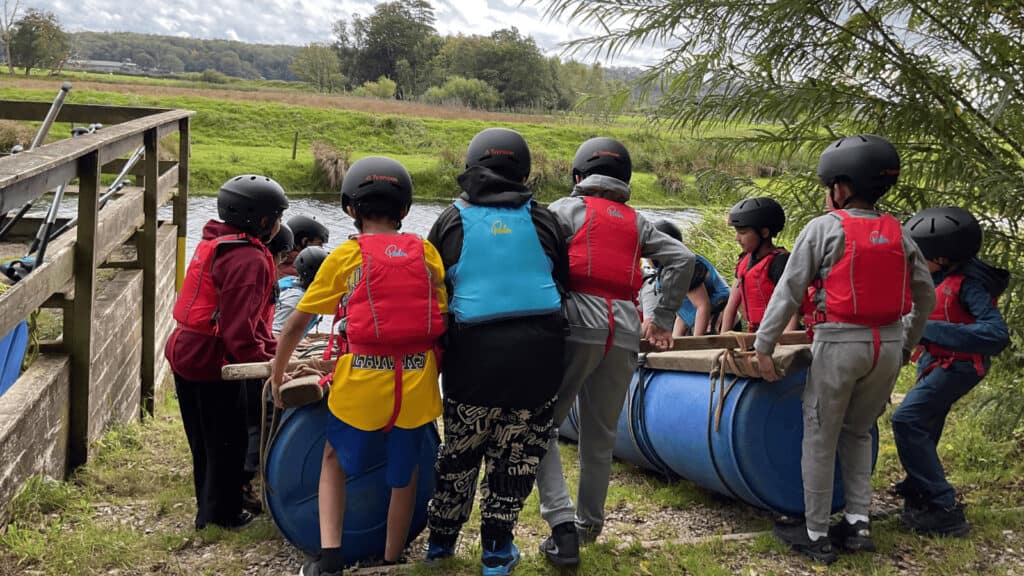
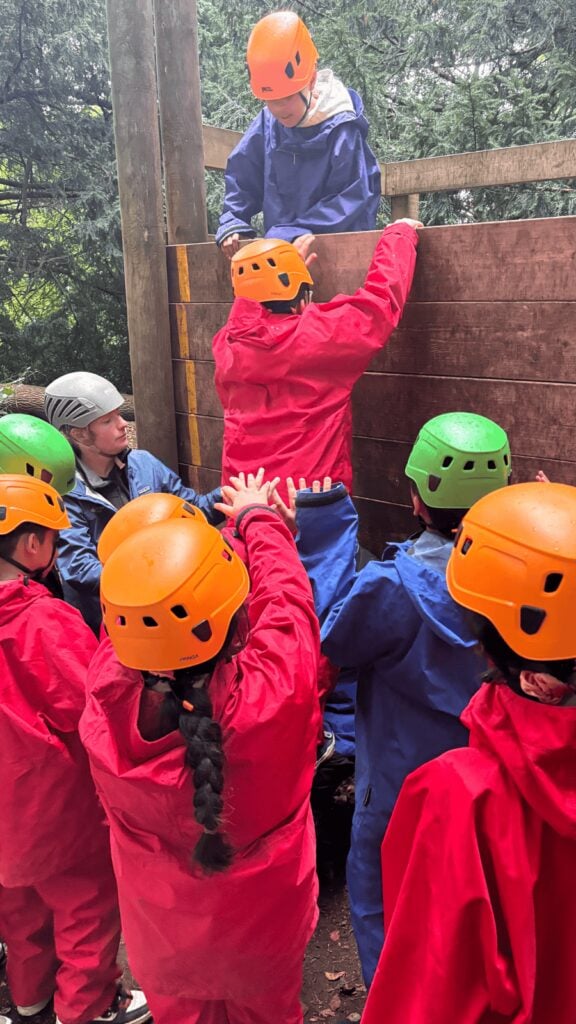
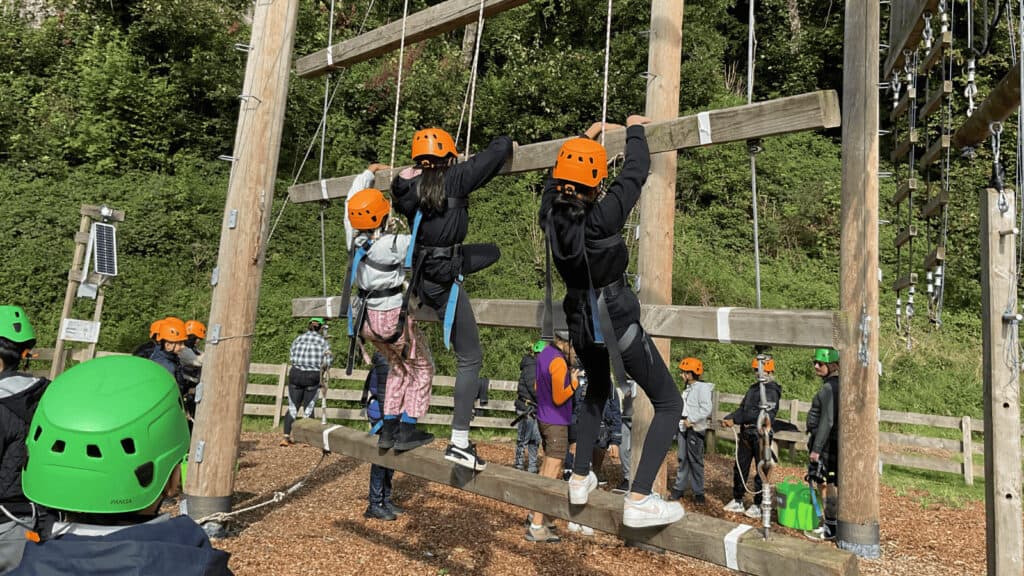
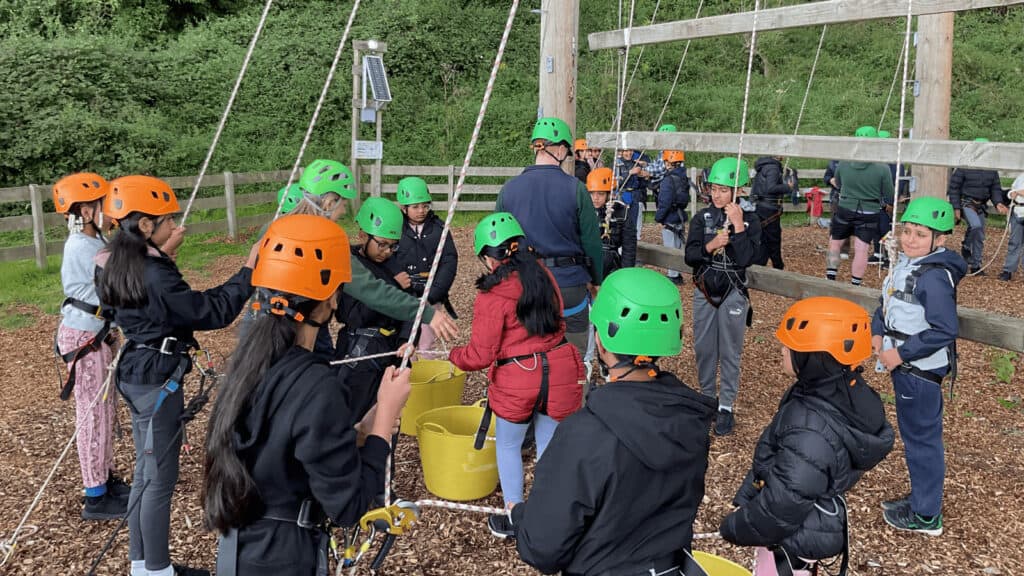
Beyond the setting, the funding enabled them to face their fears on high-rope activities and work collaboratively to build a raft.
” For many, this was also the first time they spent a night away from their family home, an inherently nerve-wracking step that they took with determination and resilience.”
Have you noticed any improvements in your students after participating in a residential trip? This could be exam results or personal development.
We have observed significant, tangible improvements. Within the school environment, we’ve seen a clear boost in pupils’ confidence and the development of stronger peer relationships. Students are now more willing to attempt to solve their own problems, both in academic tasks and in social interactions. Crucially, they are also visibly more supportive of their classmates.

Do you think your outdoor learning experiences have made your students more likely to consider a career in the environmental sector?
Absolutely. After returning to school, we completed a Personal Development unit specifically linking their Castle Head experiences to potential careers. This included roles such as an Outdoor Activity Leader, Conservationist, or Veterinary Professional.
“The trip provided the initial spark of interest and a real-world context for these environmental and outdoor vocations.”
Were there any highlights from your recent trip?
The high ropes activities stand out as a major highlight. Pupils were initially very reluctant to try, but with the encouragement of the amazing leaders and, crucially, each other, many achieved things far beyond their initial expectations. We were particularly proud of pupils with additional needs who showed incredible independence, and other students who instinctively stepped up to support peers who needed extra help.
Even two months after our visit, pupils are still retelling stories from Castle Head, sharing them with visitors, and they were recently the subject of an inspiring assembly for parents. The sense of achievement is lasting.
Anything else you’d like to add?
We simply wouldn’t be able to offer our pupils the life-changing opportunities provided at Castle Head without the generous support of the funding we received. We are deeply grateful for everything Castle Head provides for our school community and hope to continue our valuable partnership well into the future.
If you’d like to find out how you can help more young people access opportunities like this, please take a look at our ‘Support us’ pages