
Steve Docker is a Resource Development Officer with Field Studies Council Publications. Here he introduces a few common bird species often found in gardens and local green spaces, and explains the importance of garden bird surveys.
Birds in the garden and local green spaces
Late winter and early spring are a good time to observe birds in the garden and other green spaces, especially at bird tables and feeders. Their behaviour becomes more visible, giving nature lovers plenty to enjoy.
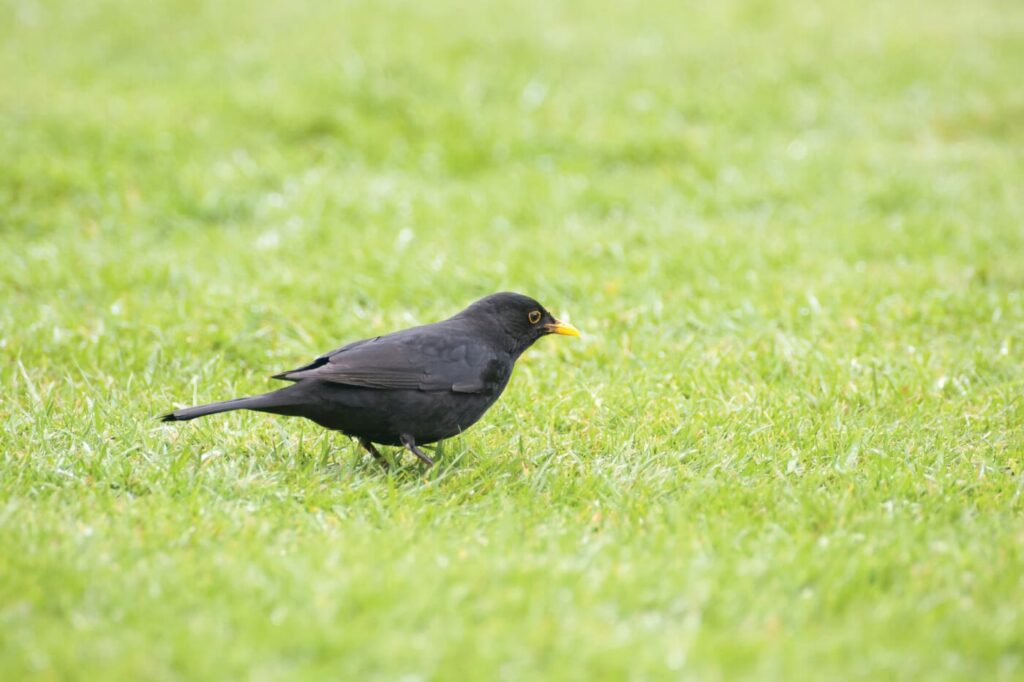
Blackbirds Turdus merula are among the first to signal the changing season. Males often take up prominent singing perches, such as a rooftop or the top of a tree, and deliver their rich, mellifluous songs. You may also hear their agitated pink, pink, chink, chink calls and notice them chasing each other across lawns and hedges as boundaries are tested and defended. Stands upright, sometimes droops wings and cocks tail.
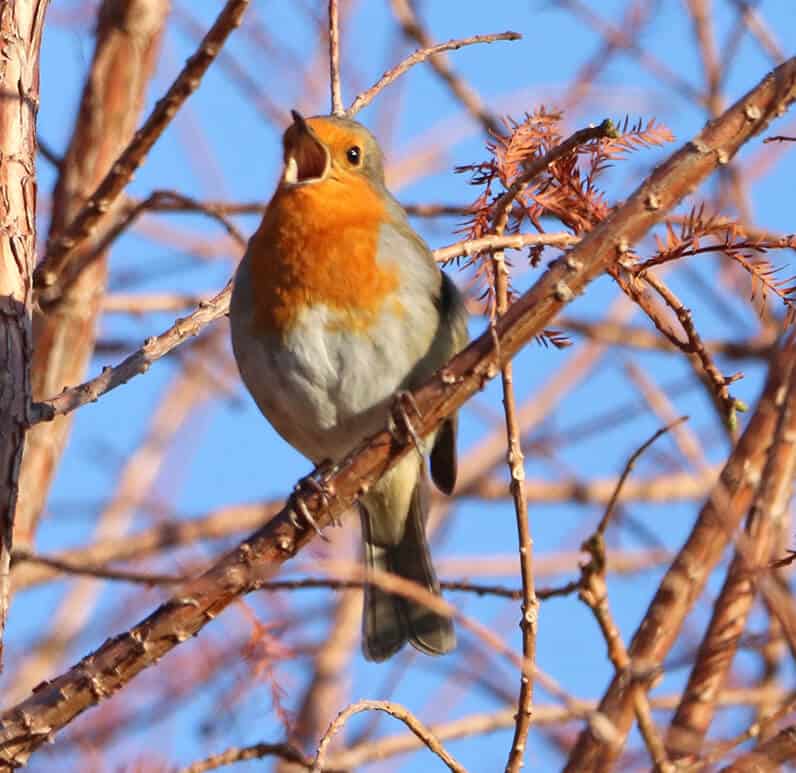
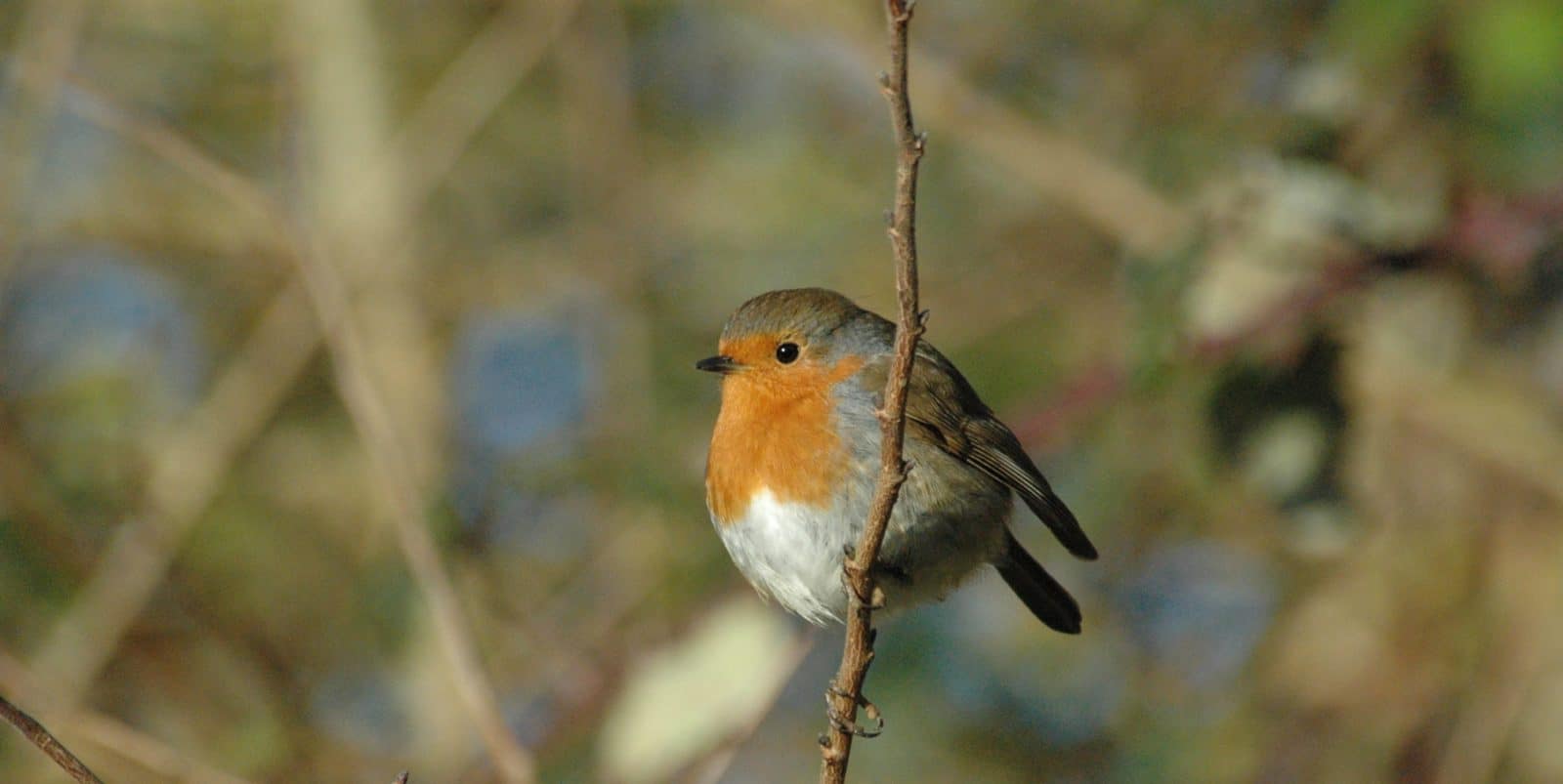
Robins Erithacus rubecula perch in a tree or shrub to sing. They sing year-round, sometimes even at night. To me, their song is mournful and wistful, some say melancholic. They flick their wings and cock their tail and are often seen hopping over lawns.
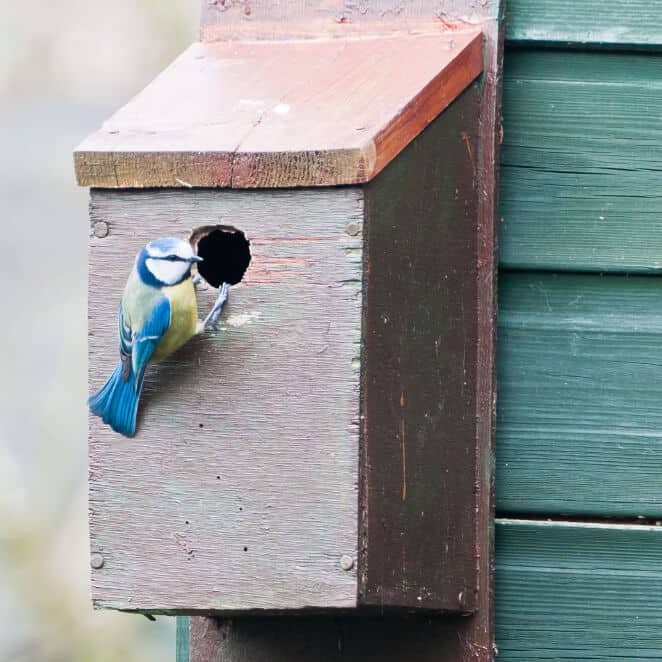
Meanwhile, Blue Tits Cyanistes caeruleus become increasingly active and inquisitive. They begin inspecting potential nest sites, especially nest boxes with suitable entrance holes. Expect to see them darting in and out as they compare options. They readily hang upside down. Their high‑pitched, repetitive calls also become more frequent.
Together, these subtle shifts in behaviour, extra song, territorial disputes and exploratory flights make February a rewarding month to observe the first stirrings of spring.
Take part in a garden bird survey
If you’d like to get more involved with birds visiting the garden, the BTO Garden BirdWatch is the perfect place to start. This year-round survey has been running since 1995 and simply asks you to spend 20 minutes a week noting which species visit your garden or local green space. Your observations help scientists understand how and why bird populations are changing across the country.
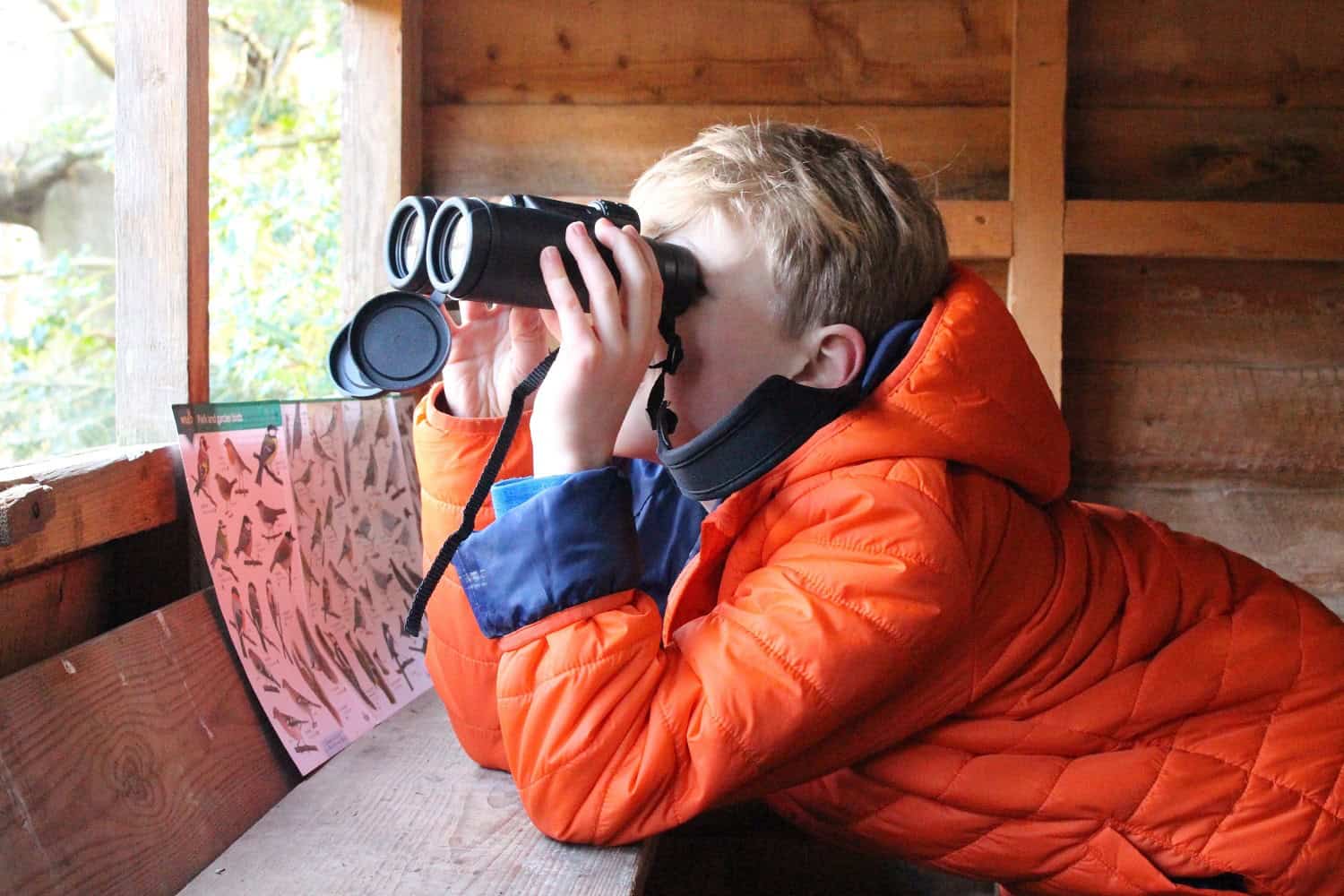
Although the RSPB Big Garden Birdwatch took place in January it’s still worth keeping in mind for next year. It’s the country’s largest wildlife survey, involving thousands of people who spend a single hour counting the birds that land in the garden.
For now, though, the BTO Garden BirdWatch is the best way to stay involved throughout late winter and early spring, offering a simple, enjoyable way to contribute to important conservation science every week.
Why common birds need our attention
Each generation accepts the wildlife they grow up with as ‘normal’, often unaware that species once abundant may already have declined dramatically. This is called shifting baseline syndrome.
It’s also worth remembering that even the most familiar birds are not guaranteed to remain common forever. When a bird species becomes slightly less common year on year, the change can be so gradual that it goes unnoticed until the decline is severe. Today’s everyday favourites such as Blackbirds, Robins and Blue tits could become tomorrow’s rarities if we overlook early warning signs. By taking part in a citizen science bird survey, you can help to ensure that these species stay a vibrant part of our everyday lives.
Want to learn more?
Check out my blog ‘Discovering winter gold‘ (Jan 2024)
The Field Studies Council run a range of courses, both on-line and at study centres. In addition, there are a range of resources available at eclectic-ecologist.
To help us all appreciate and enjoy biodiversity and better understand the changing state of nature the Field Studies Council has produced a wide range of high-quality identification resources such as the WildID fold-out guides and Aids to Identification in Difficult Groups of Animals & Plants (AIDGAP). All guides, including the Winter Birds Bundle are available from the Field Studies Council online shop. The bundle comprises three WildID bird charts, including Park and garden birds.