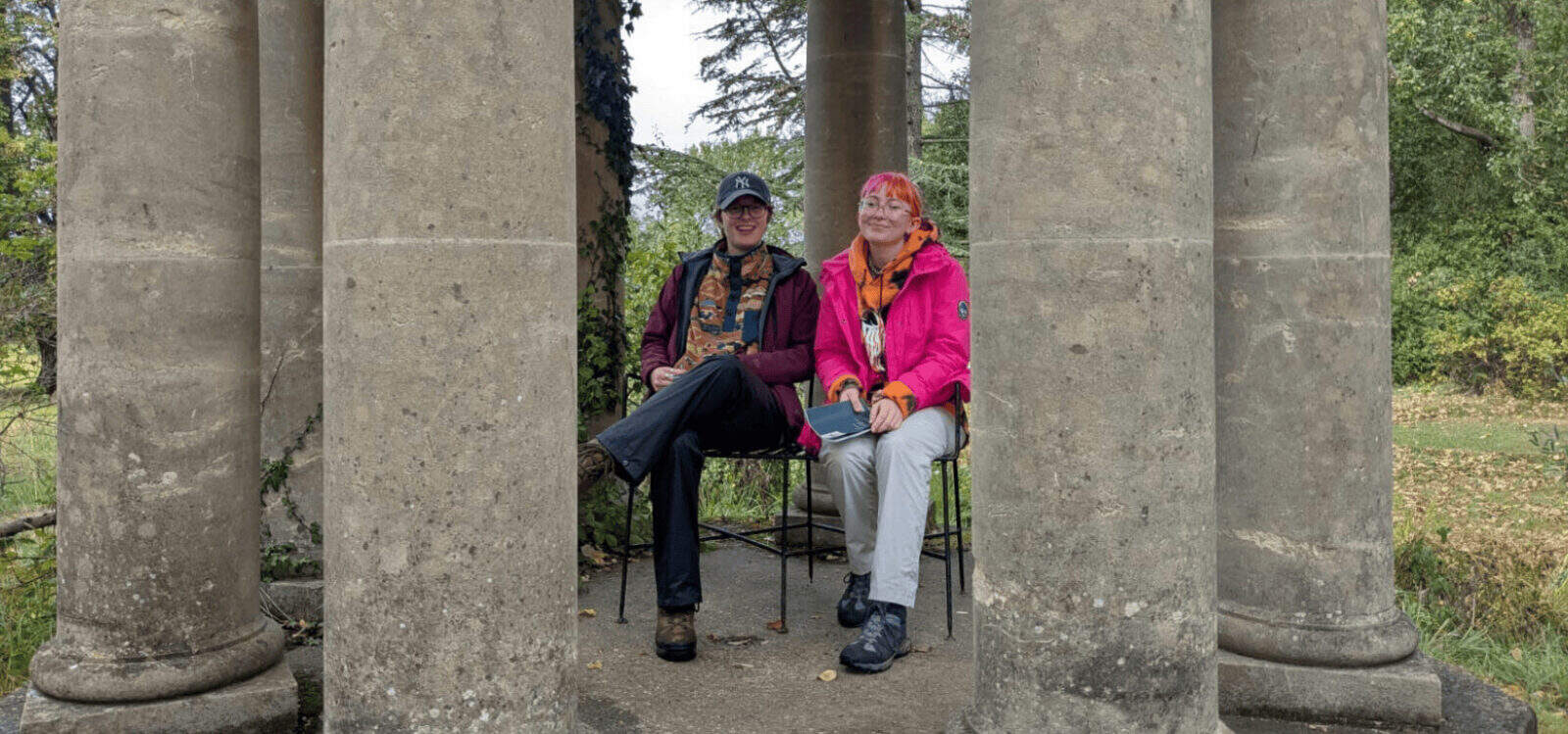
In this blog, Youth Panel member Mia shares her perspective, experiences and passion for nature, offering an inspiring look at how the next generation is shaping the future of environmental action.
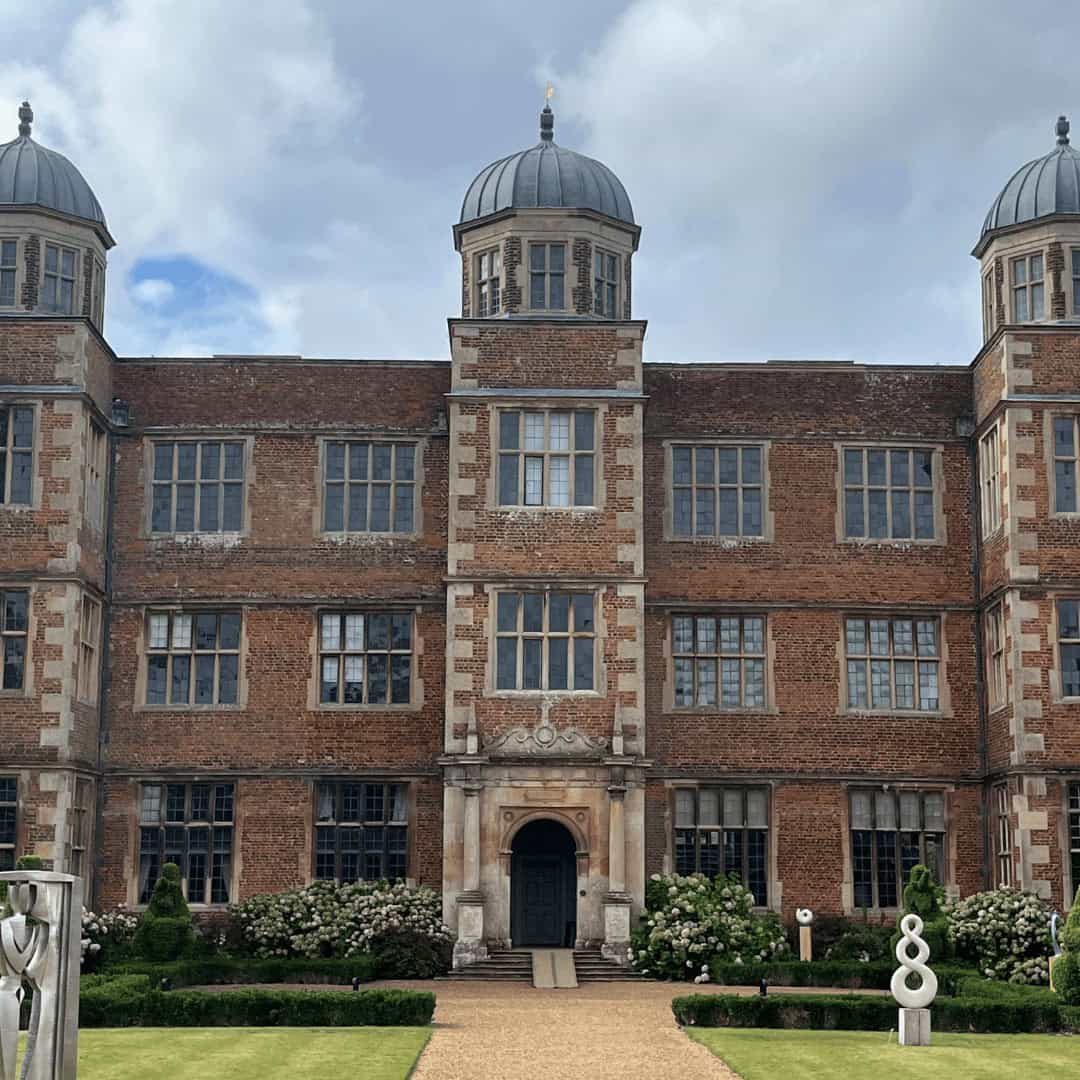
When I first stepped off the minibus at Wilder Doddington, surrounded by the rustle of late-summer grasses and the chatter of new voices, I had no idea how much the next five days would reshape how I see nature — and my place in it.
As a communicator and youth activist, I’ve always believed in the power of storytelling to connect people with the natural world. But being part of the Field Studies Council’s Young Darwin Scholarship residential was a reminder that connection starts not with stories, but with curiosity, community, and muddy boots.
Day one: finding our wild community
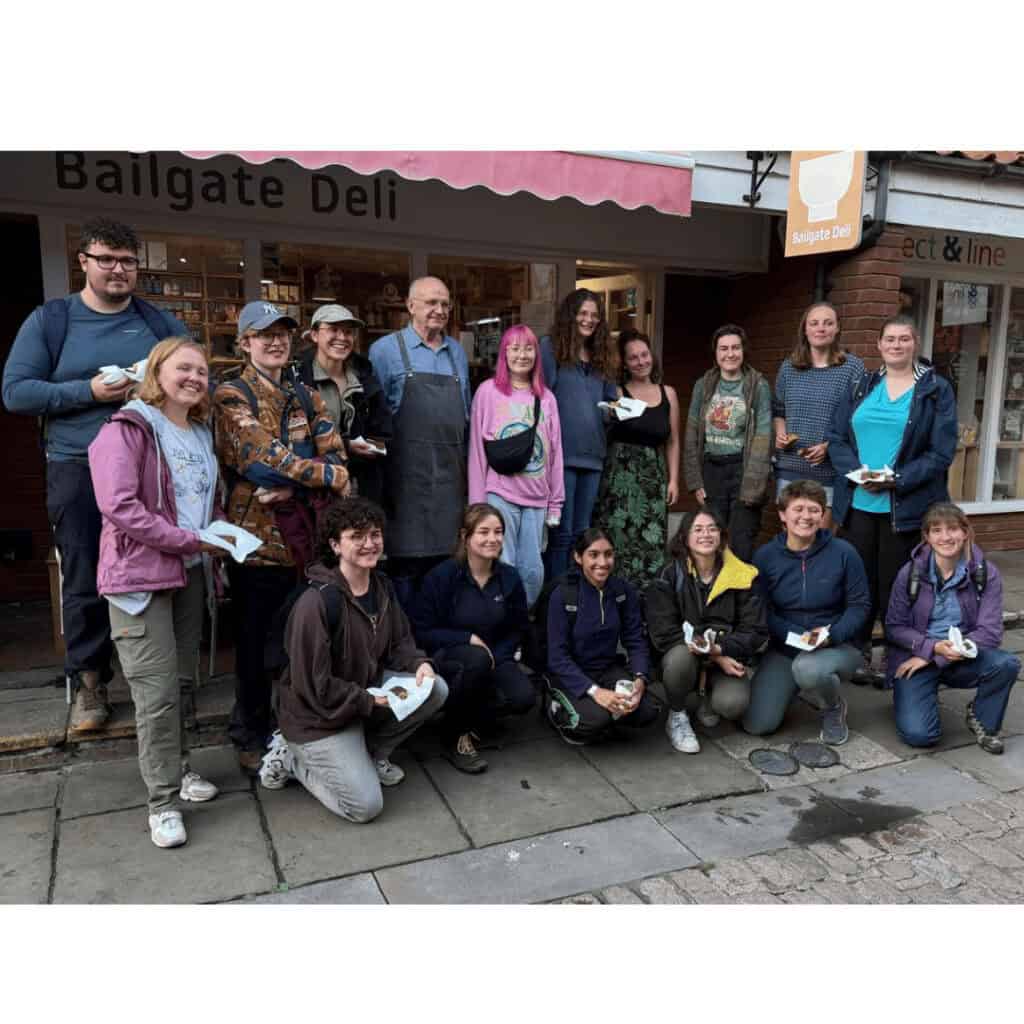
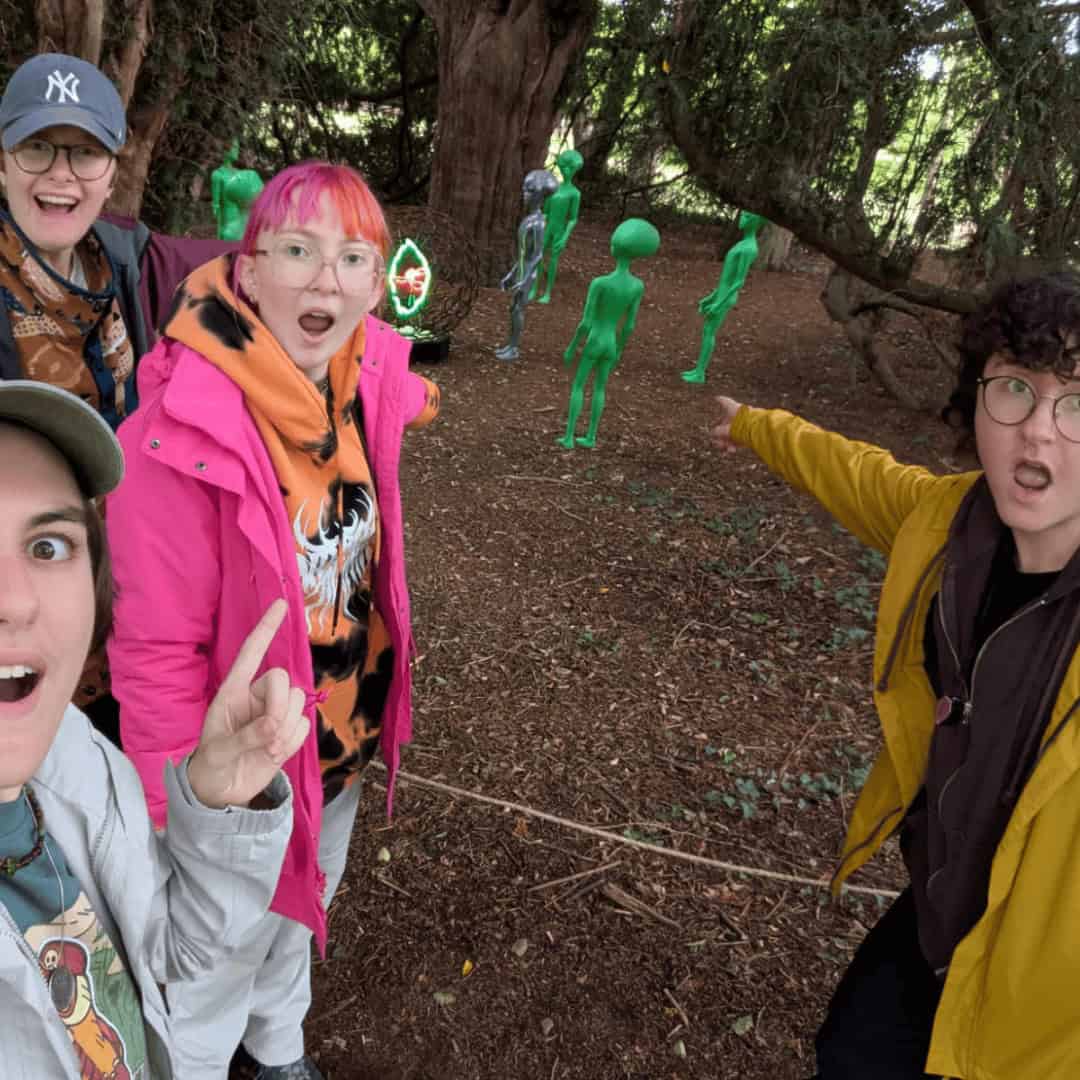
We began our week in the heart of Lincolnshire, greeted by our course leader, Jayde Broadbent and Isobel Wright, the Wilder Project Manager. After the introductions, we broke the ice — quite literally — with a flurry of name games, nature scavenger hunts, and a lot of laughter.
It felt refreshing to be surrounded by young people from across the UK, all passionate about conservation but bringing wildly different perspectives — from aspiring ecologists to artists and campaigners. Our first evening ended over dinner at Bailgate Deli, where conversation flowed as easily as the handmade lemonade, and by the time we walked back through Lincoln’s twilit streets, the group already felt like a small ecosystem of its own.
Day two: what does ‘rewilding’ really mean
Our first full day began with a session that grounded the whole week: What is rewilding?
Standing among the sweeping meadows of Doddington, Isobel Wright spoke about how this landscape — once intensively managed farmland — is now being allowed to recover through natural processes. The key players here aren’t just people, but herbivores, soil, and time. As someone who has spent years talking about rewilding online, it was humbling to see it up close: messy, complex, and alive.
The afternoon brought us outside for practical conservation work with Heather Sunderland, one of the Wilder Rangers. We learned why surveying habitats is vital, and how management isn’t about controlling nature but working with it. With muddy hands and tired smiles, we ended the day feeling like we’d each left a small footprint on Doddington’s unfolding story.
Day three: ponds, birds and a symphony of life
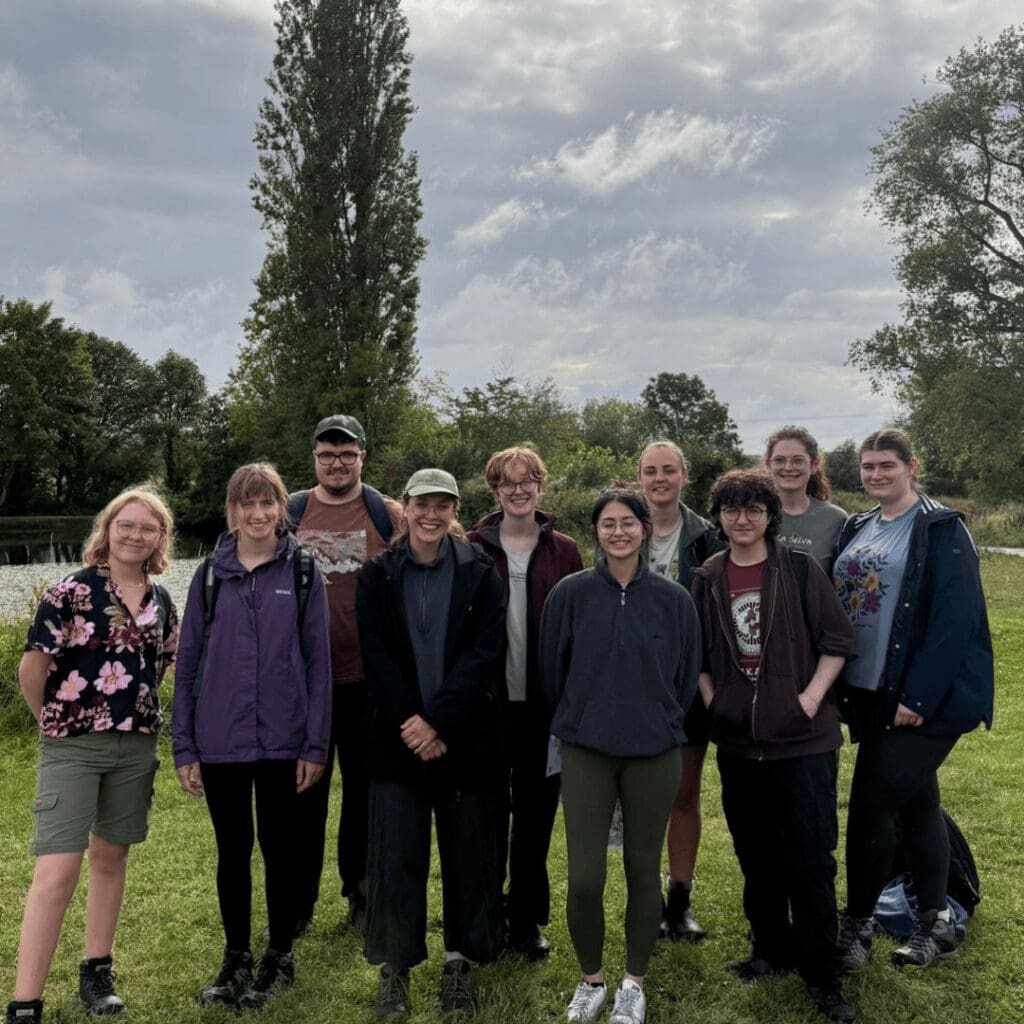
Wednesday was, without doubt, one of my highlights. Our morning began knee-deep (sometimes literally) in freshwater ecology. Under Jayde’s guidance, we explored ponds scattered across the estate, dipping nets into their murky depths to uncover dazzling miniature worlds — damselfly larvae, water boatmen, and the delicate flicker of beetles.
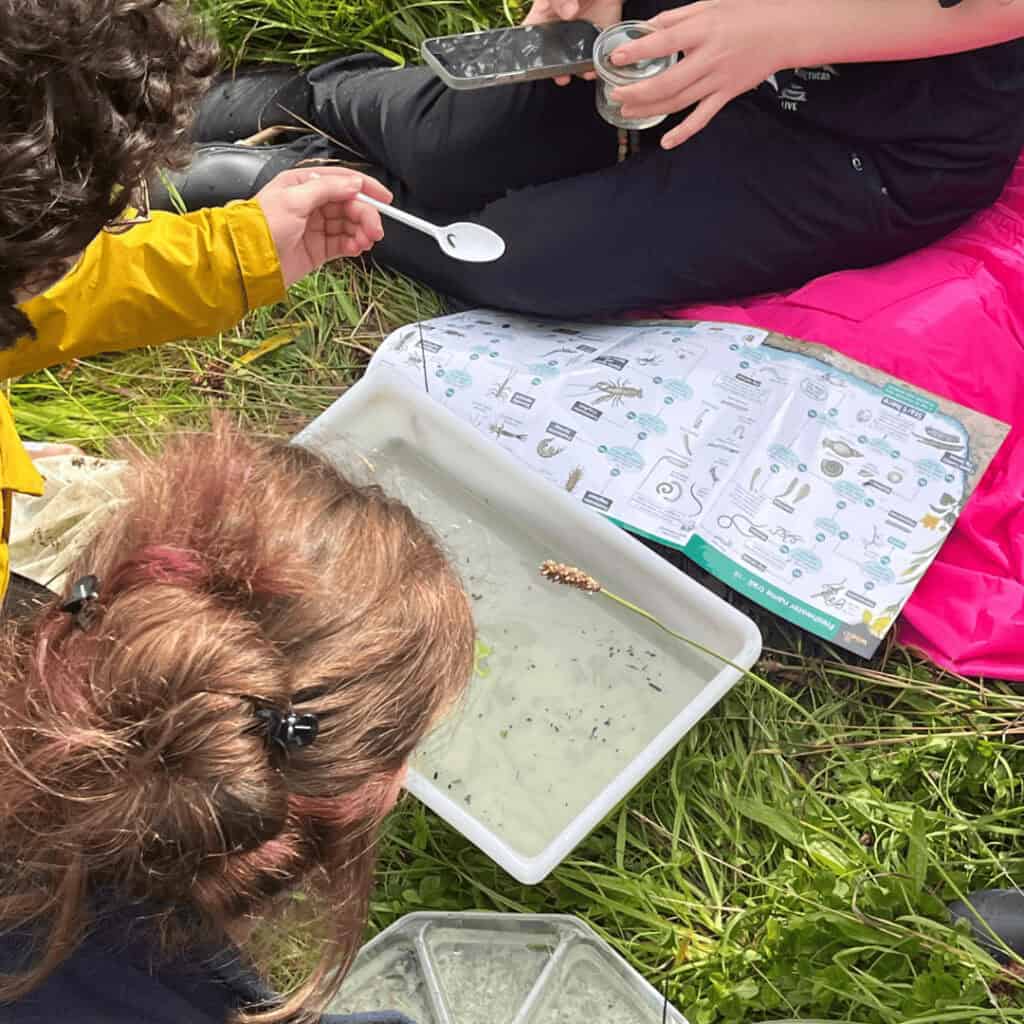
Identifying species wasn’t just about names; it was about what they told us — that this water, once part of an agricultural drainage system, now teems with signs of renewal.
After lunch, we turned our attention skyward with Matthew Capper’s “Everything Birds” session. We learned to tell apart the blackbird’s fluting song from a robin’s sharper call, and talked about how rewilded habitats invite back the winged messengers of ecological change. By the time we finished our bird walk, I’d added a few new species to my life list — and a renewed sense of wonder for those already familiar.
Day four: lichens, bushcraft and the balance between people and planet
Thursday was a day of contrasts — from the delicate textures of lichen ecology in the morning to the smoky scent of campfires in the bushcraft and wellbeing session later that afternoon.
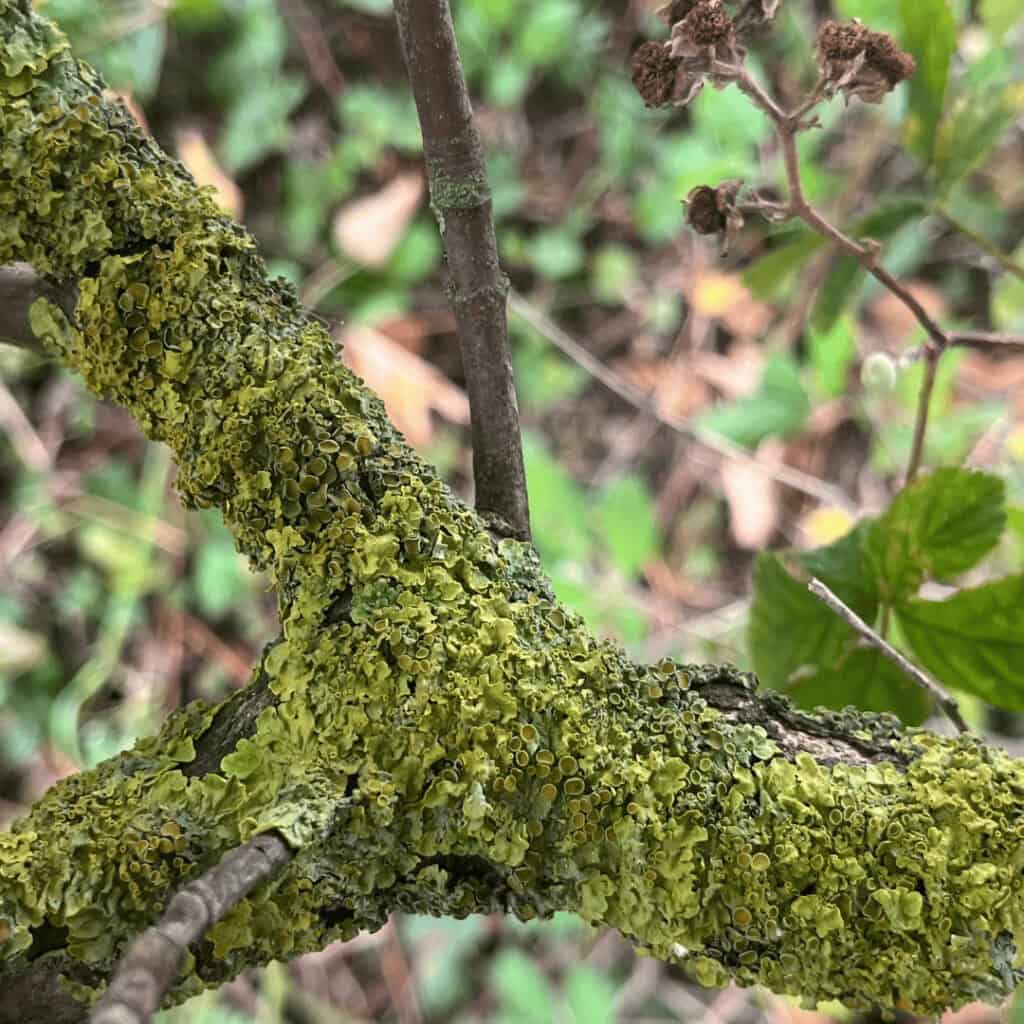
Learning about lichens — these extraordinary symbiotic organisms — was like discovering a secret language etched onto bark and stone. Each patch told a story of air quality, moisture, and time. For someone who usually lives behind a laptop, it was grounding to slow down and notice life on such a microscopic scale.
Later, as we gathered beneath the trees with Rosie Molton and Simon Parker, we spoke about wellbeing and connection — how time in nature doesn’t just heal landscapes but also ourselves. Carving sticks, lighting fires, and sharing quiet moments reminded me that conservation isn’t just science — it’s culture, care, and community.
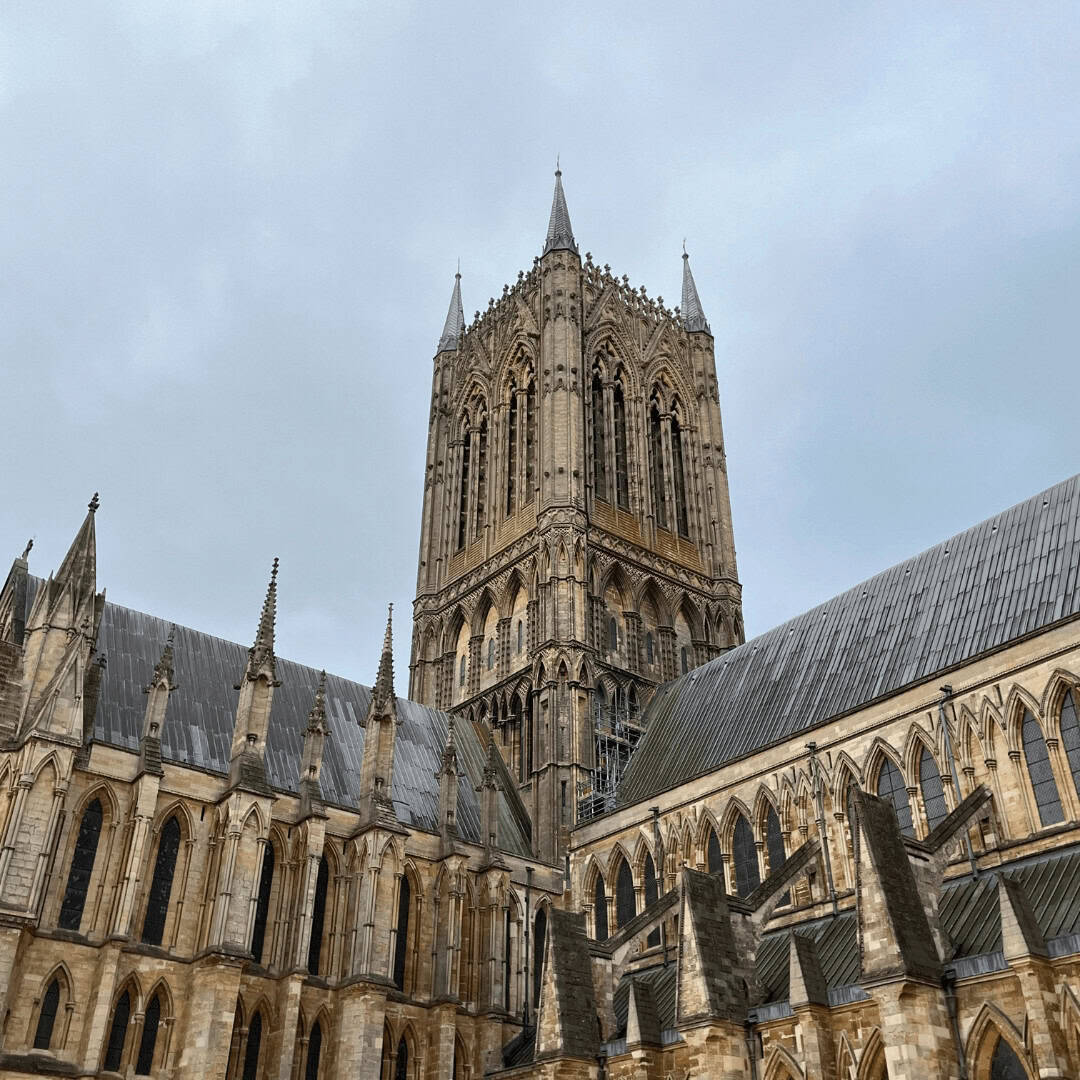
That evening, an optional urban ecology walk led by Sheena Cotter and Iain Stott took us through Lincoln’s cathedral quarter. As bats flickered above the stonework, we discussed how even cities can be rewilded — not through grand gestures, but by reimagining our relationship with the green spaces around us.
Day five: looking forward
Our final morning was dedicated to professional development, exploring career pathways in conservation and the transferable skills we’d gained. It was heartening to see how the week had broadened everyone’s horizons — some scholars left inspired to pursue field ecology, others to focus on policy, education, or creative advocacy.
When it came time to share reflections, there was a quiet sense of pride in the room. We’d arrived as individuals, each with our own stories, but were leaving as part of something bigger — a community of emerging environmental leaders bound by curiosity, compassion, and commitment to nature.
Reflections: beyond the field
“For me, the Young Darwin Scholarship wasn’t just a week in the field – it was a microcosm of what environmental action should be: collaborative, caring and creative.”
As someone who works in digital communications, I spend much of my time translating science into stories that resonate. But this experience reminded me that before we can communicate change, we have to feel it. The rustle of grasses, the splash of pond water, the shared laughter after a long walk — these are the moments that spark the stories worth telling.
It was also a week rich in skill-building — not just in scientific techniques like habitat surveying, species identification, and ecological monitoring, but in softer, equally vital skills: teamwork, leadership, reflection, and communication. I learned how to balance field data with storytelling, how to listen deeply to others’ perspectives, and how to navigate uncertainty with curiosity rather than control.
Those lessons have already begun to shape how I approach my work — from designing youth campaigns to mentoring volunteers. The scholarship didn’t just grow my understanding of nature; it expanded my confidence as a communicator and a collaborator.
Back home in Shropshire, I’ve carried that lesson with me — that rewilding isn’t only about landscapes returning to life, but about people re-rooting themselves in nature. And as one of many Young Darwin Scholars, I know our collective stories and newly sharpened skills will continue to ripple outward, shaping the future of conservation from the ground up.