
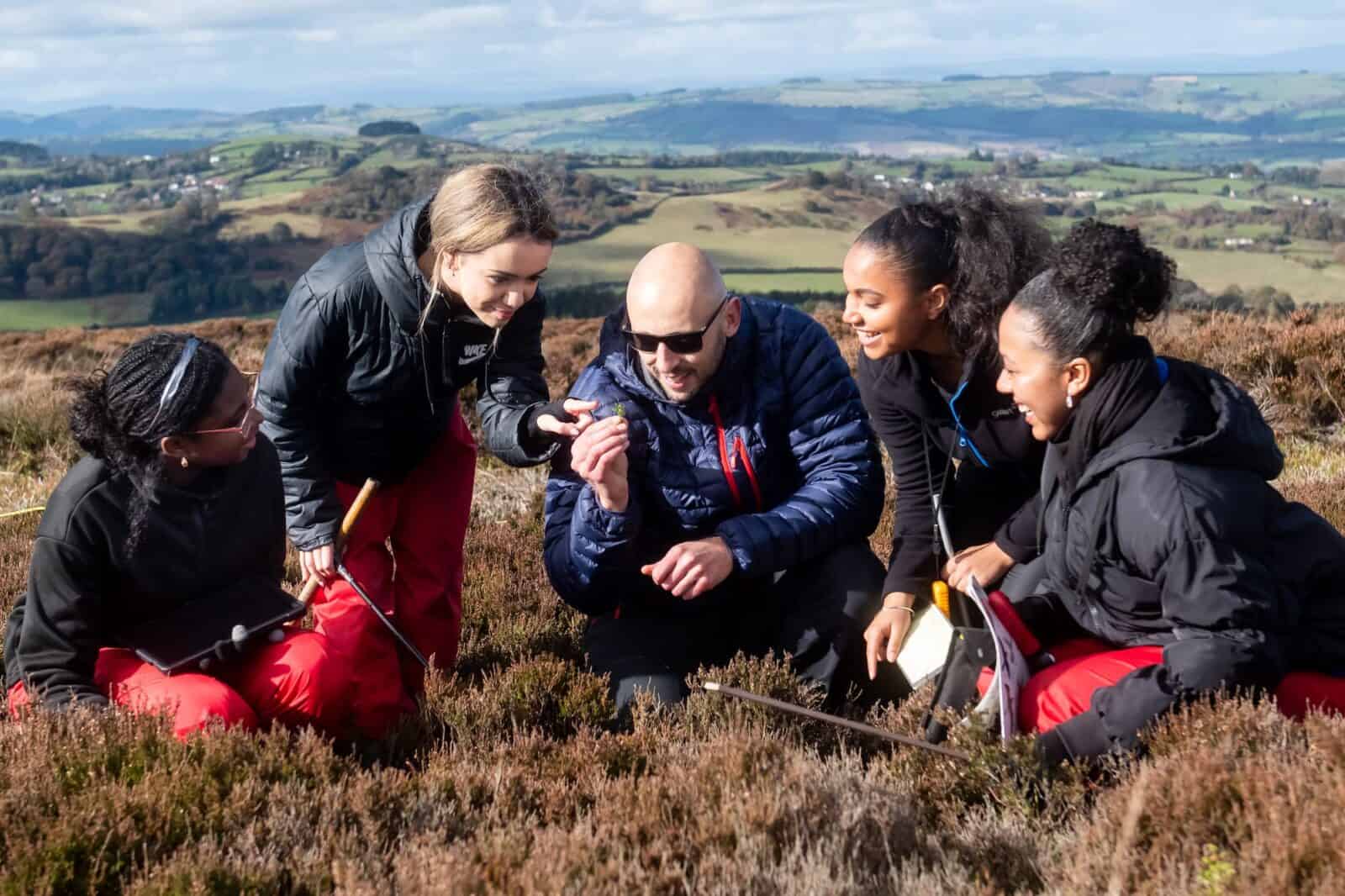
“I’m LOVIN’ this Miss. I might even go into this, you know?”
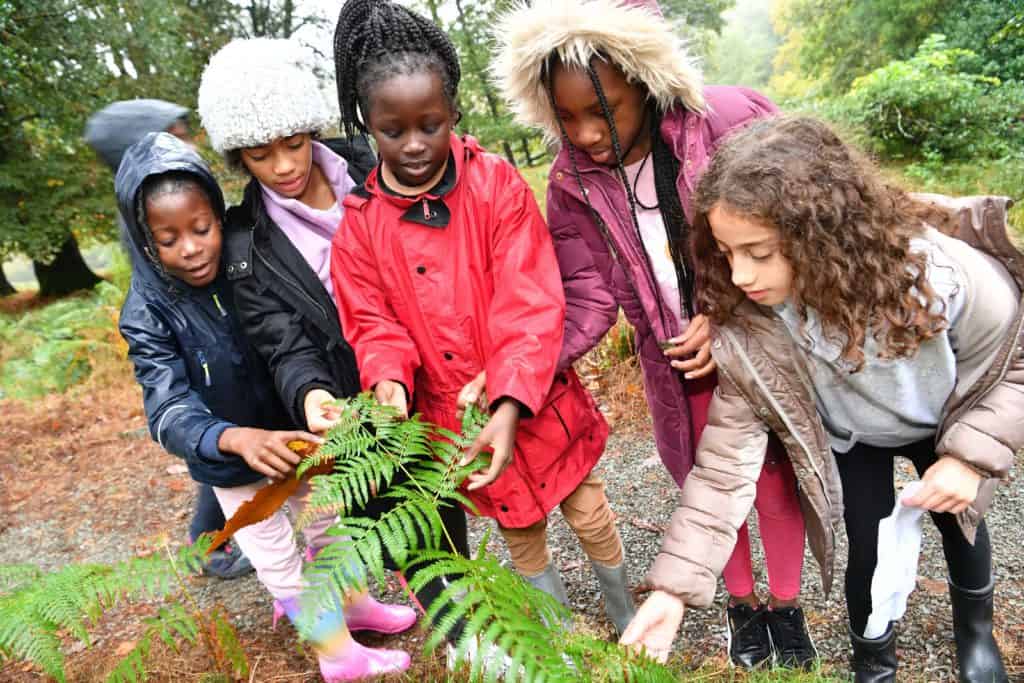
“Can we just come here for free miss? I love being here”
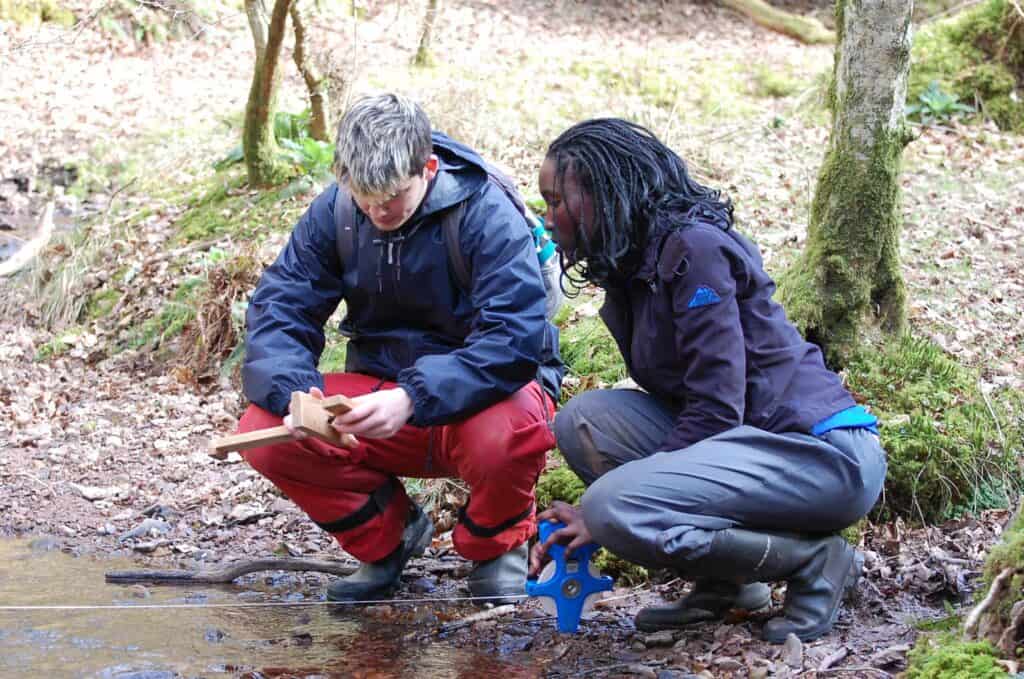
(Year 11 Biology students from one of the top 15% most deprived areas in England, enjoying a day in the woods with our experienced tutors.)
Field Studies Council have recently responded to a Select Committee Inquiry that’s looking into the Government’s Child Poverty Strategy. Here’s what we said about the role that outdoor learning can play in reducing poverty of experience, opportunity and aspiration, and where government can help make it happen.
The inquiry is looking into whether the Strategy is ambitious enough and how well it links to the Government’s work on social mobility, closing the educational attainment gap and supporting high aspirations among children and young people.
Therefore, we called on the Government to make outdoor learning a guaranteed part of the national curriculum to strengthen the aspirations of young people. We should follow Scotland in ensuring that all children – not just those that can afford it – have access to outdoor learning to reduce child poverty and improve social mobility.
Field Studies Council policy and communications officer Joy Blizzard led our submission to the inquiry. She says inequalities in children’s access to nature, green space and outdoor learning deepen the disadvantage gap and limit the aspirations of young people growing up in poverty.
“The most disadvantaged children are the most likely to benefit from more outdoor learning and residentials in particular, but at the same time are at the highest risk of missing out compared to their better off peers.
“The disadvantage gap clearly manifests itself as a gap in experience, opportunity and aspiration.
“Children in poverty have fewer if any opportunities to travel, explore beyond their local area, go on holiday, easily access green and blue space, enjoy our National Landscapes, join out of school clubs or take part in a wide range of enrichment activities or summer camps that can expand their horizons and boost their learning.”
She says outdoor learning is proven to support educational attainment, readiness to learn and wider personal development.
“There isn’t a subject on the curriculum that cannot be enhanced by outdoor learning including maths, English, sciences and the arts,” she says.
“For certain curriculum subjects such as science and geography there is no substitute for first-hand experiences of the landscapes and habitats being studied in which to develop key fieldwork knowledge and skills.
“Outdoor learning brings classroom learning to life, adding relevance to what is being studied from seeing the landscapes that inspired literature, to using climbing ropes to explore angles and algebra in maths.”
She adds that outdoor learning can transform engagement, particularly for pupils who struggle in traditional classroom settings, helping them develop wider personal and social skills and building confidence, resilience, teamwork and independence.
Previous Government-funded outdoor learning programmes in the past had been successful but remain piecemeal and unable to meet demand.
“Many children continue to miss out. The outdoor learning residential is rapidly becoming the preserve of the diminishing number of those who can afford it,” she warns.
“The Scottish Parliament have just passed the Schools (Residential Outdoor Education) (Scotland) Act guaranteeing that all school children can experience an outdoor learning residential as part of their time at school.
“Why cannot this government be similarly ambitious?”
If you would like to learn more about what we do as a charity please refer to our About Us page, or you can direct any questions you may have from the article to [email protected] and we will get in touch as soon as possible.