
Words and images by Emma Moffat (Biodiversity Training Programme Team Leader)
In June last year, I visited RSPB Saltholme to attend a Botanical Skills for Ecologists course run by the Field Studies Council with Ambroise Baker. The heart of the River Tees’ industrial landscape seems a strange location to attend a course on botany at first glance, but I was soon to find out why we were here.
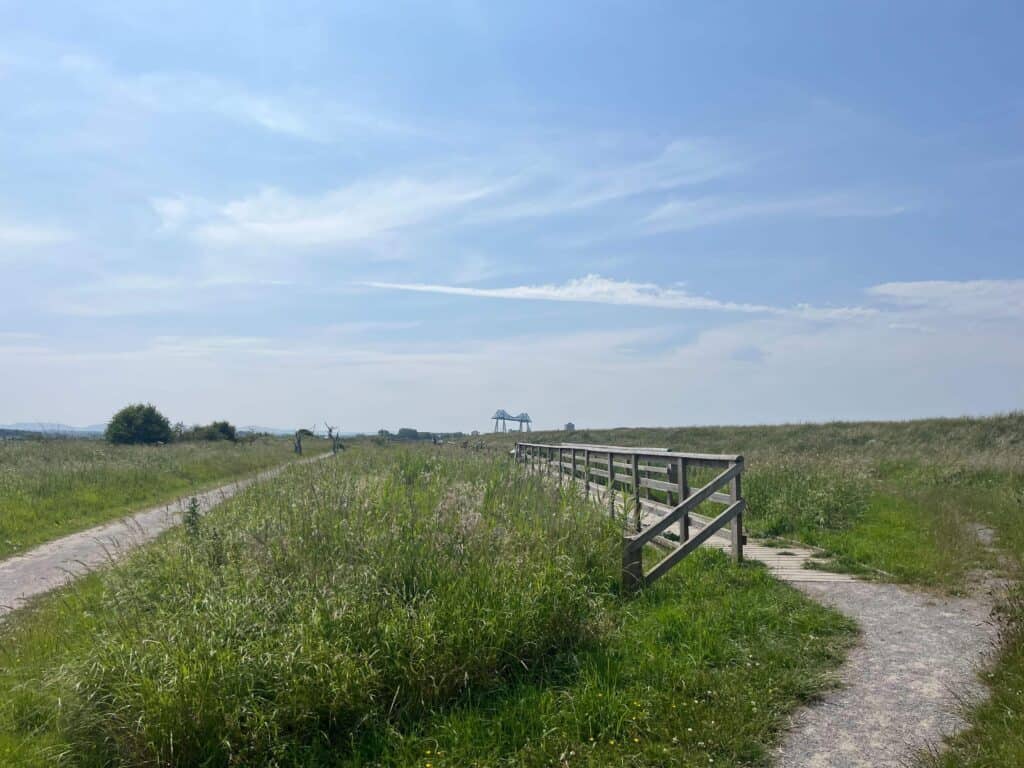
There is no doubt that there is a strong contrast between the surrounding iconic ‘Blue Bridge’ and numerous cooling towers that dominate the landscape, with the alive and thriving wetlands of the nature reserve at RSPB Saltholme. Some of the most biodiverse areas of the country are brownfield sites that were once heavily used for industry, but have now been returned to nature, and RSPB Saltholme is jam-packed with wildlife.
Even just walking to the entrance of the visitor centre, I was surrounded by a colour spectrum of wildflowers. Purple knapweed was emerging, white ox-eye daisies bobbed in the breeze, and the buds of Meadow Salsify were waiting to burst with the orange flowers that only last one day.
Despite the intense summer heat outside, the classroom was a cool refuge. I still felt connected to the buzzing nature of the reserve because the noise outside the window was astounding. So many different bird calls created an ebbing and flowing soundscape. I was so glad I took my binoculars so I could watch Sand Martins dipping and diving to feed their young that were poking out from the specially designed nest holes on a man-made cliff across the water. As the Sand Martins swiftly manoeuvred, it often felt like they were about to crash into the dragonflies darting over the pond surface.
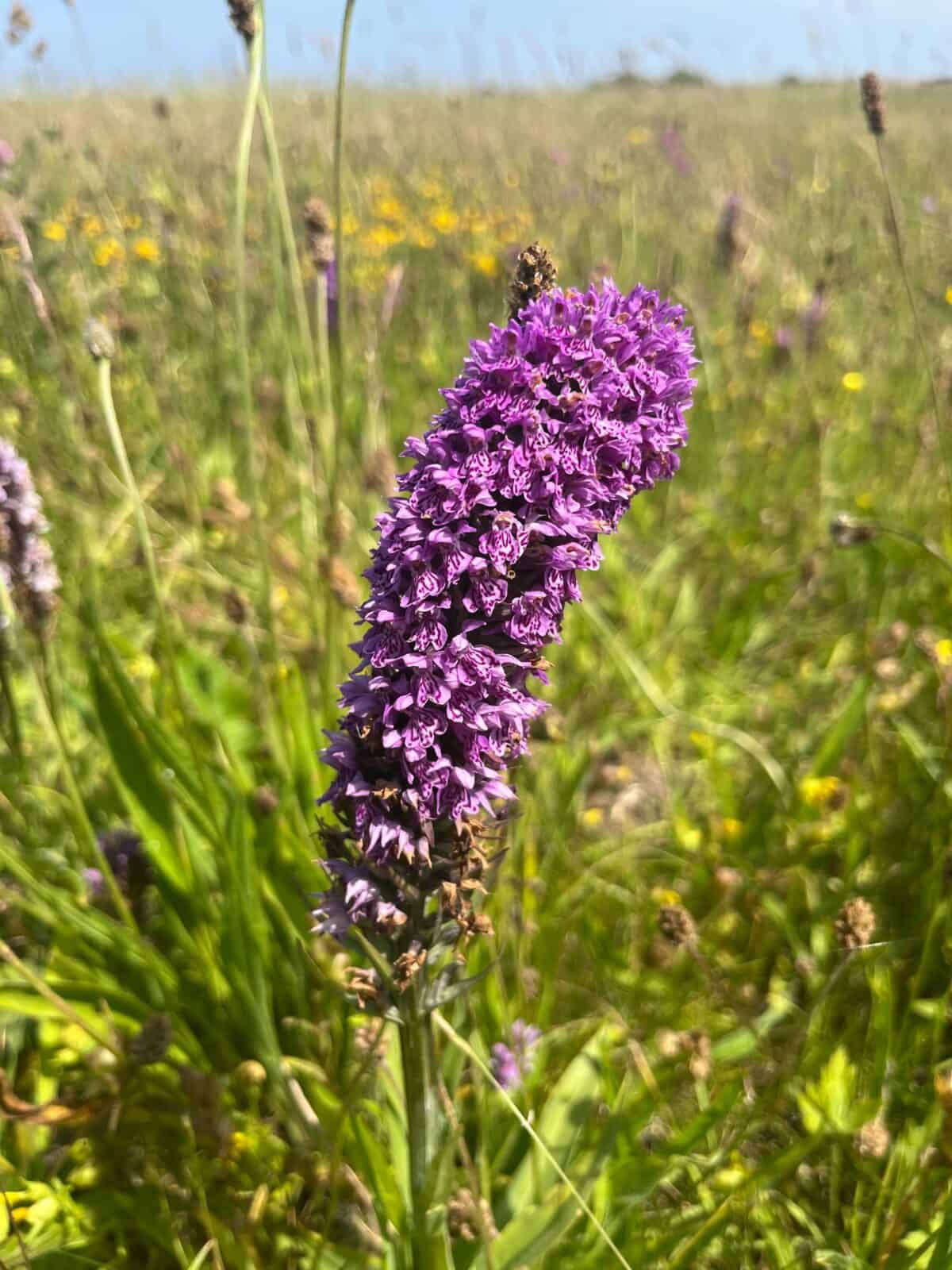
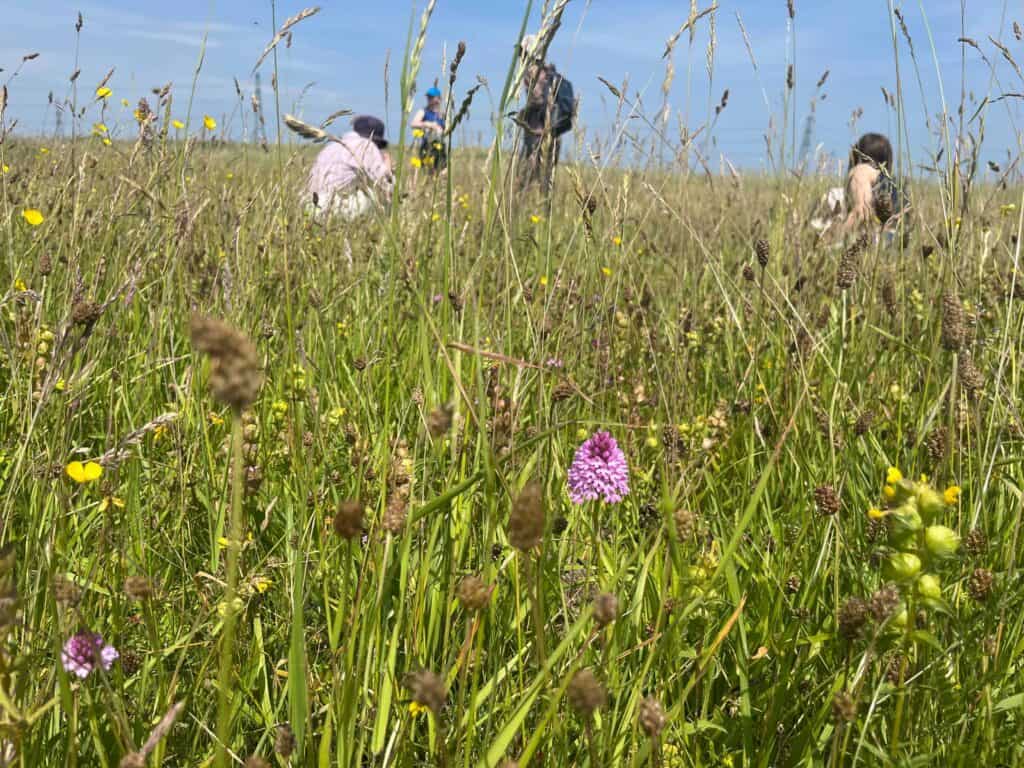
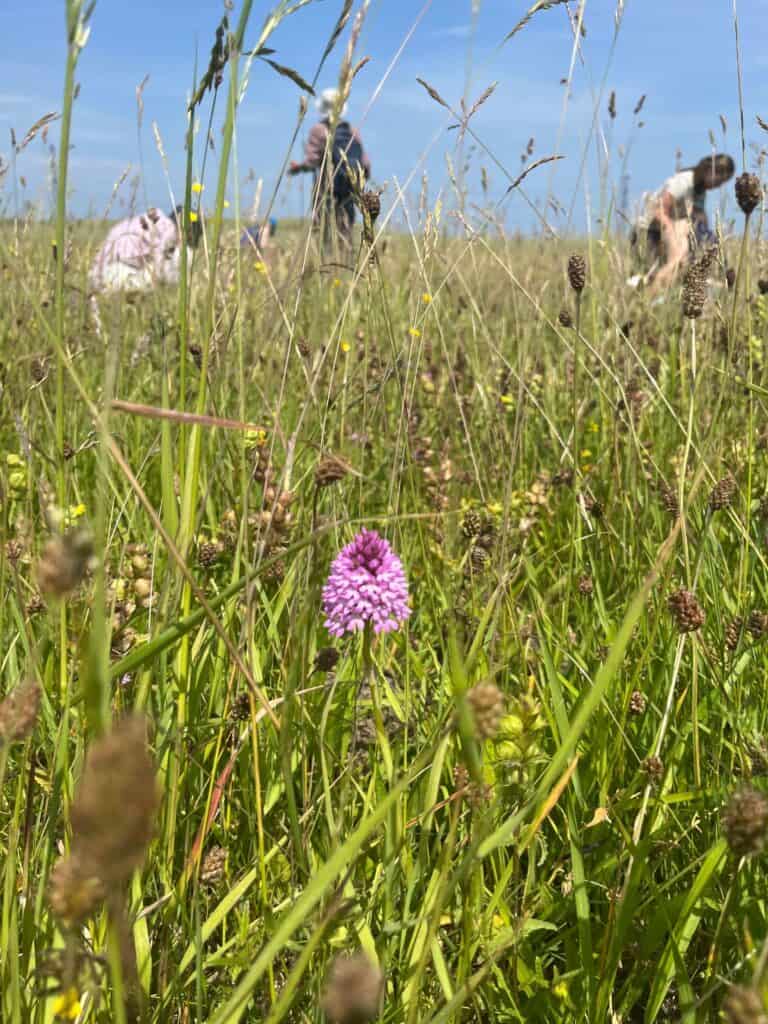
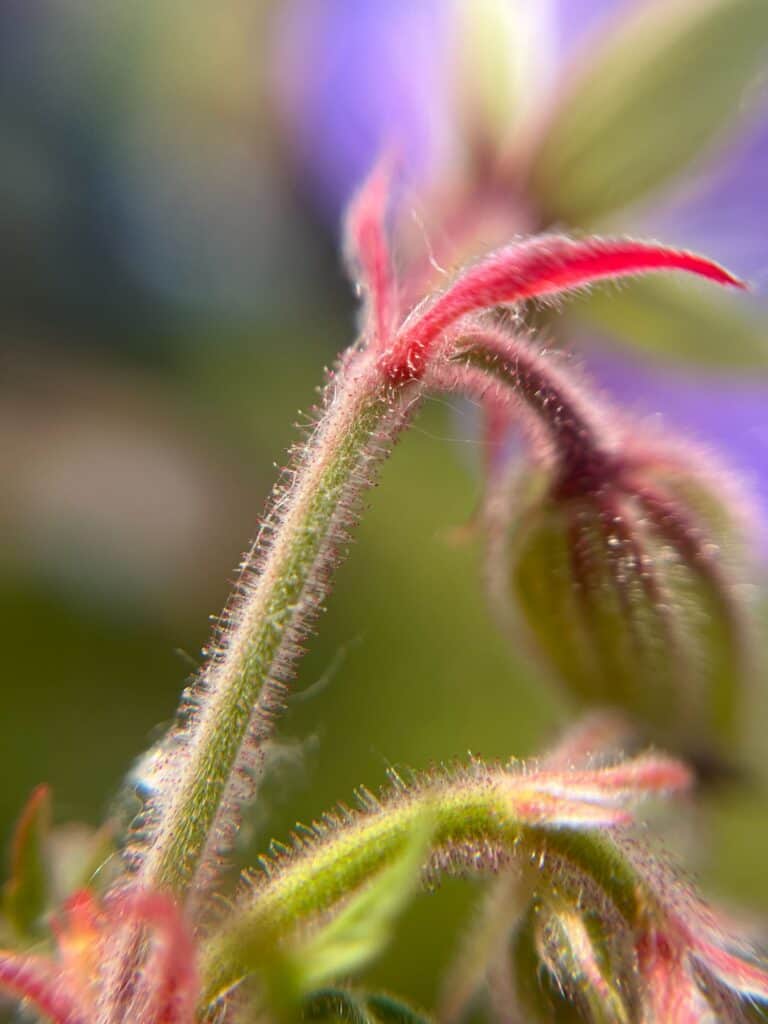
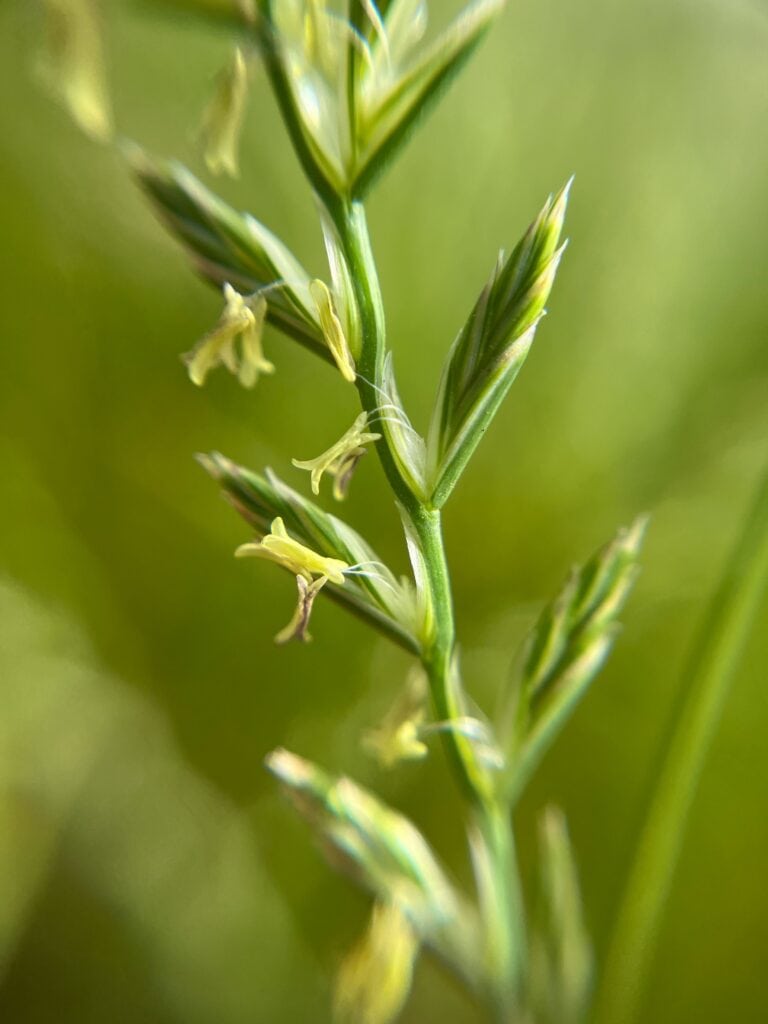
The bird life was incredible, but I was also there to be taught about wildflowers and grasses, which also did not disappoint. One field we visited was awash with the bright pinks and purples of a variety of orchids so spectacular they almost felt unreal. As well as the showy beauty of the orchids, I was astounded by peering down a hand lens at the glandular hairs of Meadow Crane’s-bill with their distinctive red ends. The humble flowers of grass species such as Tufted Hair-grass, Cocks-foot, and Perennial Rye-grass also impressed me with their simple beauty.
The surrounding area also provides many more interesting field sites to continue botanising, including woodlands, sand dunes, and a salt marsh estuary, each with its own array of different wildflowers to discover.

Find out more
You can plan your own visit to RSPB Saltholme here or see the upcoming Field Studies Council courses at this location here.