
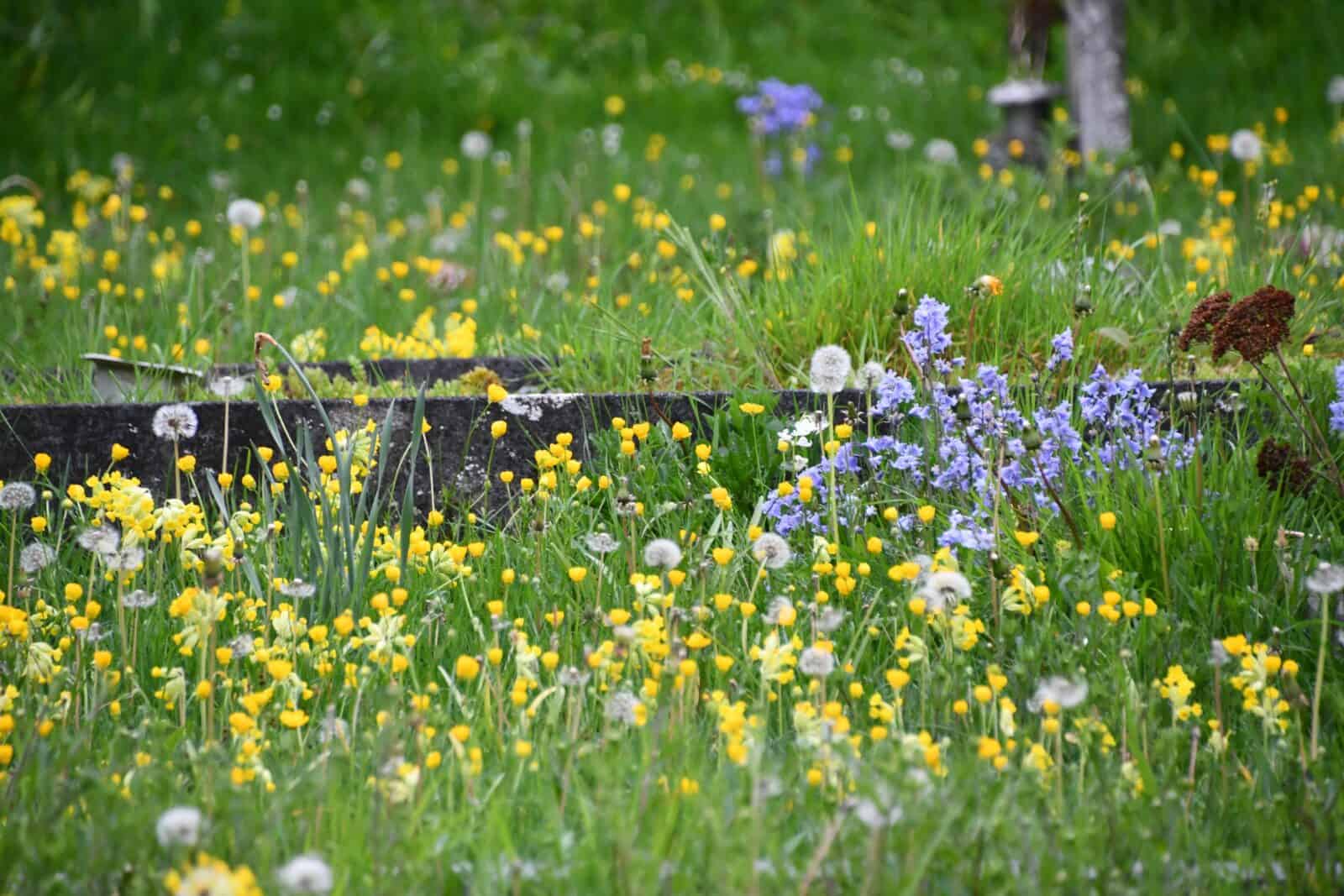
A blog by a Young Darwin Scholar, Eve Rowson.
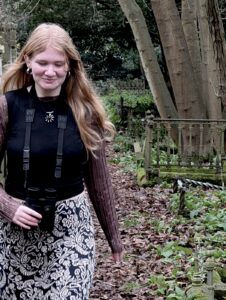
Growing up in Leighton Buzzard, I felt constantly surrounded by concrete; nature seemed just out of reach. Looking back, I can admit that I missed so much wildlife around me: flowering ivy in the spring, house sparrows communally nesting in my neighbour’s tree, the hole under our garden fence made by a badger making its way to the local park. I thought my experience with nature was very much limited to the TV without realising that I had been living alongside it the whole time, just not the way in which you would expect.
I applied to the Young Darwin Scholarship during my second year of university, hoping to get more hands-on practice in conservation whilst meeting like-minded people. I did not realise that the experience would entirely shift my perception of nature.
Attending the course in London, I got involved in bramble coppicing and birdwatching at Walthamstow Wetlands alongside their ‘Keeping it Wild’ trainees. I greatly valued meeting the trainees as they were able to offer realistic advice for my next career steps. One day was spent with EarthWatch who introduced us to the Tiny Forest project and habitat surveying methods, as well as with Wolves Lane Centre, a community co-op whose mission is to create a sustainable and inclusive green hub. Another day was spent at Regents Park doing moth traps and mapping vegetation with GPS.
However, my favourite location by far was the Natural History Museum. Here we were joined by several researchers showing us specimens from behind the scenes like Silurian trilobites, ichthyosaur jaws and a 4.2-billion-year-old meteorite.
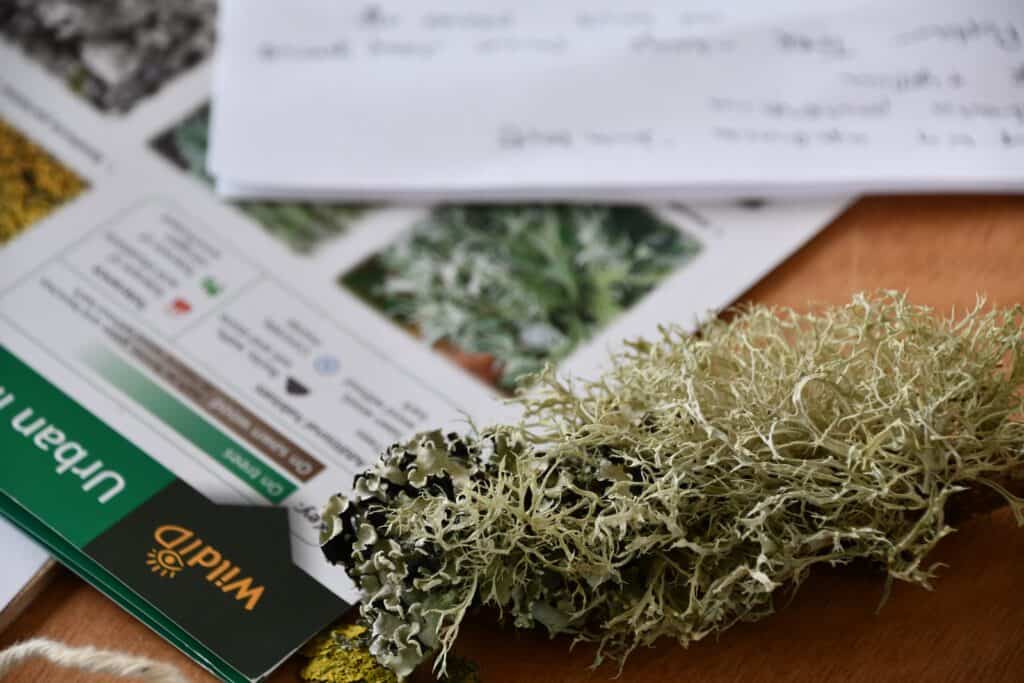
I loved hearing everyone’s passion for their subject, but it was Pat Wolsely’s infectious enthusiasm for the often-forgotten lichens that left a lasting imprint on me.
After attending her session, I immediately went home and bought a hand lens and I have been fascinated by lichens since. I love how literally everywhere you look there will be lichen; they are incredibly beautiful and diverse but unfortunately not appreciated enough despite being valuable bioindicators of historical and present air quality.
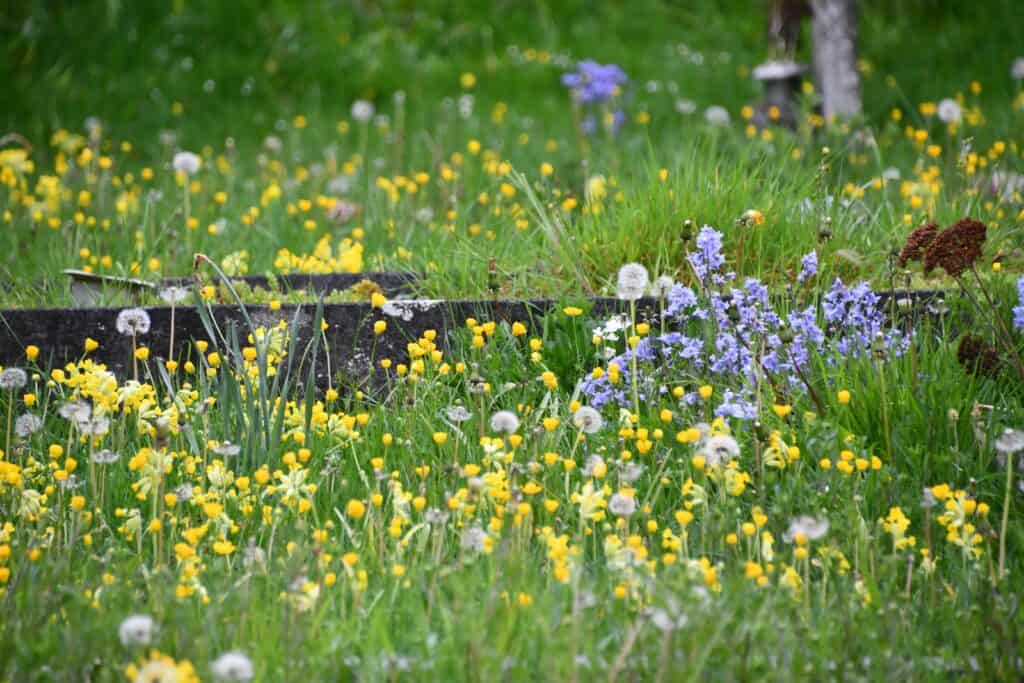
This newfound respect for urban ecology greatly influenced my continued studies in Applied Zoology at the Newquay University Centre in Cornwall. My dissertation explored how cemeteries can be utilised as unassuming refuges for avian biodiversity, looking more specifically at how their management influences this.
Cemeteries can be considered ‘urban greenspaces’: an emerging concept within conservation referring to an area of vegetation within the urban matrix including parks, allotments, gardens and sports fields.
Some are dedicated either solely or partially to creating space for nature, often in recognition of their benefits to human health and wellbeing, as well as the need to meet sustainability and environmental goals like reducing the urban heat island effect. Nevertheless, some are more unintentional like alleyways where you may find ivy, ragworts and green alkanet, and can additionally serve as corridors that decrease habitat fragmentation. Cemeteries are a bit of both: their main aim is to serve as a burial ground and memorial for loved ones, however often inadvertently become homes for wildlife. This may be because communities have an inherent respect for graveyards, reducing disturbance and threats such as litter.
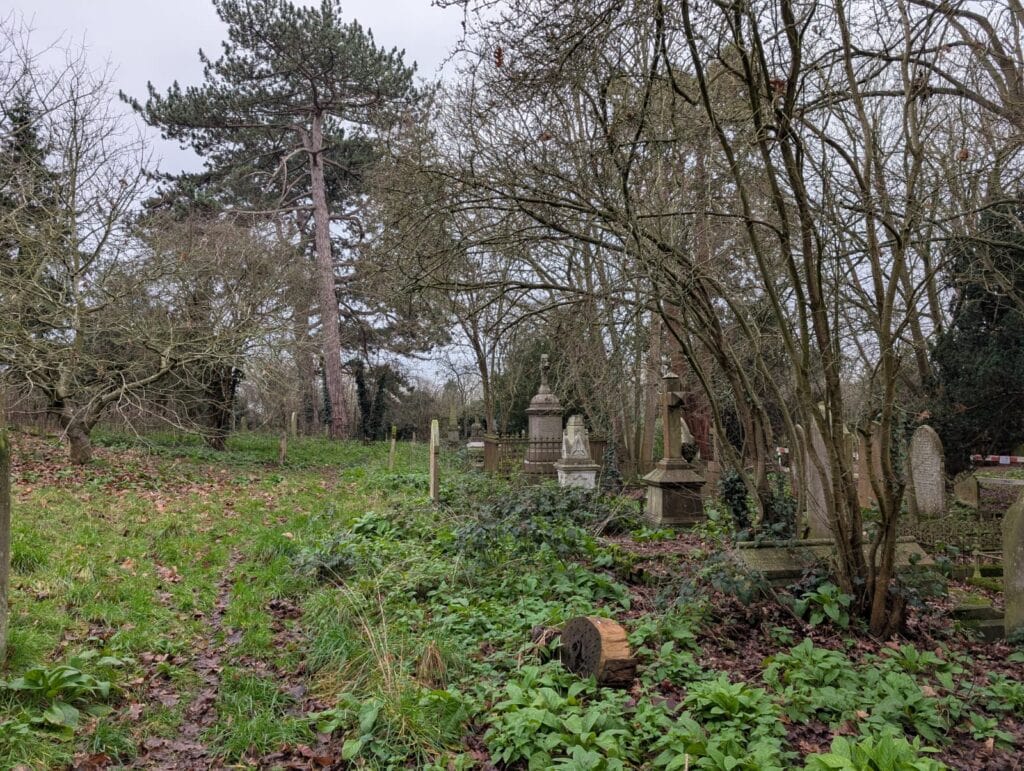
Although some people find cemeteries spooky and morbid, others like me find them peaceful and thought-provoking and very much want to protect this atmosphere. No matter how much urban sprawl takes over greenfield sites, cemeteries will always remain. When surveying one cemetery I found that a member of public had not only put up birdfeeders, but was regularly returning to keep them full, much to the delight of the goldfinches!
Something I notice when discussing the ecological importance of cemeteries with others is the misconception that it’s only the old, overgrown ones that are useful. Nevertheless, my research suggests that more managed sites actually promote increased biodiversity, whilst less managed sites, while less diverse, protect more vulnerable and urban-sensitive species like skylarks. Either way, through communication with local councils it is apparent that management decisions are made with wildlife as an afterthought and so I believe that a more environmentally conscious approach could amplify their conservation value. This could mean reducing pesticide use, planting native species or better timing cutting regimes. First though, more research is needed to better understand their ecological function.
Moving forward, I aim to continue surveying graveyards independently and am very happy to see the British Trust for Ornithology are now conducting their own citizen science ‘Birds in Greenspaces’ surveys which anyone can contribute to.

Most people are within walking distance to a cemetery, which leads us to consider their value in increasing accessibility to nature. Accessibility is vital, but in the past has been neglected. For people to respect and empathise with nature, they first need to form a connection which is often achieved through firsthand experiences. For people like me who grew up in an urban area, up until attending university, my encounters with nature were limited to documentaries, zoos and holidays. Without a car and poor public transport availability I was unable to visit dedicated nature reserves. When on the rare occasion that I could get to a reserve, I often felt out of place. I was surrounded by talented birdwatchers, people with top-of-the-range kit who seemed like they could identify everything.
Attending the Young Darwin Scholarship showed me that we all forge our own unique route into conservation: there is no set path or pace at which we are expected to engage.
Nevertheless, it is still essential for local councils, policy and decision makers, as well as the environmental sector as a whole, to start recognising the barriers people face in accessing nature and identifying ways in which a more diverse audience can be involved in conservation.
I am now a residential volunteer with the Lincolnshire Wildlife Trust where I am based at the more rural Far Ings Nature Reserve renowned for its bittern and marsh harrier populations. Interestingly though, the site is post-industrial with wet reedbeds forming in old clay pits. Previously, clay was dug out to make bricks and tiles, leaving behind impermeable pits. As water couldn’t seep through, several lakes were formed divided by causeways and reeds that need regularly strimming to prevent succession. The causeways between these pits are crucial for bitterns as they prefer to hunt for fish on the edges of reedbeds so they can quickly disappear whenever they feel threatened. It is amazing to see the transformation that Far Ings has gone through to become a haven for wildlife, and I am very lucky to be able to contribute towards its continued management. Still, whenever I visit my family in Leighton Buzzard, I don’t feel like I’ve left nature, only that I am experiencing a different side of it.
I want to continue exploring careers across the conservation sector and am hoping to also gain experience in the more human side of nature including community engagement, education and media.
The Young Darwin Scholarship made me realise that humans are just as much a part of nature and I firmly believe that as more pressure is put on our wilder habitats, urban ecosystems will become vital in preserving the amazing biodiversity the UK has to offer.
This will also bring more people closer to nature, making it feel more welcoming and accessible, hopefully increasing empathy and connection to our local urban greenspaces.
Become a Young Darwin Scholar
If you’re interested in a green career, or want to meet more like-minded people, apply for our Young Darwin Scholarship. You can find further information here.