
A new Natural History GCSE will be a defining moment for environmental education and open the door to green careers for a generation.
Today, the Government has launched a public consultation on the proposed qualification.
We previously advised the Government on the development of this new GSCE and this consultation is recognition that first-hand outdoor experience belongs at the heart of a rigorous, career-relevant education.
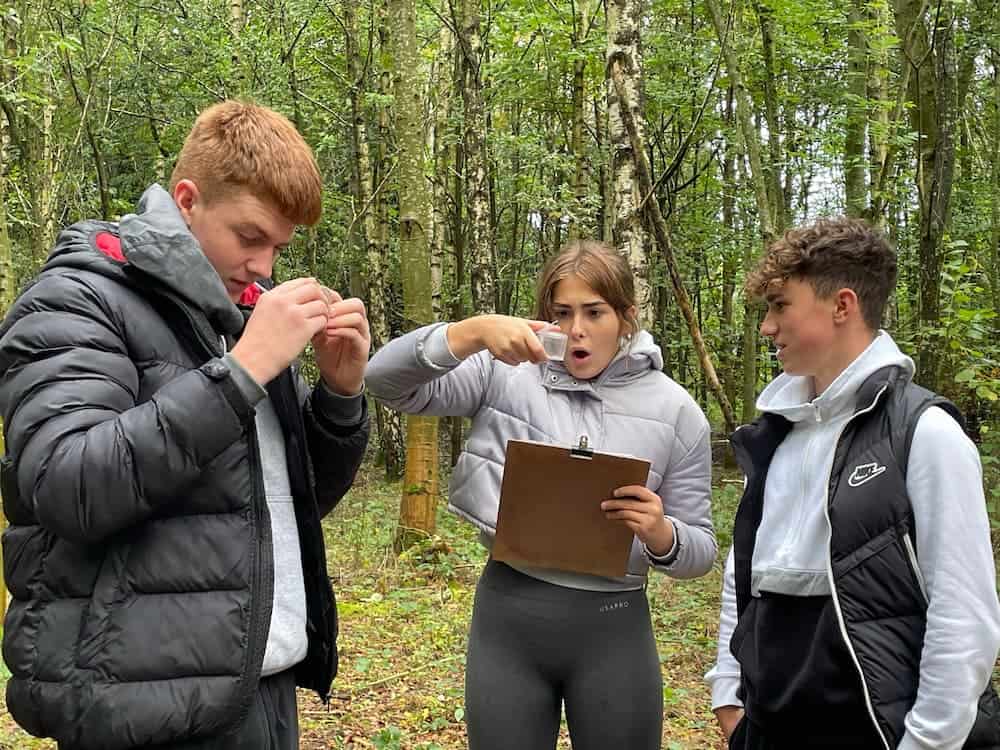
Views are being sought from pupils, parents, teachers and industry on proposed subject content covering UK habitats and wildlife, human influences on the natural world, and the science of climate change, biodiversity loss and conservation. Central to the qualification is a minimum of 20 hours of outdoor fieldwork.

Mark Castle, our Chief Executive, said the new GCSE makes a link between first-hand experience in the natural world and the green careers that are among the fastest-growing in the UK economy.
“Young people have been asking for this for a long time and it is good to see the consultation putting a clear focus on fieldwork, including the option of residential trips.
“The opportunity to spend 20 hours immersed in some of Britain’s most extraordinary landscapes, from upland moorland to coastal salt marshes, ancient woodland to freshwater habitats, is genuinely transformative.
“These are experiences that don’t just teach young people about nature, they connect them to it in a way that shapes their futures. We know from decades of experience that it is often just one day — or one week — outdoors that sparks a lifelong passion and opens the door to a career in the natural world.
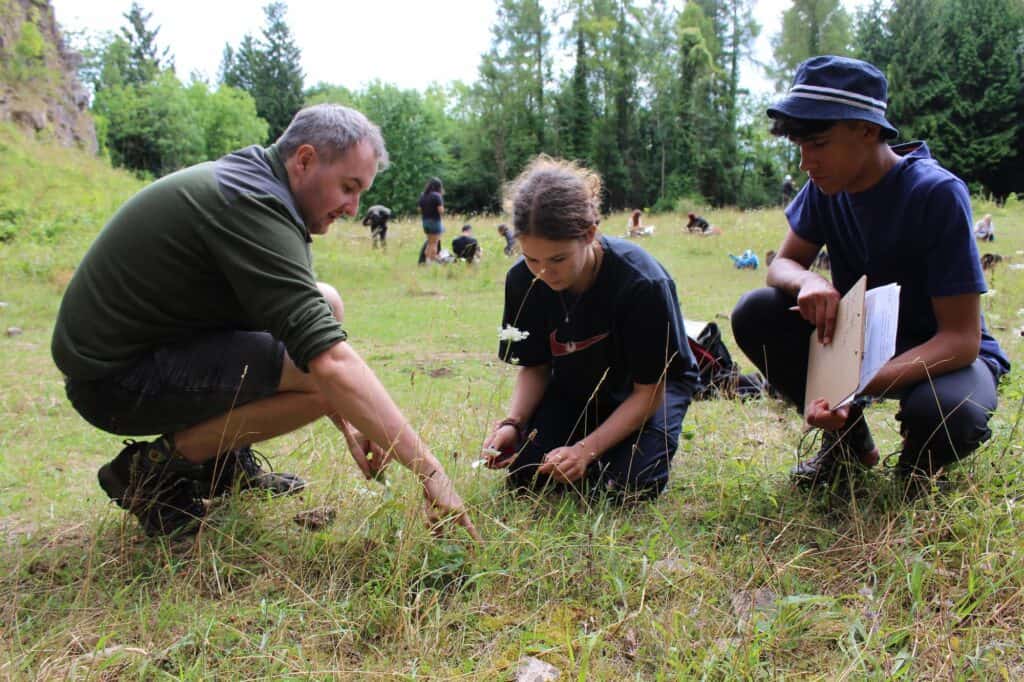
“Our tutors have the privilege of seeing those lightbulb moments when young people’s curiosity is ignited by nature and their horizon expands. Harnessing their enthusiasm and providing a new study path has come at a time when we need people with practical green skills and knowledge.”
Education Secretary Bridget Phillipson said: “This new GCSE will help students build a strong understanding of the natural world, alongside the knowledge, skills and hands-on experience to access careers in some of the UK’s fastest growing sectors.”
With around 900 UK businesses in nature-related sectors raising £2.8 billion in 2025 and supporting 21,000 jobs, we believe the qualification’s emphasis on practical skills — including data collection, statistical analysis and species identification — directly mirrors what employers in environmental science, conservation and land management are looking for.
So we are encouraging schools, educators and the wider sector to respond to the consultation, which runs until September 4, and have your say on what should be included. We will be making a full submission of our thoughts.