
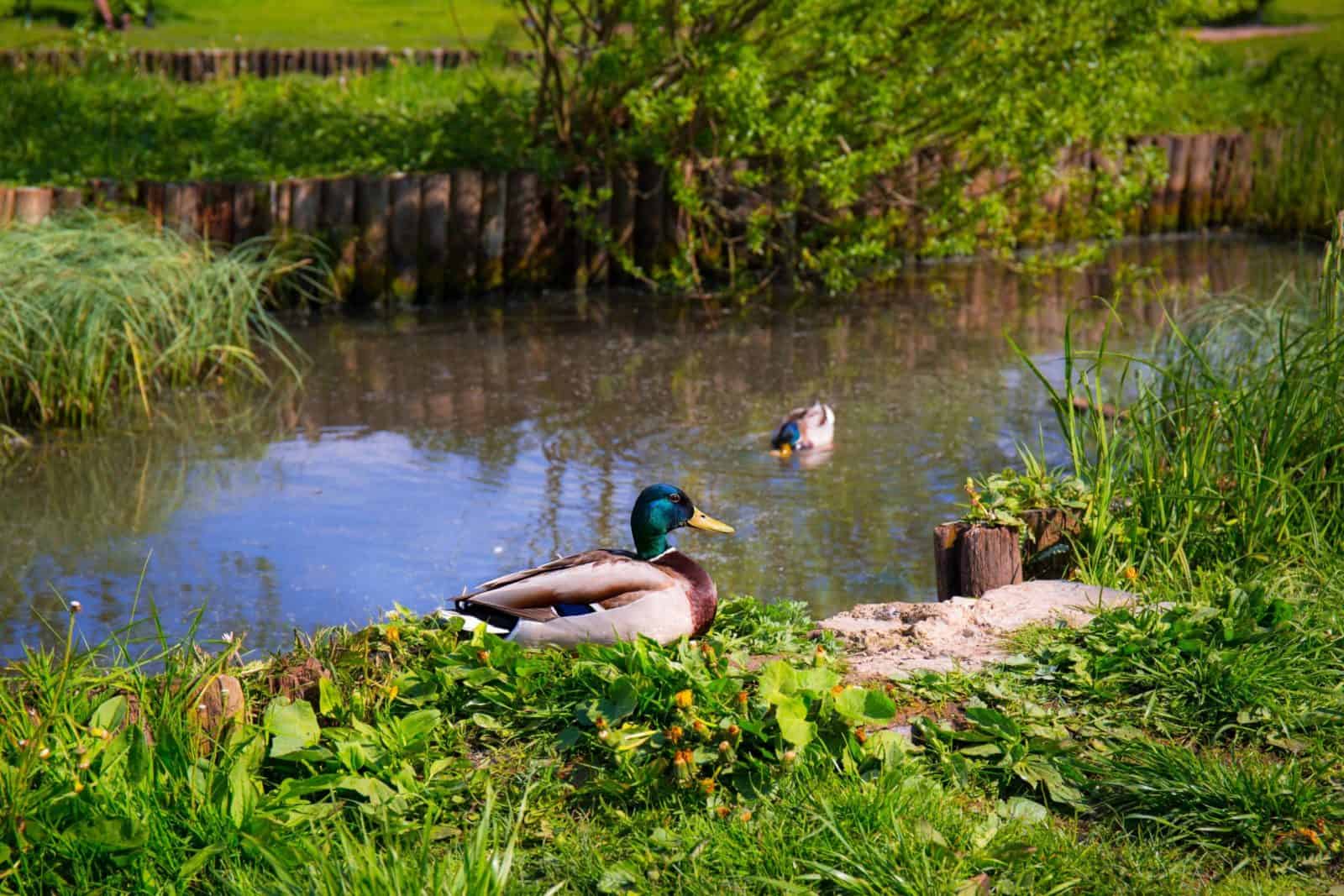
For some young people, exploring a woodland or discovering creatures in ponds is a normal childhood occurrence. For others, it is an entirely new experience that brings transformative benefits.
During a recent habitats day at our Amersham centre, pupils from Oak Green Primary School had the opportunity to experience just how powerful outdoor learning can be, particularly for pupils who face barriers to accessing nature.
Breaking down barriers to nature
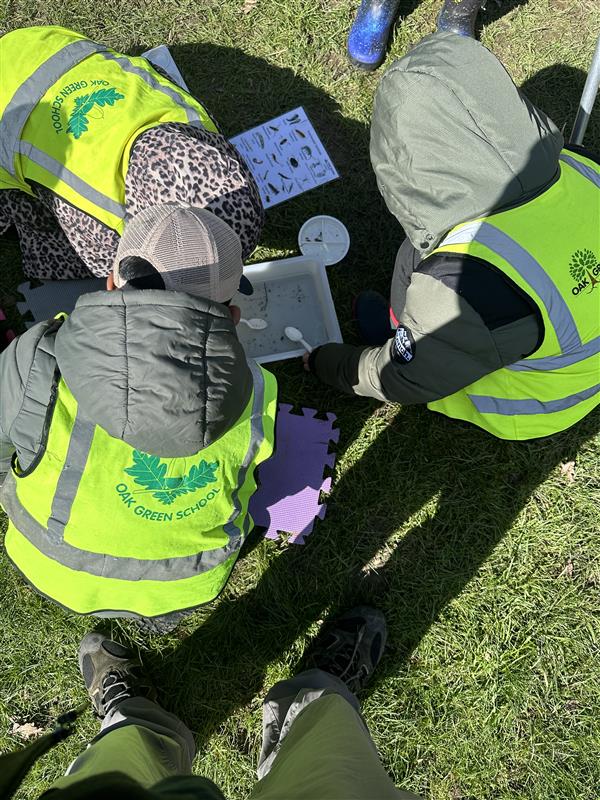
Oak Green Primary, located in one of the 20% most deprived areas in the UK, visited for a habitats day with two Year 4 classes. The school supports a high number of pupils with special educational needs and disabilities (SEND), alongside many children with English as an additional language.
Around half of the children had never visited a woodland before, and only a handful had experienced pond dipping. These gaps highlight the wider challenge, with many young people missing out on opportunities to connect with the natural world.
Our charity’s mission is to help to close this gap, giving every child the chance to explore, discover and learn beyond the classroom.
Space to explore and connect
One of the most immediate impacts of the day was the sense of space.
On arrival, pupils were excited by the opportunity to run, explore and play freely. For their teachers, this was a rare and valuable moment.
With limited space at school, it is unusual for the whole class to play together in such an open environment. Seeing pupils interact as one group, moving and learning together, emphasised the social and wellbeing benefits of outdoor learning.
Teachers also observed a noticeable improvement in behaviour, with pupils more engaged and focused than usual.
Bringing learning to life
The habitats day provided hands-on experiences that brought classroom learning into the real world.
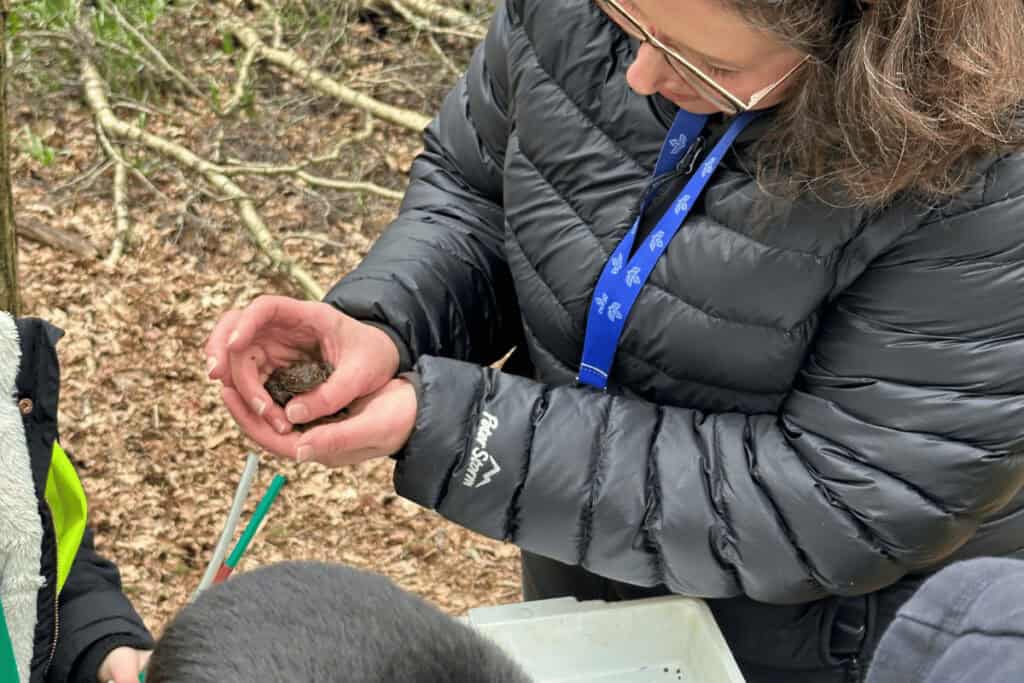
Pond dipping quickly became a favourite activity, with pupils discovering newts and other aquatic life. In the woodland, finding toads sparked curiosity and excitement.
For many, these were entirely new experiences:
“I never been in the forest before” – Yusuf
“Never been pond dipping before” – Joyseline
“Never picked up a bug before” – Bonnie May
“Best school trip of Year 4, best day ever” – Mohammed
These moments of discovery help to build lasting connections with nature, making their learning meaningful and memorable.
Supporting every learner
Outdoor learning can have a particularly strong impact on pupils with additional needs.
One pupil with high-functioning autism spent the day searching for ladybirds, remaining fully engaged throughout. Just before leaving, he found one, an experience that brought clear joy, reflected in his increased vocalisation and excitement.
This moment highlights how outdoor environments can support different learning styles, providing inclusive experiences that allow every child to engage in their own way.
Why outdoor learning matters
Experiences like this highlight how outdoor learning supports more than just academic outcomes, it helps children to:
- build confidence and independence
- improve engagement and behaviour
- develop social connections
- experience joy, curiosity and achievement
- gain a deeper understanding of the natural world
For Oak Green’s pupils, this school trip was an opportunity to experience nature for the first time, to learn through discovery, and to create memories that will last long beyond the classroom.
Ensuring more children can access these opportunities is essential—because every child deserves the chance to explore the world around them.
If you believe in the transformative power of outdoor learning, please help us to get more children outdoors.