
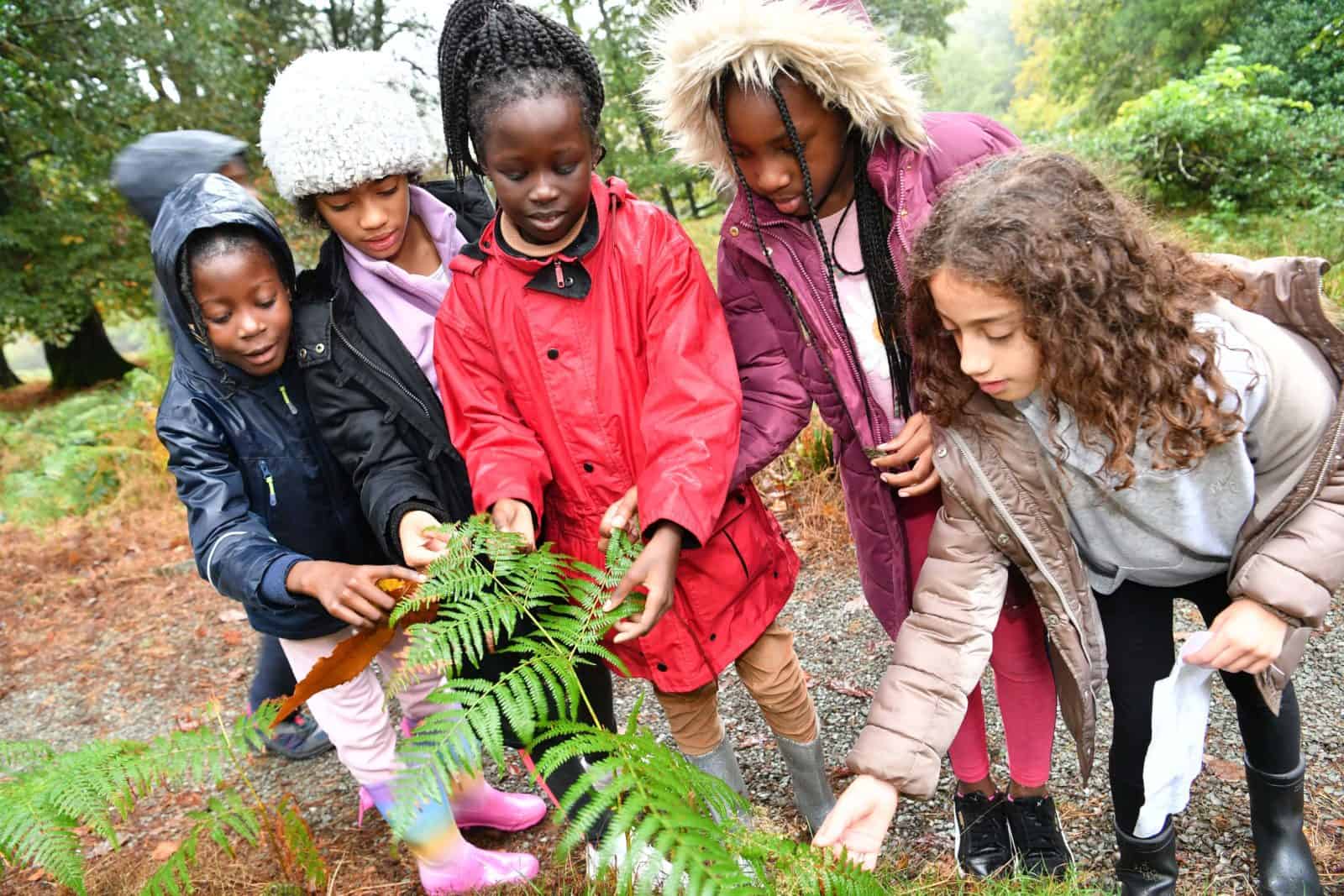
Children facing disadvantage and those with SEND are most likely to miss out as funding, staffing and transport barriers limit participation
The All-Party Parliamentary Group (APPG) for Outdoor Learning’s Access and Equity Report has found that while outdoor learning is widely recognised as valuable for children’s education, wellbeing and personal development, access to these opportunities remains uneven across England.
The report, Outdoor Learning: Access and Equity – Participation, Barriers and Opportunities, brings together evidence from national participation datasets, programme evaluations, academic research and the first APPG for Outdoor Learning Access and Equity Survey, making it one of the most comprehensive assessments of outdoor learning participation and equity undertaken in England to date.
It’s findings suggest that the primary challenge facing the sector is no longer proving the value of outdoor learning, but ensuring all children and young people can access its benefits regardless of background or circumstance.
The report found that participation becomes less equal as outdoor learning opportunities become more resource-intensive, with residential experiences representing a significant point at which participation declines. Children and young people experiencing socioeconomic disadvantage, those with special educational needs and disabilities (SEND), and those attending settings with limited organisational capacity are disproportionately affected.
Five key barriers were identified:
- Funding and affordability
- Staffing capacity
- Transport costs and availability
- Organisational workload and competing priorities
- Workforce confidence and capability
The evidence also indicates that demand for outdoor learning remains strong, with barriers arising primarily from the ability of schools, youth organisations and providers to deliver opportunities rather than from a lack of interest among children, young people or families.
Tim Farron MP, Chair of the All-Party Parliamentary Group for Outdoor Learning, said:
“Outdoor learning is vital to the educational, emotional and physical wellbeing of our young people. This report clearly demonstrates that our principal challenge is no longer in demonstrating the value of outdoor learning. The challenge is ensuring that access to its benefits is consistently and equitably realised.
“It is a tragedy that so many children miss out on these experiences. We must work together to bring down the barriers to outdoor learning so that every child can experience the joys of nature, build confidence and capability, and widen their horizons.”
The report highlights the success of targeted initiatives such as Adventures Away from Home and Generation Green, in increasing participation among underrepresented groups. However, it warns that many successful programmes are short-term and do not yet deliver the sustained, system-wide change required to address longstanding inequalities.
While the proposed Enrichment Framework presents an opportunity to strengthen outdoor learning provision through its “nature, outdoors and adventure” strand, the report concludes that entitlement alone will not guarantee participation. Continued investment in workforce capacity, organisational support and participation infrastructure will be essential if access is to become genuinely equitable.
Our Chief Executive Mark Castle added:
“At Field Studies Council, we believe that every young person should have the opportunity to experience the benefits of learning outdoors, regardless of their background or circumstances. As a charity, widening access to nature and outdoor learning is at the heart of our purpose.
“Through our involvement in Generation Green and Adventures Away from Home, we have seen first-hand the difference that funded opportunities can make, helping young people who might otherwise miss out to experience outdoor learning and residentials. These programmes have shown what is possible when barriers to participation are actively addressed.
“This report is an important reminder that we now need to build on that progress. Our ambition must be to make outdoor learning a meaningful and accessible part of every young person’s education, not an opportunity determined by where they live, the school they attend or what their family can afford.”