
Alongside academic achievement, schools today play a vital role in supporting a child’s personal development, wellbeing and providing meaningful enrichment opportunities.
Rather than treating these priorities as separate objectives, high-quality outdoor learning brings them together in a way that feels authentic, engaging and memorable for learners. We believe some of the most powerful learning happens in nature. By taking learning outdoors, students can connect with the natural world in meaningful ways, bringing lessons to life through real experiences and discovery.
When delivered through a holistic approach, as explained in our Theory of Change, outdoor learning can strengthen curriculum knowledge, develop essential skills, build confidence, promote inclusion, provide enrichment and foster a lasting connection with nature, often within the same experience. This is why outdoor learning continues to play an increasingly important role in supporting the whole child.
Bringing the curriculum to life
One of the greatest strengths of outdoor learning is its ability to make learning tangible. Instead of encountering concepts solely through textbooks, learners experience them first-hand in real environments.
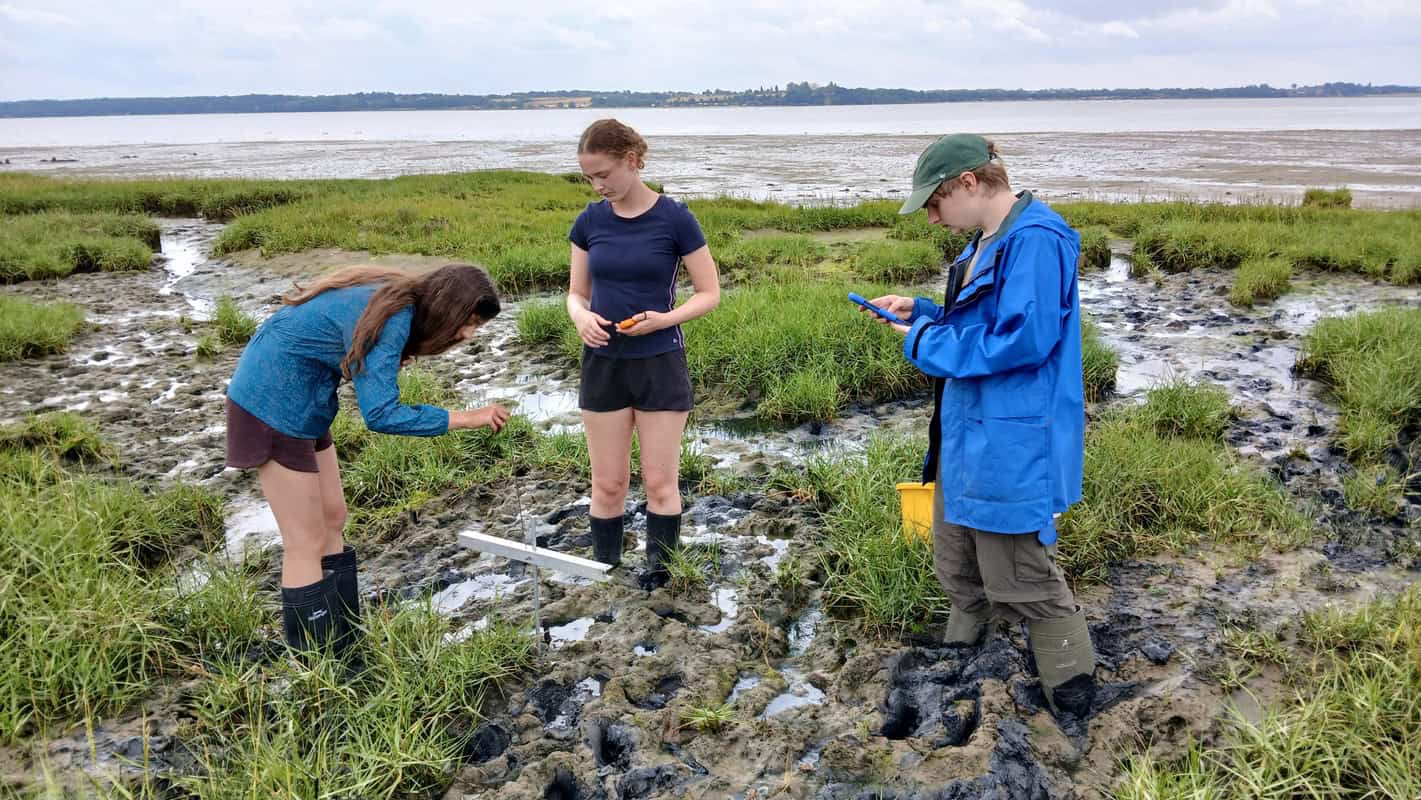
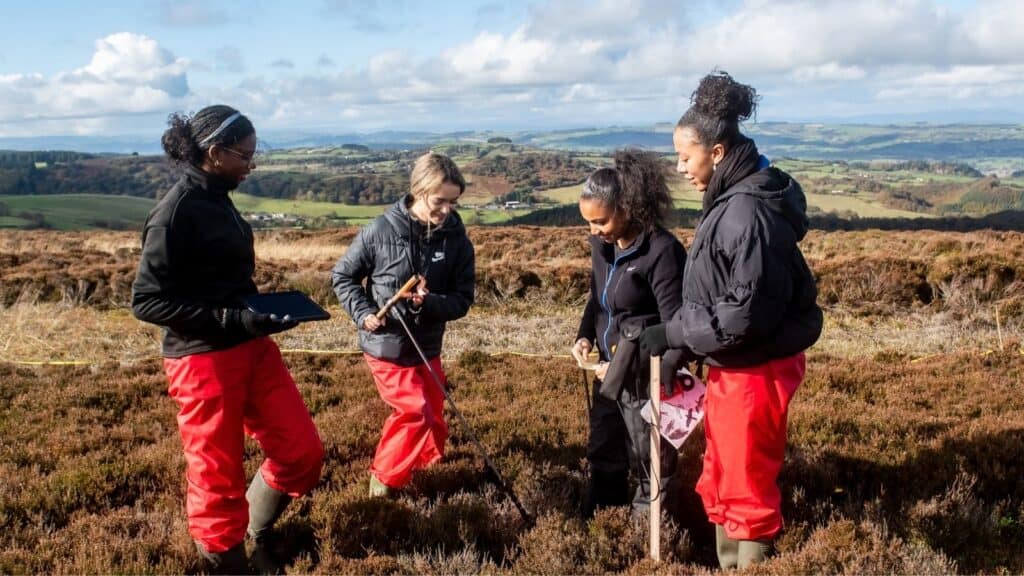
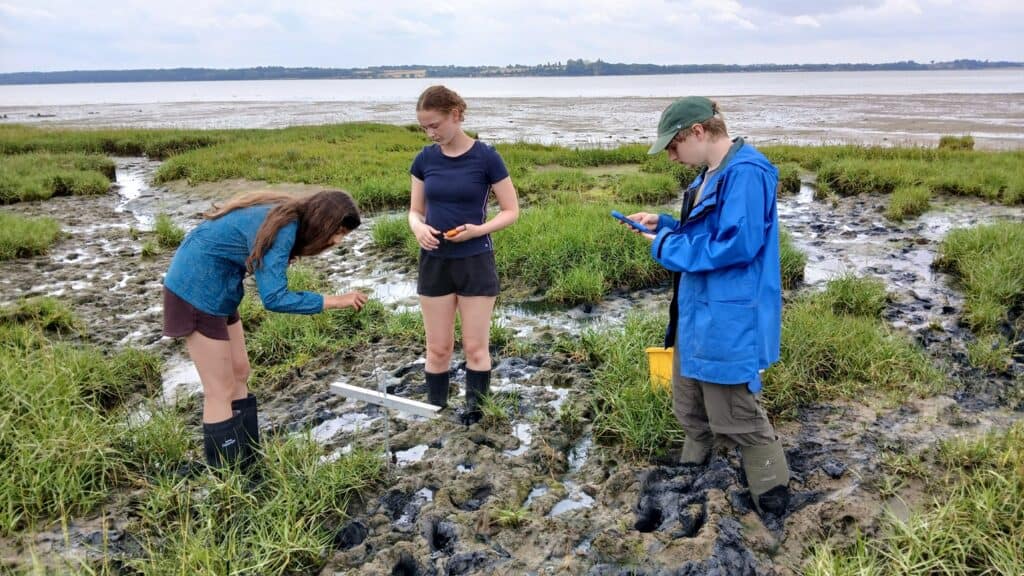
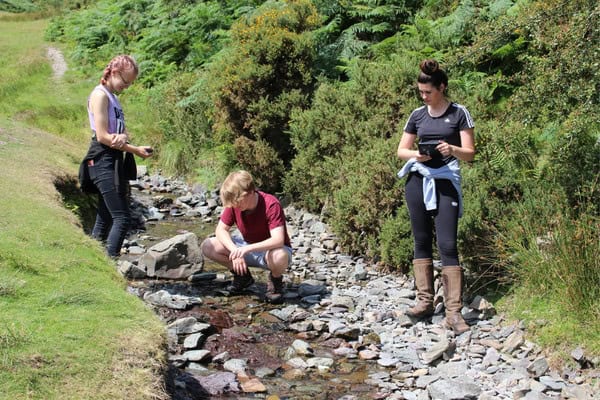
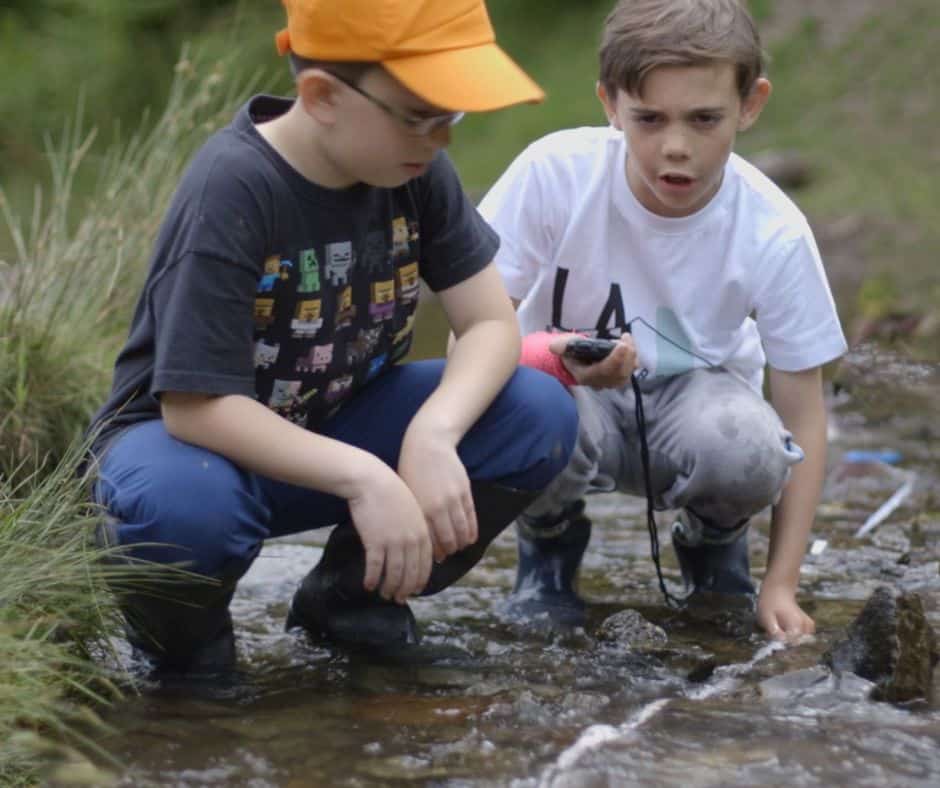
For secondary students, outdoor learning provides opportunities to develop practical fieldwork skills, for example to prepare for Geography NEAs or complete required practicals in Biology and build confidence in independent enquires. Moving from reading about rivers in a classroom, to standing in flowing water measuring its depth and speed, students will feel the force of the current, understanding first-hand how a river shapes the landscape around them.
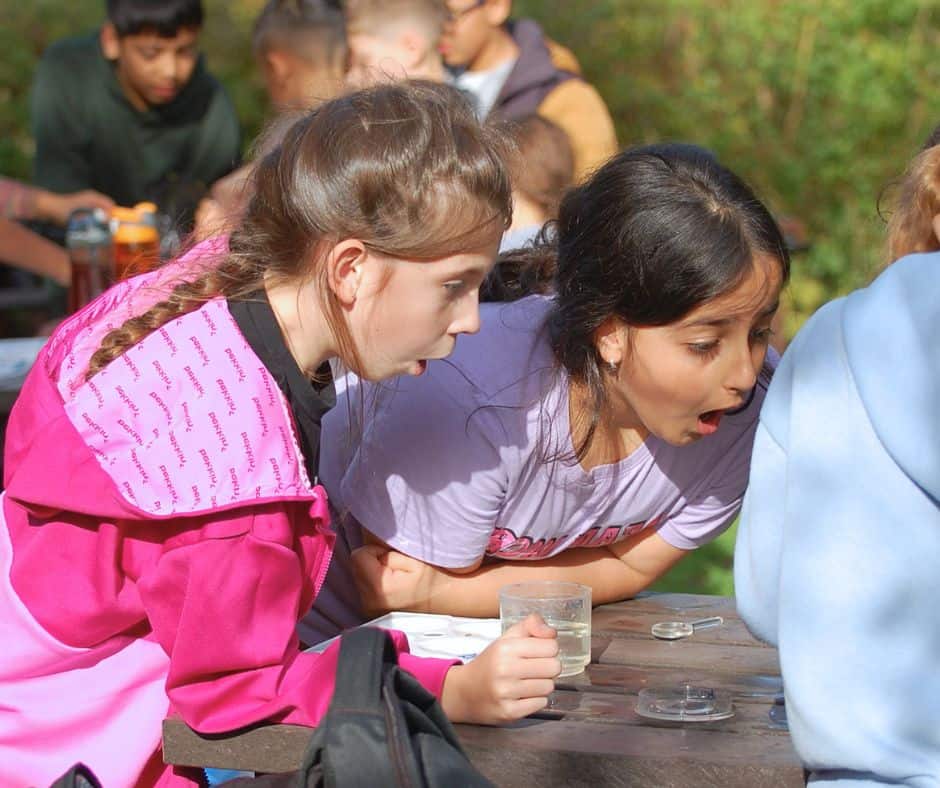
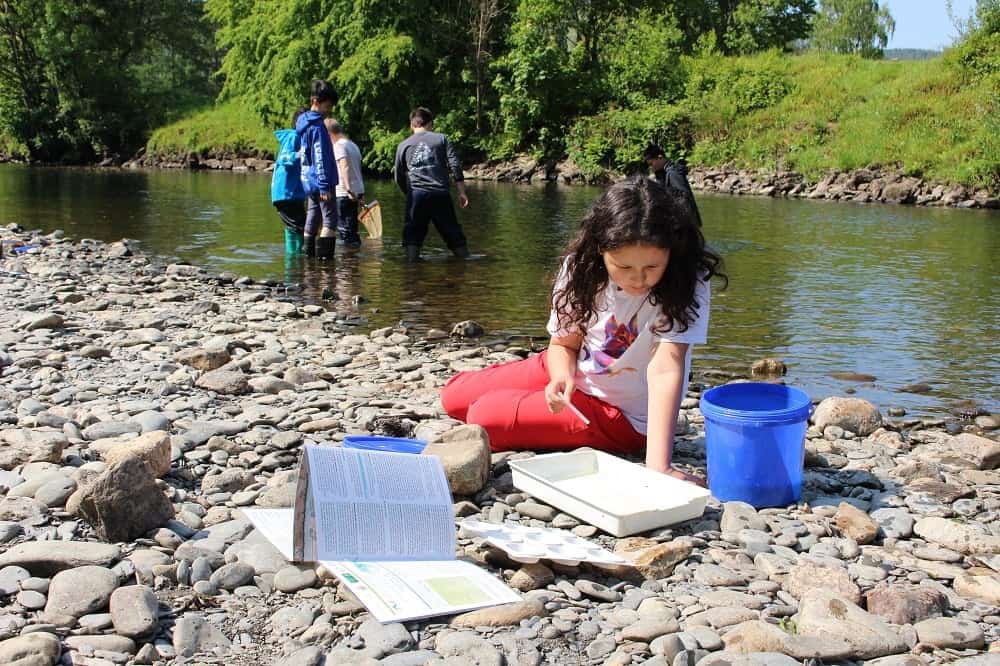
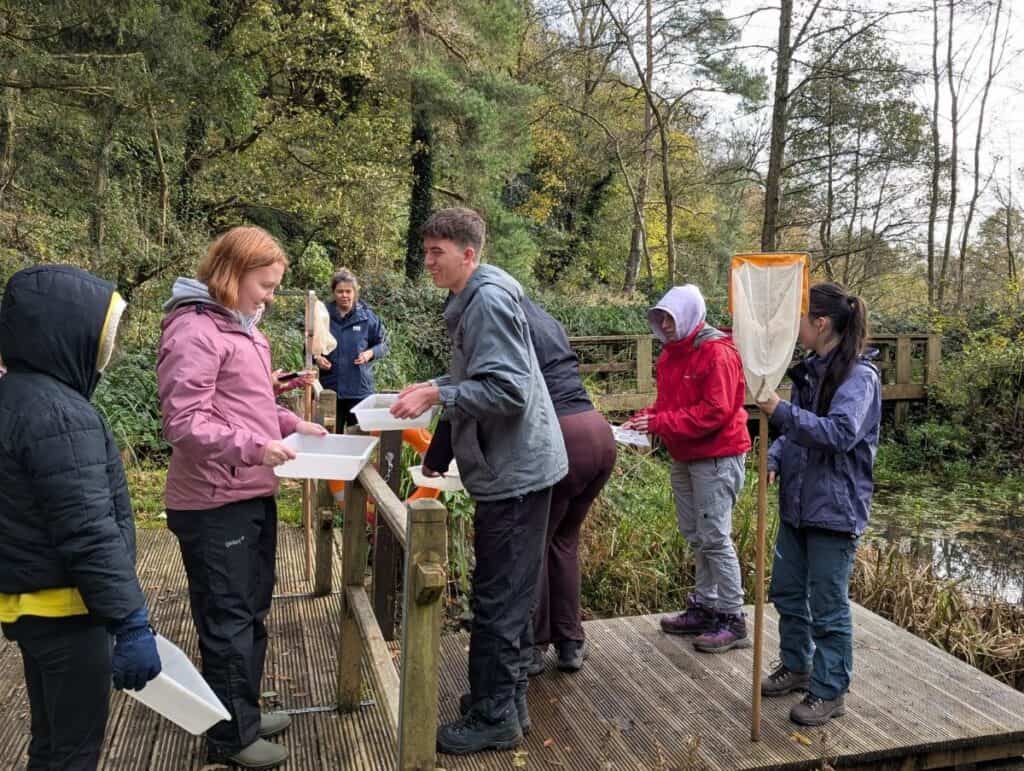
For younger learners, outdoor experiences create meaningful links between classroom topics and real-world contexts. A lesson on habitats can suddenly make sense, as they discover for themselves creatures hidden beneath the water’s surface, and find minibeasts living under up-turned logs.
Learners experience the world through exploration, discovery and fun. Hands-on activities help deepen understanding, build knowledge and create memories that last.
Research and experience consistently show that learning becomes more meaningful when pupils are actively involved. Investigating habitats, exploring geographical processes or solving problems outdoors allows learners to apply knowledge in context, strengthening understanding and improving recall.
Supporting knowledge retention and deeper understanding
Teachers often talk to us about helping learning “stick”. Outdoor learning is particularly effective because it engages multiple senses and creates memorable experiences that students can connect back to classroom teaching.
Hands-on learning helps reinforce understanding and improve knowledge recall by connecting learning to real-world environments and lived experiences.
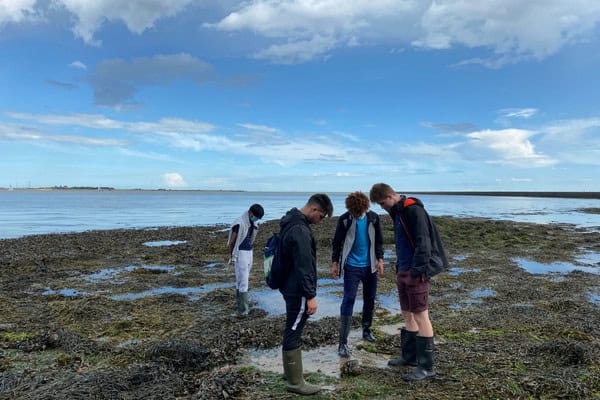
As children investigate concepts for themselves they are more likely to remember and apply what they have learned. Whether measuring coastal processes, sampling biodiversity or exploring ecosystems, learners move beyond passive learning and become active participants in the process.
As one teacher reflected:
“Students felt prepared for their GCSEs and thought it made their textbook come to life.”

Developing skills for life
Education is about more than academic achievement. Schools also play a vital role in helping young people develop the confidence, resilience and interpersonal skills they need to thrive.
Outdoor learning naturally creates opportunities for personal growth. New environments and achievable challenges encourage learners to step beyond their comfort zones, take responsibility and discover what they are capable of.
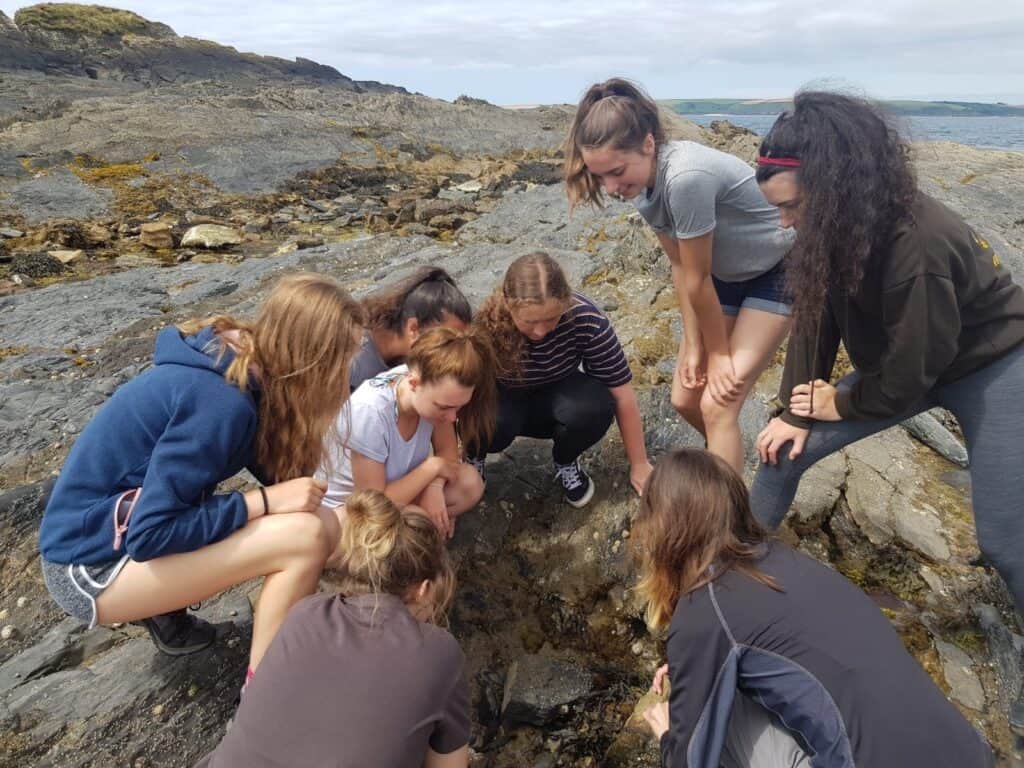
For primary pupils, outdoor learning can strengthen communication, collaboration and problem-solving skills through shared experiences and teamwork.
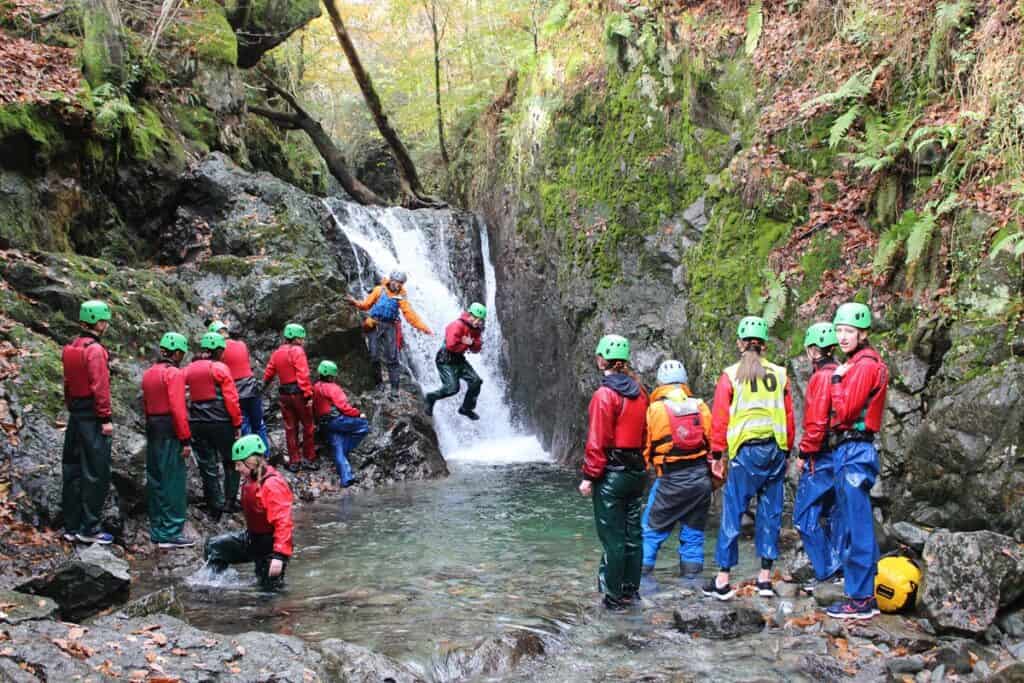
For older students, residential experiences can help develop independence, resilience and self-belief while encouraging young people to work collaboratively with their peers.
“I learnt how to communicate with people in different situations and come up with ideas as a team. I enjoyed the high ropes and also enjoyed canoeing.
This was really nice experience.”
Primary school pupil
Enrichment that supports the whole child
Outdoor learning is a highly effective form of enrichment, delivering educational, social and personal development benefits through a single experience.
The Department for Education’s Enrichment Framework highlights the importance of providing opportunities that help young people develop their interests, skills, character and sense of belonging. Outdoor learning supports many of these priorities at once, helping pupils build confidence, resilience, wellbeing and teamwork while engaging with the natural world.
Our courses are designed to broaden horizons and expand experiences beyond the classroom, helping pupils discover new strengths, aspirations and interests. Enrichment is essential for achieving both curriculum and personal development goals simultaneously.
Creating opportunities for every learner
A truly holistic approach to outdoor learning must also be inclusive.
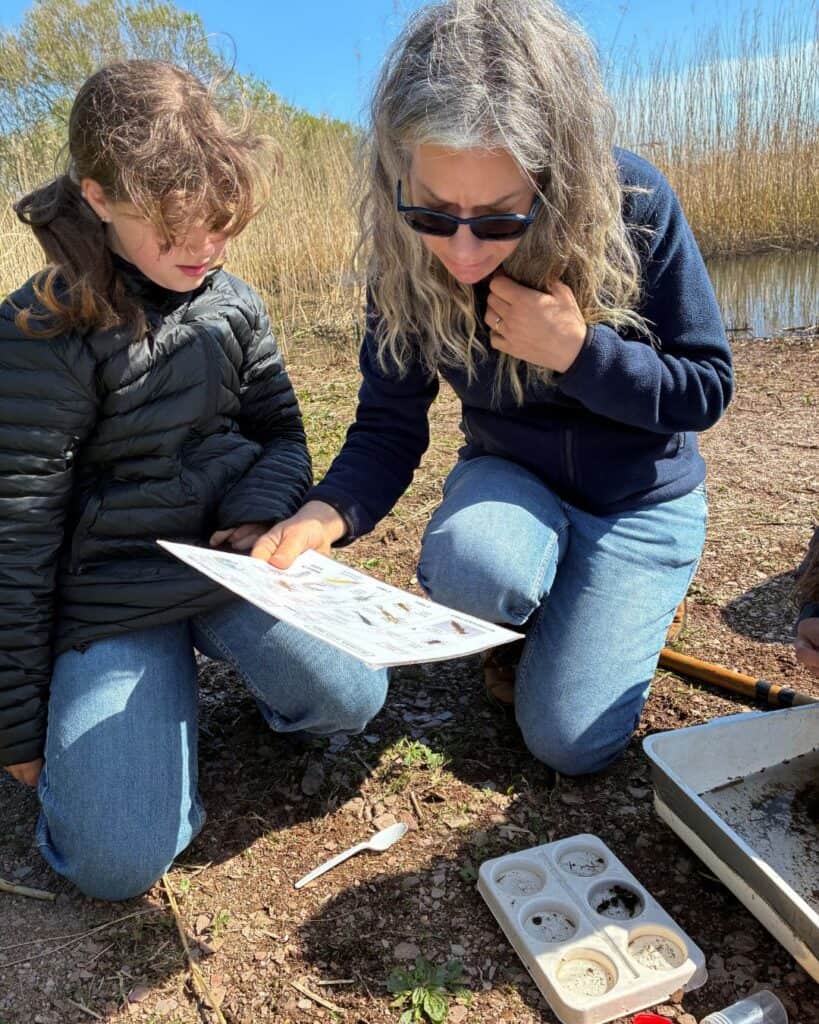
Every learner deserves the opportunity to participate, contribute and succeed, regardless of background, ability or additional needs. We work with schools before visits to understand learner needs and identify adjustments that help students get the most from their experience.
Experienced tutors regularly support learners with a wide range of needs, including physical disabilities, sensory impairments, and neurodiversity. Activities, equipment, routes and learning approaches can be adapted where appropriate to help remove barriers to participation.
Our commitment to inclusion creates a supportive learning experience, where every learner can participate, progress and achieve, and builds the group connection as a whole. Teachers consistently highlight the value of this approach:
“Staff exceeded expectations and were exceptionally helpful in adapting to our students’ needs.”
“The instructors that took our groups were fantastic. They knew how to support and engage a wide range of children and their needs.”
When all learners feel included, valued and able to contribute, outdoor learning becomes more than an educational experience, and becomes a place where belonging and success can flourish.
Strengthening learners’ connection with nature

Alongside curriculum outcomes and personal development, Field Studies Council offers the opportunity to build meaningful connections with the natural world, something increasingly important in today’s tech driven landscape.
Time spent outdoors encourages curiosity, observation and reflection. Learners develop a deeper understanding of natural systems and begin to understand their own place within the environment. The natural pace of being outdoors also encourages learners to slow down and reflect – something we deliberately invite into their time with us.
This connection matters not only for environmental awareness, but also for wellbeing. Spending meaningful time outdoors can help learners feel more engaged, motivated and inspired while fostering a lifelong appreciation of nature. Everyone likes to feel part of something, and this helps our visitors understand how they are part of this too.
A single experience with lasting impact
We are passionate about delivering impact for every child. Learners return to school with stronger subject knowledge, greater confidence, improved relationships and a deeper understanding of the world around them. They develop skills that support examination success while also gaining experiences that shape them as individuals.
In a crowded curriculum, outdoor learning offers something increasingly valuable. Our holistic approach supports many of the goals schools are striving to achieve, while helping every learner flourish.
To find out more about our courses, or discuss how we can work towards achieving objectives for your group, get in touch:
Please contact us with your enquiry
"*" indicates required fields