
Young people have called for green careers and nature connection to play a bigger part in government plans to tackle the number of 16-24 year-olds not in education, employment or training (NEET).
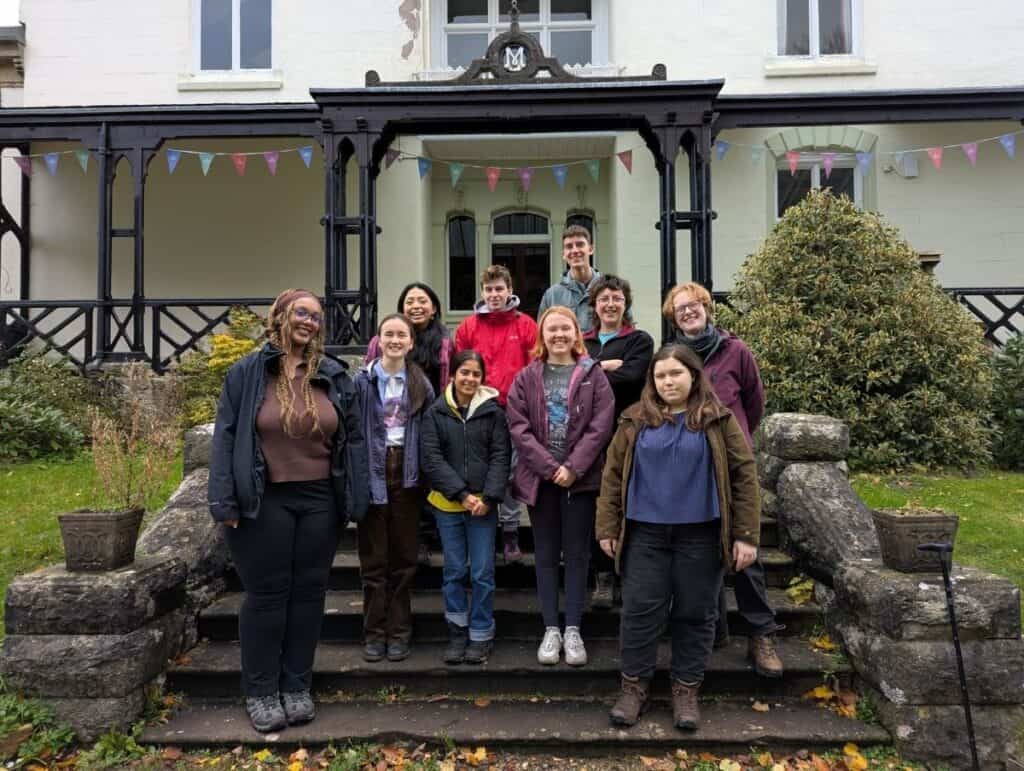
Members of Field Studies Council’s Youth Panel have responded to Alan Milburn’s report which sets out a 10-year plan to bring the NEET rate down to around 5%.
They welcomed its ambition and its recognition of outdoor activity, but said environmental education, nature-based learning and green careers had been largely left out.
The panel gives young people aged 16-25 a say in how our charity provides outdoor learning, while building skills for work such as decision making, understanding policy and taking part in meetings.
Panel member Lucas Brendon, 17, described the report as “a once-in-a-generation opportunity to act”. He pointed to Mr Milburn’s warning that artificial intelligence, automation and the move to a lower-carbon economy will change the jobs available to young people.
He said: “If we, as a society, truly believe that we need to be training young people for the future that must involve preparing young people for a green career. Yet, environmental, ecology and nature-recovery roles are largely absent from his sector proposals.”
Lucas welcomed the report’s call for a knowledge-rich education to sit alongside outdoor activity, but warned it needed to go further.
“Leaving outdoor learning, however, as a mere aspiration means that exam-pressured schools will continue to treat nature education as an optional extra despite it providing opportunities for children to grow and discover themselves.”
He also called for green social prescribing to be recognised alongside sport and the arts as a way of supporting young people’s mental health, and said unpaid internships and volunteering “routinely lock out working-class, disabled, LGBTQ+, and ethnic minority young people” from environmental careers.
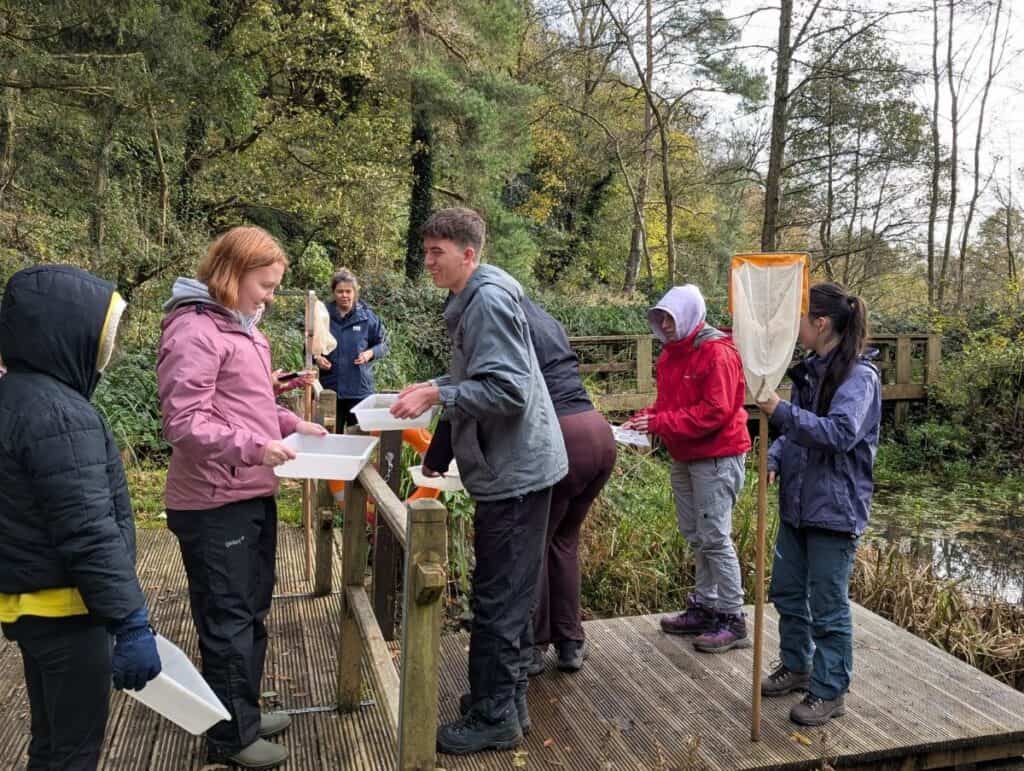
Panel member Hannah Barratt, 21, from Cheshire East, spent three months as NEET after leaving university.
She said: “I was a NEET for three months after university before I found a role. It isn’t in a field I want to work in, and I see it as a stepping stone towards a graduate role in the environmental sector. As a young woman with ADHD and autism, I am finding application processes exhausting and, at times, disheartening. Even with all of my volunteering and work experience, I am still searching.”
Last year Hannah received a Young Darwin Scholarship from us, spending five days in Lincolnshire with other young people learning about rewilding and biodiversity. She has since joined the Youth Panel, where she has managed her own project.
She said: “The experience built my confidence and knowledge, and gave me something concrete to put on my CV to demonstrate my passion for the environment.
“I am a firm believer in outdoor learning. From Forest School in primary to field trips at university, nature has been a constant in my education.”
Hannah welcomed the report’s plans to expand apprenticeships, improve mental health support for young people and make work experience a legal requirement in schools.
She said: “I also want to echo the report’s finding that this generation does not lack resilience or ambition. What is missing is opportunity and support. There is a common belief that young people are unmotivated, but we are motivated, and we want to work.
“The report’s recommendations cannot be delivered by government alone. They will need strong partnerships between schools, employers, charities and local organisations if they are to succeed.”
For panel member Suzannah McGhee, 18, getting back outdoors made a real difference after she dropped out of school. She has since gone on to study geography at university.
She said: “Being part of the Youth Panel strongly encouraged me to get back outdoors and into nature. I found it hugely beneficial to my mental health and it gave me a fresh mindset going into looking for more part-time work and eventually starting my degree.”

Fellow panel member Mia Clement, 24, said taking part in environmental projects could give young people a sense of control over their lives.
She said: “There is something particularly powerful about being able to see the tangible results of your contribution: restoring a habitat, planting trees, improving a local green space or helping wildlife. These experiences can create a sense of agency at a time when many young people feel they have very little control over their futures.
“Nature connection should be accessible to everyone, not another opportunity that depends on where you live, your family’s income or whether you already feel comfortable in outdoor spaces.”
Mia welcomed the report’s plans for civic service, including conservation projects, but said these opportunities “must not become a substitute for paid employment or a way of expecting young people to work for free to prove their worth”.
Their comments follow Chief Executive Mark Castle’s own response to the report, where he underlined that our charity is ready to play its part in delivering the plans and called for funding for outdoor learning to be part of them.