Summer coastal birds guide
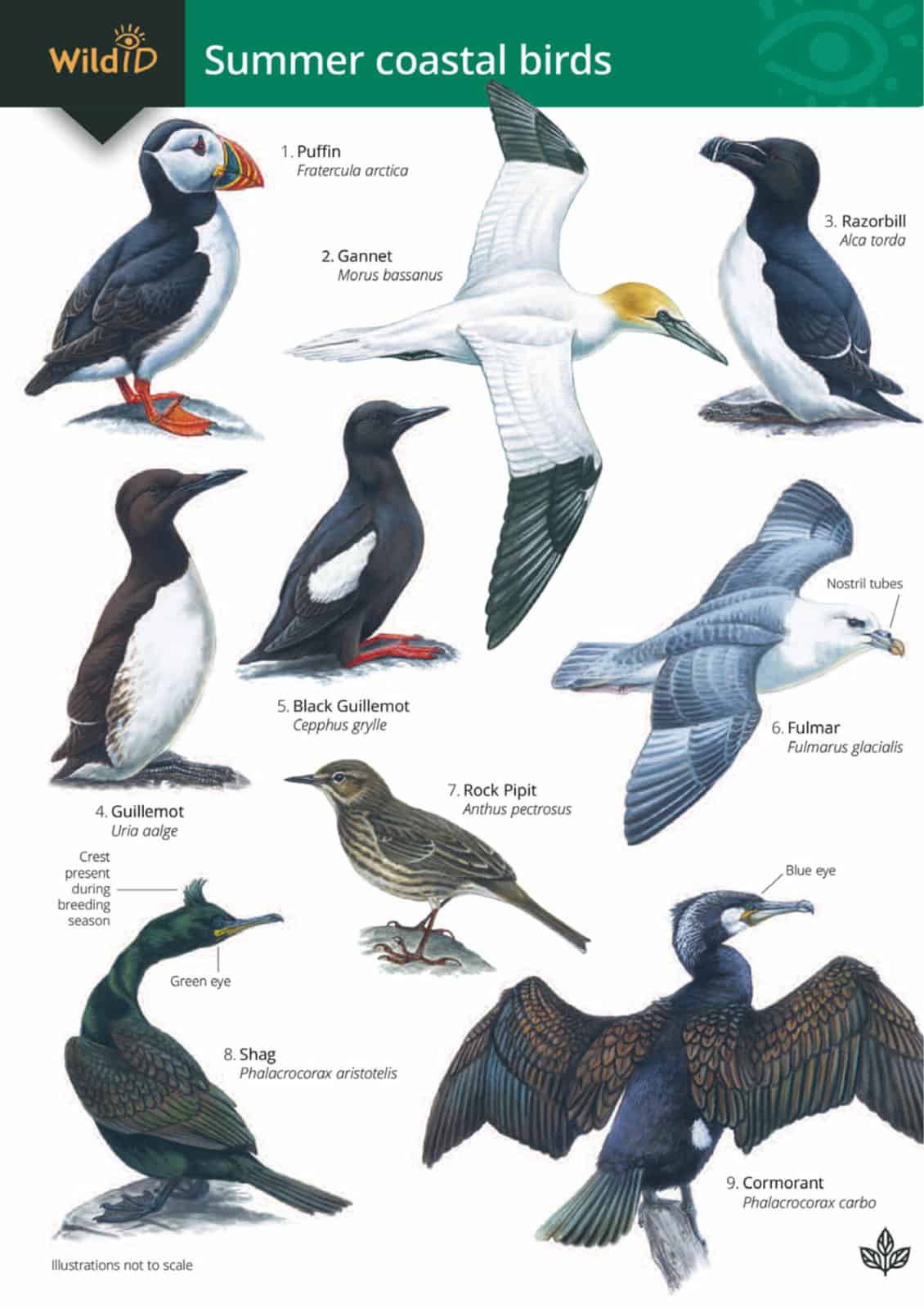
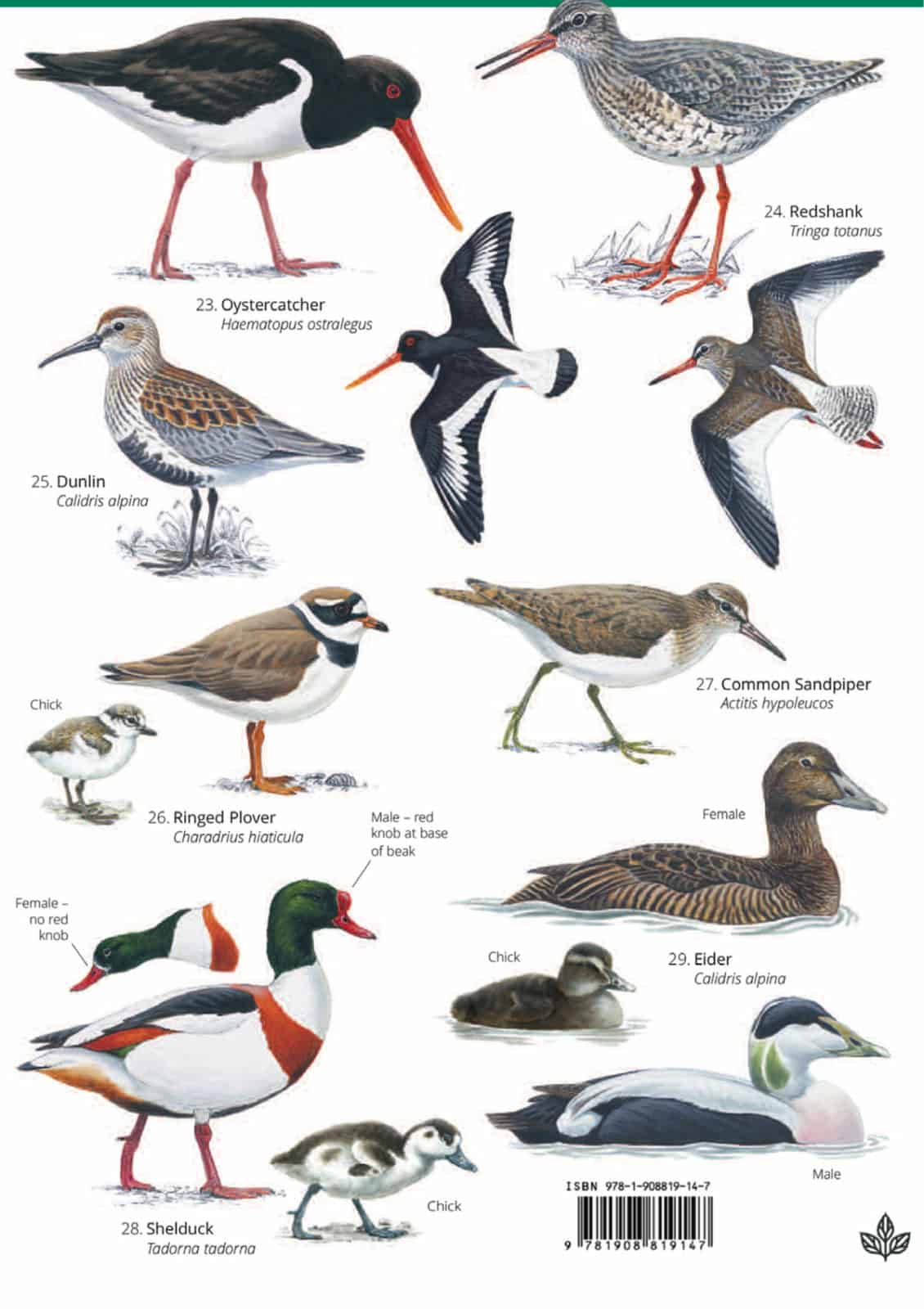
From Cormorant to Kittiwake, from Razorbill to Redshank, WildID Summer coastal birds guide features lots of seaside birds to spot.
- Identification guide to 28 bird species on British and Irish coasts
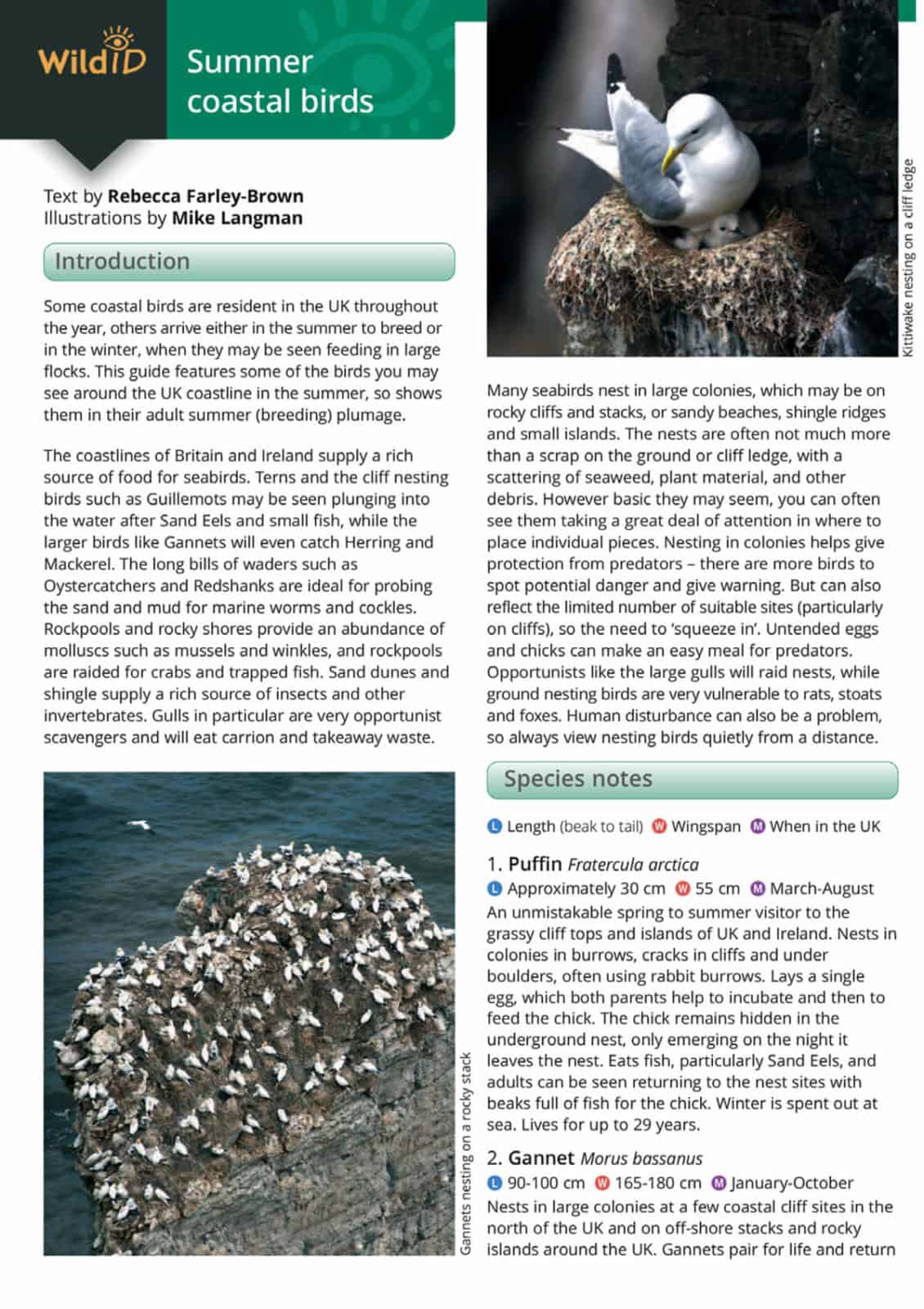
- Accompanying text covers body size, summer activity and key identification characters for each species
- Practical for use outdoors: lightweight, rucksack-sized, splash-proof
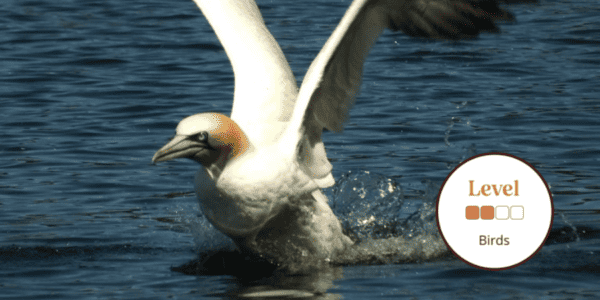
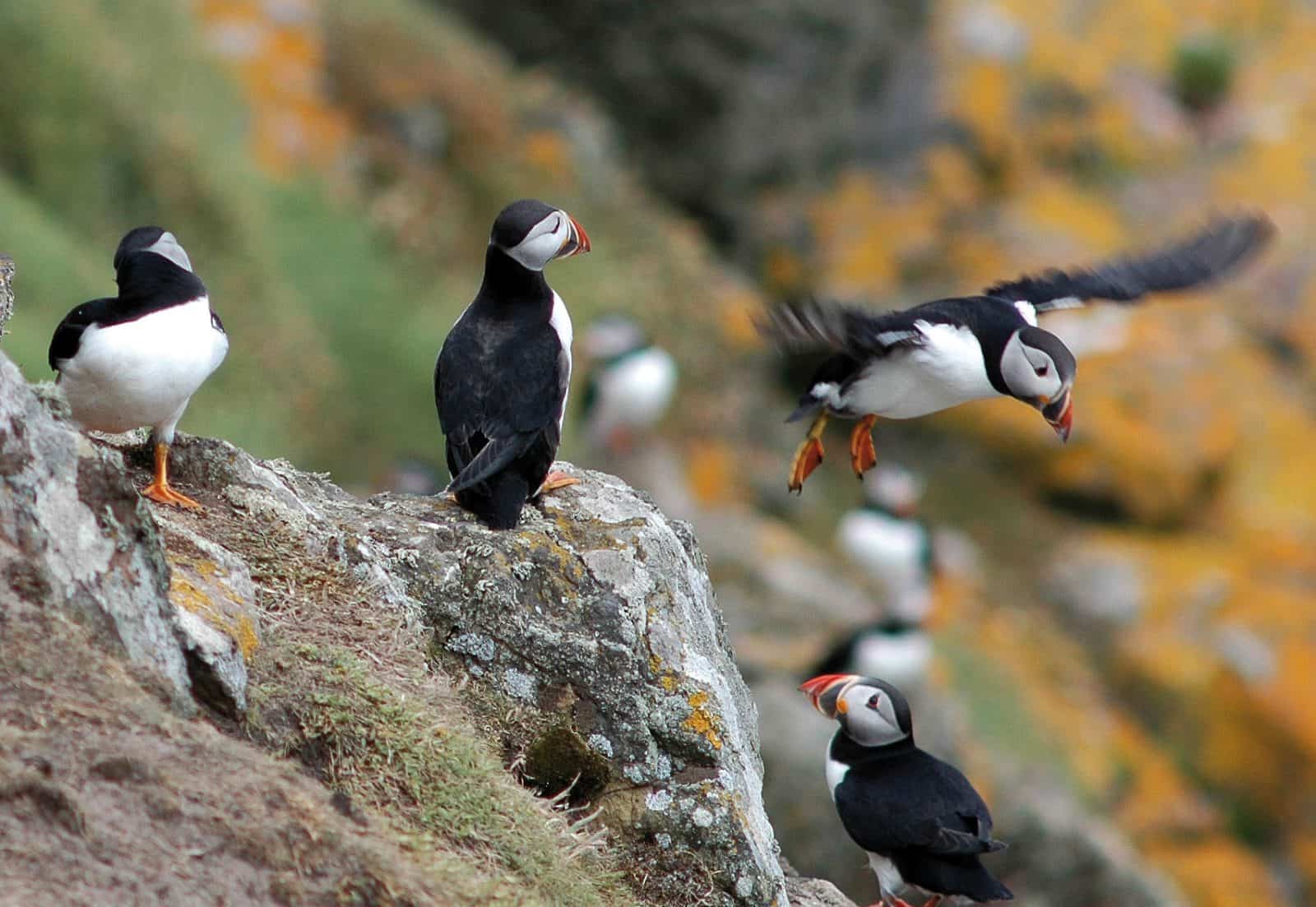
Colour illustrations show each bird in its adult summer (breeding) plumage. The guide includes both cliff-nesting birds (like Gannet and Razorbill) and wading birds (such as Oystercatcher and Avocet), as well as the common seagulls.
Some coastal birds stay in the UK all year round, while others arrive only for the summer breeding season. Britain and Ireland’s coastline is a rich feeding ground for seabirds. Terns and cliff-nesting birds dive gracefully for sand eels and small fish, while larger birds like gannets go after bigger prey such as herring and mackerel. Meanwhile, waders use their long bills to probe into sand and mud for worms and cockles.
Rockpools and rocky shores are full of molluscs like mussels and winkles. Sand dunes and shingle beaches are alive with insects and other invertebrates. Many seabirds nest in large, bustling colonies. Some perch on rocky cliffs and sea stacks. Others spread out over sandy beaches, shingle ridges or small islands.
Their nests may look simple, often just a shallow scrape lined with seaweed, plant material or bits of debris. But you can often see the birds carefully arranging each piece. Nesting close together in colonies helps protect them from predators. It also gives these coastal communities their lively, noisy character.