

Two members of our Youth Panel have talked to us about all things fieldwork, to round up the Geographical Association’s National Festival of Fieldwork 2026.
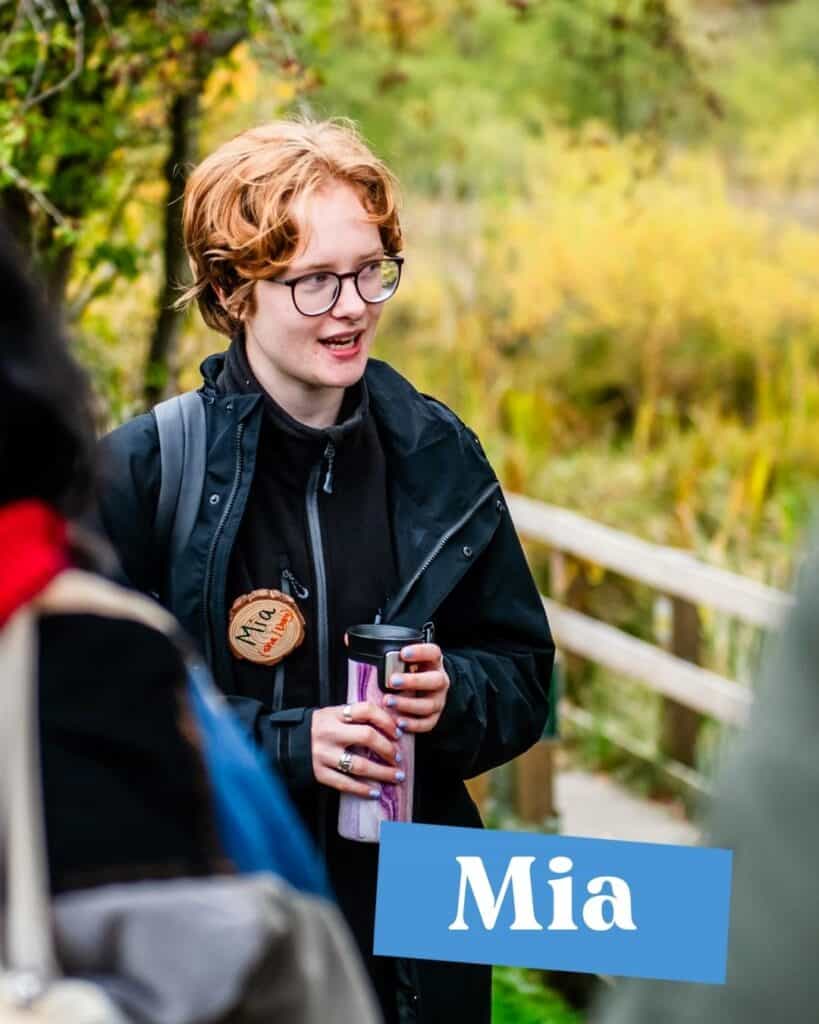
Carding Mill Valley – by Mia
There’s no better way to celebrate the Festival of Fieldwork than by getting outside, getting your boots muddy, and experiencing geography in action.
I spent the day with the Field Studies Council’s Preston Montford education team in the beautiful Carding Mill Valley, joining students as they carried out river fieldwork. It was the perfect reminder that fieldwork isn’t just an important part of learning — it’s genuinely fun.
From the moment we arrived, there was a real buzz of excitement. Armed with clipboards, wellies, and measuring equipment, students headed down to the river ready to investigate. The task? To study river processes and collect real data — measuring width, depth, velocity, and observing how the river changes along its course.
Of course, this wasn’t a quiet, stand-still kind of lesson. It was hands-on, energetic, and full of laughter. There were careful steps across slippery stones, a few splashes here and there, and plenty of teamwork as students worked together to gather their results. It’s one thing to learn about rivers in a classroom — it’s something completely different to stand in one, feel the current, and see those processes happening in real time.
What really stood out was how engaged everyone was. Fieldwork has this incredible way of bringing subjects to life. Concepts that can feel abstract on paper suddenly make sense when you can see, measure, and experience them yourself. It builds confidence, curiosity, and a deeper understanding of the world around us.
The Preston Montford team were brilliant, guiding students through each activity while keeping the atmosphere fun and supportive. They struck that perfect balance between learning and enjoyment — making sure everyone was involved, challenged, and, most importantly, having a good time.
Days like this are a powerful reminder of why fieldwork matters. It’s not just about collecting data or ticking off parts of the curriculum — it’s about inspiring a connection to the environment, encouraging exploration, and showing that learning can happen anywhere.
Mud on your boots, a notebook full of data, and a head full of new ideas — that’s what fieldwork is all about.
And if today proved anything, it’s that geography fieldwork isn’t just valuable… it’s unforgettable.
Watch how Mia enjoyed the day on this short video:
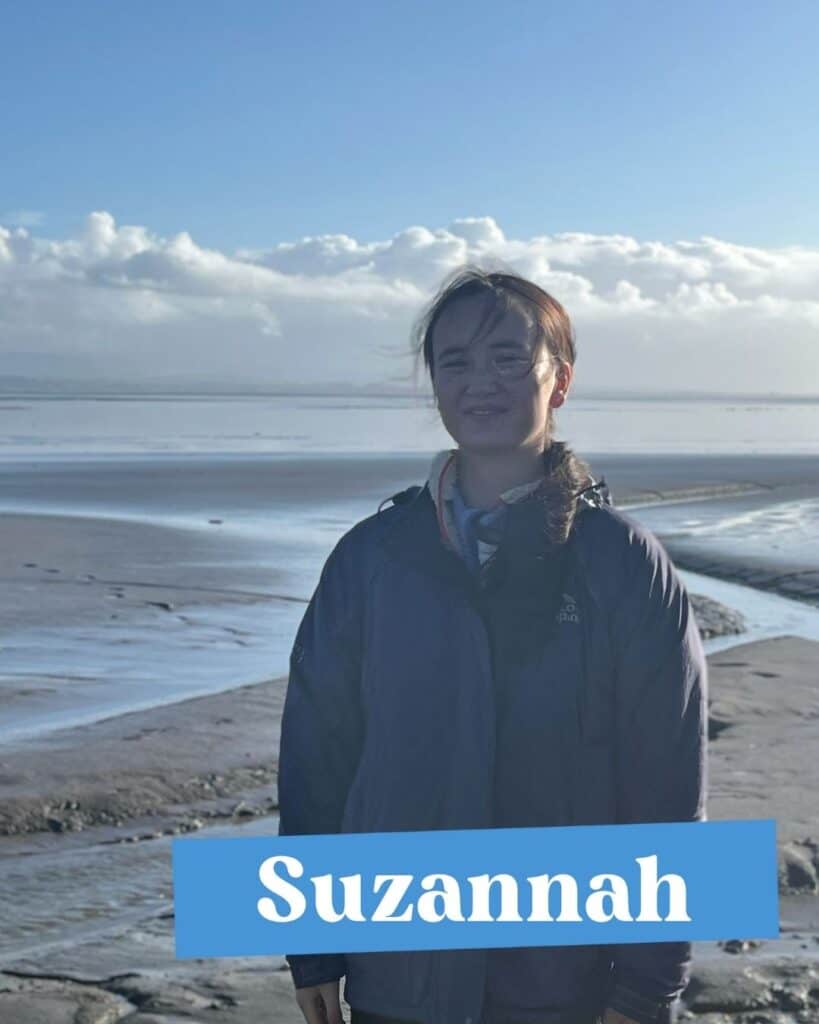
My fieldwork experiences – by Suzannah
My experience of fieldwork at high school may have been limited, but it remains one of the most memorable and valuable parts of studying geography. The one day a year we spent outside the classroom was always a highlight. It gave us the opportunity to learn in a completely different environment, working alongside classmates and teachers in a more engaging and hands-on way.
Even simple activities, such as carrying out a traffic count or completing a land-use survey in a nearby town, felt meaningful. Fieldwork also gave us the opportunity to interact with people we might not otherwise meet. I remember visiting a local arable farm in S4 and being able to speak directly with the farmer. Asking questions and hearing first-hand about their work gave me a much deeper understanding of the real challenges they faced.
Although each fieldwork experience was different, they all served the same important purpose: supporting the coursework element of geography. Across National 5 and Higher courses, students are required to complete an independent assignment that contributes to their final grade. In geography, this is worth 20%, and collecting high-quality data is essential for producing a strong report. Fieldwork plays a key role in developing these skills, and through it I was able to build confidence in data collection, observation, and analysis.
Looking back, I can see how valuable even limited fieldwork opportunities were. Teachers clearly recognised its importance and worked hard to provide these experiences. Hearing about past trips, such as the annual visit to the Millport Field Studies Council Centre for Advanced Higher students, showed just how impactful more immersive fieldwork can be. These residential experiences allowed students to complete more detailed studies, which formed a major part of their final assessment.
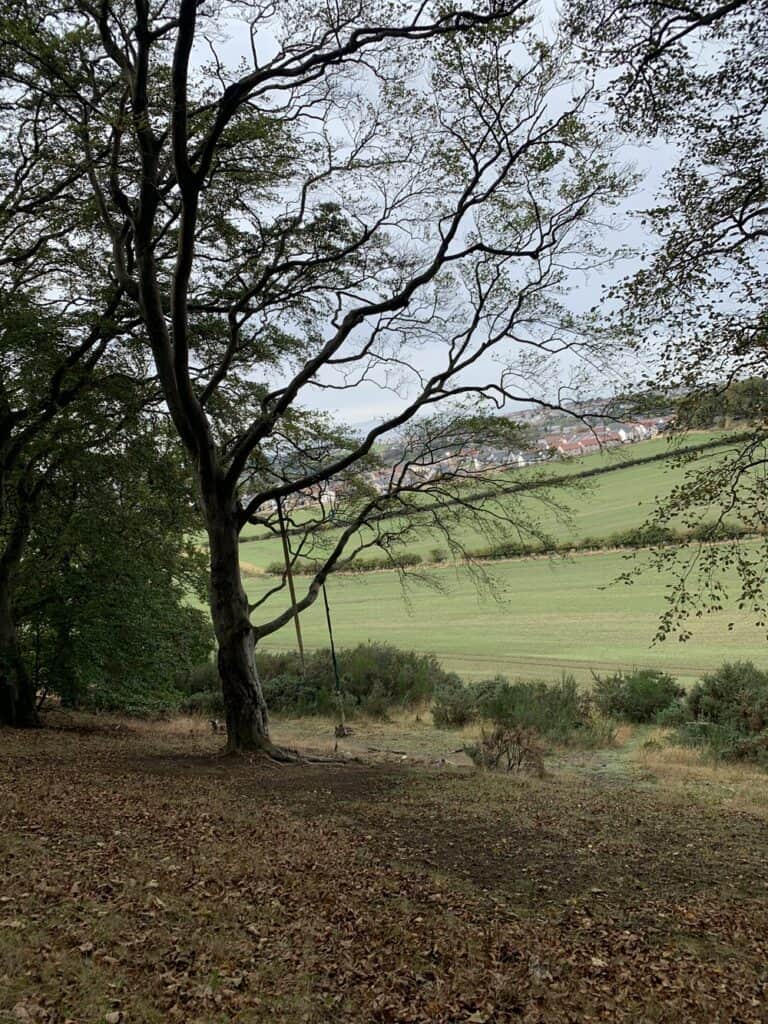
During my own time studying Advanced Higher geography, we had a day of fieldwork focused mainly on physical geography techniques. While much of the course involved learning about these methods in the classroom, being able to apply them in a real environment made a huge difference. Carrying out techniques in a local woodland helped me understand not only how they worked, but also their strengths and limitations. This practical experience made me feel more confident when it came to assessments.
Spending time outdoors also had wider benefits. Being in nature brought a sense of calm at a time when I was dealing with the pressures of applying to university. Experiences like this highlight how fieldwork supports not only academic learning, but also student wellbeing. It can also make the transition to higher education feel less daunting, where independent research and field-based work often play a much larger role.
One of my most memorable experiences came through attending a Gold Duke of Edinburgh’s Geography Camp at the Field Studies Council’s Blencathra centre in the Lake District. This was an opportunity to fully immerse myself in fieldwork over several days. I still remember the excitement of standing in a U-shaped valley and recognising glacial features, such as drumlins and hanging valleys, that I had previously only studied in textbooks. Seeing these landscapes in real life brought my learning to life in a way that the classroom never could.
The trip also highlighted the real-world importance of geography. For example, learning about the role of peat bogs in carbon storage while standing in that environment made the topic feel immediate and relevant. Similarly, seeing how Lake District towns have adapted to flooding demonstrated the practical value of geographical knowledge in addressing real challenges.
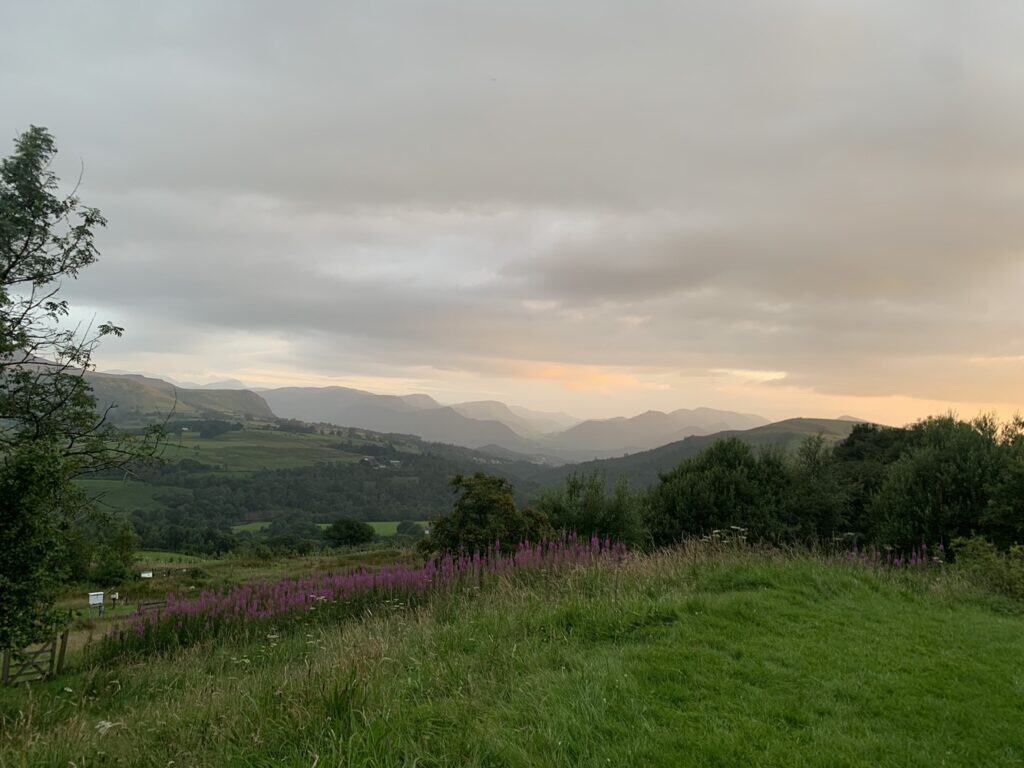
Just as importantly, the experience helped me build lasting friendships with people I would never have met otherwise, united by a shared interest in geography.
Experiences like these show how powerful fieldwork can be. Whether through residential trips or local visits, it allows students to apply what they have learned in the classroom to the real world, deepening their understanding and making the subject far more engaging.