
Maud Brown, a member of our Youth Panel, talked to us about her experience of Field Studies Council’s Young Darwin Scholarship, and how it helped her navigate the diverse career pathways available in the environmental sector.
Humble Beginnings – by Maud
I became especially passionate for the natural environment from around Sixth Form, writing my Geography A Level report on park ecosystem services. None of my extended family are naturalists, and I have been mostly shy and anxious due to my ASD and ADHD, so I often avoided many outdoor learning opportunities as they are with strangers.
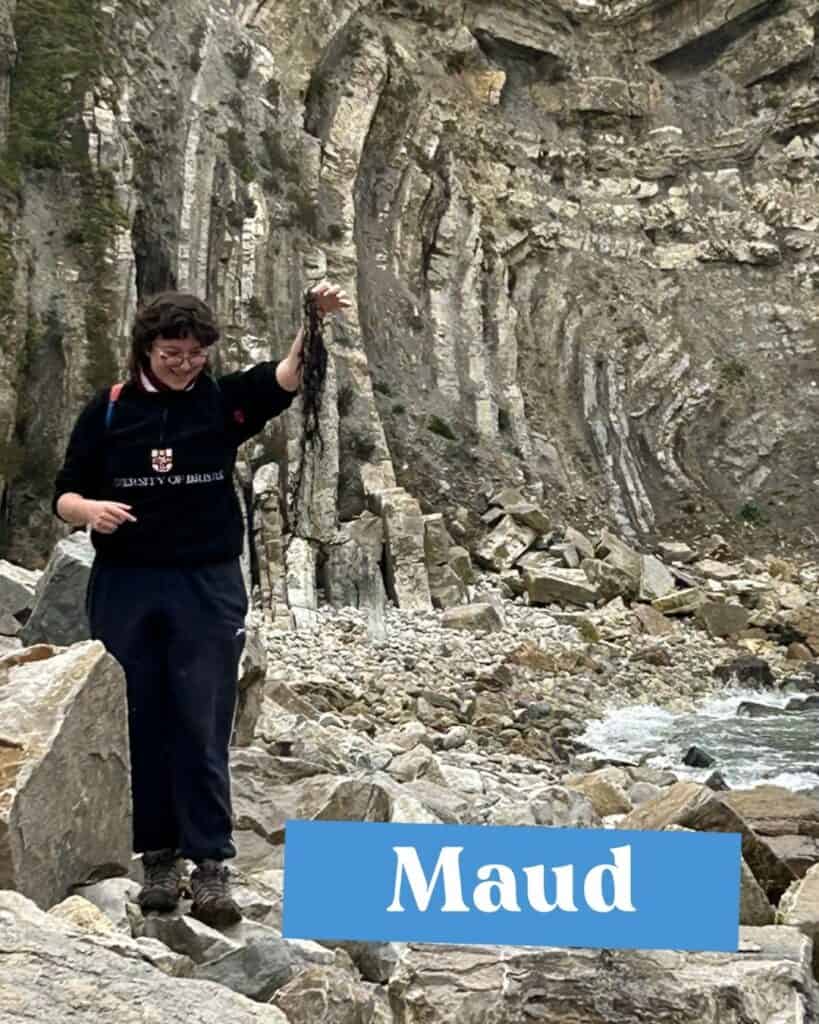
I additionally lived in London, where I lacked a connection with nature – for example, I am not so fluent in identifying plants and birds, all I know are pigeons and nettles it seems! I chose to study Geography at the University of Bristol in order to not lock into a singular discipline – to study ecology as holistically as possible – intrigued in combining both humanities and sciences. However, my Geography degree unfortunately didn’t pull its weight in conservation and ecology education. Being bored in lockdown, stuck in my student accommodation, and very unstimulated by an online course, I looked up as many local environmental-related courses as possible and did as many extra-curriculars as I could to expand my knowledge about the natural environment.
Around Autumn 2021, I joined a Field Studies Council Fungi ID Residential in Yorkshire, and through more thorough engagement, found out about the Young Darwin Scholarship then. Summer 2022 was the perfect time to attend, and I applied to be in the 2022 cohort – it felt right. I was at a crossroads. I was halfway through my course, yet, the intimidating world of ‘work’, of ‘careers’, was lingering over me – a huge wave about to hit me, and me, fully clothed and unable to swim. I didn’t know what topics and skills I wanted to specialise in. And even then, as we know, the environment sector is so broad, and so in flux. I additionally felt isolated on my course due to my interests – sneaking into the Biology department could not make up for it! So when I found out I got in, I was incredibly excited – and it was very rewarding in the end.
Bog Time!
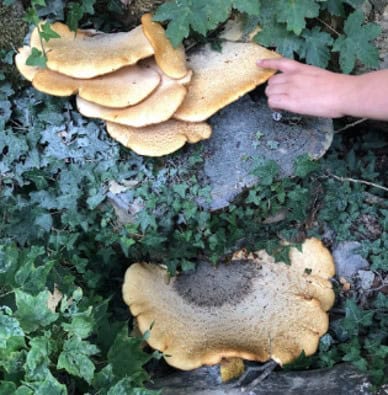
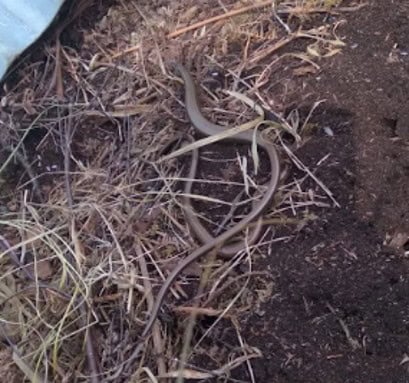
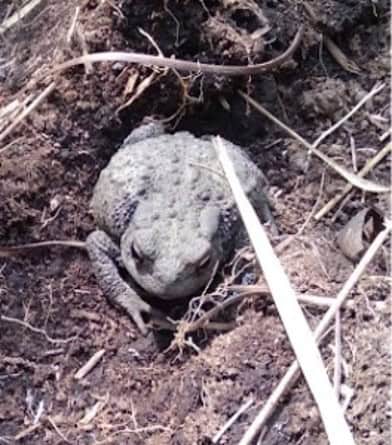
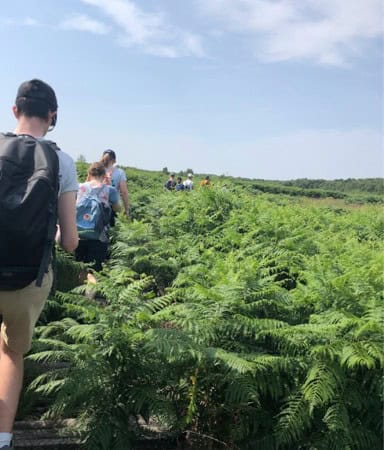
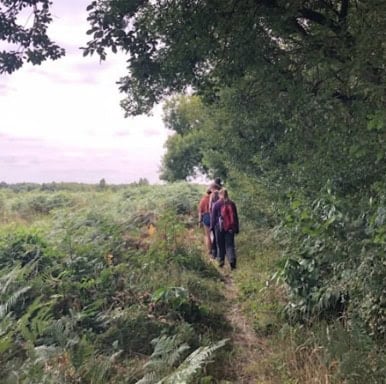
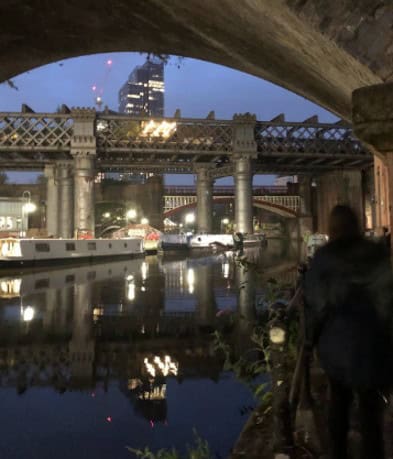
My Young Darwin Scholarship trip was in Manchester in the peak of the July heatwave. Me and the cohort of fellow passionate individuals, from all across the country, stayed in a hostel in the inner-city. We visited the Risley Moss Nature Reserve and then the Rixley Clay Pits Nature Reserve for a couple of days – the star of the show. The Risley Moss reserve, I remember, was a bare, flat, smelly, muddy field surrounded by woodlands, steaming in the heat. But over time as we looked closer, it became animated and energetic as we noticed and learnt about the multiple species that roam this site– from toads, to slow worms, sphagnum moss, and earthstar fungi – constellations of ecosystems and interrelations across the landscape popping up, as far as the eye could see. We met the local park rangers, learning about the natural environment and its underlying processes, plus importantly, gaps in research including studying species declination and carbon sequestration. We importantly contributed to citizen science, undertaking ecological monitoring and submitting collected data to the Yearly Butterfly Watch and iNaturalist.
I learnt plenty about ecological identification – particularly with butterflies, bats, mammals and newts – all important species which we must prevent from declining in numbers. I had also learnt that every landscape, no matter how ‘bare’ or ‘boring’ looking, is active with many unique species that do their part in conserving the landscapes that we rely on and connect with so dearly. I learnt as much from my lovely cohort too – many, with similar interests, already had degrees in conservation and ecology, so it was useful to learn their insights regarding training opportunities and previous environment sector experiences over dinner and on the bus home. It increased my confidence in navigating and understanding the environment sector – it’s not scary, strict, and serious – it’s a bunch of friendly, passionate people at the most part!
At the scholarship, learning more about the environment enabled me to learn more about myself as well. Every time I learnt to ID new animals or habitats, I was able to further identify my own interests and what I wanted to further my expertise on. I thought about how I naturally engaged with the nature reserves that we visited – what I enjoyed focusing on, what sparked interest, what I excitedly discussed about with others and educated others about. I thought about fungi, moss, and soil – and figured that I needed to get into that direction -and there it was, my ‘ecological niche’.
Finding my roots through the scholarship…
The scholarship was that first step on the ladder in what previously felt like the overwhelming world of careers in the environmental sector. The scholarship instilled confidence in me. I got more into citizen science volunteering e.g. with the Bristol Avon Rivers Trust as a river detective. I got more engaged in local environmental monitoring initiatives- I became less intimidated by local nature groups (my imposter syndrome disappeared!) and I joined the Somerset Fungus Group, additionally, I got more confident about my interests and was more eager to inspire others! This prompted me to delve more into the world of fungi and teach others. This led me to investing my time in my university’s Mycological Society, where I was confident to lead groups of up to 30 students at our local woods weekly, teaching them about fungi!
The scholarship also enabled me to be less anxious around other people – it was endearing to be with those with similar passions for nature, for many like me at the scholarship, it’s our first time being in such a situation! I particularly gained skills in networking (which – to be fair in the environment sector – is just befriending cool people that have the same interests and concerns as you!).
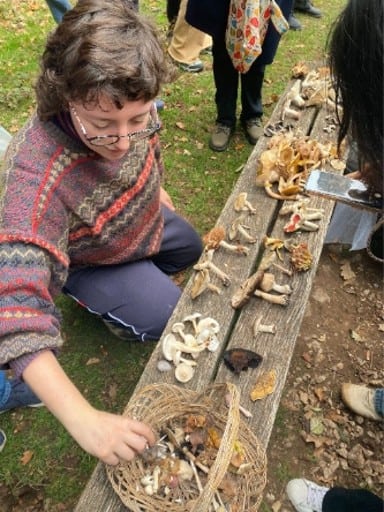
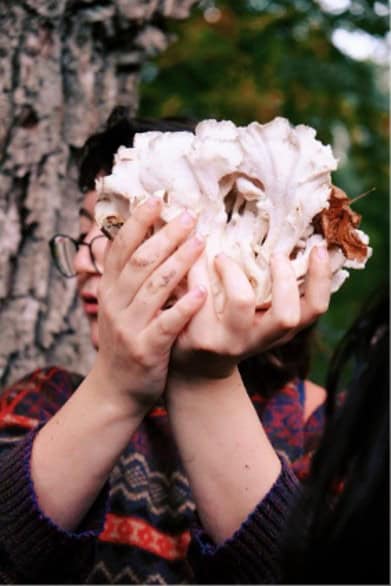
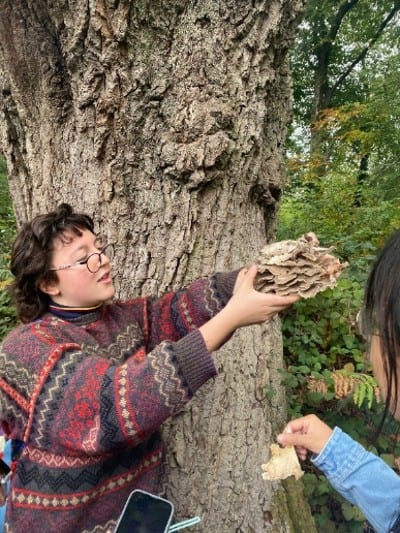
Me leading official fungi ID walks in Bristol for some University of Bristol students / Oct 2025 (mushroom picking rules were followed!)
Where am I now?
I now work at the Environment Agency, being one of thousands of applicants who made it onto the Graduate Scheme. I am now a water quality permitting officer. I chose this position because I wanted to learn and be a part of solving our current water quality issues on a case-by-case basis, and as a way to learn more about legal and enforcement side of environmental conservation. I would like to continue my work in the Environment Agency and hope to focus on soil science. Healthy soils mean healthy communities. Outside, I would like to continue nature volunteering, supporting my city’s Mycology scene, my local fungus group (I am now undertaking a fungi DNA analysis course with them!), and leading fungi ID walks.
Attending the scholarship also motivated me to continue working with Field Studies Council, supporting them as they have supported me. I joined the Youth Council (now Youth Panel) in late 2022 and have since assisted in reviewing applications for the scholarship, representing young people in future strategy meetings, brainstorming ideas of how to engage further with young people, suggesting new courses, and increasing awareness of our organisation amongst young people. I can now better understand how charities operate, and how they work in community outreach and strategise as the financial, social, and natural environment shifts over time. Since the scholarship, I have been more confident to speak up and advocate for Field Studies Council to be increasingly accessible and inviting for young people like me, and I have found this work to be incredibly rewarding. Hopefully more people like me can be inspired and do their part in improving nature education and accessibility – let’s continue the domino effect!
Find out more out the Young Darwin Scholarship here.