

Chief Executive Mark Castle responds to the Milburn report sets out how Field Studies Council can play its part
A shared ambition for young people today
We’ve welcomed the scale and ambition of plans set out in the Milburn report, that says outdoor education can help deliver key transformational outcomes for young people.
The report, published by the former health secretary Alan Milburn, sets out how to tackle the almost one million 16-24 year-olds who are not in education, employment or training (NEET).
Its recommendations span education, employers, health and welfare, with a 10-year plan to bring the NEET rate down to around 5%.
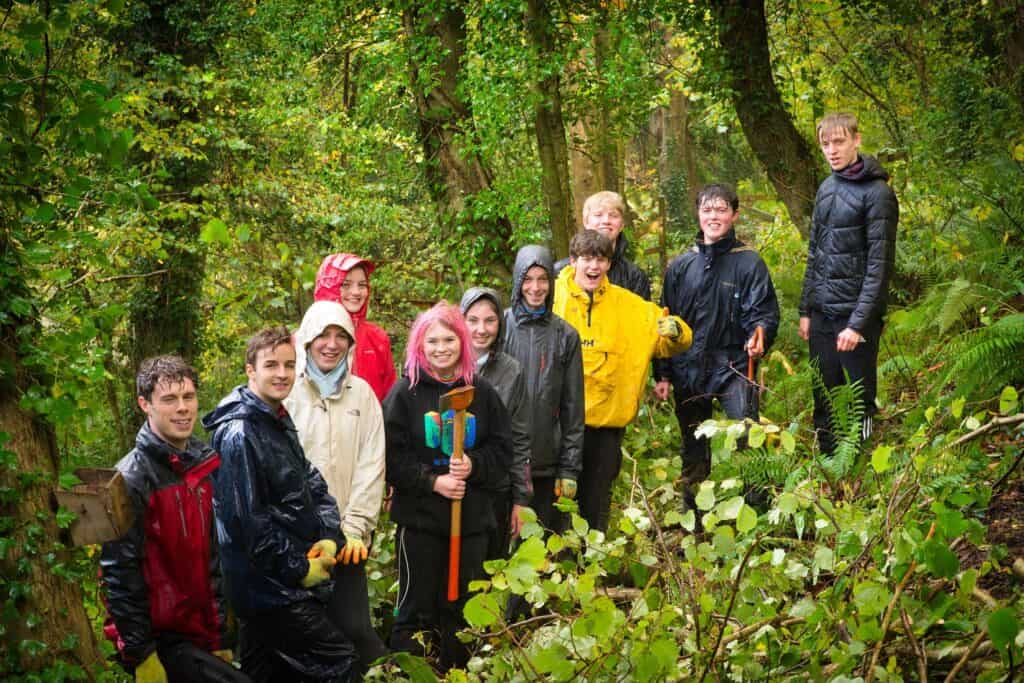
Mr Milburn recognises that confidence and resilience among young people comes from wider school life and the report pointed to ‘sport, arts, enrichment and outdoor activity’ as part of that.
The report also proposes that support for mental health shouldn’t always depend on a diagnosis, and schools have 10% of their timetable sit outside the national curriculum – a recommendation that we believe should pave the way for more outdoor learning opportunities.
Curiosity, resilience and teamwork aren’t learnt in a single lesson and that these skills are built over years, through taking part in the wider life of school and the community. It’s good to see the report says a knowledge-rich education should sit alongside outdoor activity – we’ve always believed the two go hand in hand.
Mr Milburn wants every young person to have a real opportunity and the support to take it. He wants mental health help to come earlier, without young people waiting months for a diagnosis, and he wants more of them to get a taste of work while they’re still at school.
Why outdoor learning matters in the response to NEETs
Outdoor learning can play a big part in that. It often reaches the young people who have switched off in the classroom, you don’t need a referral to take part and all the evidence suggests time spent outdoors improves mental wellbeing.
Most of the young people we work with want to get on. What many have lost is their confidence and their connection to learning. Learning in and about nature helps with both. It’s good for their mental health and it gives them a connection to the natural world that stays with them.
When they take on a real challenge outdoors, working as a team and solving problems together, they find out what they can do. Being outdoors teaches resilience, because things don’t always go to plan, and it builds the confidence and sense of wellbeing young people need to keep going. That confidence goes with them into training and work.
Turning ambition into action to help today’s youth
We’ve been connecting young people with nature for more than 80 years and we’ve seen the difference it makes.
We already run an apprentice tutor scheme and our subsidised Young Darwin Scholarship supports young people aged 16-25 to build the skills and knowledge for careers in the environmental sector.
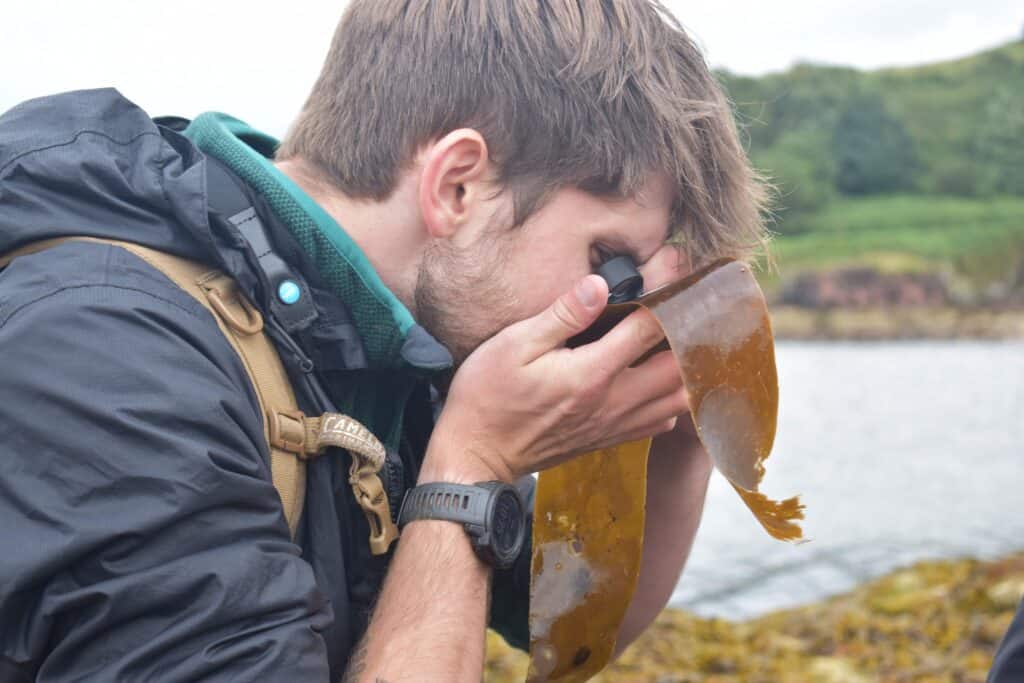
We are also part of Access Unlimited – a coalition of outdoor education providers which helped deliver the Government-funded Generation Green and Generation Green 2 programmes which provided more than 150,000 outdoor experiences to some of the country’s most disadvantaged young people.
Yes, we know that solving the NEET problem will cost. But if we’re serious about giving every young person a better start, funding for outdoor learning needs to be part of the plan.