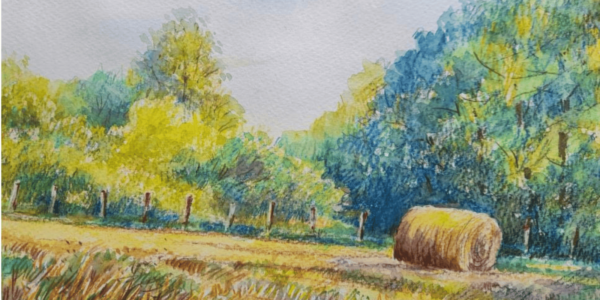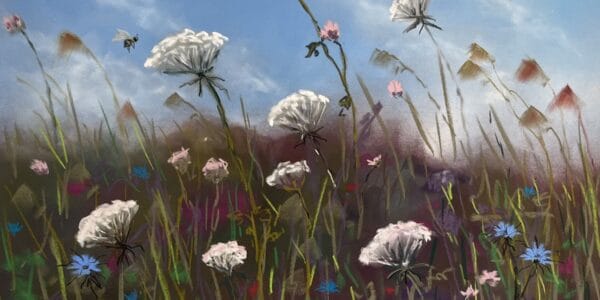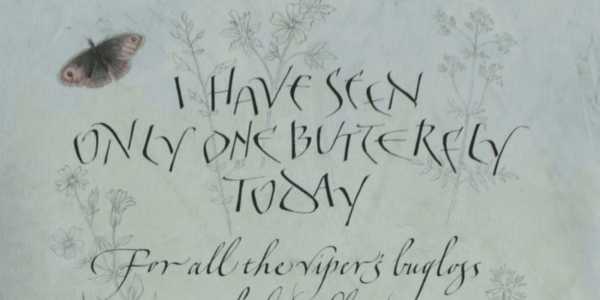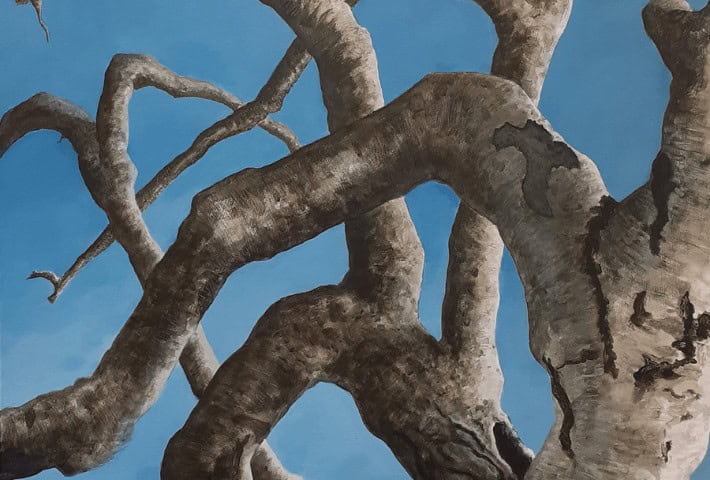
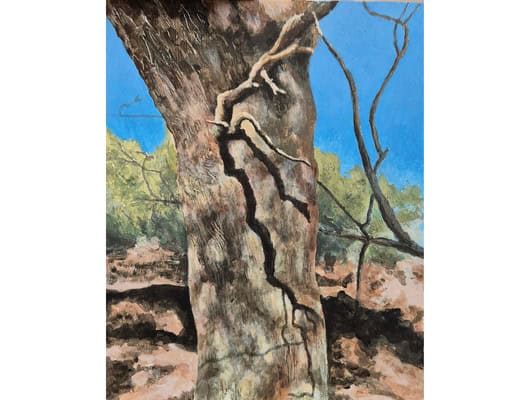
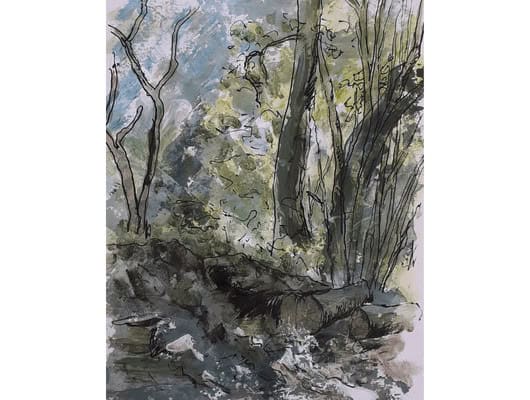
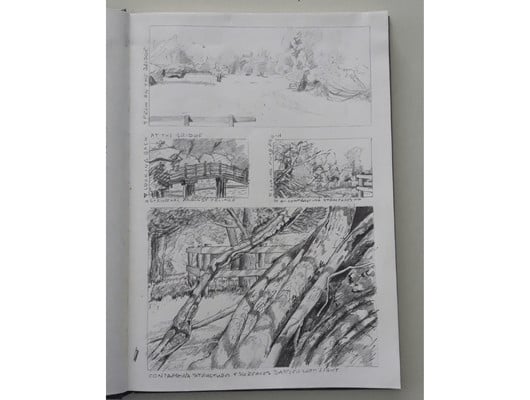
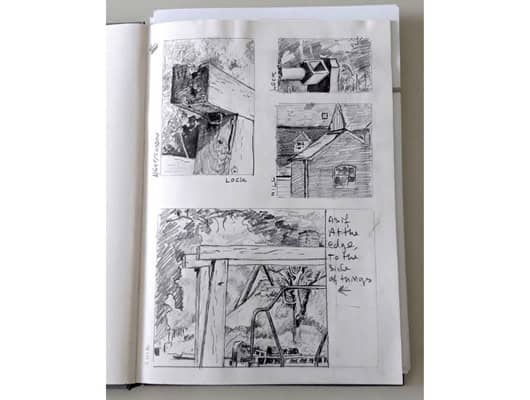
This drawing and painting the constable way course looks at a range of activities from sketching and paint studies to developed paintings.
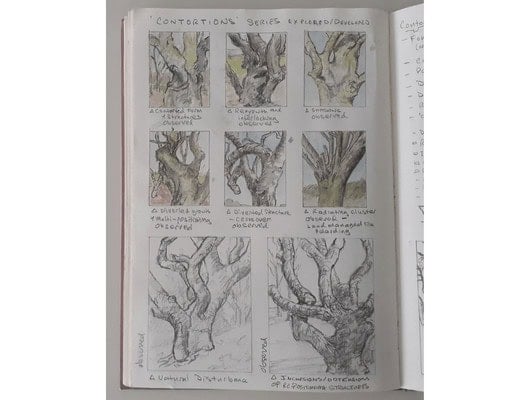
The painting the constable way workshop follows the methods of Constable who would make sketches and paint studies on location, then use those observations to develop paintings in the studio.
Read more
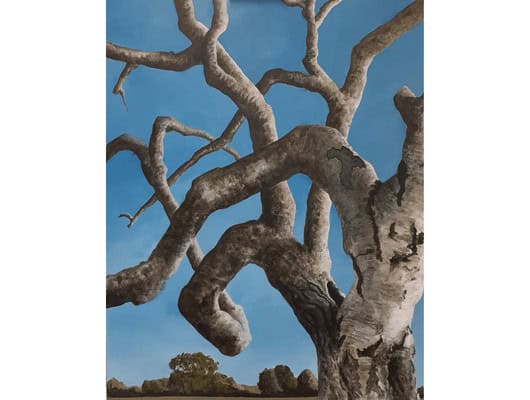
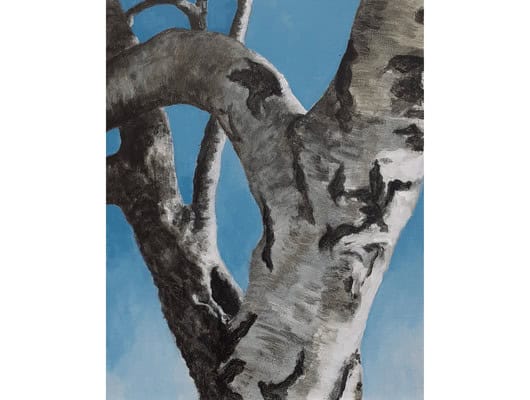
We will look at his practices in a presentation on arrival, followed by some ideas for gathering visual information in different ways in a sketchbook or drawing board. There will be options to work from scenes in the field centre as well as from images provided or that you bring along, so you can carry on whatever the weather. Some of my work from my artists residency at Flatford will be available to encourage you to personalise your influence from Constable and develop your own work. There will be a trip on Sunday to a Constable exhibition to see the real thing. Then return to explore composition principles as Constable did. You will then have options to continue gathering observations or develop final compositions. Constable used, pencil, watercolours and oils, you can choose whichever range you prefer, just pencil and watercolour, or opt for acrylics instead of oils.
About the tutor
Steve Joyce
Steve has been practicing his art and teaching art in a variety of further education colleges and other contexts for over 25 years. He studied Fine Art at Norwich School of Art and attained a BA (Hons), then later MA in Contemporary Art & Professional Practice at Colchester Institute. He has a wealth of experience from his diverse practice and teaching and great enthusiasm to share his fascination for how pictures can be made differently.
Steve will be the Flatford Artist in Residence for 2026
For further information and examples of previous student work:
Instagram: stevejoyceartist
www.facebook.com/creativesketchbooking
www.stevejoyce.co/teaching/
About Flatford Mill
Residential accommodation at Flatford Mill is provided within our historic Grade I listed buildings. Rooms are clean, comfortable and functional, but are intentionally simple and should be considered field centre accommodation rather than hotel-standard accommodation. Many guests value the character and heritage of the site, although facilities reflect the age and nature of the buildings.
Whilst most rooms are either en-suite or have a dedicated bathroom, there are some rooms in The Mill that share showers and toilets at the end of the hall. If this is unsuitable for you please make the office staff aware upon booking or as soon as possible.
Please be aware that you are visiting a Field Centre that caters in the main for school parties; the accommodation is basic and dormitory style, but warm and comfortable.
Explore our range of mixed media courses or oil and acrylic painting courses. They are hosted by our engaging tutors, enabling you to learn from their expertise and skills. Our art courses are a chance to meet like-minded people and a chance to unwind from everyday life. They are a great opportunity to experience the UK’s glorious countryside surrounding our field centres.
This course is open to participants aged 18 and over only. For under-18s, please contact the centre directly or see our young people courses and activities for families.
Example Timetable
Arrival day
Check-in is between 1600 and 1800. If you are arriving after 1800, please advise us so we can arrange a self-check-in.
You will meet the tutor at dinner, following which you will have your first session.
What's Included
-
 Expert Tuition
 -
 Free Wi-Fi
 -
 Full Board Accommodation
 -
 Hot and Cold Drinks
 -
 Picnic Lunch
Full board accommodation and picnic lunch is available for resident bookings only.
Refreshments are included for all, but non-resident bookings are advised to bring a packed lunch with you.
Before You Attend
What to bring
Essentials:
- Drawing Paper or Sketchbook as you prefer, up to A4 is ok or larger if you prefer (weight of paper 140gsm Cartridge Paper at least is best) Small size is easier to work on if you want to draw at the exhibition visit
- Graphite pencils options HB, B, 2B or if you prefer heavier 4B or more
- Watercolour Paints (any preferred kind tubes or pans, any colour range)
- Brushes for watercolour - Sable, Synthetic or Blended as preferred - recommend Small size 3 or 4 , Larger size 6 or 8
Optional: if you plan to work in various media, as Constable did
- Acrylics or Oils (A few basic colours are enough)*
- Acrylics - Palette needed and a palette knife useful ('Stay-wet' or similar palettes are useful to keep the paint from drying)
- Oils - Palette needed and Turpentine or similar dilutant such as Sansodor and a palette knife useful - Bristle / Hog Brushes / Synthetic acrylic - No.4, 6, 8, 10 etc as preferred and any others you wish such as No. 1 or No.2 for detail any type round or flat as you prefer
- Your own resource images to work from, if you prefer, or use those provided
Other useful items:
- Eraser
- Sharpener or Craft knife
Equipment Provided:
I provide a Range of resource images/photographs to work from and some demonstration examples.
* If you bring oil paints, Canvas clamps are useful to transport wet paintings when you leave, or bring 'Liquin' drier to help it dry quicker
* If you plan to do heavy impasto in acrylics, canvas clamps are useful for transporting if still wet at the end
Opportunities to attend this course
This course is not currently available to book. Dates will follow soon.
Sign up to our Email Newsletter