
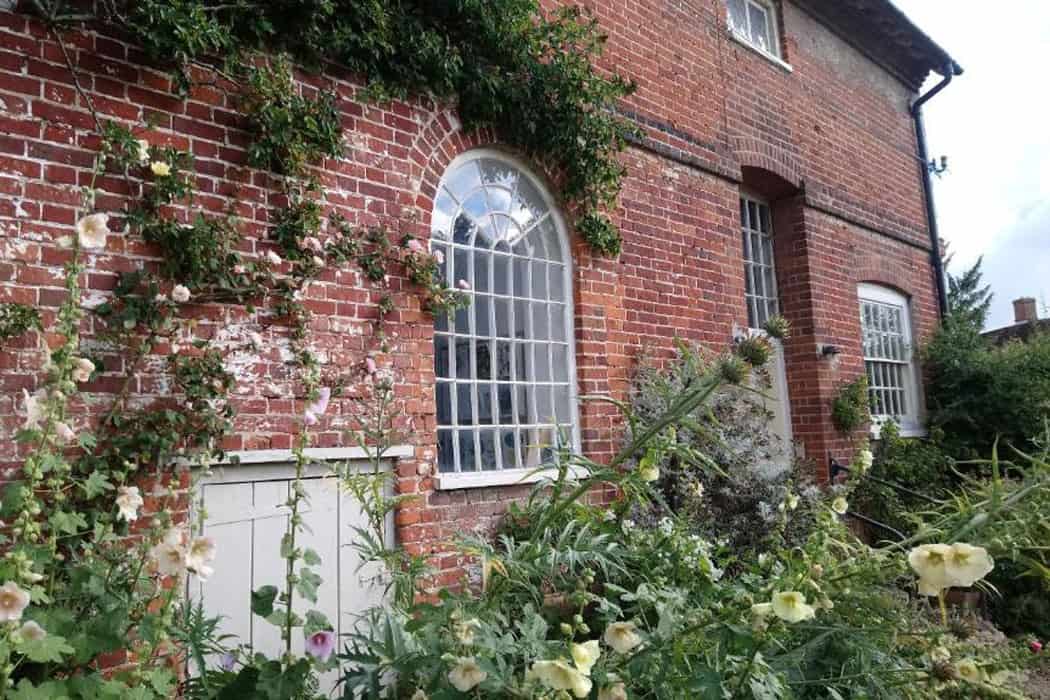
The area surrounding Flatford Mill provides access to a wide range of lowland river, rural and settlement environments within a compact landscape. Flatford Mill Field Centre is located in Dedham Vale, on the Suffolk–Essex border, set directly beside the River Stour and within walking distance of a variety of fieldwork locations.
Flatford Mill Field Centre provides immediate access to a distinctive lowland river landscape shaped by fluvial processes, land use and rural settlement. The centre grounds and nearby sites bring together river channels, floodplains, farmland, historic buildings and small villages, making the area particularly well suited to investigations into river processes, human–environment interaction, land‑use change and environmental management.
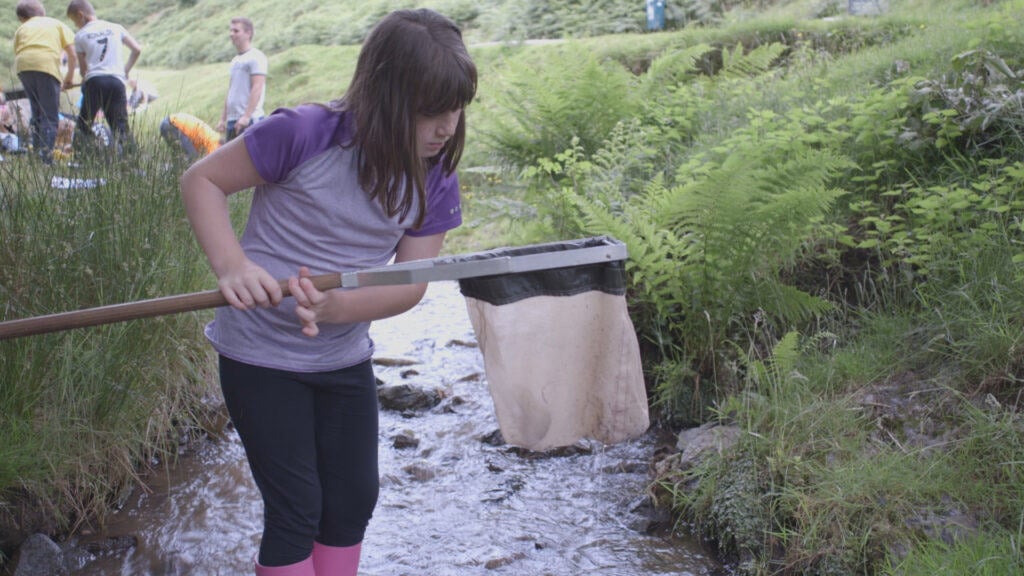
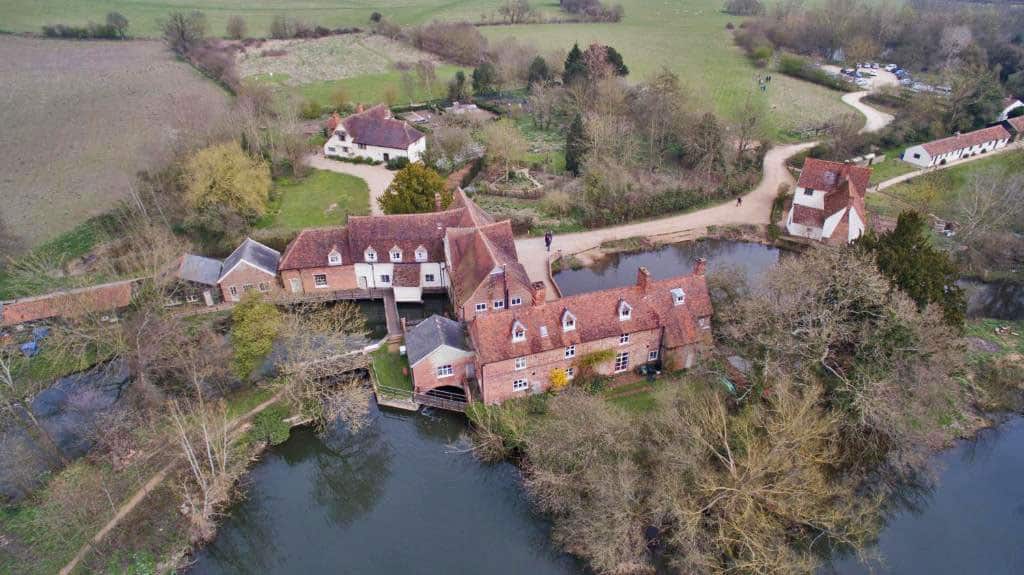

These fieldwork sites support studies in geography, biology and environmental science, enabling students to investigate physical processes, environmental systems and human activity through first‑hand data collection. The close proximity of river, rural and settlement environments allows students to carry out focused enquiry and repeated investigation within a single residential.
Explore the field sites used at Flatford Mill
An example of our sites are set out below. *When transport is required for offsite fieldwork, additional in-course costs are incurred and clearly stated in your programme.
Centre Grounds and Riverside Habitats
The centre grounds include areas of woodland, grassland and riverside habitats within a compact site. These environments are used for ecological investigations, including studies of biodiversity, habitat comparison and environmental gradients, allowing fieldwork to take place close to the centre.
Dedham Vale Landscape
The wider Dedham Vale provides a connected lowland landscape of river valley, farmland and settlement. This area is used to investigate landscape character and land‑use patterns, supporting studies of how physical processes and human activity interact to shape rural environments.
River Stour
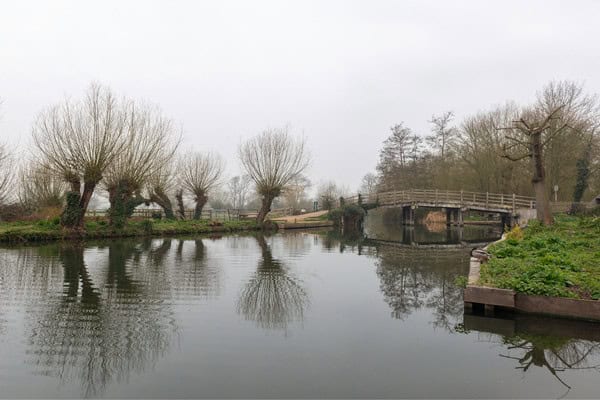
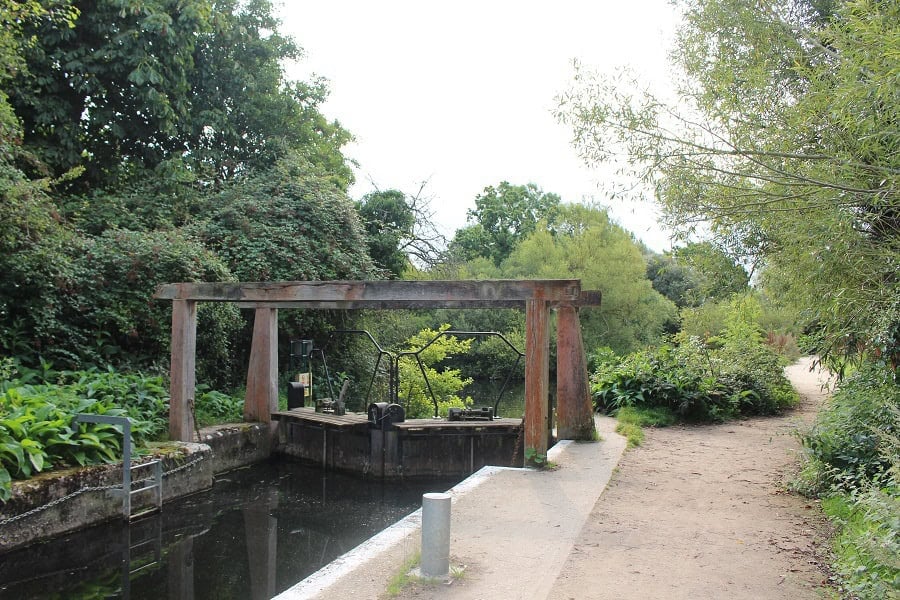
The River Stour runs directly alongside the centre and forms the core fluvial fieldwork site at Flatford Mill. It is used extensively for river process investigations, including measuring channel characteristics, velocity, discharge, sediment size and floodplain features. The site allows students to explore downstream change and human influences within a lowland river system.
River Floodplain and meadows
Floodplain meadows adjacent to the River Stour provide opportunities to investigate flooding, deposition and land use. These sites are used to examine how river processes interact with agricultural management and rural land‑use decision‑making.
“Absolutely excellent – no improvements, really well pitched for year 12. A really interesting day that our students enjoyed and v purposeful for our spec and their NEA.”
– Teacher 2025
Flatford and East Bergholt
The historic villages of Flatford and East Bergholt provide accessible settings for human geography fieldwork. Students investigate settlement characteristics, tourism, land use and sense of place, supported by contrast between residential, agricultural and visitor‑focused environments.
Historic built environment at Flatford
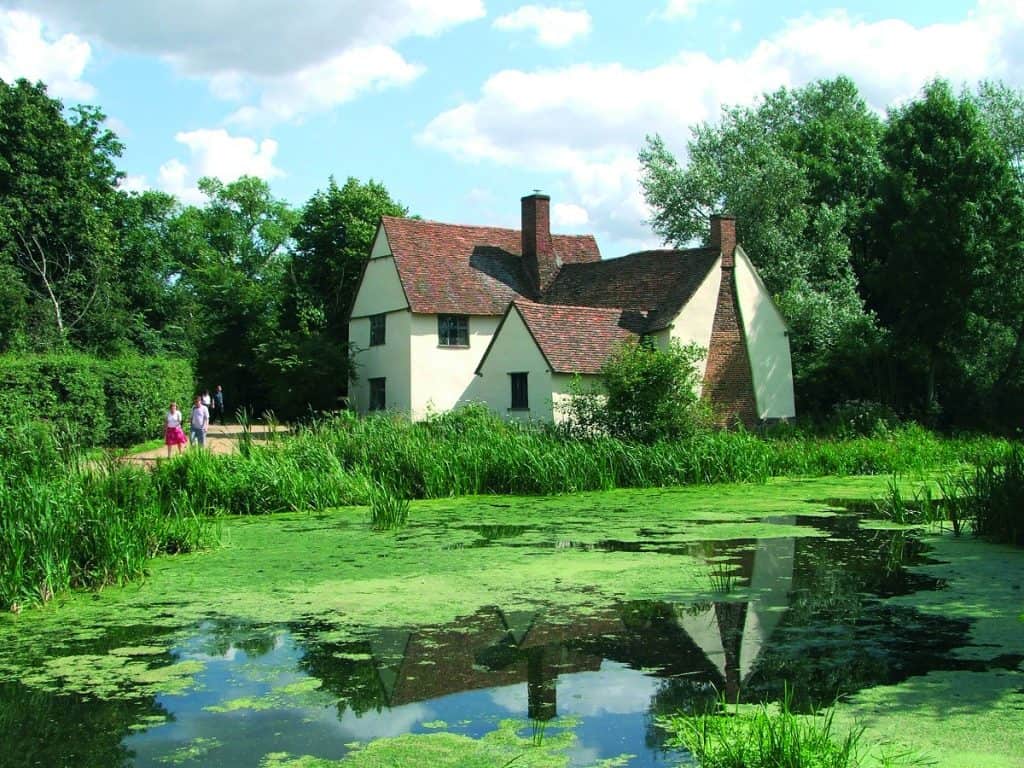
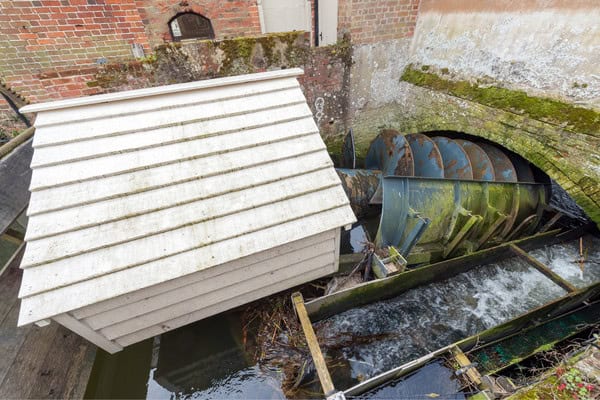
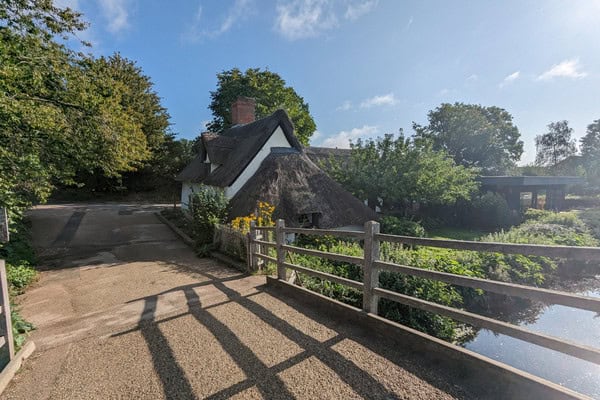
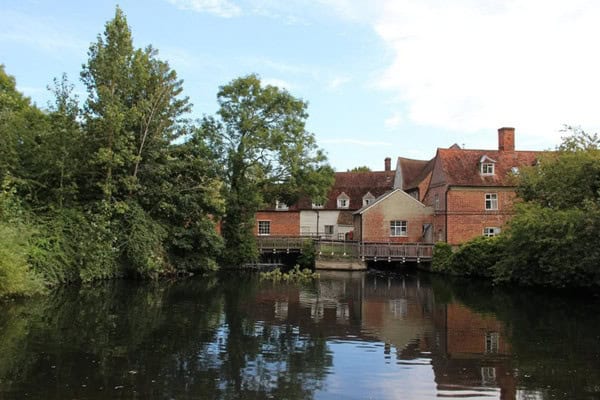
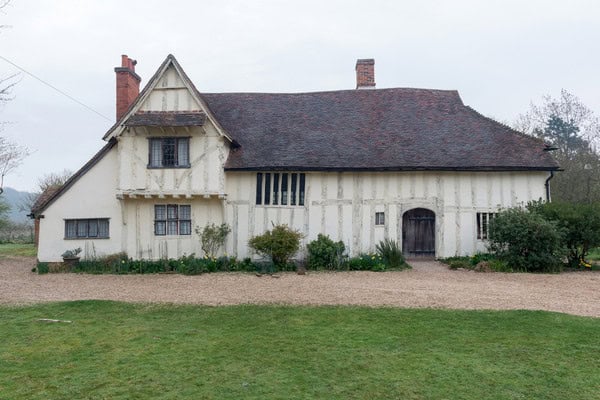
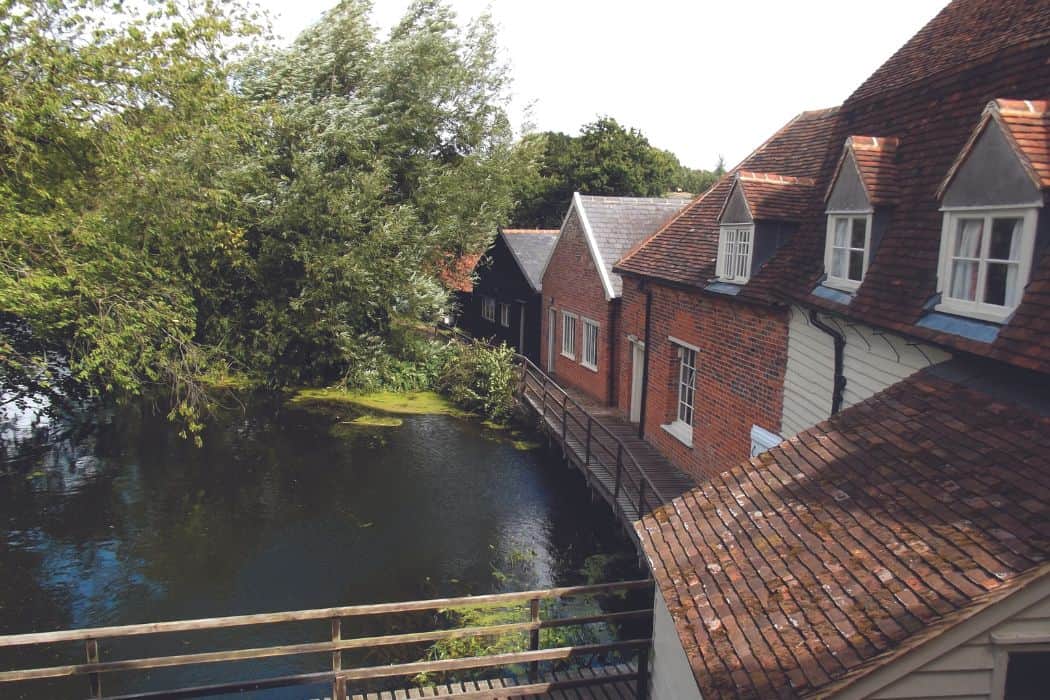
Buildings such as Flatford Mill and Willy Lott’s Cottage form part of the fieldwork landscape and are used to explore links between environment, economic activity and cultural significance. These sites support enquiries into how places are shaped and represented over time.

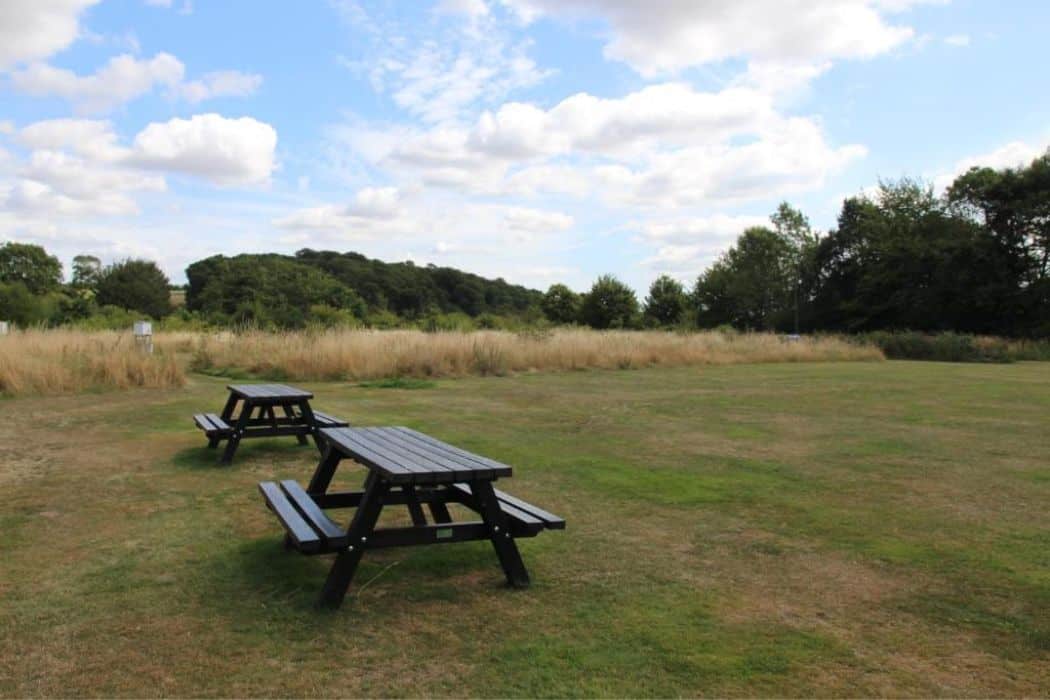
Centre Grounds and Woodland Areas
Agricultural landscapes
Surrounding farmland is used for fieldwork focusing on land use, rural change and environmental management. These landscapes allow comparisons between managed land, river environments and settlements.
Wooded and grassed areas within the centre grounds are used for biological and environmental science fieldwork, including ecological sampling, biomass estimation, and investigation of soil and vegetation characteristics. These sites also support skills development for GCSE and post‑16 fieldwork.
How fieldwork is delivered at Flatford Mill
Fieldwork at Flatford Mill is structured around a clear route of enquiry, combining classroom learning with practical investigation in the field. Session begin with a classroom introduction where students are introduced to key concepts, terminology and fieldwork techniques. Students develop an understanding of the aims of the investigation, consider appropriate sampling methods and review risk assessments, ensuring they are prepared before entering the field.
Students then undertake fieldwork at carefully selected sites, where they apply techniques, collect primary data and make observations in real environments. This supports the development of practical skills such as measurement, sampling, identification and accurate recording.
Follow‑up sessions take place back at the centre, later in the day, enabling students to process, analyse and interpret their data. Back in the classroom, students present findings, identify patterns and apply appropriate statistical or graphical techniques. These sessions also provide opportunities to evaluate methods, consider limitations and link outcomes to theory, supporting deeper understanding.
Across a course, students progress from guided activities towards more independent enquiry. This approach builds confidence in planning, carrying out and communicating fieldwork, while developing the knowledge and skills required for geography, biology and environmental science.
Would you like to find out more?
"*" indicates required fields