
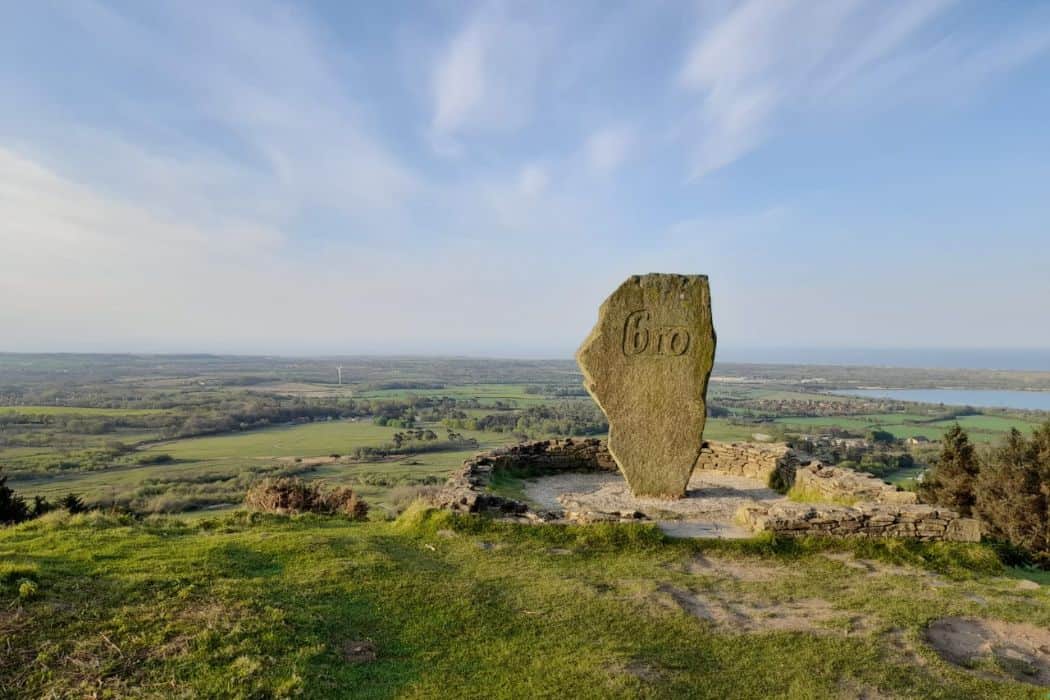
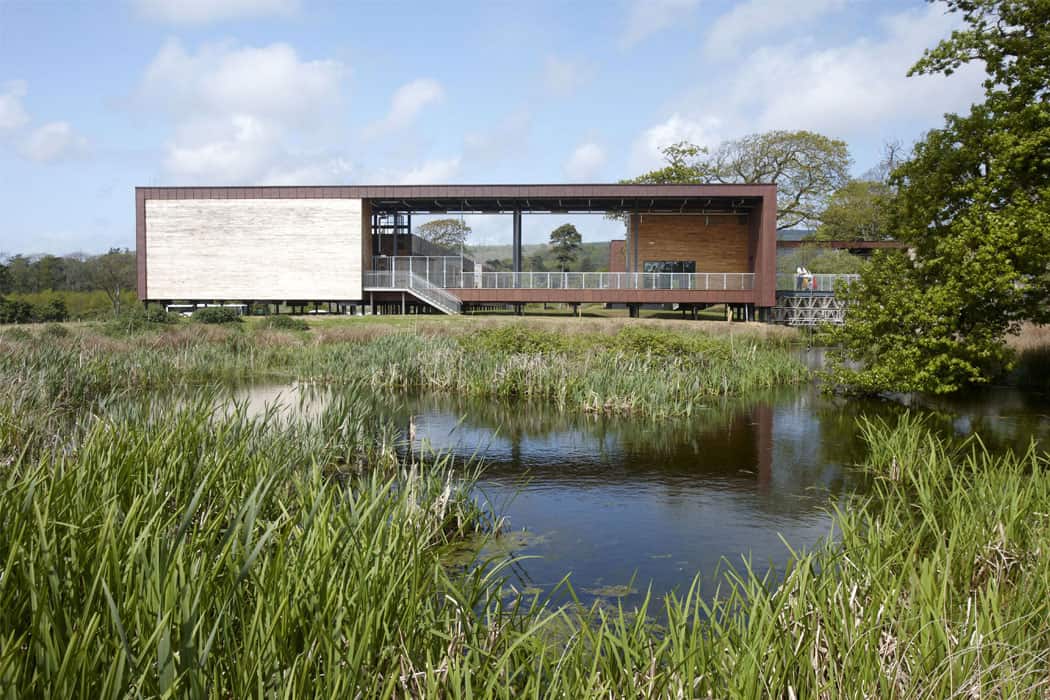
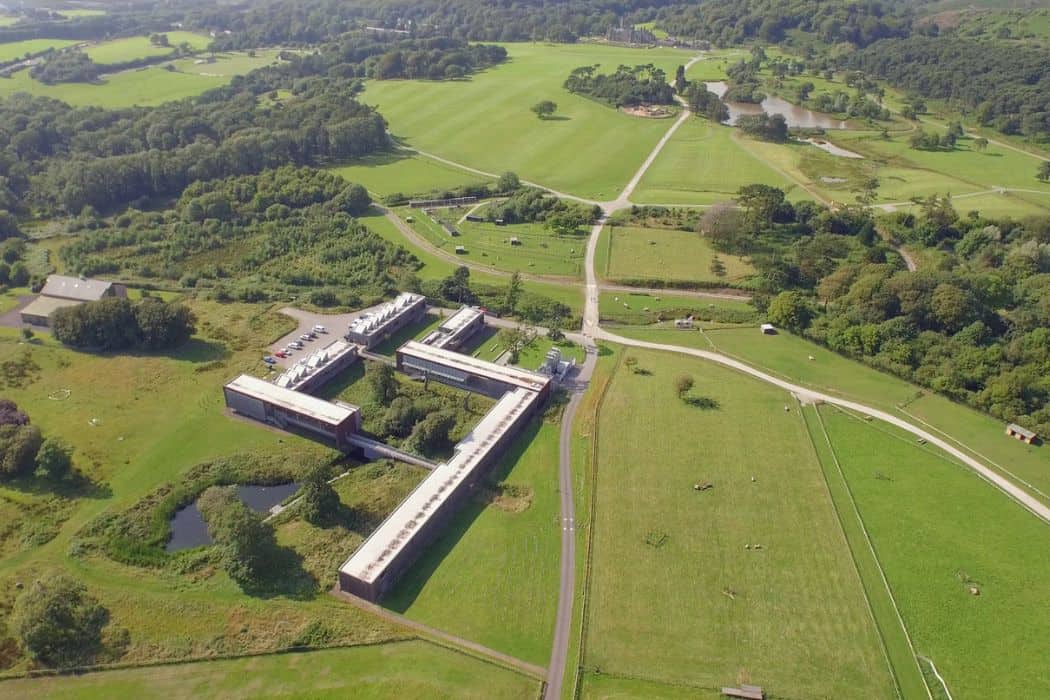
The area surrounding Margam Discovery Centre provides access toa wide range of contrasting environments including woodland, grassland, freshwater streams, wetlands, sand dune systems, rocky shorelines and the South Wales Heritage Coast. The centre is set in Margam Country Park near Port Talbot inSouth Wales, between Swansea and Cardiff. Set within an 850‑acre historic parkland estate, the centre offers a rich and varied setting for fieldwork across multiple subjects.
The extensive Margam Country Park, provides immediate access to a large, varied lowland landscape. The park includes woodland, grassland, wetlands, freshwater streams and small catchments, allowing students to carry out fieldwork close to the centre. This site is particularly well suited to investigations into ecosystems, biodiversity, succession, carbon and water cycles, infiltration, interception and land‑use impacts, as well as supporting enquiry skills, data collection and independent investigations.
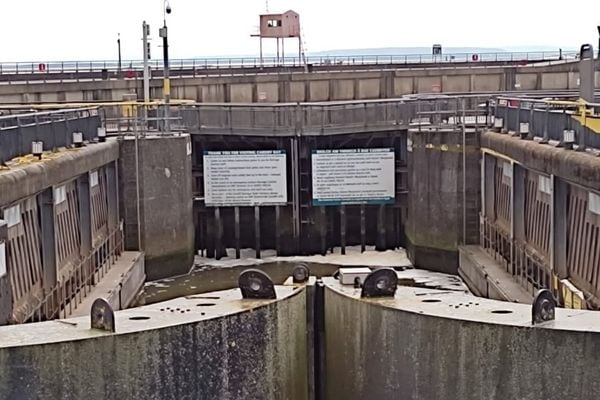
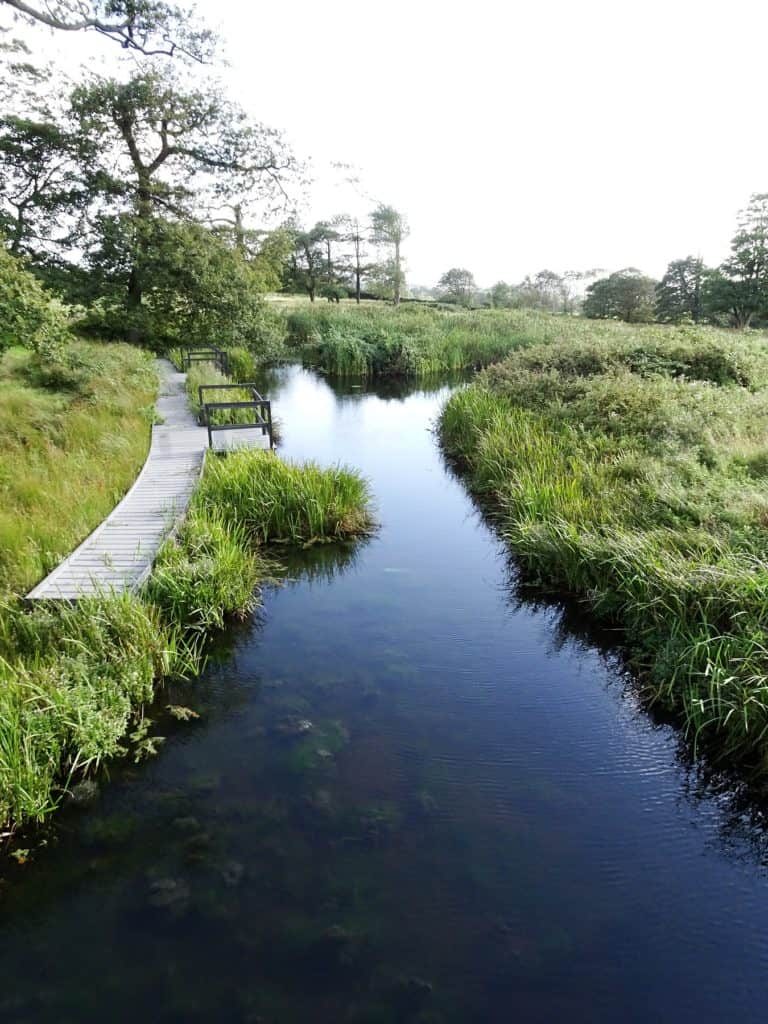
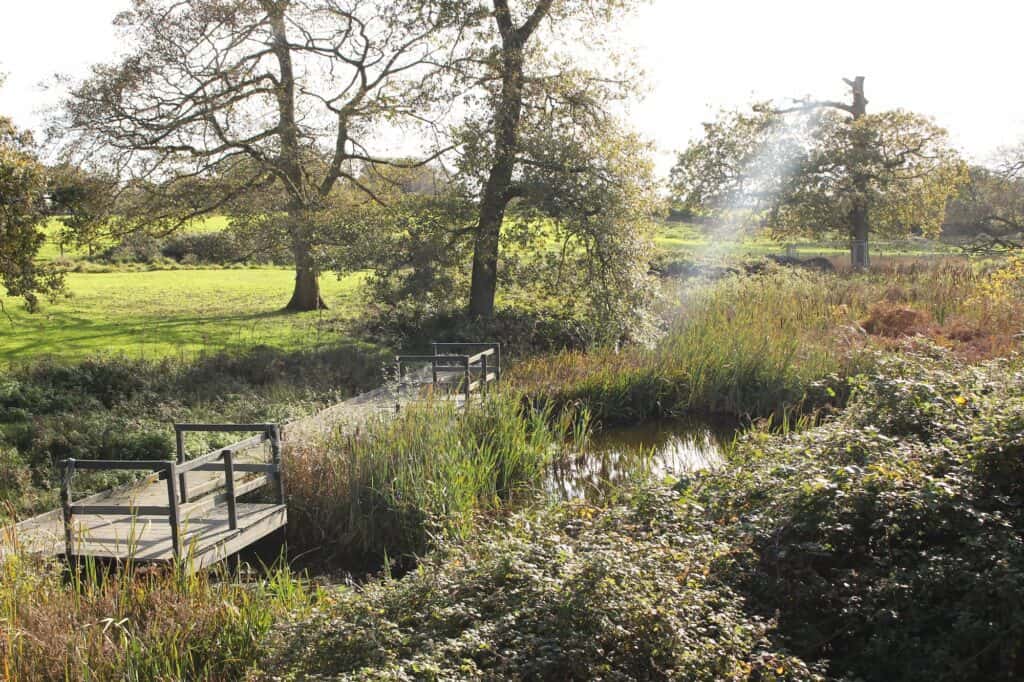
These fieldwork sites support studies in geography, biology and environmental science, enabling students to investigate ecosystems, succession, coastal processes, carbon and water cycles, land use, sustainability and human–environment interactions through first‑hand data collection.
Explore the field sites available at Margam Discovery Centre
An example of our sites are set out below. *When transport is required for offsite fieldwork, additional in-course costs are incurred and clearly stated in your programme
Margam Country Park
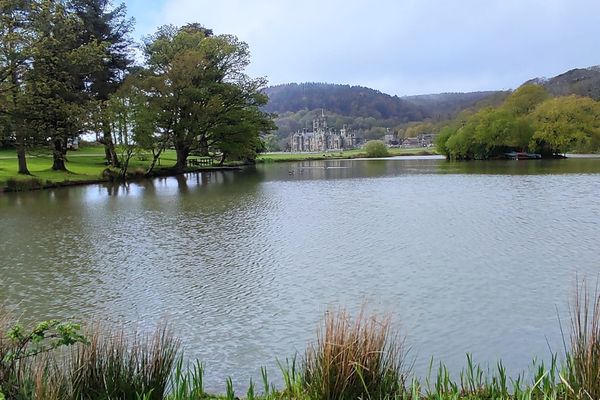
Margam Discovery Centre is set within the extensive Margam Country Park, providing immediate access to a large, varied lowland landscape. The park includes woodland, grassland, wetlands, freshwater streams and small catchments, allowing students to carry out fieldwork close to the centre. This site is particularly well suited to investigations into ecosystems, biodiversity, succession, carbon and water cycles, infiltration, interception and land‑use impacts, as well as supporting enquiry skills, data collection and independent investigations.
Crymlyn Burrows SSSI
Crymlyn Burrows is a nationally important sand dune system and Site of Special Scientific Interest on Swansea Bay. It provides an excellent environment for studying sand dune formation, zonation and primary succession, as well as the impacts of trampling, tourism and climate change on fragile coastal ecosystems. The site supports both physical and human geography investigations, with opportunities for quantitative and qualitative data collection across vegetation, sediment and environmental gradients.
“Bracelet bay day – perfect”
Teacher – Balcarras, 2025
Newton Beach and Trecco Bay
Newton and Trecco Bay, adjoining the town of Porthcawl, offer a diverse coastal setting including sandy beaches, rocky headlands and multiple coastal management strategies. These sites are used to investigate coastal processes, sediment movement, beach profiles and the sustainability of hard and soft engineering solutions. The proximity of tourism infrastructure and residential land use also allows students to explore human–coastal interactions and coastal management decision‑making.
Porthcawl
Porthcawl is a small seaside town with a strong tourism identity and a history linked to South Wales’ industrial past. It is used extensively for human geography and place‑based studies, including changing places, perceptions of place, tourism economies, regeneration and coastal management. Its pedestrianised centre, varied land uses and seafront defences make it well suited to environmental quality assessments, perception surveys, urban drift and regeneration investigations.
Crymlyn Bog National Nature Reserve
Crymlyn Bog is the largest lowland fen in Wales and a nationally significant wetland habitat. The site is used for advanced environmental and ecological studies, particularly around biodiversity, peat formation, succession and carbon sequestration. Students can compare carbon storage in peatlands with woodland environments and explore wetland conservation, land management and ecosystem services in a real‑world context.
Bracelet Bay, Mumbles
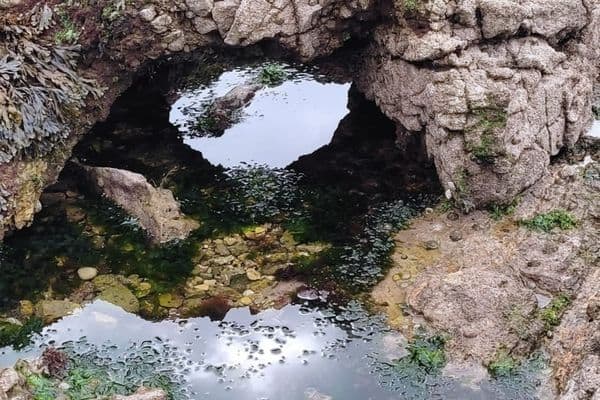
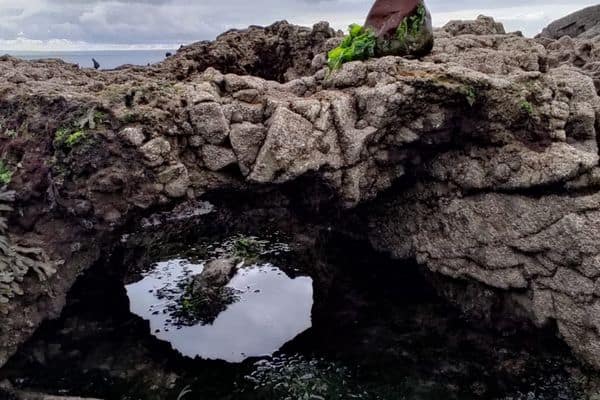
Bracelet Bay is a classic rocky shore site on the Gower Peninsula, offering clear examples of tidal zonation and marine biodiversity. The site supports investigations into species distribution, adaptations to wave exposure and environmental gradients, using transects and quadrats. It is particularly valuable for studying ecological interactions on rocky shores and for developing robust sampling, identification and statistical analysis skills.
Nant Cwm Philip and local freshwater catchments
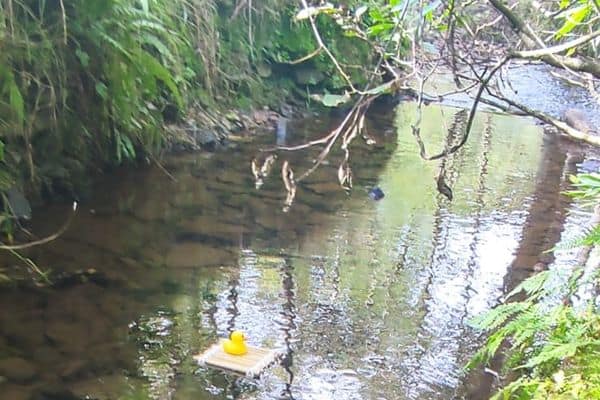
Local streams and small catchments near Margam provide accessible freshwater environments for river and water quality investigations. These sites allow students to examine river processes, channel characteristics, sediment movement and flooding at a small scale. They are also used for freshwater ecology studies, water quality monitoring and pollution investigations using bioindicators and abiotic measurements.
River Ogmore
The River Ogmore offers opportunities for larger‑scale river studies, including source‑to‑mouth investigations. Students can examine downstream changes, river processes, flood risk and the sustainability of river management strategies. The river is particularly useful for integrating physical geography with human decision‑making and land‑use impacts within a Welsh river system.
Cardiff Bay
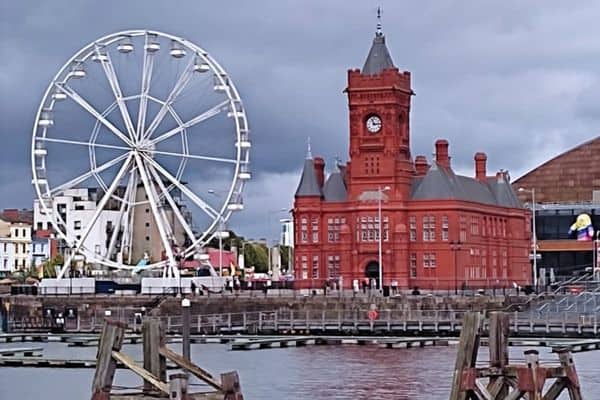
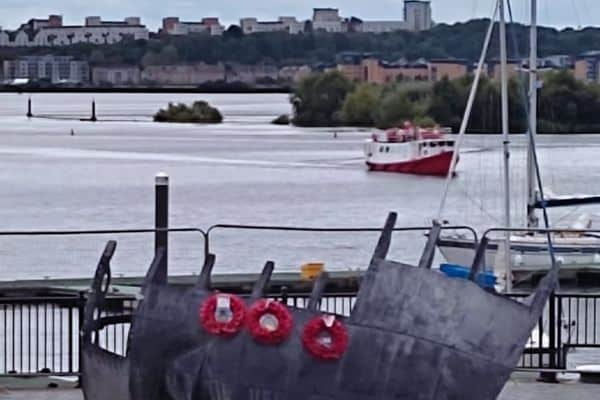
Cardiff Bay is one of the largest regeneration projects in Europe and provides a contrasting urban field site to the rural and coastal landscapes around Margam. The area is used to investigate regeneration, rebranding, land‑use change and sustainability in an urban coastal environment. The scale of redevelopment, combined with clear social, economic and environmental dimensions, makes Cardiff Bay well suited to place‑based and regeneration studies.
Local air and noise pollution sites
Selected locations in and around Margam Park and nearby settlements are used for air and noise pollution investigations. These sites allow students to study the impacts of pollutants on organisms and people, using tools such as lichen bioindicators and decibel measurements. They support environmental science enquiries into anthropogenic impacts, monitoring techniques and environmental management.
How fieldwork is conducted at Margam Discovery Centre
Fieldwork at Margam is structured around a clear route of enquiry, combining classroom learning with practical investigation in the field. Session begin with a classroom introduction where students are introduced to key concepts, terminology and fieldwork techniques. Students develop an understanding of the aims of the investigation, consider appropriate sampling methods and review risk assessments, ensuring they are prepared before entering the field.
Students then undertake fieldwork at carefully selected sites, where they apply techniques, collect primary data and make observations in real environments. This supports the development of practical skills such as measurement, sampling, identification and accurate recording.
Follow‑up sessions take place back at the centre, later in the day, enabling students to process, analyse and interpret their data. Back in the classroom, students present findings, identify patterns and apply appropriate statistical or graphical techniques. These sessions also provide opportunities to evaluate methods, consider limitations and link outcomes to theory, supporting deeper understanding.
Across a course, students progress from guided activities towards more independent enquiry. This approach builds confidence in planning, carrying out and communicating fieldwork, while developing the knowledge and skills required for geography, biology and environmental science.
Margam Discovery Centre is easily accessible from much of South Wales and South West England, situated just off the M4 with good road and rail links. It is widely used by schools from Swansea, Cardiff, the Valleys and beyond, making it an established and accessible fieldwork location. The combination of extensive parkland, nationally important coastal sites and nearby urban and post‑industrial landscapes makes Margam particularly well suited to curriculum‑linked fieldwork in a distinctive Welsh coastal environment.