
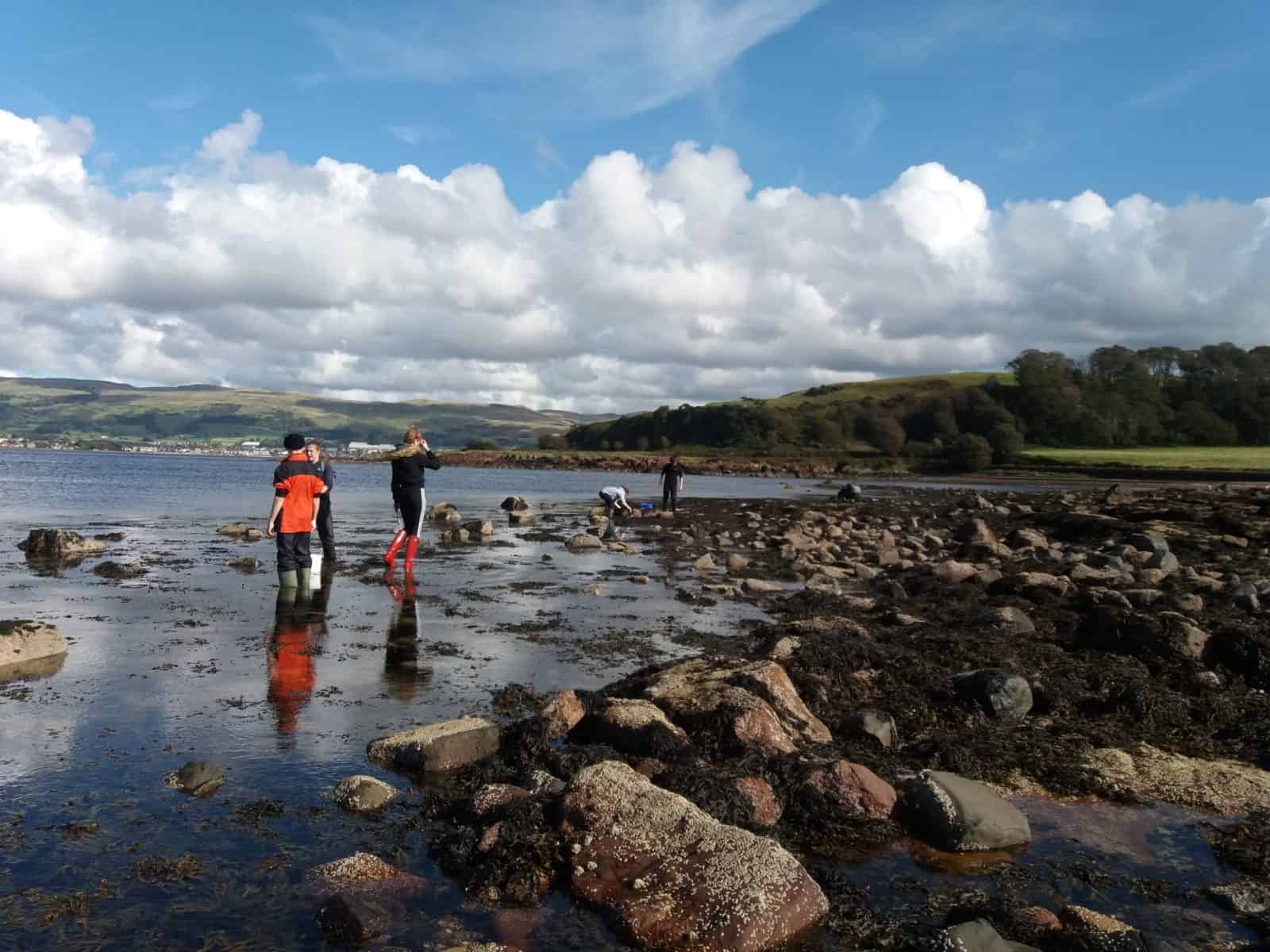
The area surrounding Millport provides access to a range of distinctive coastal and island environments, including rocky shores, sandy bays, coastal habitats, woodland, freshwater and human‑influenced landscapes. The field centre is located on the Isle of Cumbrae in the Firth of Clyde, with immediate access to coastal fieldwork sites within walking distance of the centre.
Millport Field Centre provides direct access to a diverse coastal environment shaped by tidal processes, ecological interactions and human activity. The close proximity of contrasting coastal and inland environments allows students to carry out fieldwork across rocky shores, sandy bays, woodland and freshwater locations within a compact study area. This setting is particularly well suited to investigations into marine ecosystems, coastal processes, ecology, environmental change and fieldwork techniques.
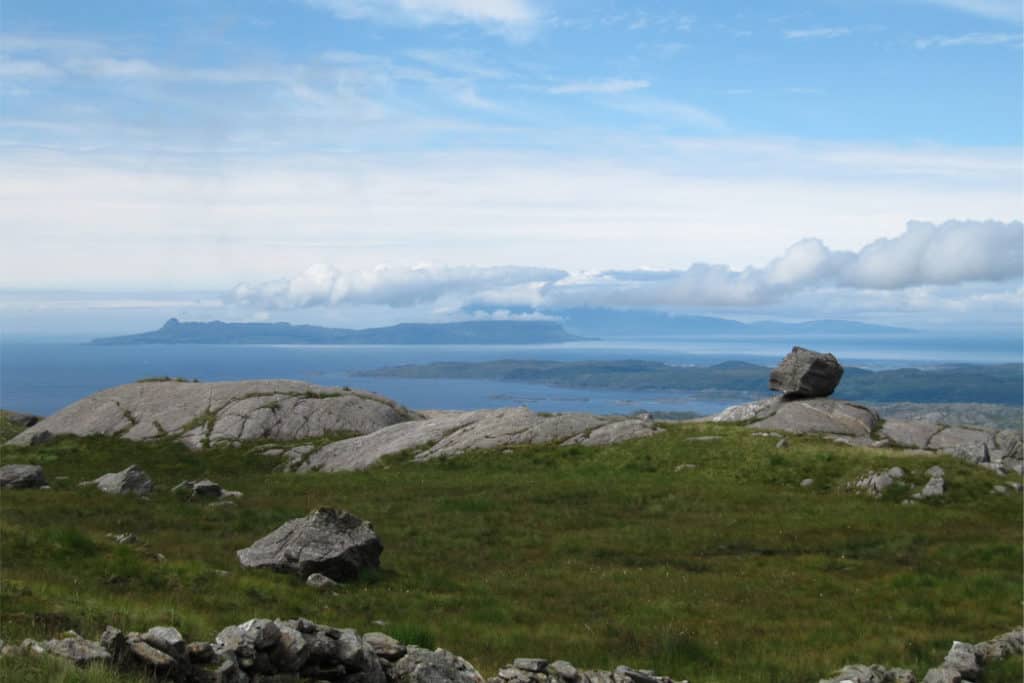
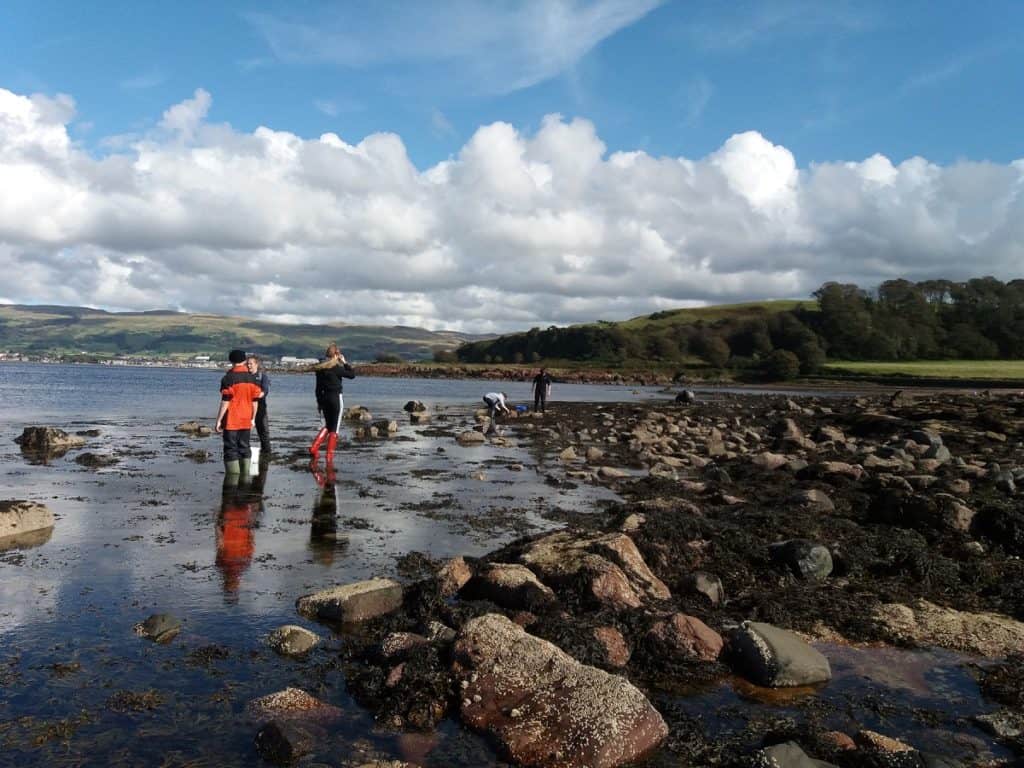
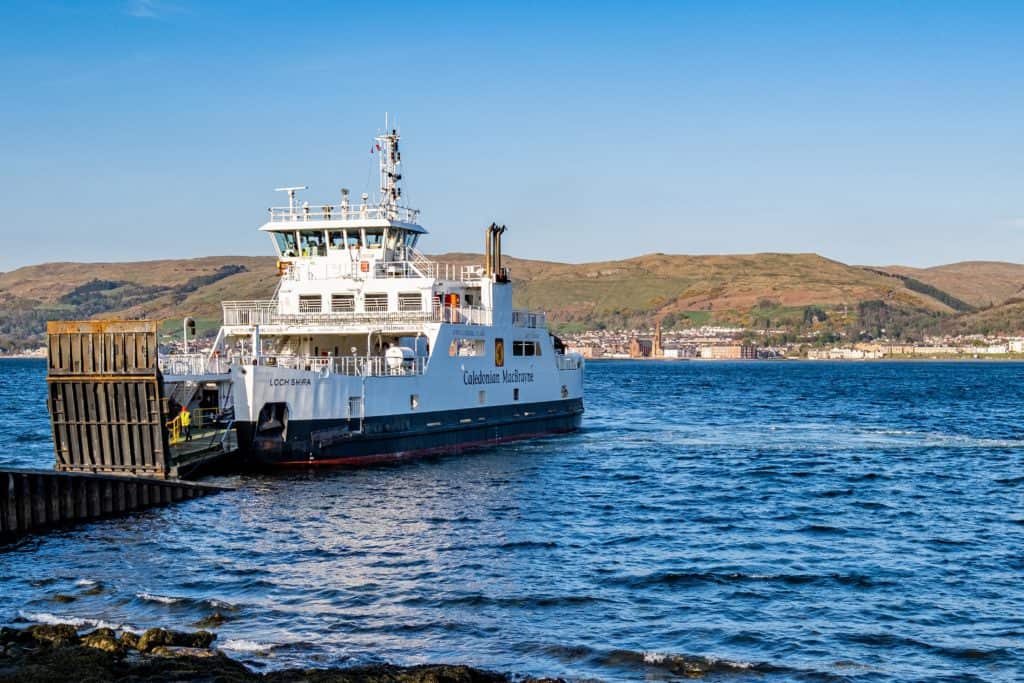
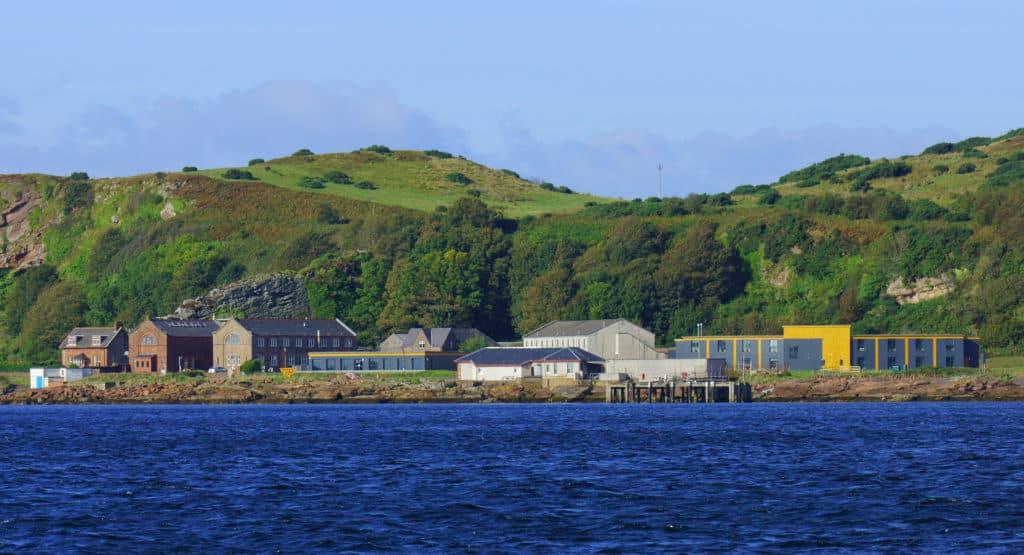
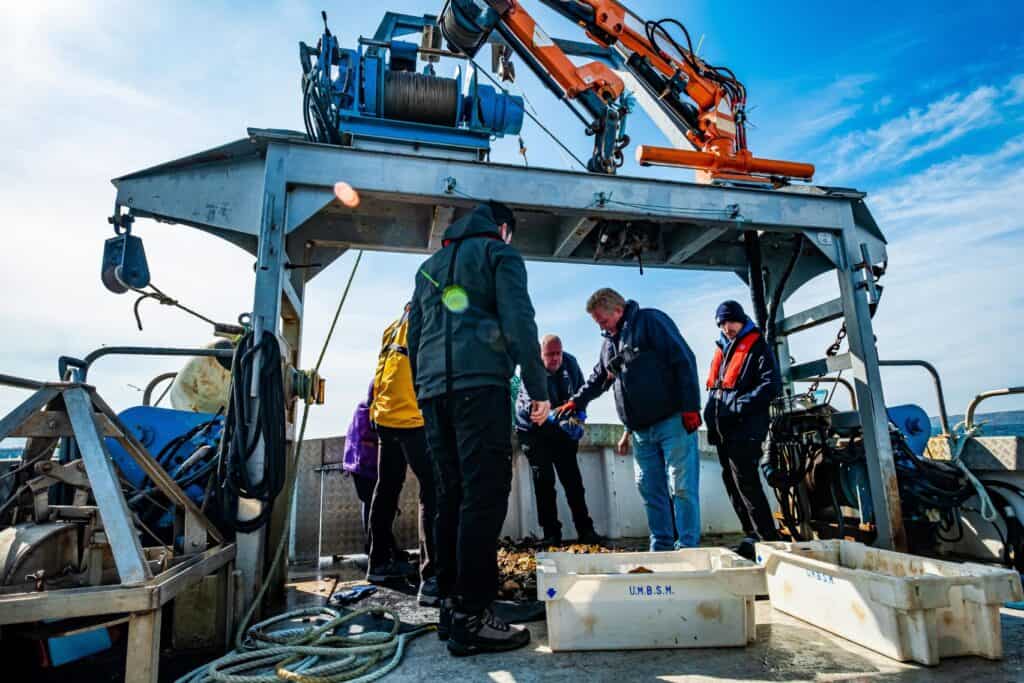
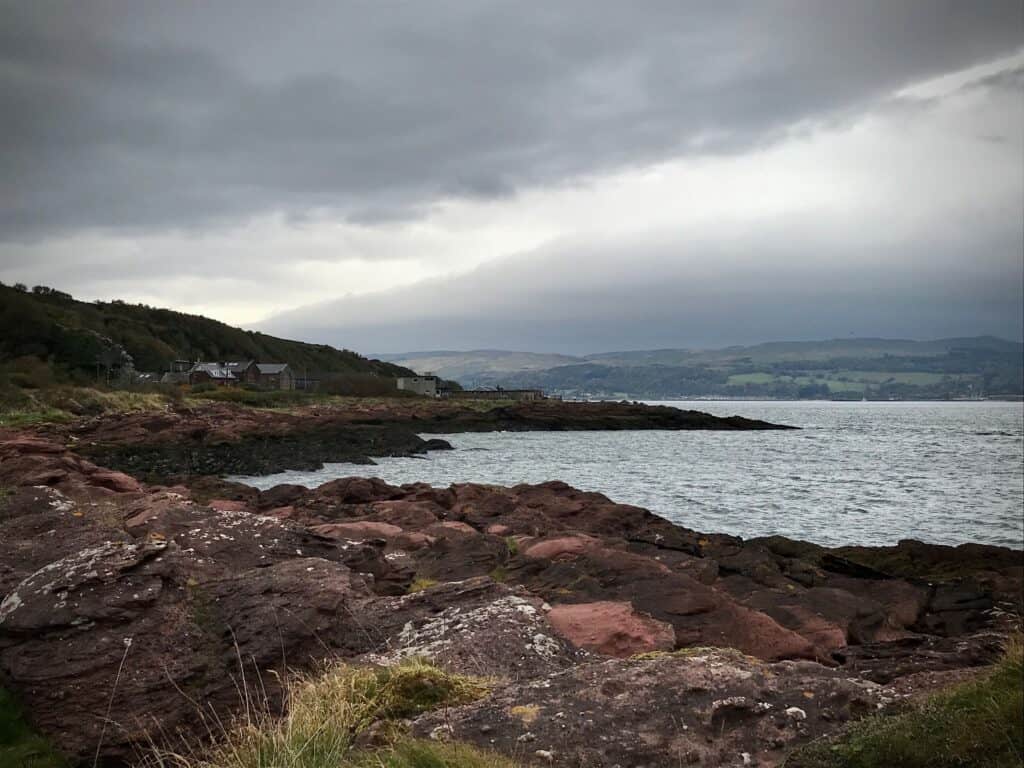
These fieldwork sites support studies in geography, biology and environmental science, enabling students to investigate physical processes, ecological systems and human impacts through first‑hand data collection. The immediate access to varied coastal environments supports repeated investigation, skill development and enquiry‑based fieldwork.
Explore the field sites used at Millport
An example of our sites is set out below. *When transport is required for off-site fieldwork, additional in-course costs are incurred and clearly stated in your programme.
Rocky shore environments
Coastal rocky shores located close to the centre provide key fieldwork sites for ecological and geographical investigations. These environments are used to study zonation, species distribution and adaptation in response to environmental gradients such as exposure, tidal range and abiotic factors. Students apply sampling techniques such as quadrats and transects to investigate biodiversity patterns and ecological relationships.
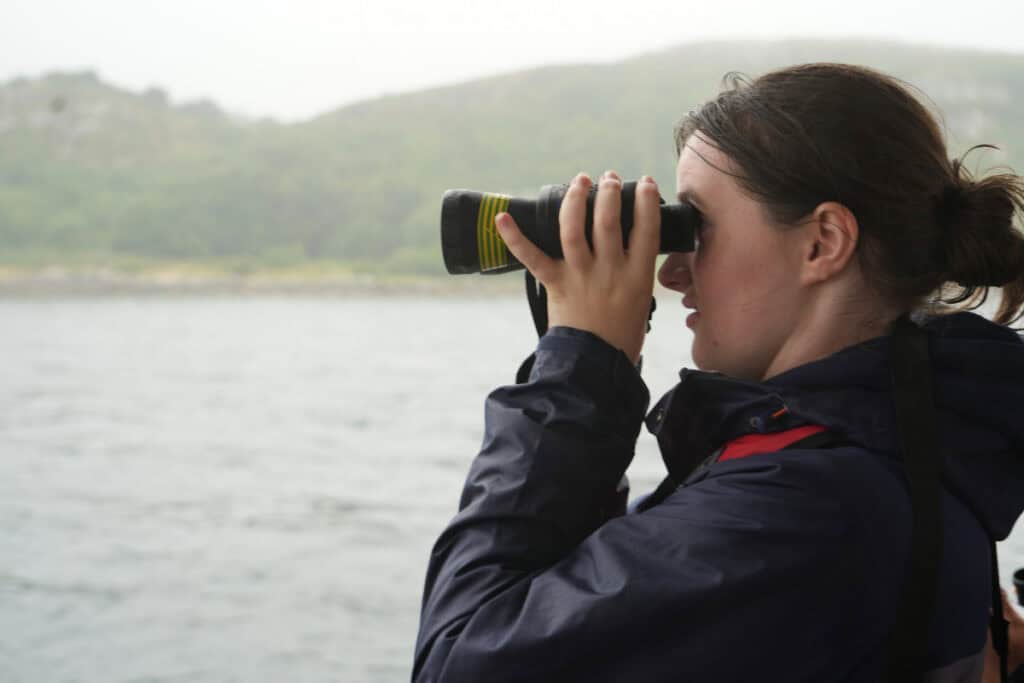
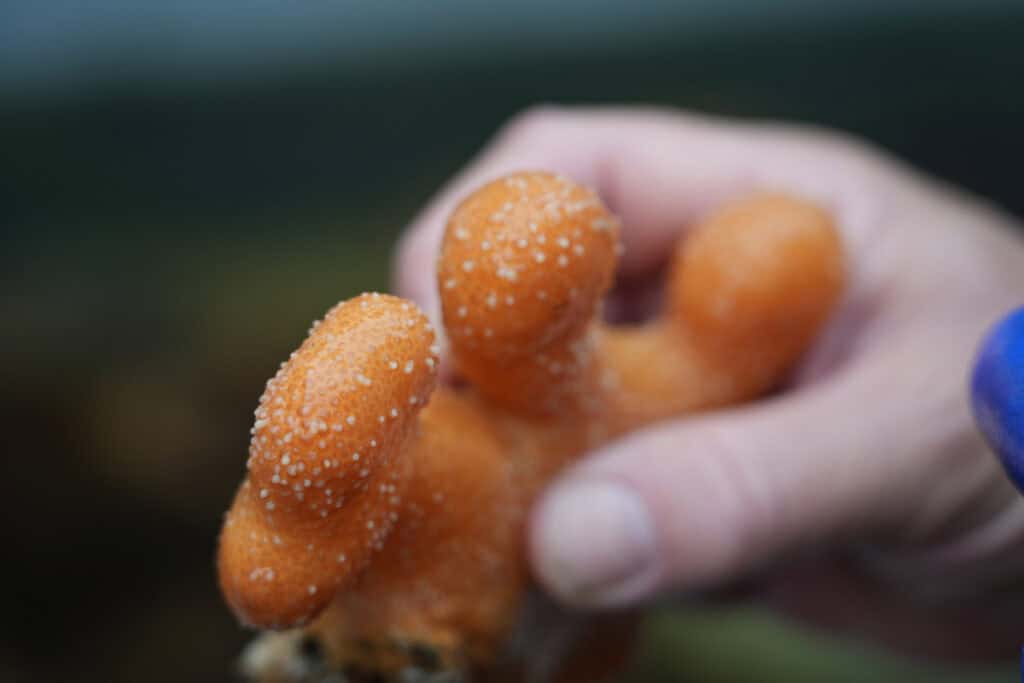
Pottery Bay and White Bay
Rocky shore sites provide access to intertidal environments where students investigate zonation, species distribution and adaptation. These locations are used to study how environmental gradients such as tidal exposure and substrate influence ecological patterns, with fieldwork focused on quadrat sampling, transects and abiotic measurements.
Sandy shores and coastal bays
Sandy bays within walking distance provide contrasting coastal environments for fieldwork. These sites are used to investigate coastal processes, sediment characteristics and species diversity across tidal zones. Students collect and analyse data on beach profiles, sediment size and benthic organisms to explore how physical processes influence coastal landscapes and ecosystems.
Kames Bay and Newtown Bay
Sandy bay environments offer contrasting coastal field sites for investigating coastal processes and biodiversity. These sites are used to study beach profiles, sediment characteristics and benthic species distribution, as well as processes such as longshore drift and coastal change.
It was all fantastic. The tutors paced activities well and made adjustments for everyone in the group, creating a welcoming and very inclusive atmosphere. I only wish I had had the opportunity to come to Millport when I was a child.
– Teacher, 2025
Coastal process and management sites
Selected coastal locations around Millport enable investigation of processes such as longshore drift, beach formation and coastal change. These sites also support studies into coastal management, including flood defence appraisal and the effectiveness of human interventions.
Freshwater and woodland environments
Inland field sites, including ponds and woodland areas, provide opportunities to investigate terrestrial and freshwater ecosystems. These environments support studies into soil characteristics, vegetation patterns, ecological energetics and environmental gradients, allowing comparison between coastal and inland systems.
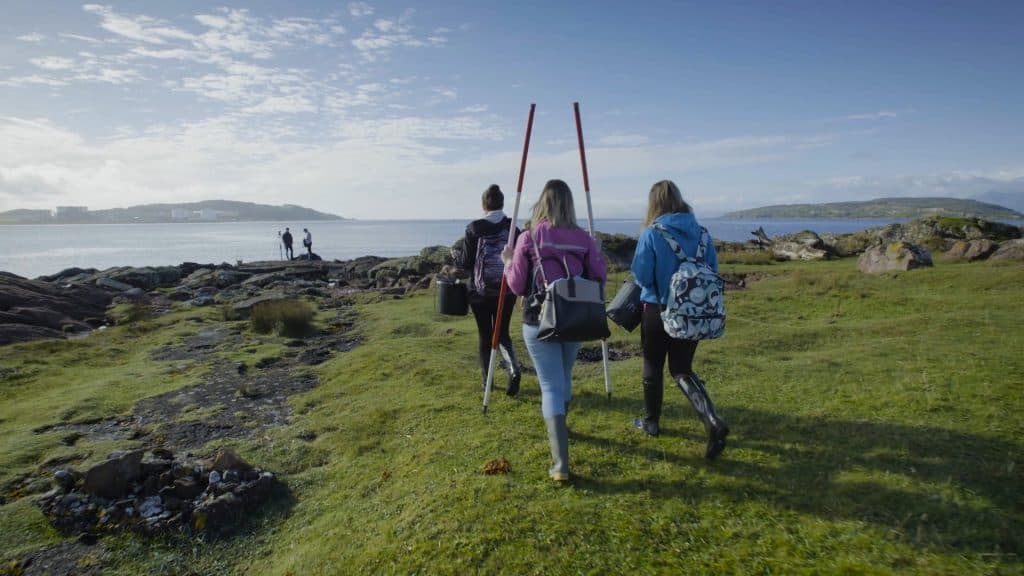
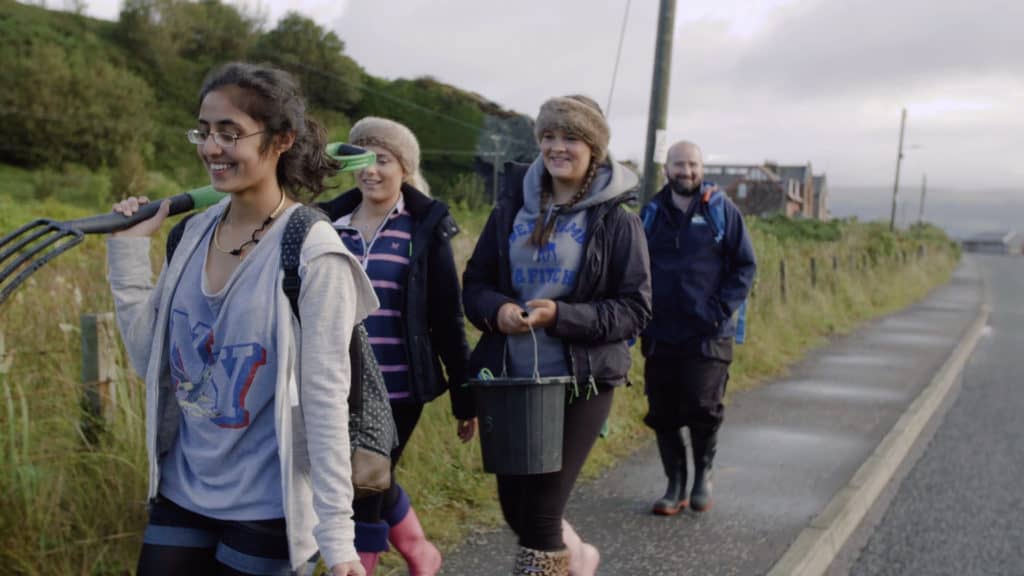
Ballikellet Woods and Lady Margaret’s Woods
Woodland sites providing inland contrast to coastal environments. These locations are used to investigate soil characteristics, vegetation structure and ecological variation, including soil catena studies and comparisons between different woodland types.
On-site freshwater habitats
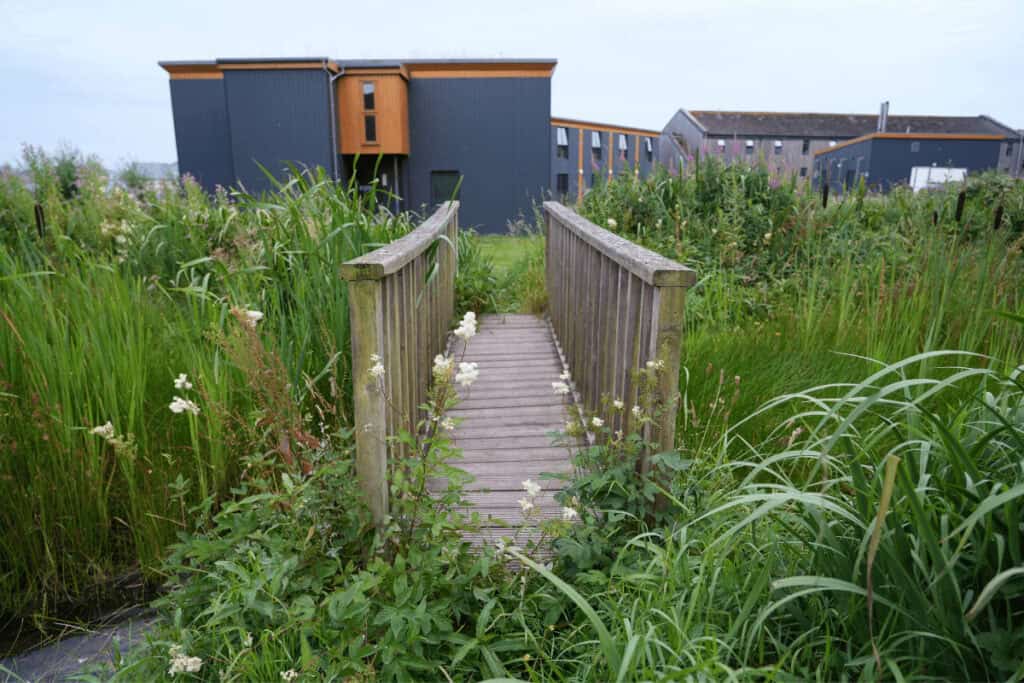
Freshwater environments within or close to the centre grounds support ecological investigations into aquatic systems. These are used for sampling and identification of freshwater organisms, and for studying ecological energetics and population dynamics.
Human geography and tourism locations
The town of Millport and surrounding areas provide accessible sites for human geography investigations. Students can explore tourism, environmental quality and human impacts through data collection methods such as questionnaires, environmental quality assessments and impact indices.
Millport town
Settlement sites within walking distance of the centre provide opportunities for human geography fieldwork. These are used to investigate tourism, environmental quality and coastal management, including data collection through surveys, environmental quality assessments and perception studies.
Noddsdale Water
River sites accessed by transport provide opportunities for extended physical geography fieldwork. These locations are used to investigate downstream changes in river characteristics, channel processes and fluvial landforms through systematic data collection at multiple sites along the river profile.
Offshore and marine study areas
Marine environments around the island extend fieldwork opportunities beyond the shoreline. Boat-based sampling enables investigation of plankton, seabed organisms and wider marine ecosystems, alongside opportunities to study marine biodiversity and ecological interactions.
How fieldwork is conducted at Millport
Fieldwork at Millport is structured around a clear route of enquiry, combining classroom learning with practical investigation in the field. Sessions begin with a classroom introduction where students are introduced to key concepts, terminology and fieldwork techniques. Students develop an understanding of the aims of the investigation, consider appropriate sampling methods and review risk assessments, ensuring they are prepared before entering the field.
Students then undertake fieldwork at carefully selected sites, where they apply techniques, collect primary data and make observations in real environments. This supports the development of practical skills such as measurement, sampling, identification and accurate recording.
Follow‑up sessions take place back at the centre, later in the day, enabling students to process, analyse and interpret their data. Back in the classroom, students present findings, identify patterns and apply appropriate statistical or graphical techniques. These sessions also provide opportunities to evaluate methods, consider limitations and link outcomes to theory, supporting deeper understanding.
Across a course, students progress from guided activities towards more independent enquiry. This approach builds confidence in planning, carrying out and communicating fieldwork, while developing the knowledge and skills required for geography, biology and environmental science.
Would you like to find out more?
"*" indicates required fields