
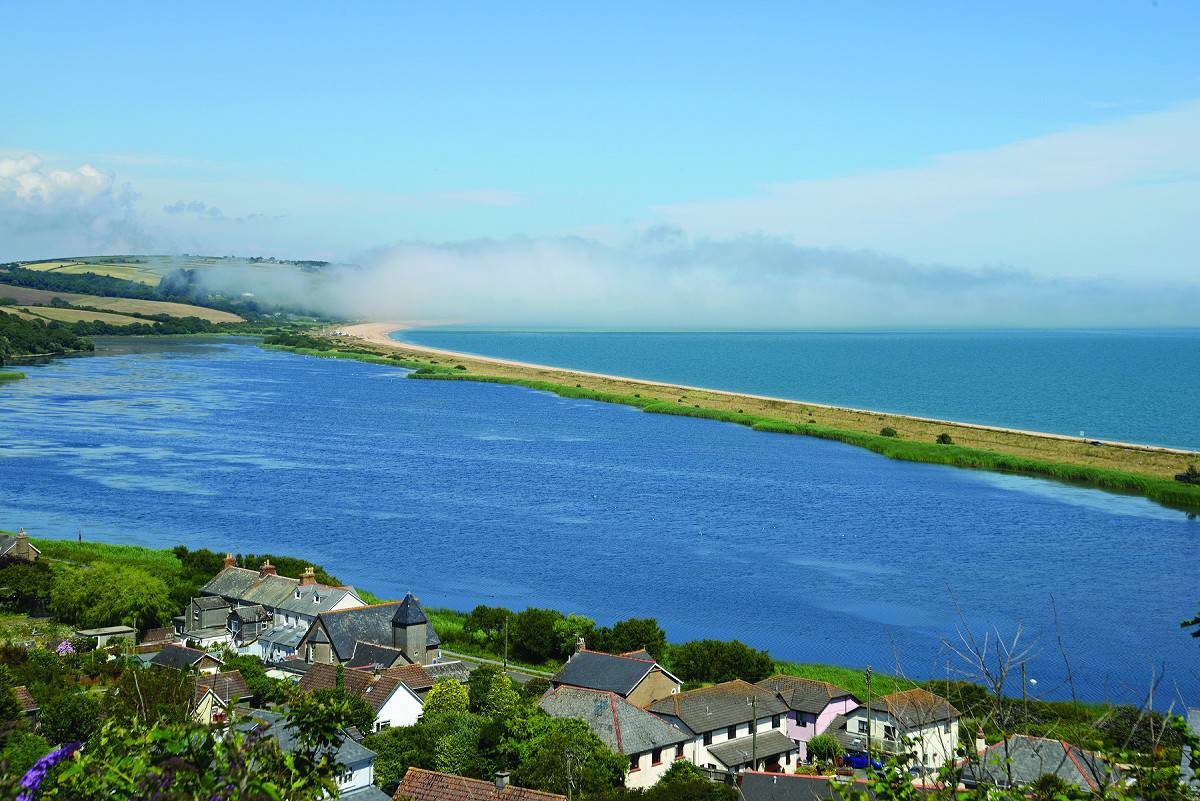
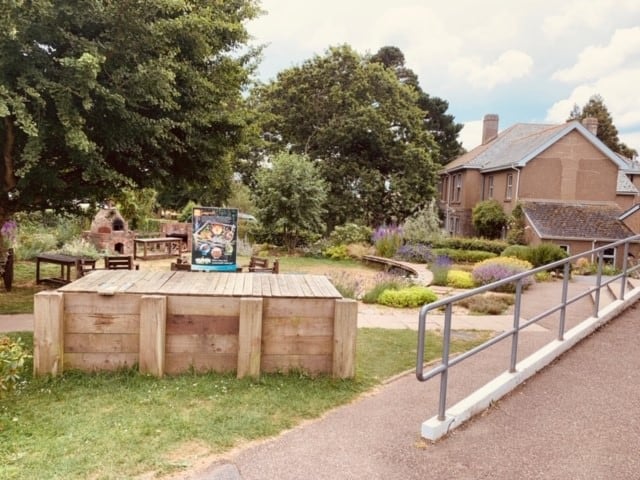
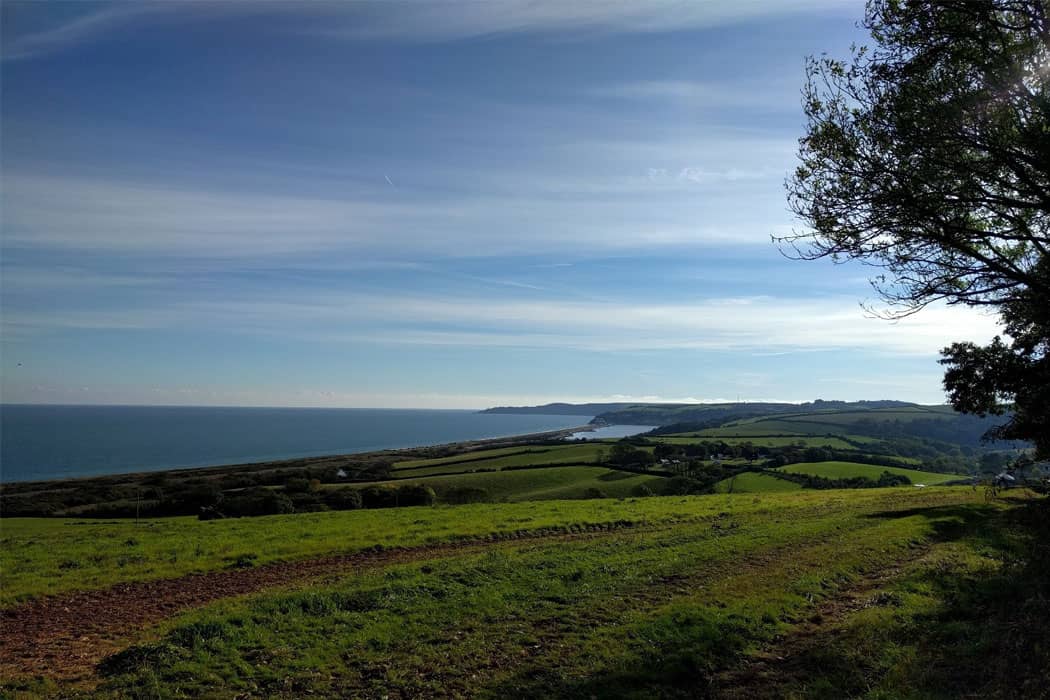
The area surrounding Slapton Ley provides access to a wide range of contrasting environments including freshwater lakes, woodland, grassland, reedbeds, shingle beaches, sand dunes, rocky shores and rural villages. Slapton Ley Field Centre is located in the village of Slapton in South Devon, within the South Devon Area of Outstanding Natural Beauty, and is set at the heart of the Slapton Ley National Nature Reserve.
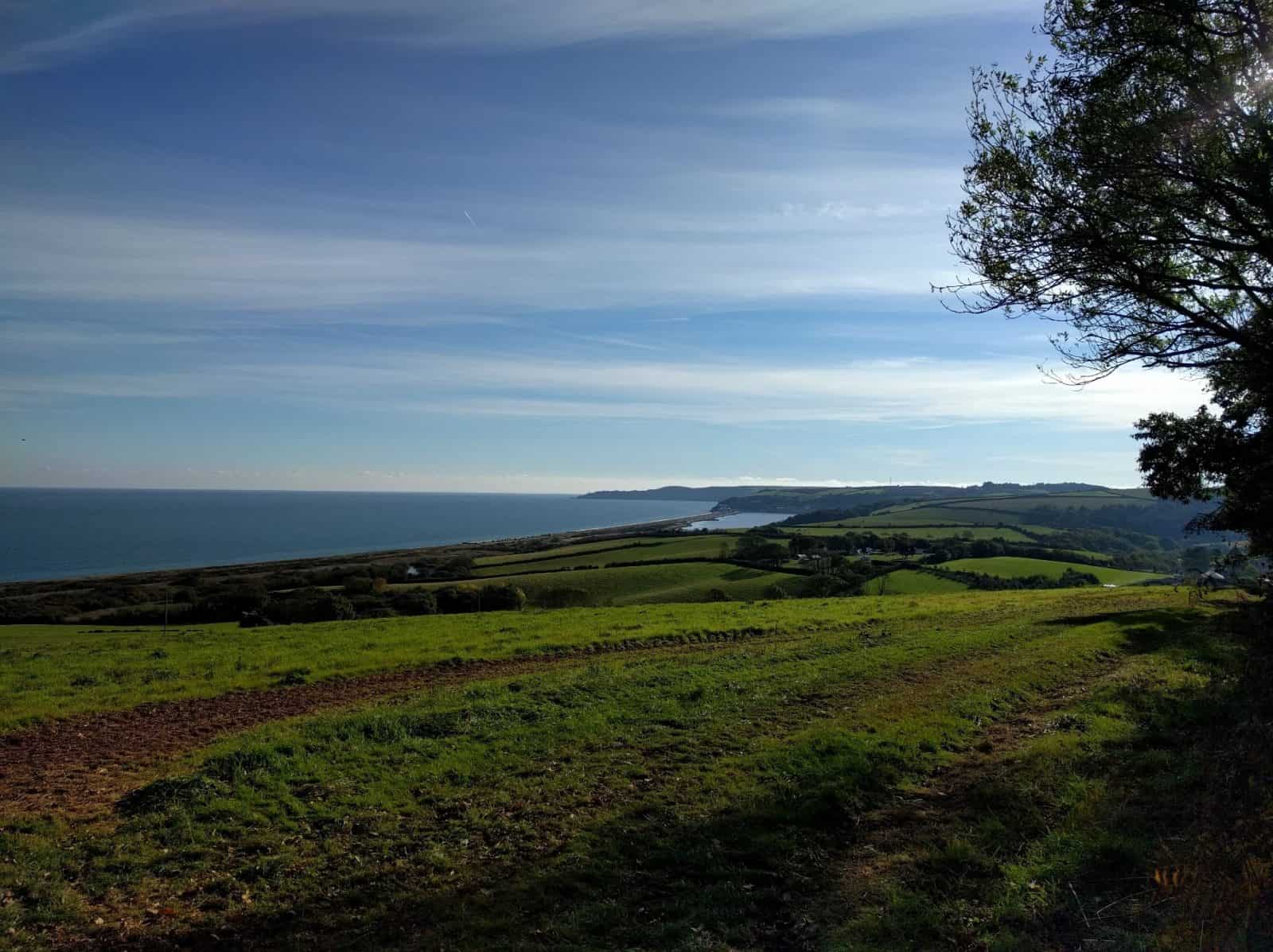
Slapton Ley Field Centre provides immediate access to a large and highly distinctive lowland landscape. The reserve includes England’s largest natural freshwater lake in the south‑west, extensive woodland, streams and agricultural land, with the Slapton Sands shingle barrier beach located a short walk from the centre. This site is particularly well suited to investigations into ecosystems, biodiversity, succession, freshwater processes, coastal dynamics, carbon and water cycles, land‑use impacts and conservation management, while also supporting enquiry skills, data collection and independent.
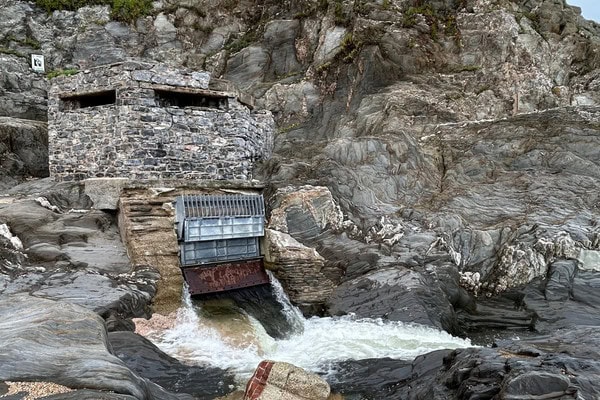
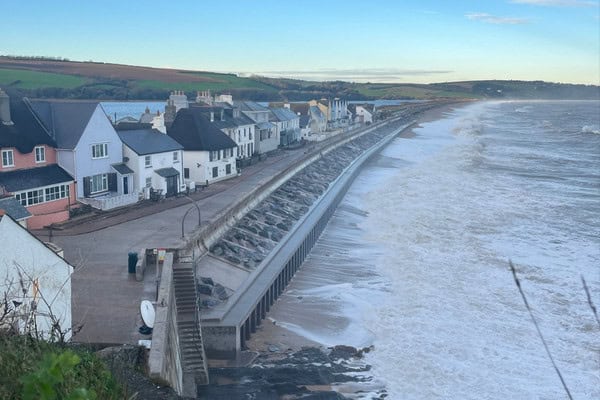
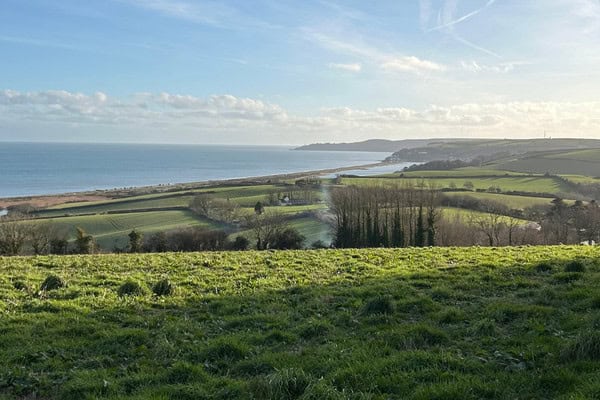
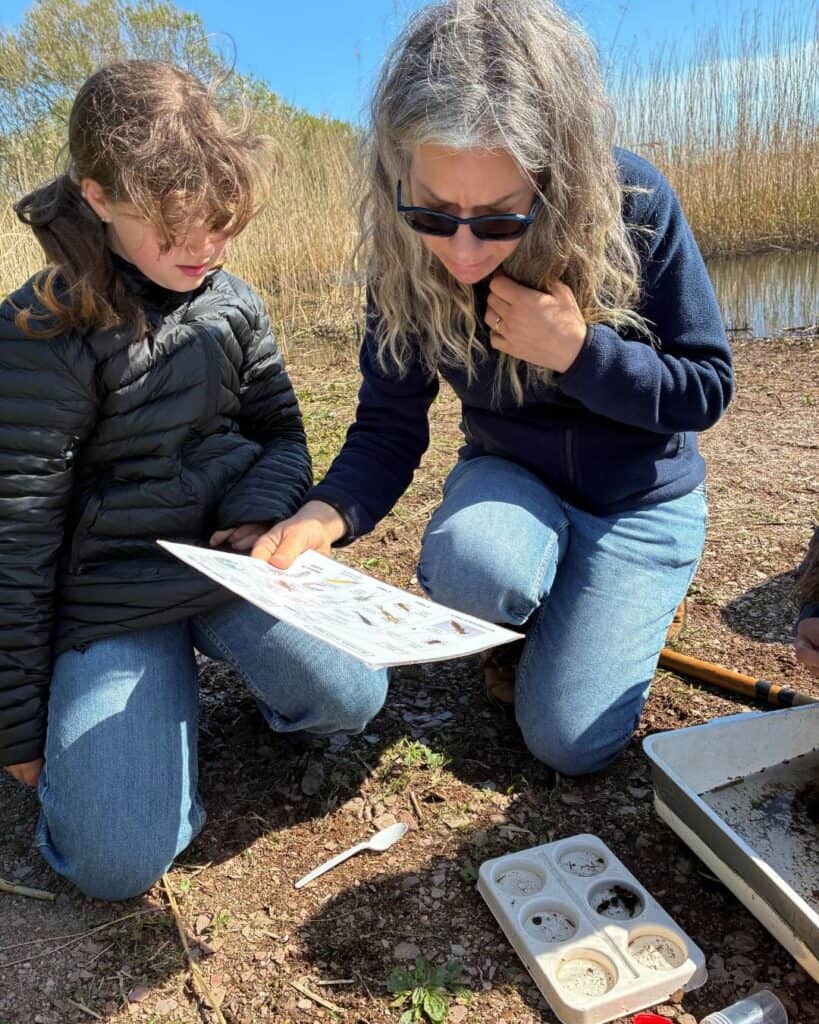

These fieldwork sites support studies in geography, biology and environmental science, enabling students to investigate physical processes, ecological systems and human–environment interactions through first‑hand data collection. The close proximity of freshwater, woodland and coastal environments allows students to explore how systems interact and change across short distances.
Explore the field sites used at Slapton Ley Field Centre
An example of our field sites are set out below. *When transport is required for offsite fieldwork, additional in-course costs are incurred and clearly stated in your programme.
Slapton Ley National Nature Reserve
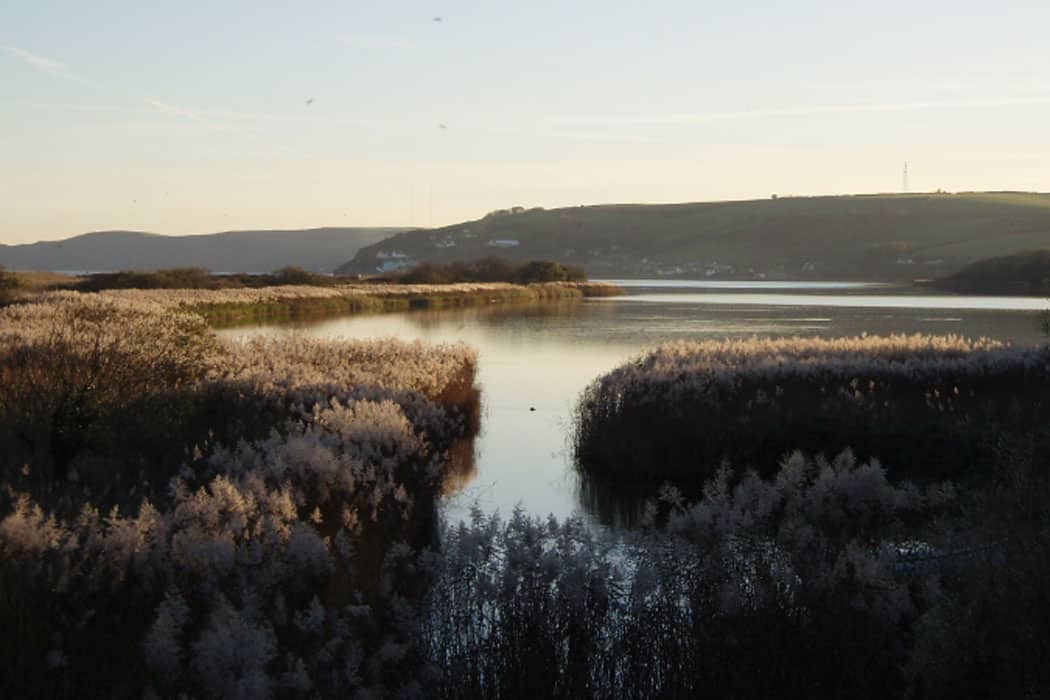
The National Nature Reserve surrounds the centre and provides immediate access to freshwater, reedbed, woodland and grassland habitats. It is used extensively for ecological studies, succession, freshwater investigations, carbon and water cycles, and independent investigations, all within walking distance of the centre..pdf)
Slapton Sands and Start Bay
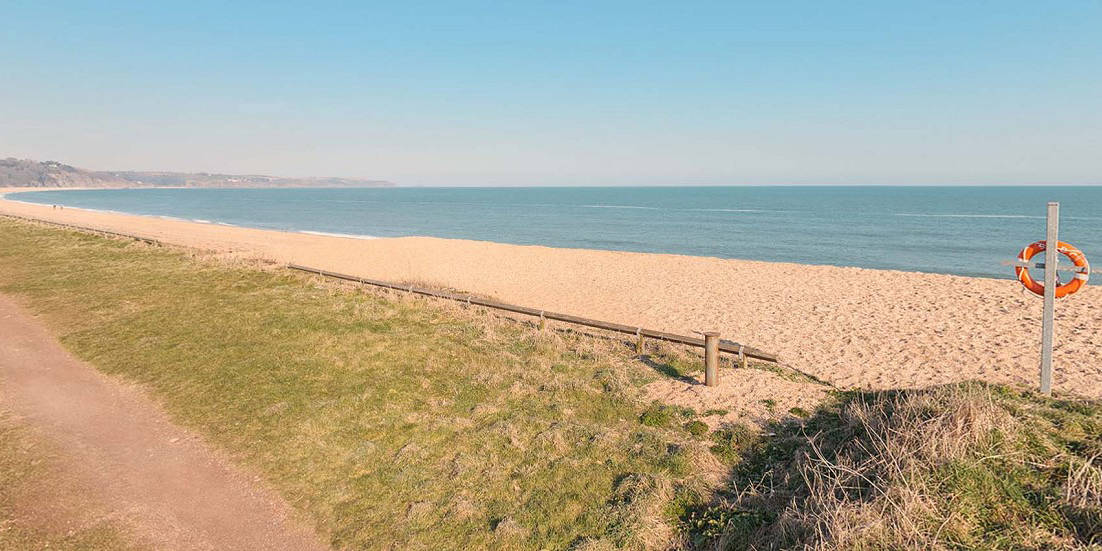
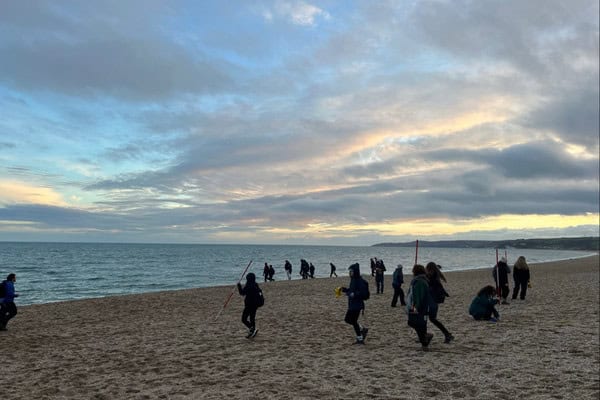
Slapton Sands is an internationally significant shingle barrier beach separating the Ley from the sea. It is used to investigate coastal processes, sediment movement, beach profiles, coastal management strategies, flooding risk and sea‑level change, with fieldwork conducted on foot from the centre or via short local transport.
“Chloe and Chris delivered the session on succession on the shingle ridge. Excellent throughout and well resourced with good follow up resources in the classroom.”
Harper Adams, 2025
Beesands, Hallsands and the wider Start Bay coastline
Nearby coastal settlements and headlands provide contrasting erosional and depositional environments. These sites support comparative coastal fieldwork, allowing students to examine how geology, wave energy and management strategies influence coastal landforms and risk.
“The teaching was exceptionally high quality. The tutors demonstrated both a really clear passion for their subject, as well as a very, very strong grasp of their delivered content. The students really benefitted from some expert knowledge on statistical analysis, the flora & fauna of the area and sampling techniques (as well as some nuggets of local knowledge). I was genuinely very impressed with the quality of the tuition.”
Teacher, Chew Valley School 2025
Slapton Wood and surrounding woodland
Slapton Wood lies adjacent to the centre and forms a core field site for biological and environmental investigations. It is used for woodland ecology, biodiversity surveys, carbon storage, soil studies and succession, all accessed directly on foot.
Local streams and the Slapton Ley catchment
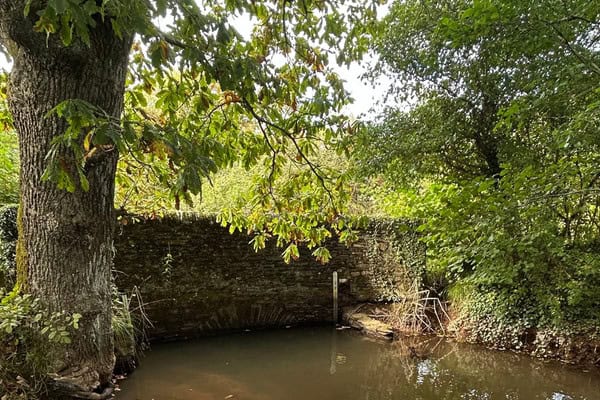
Small streams feeding into the Ley provide accessible freshwater environments for river process studies, water quality monitoring and hydrological investigations. These sites support work on infiltration, runoff, pollution and land‑use impacts within a clearly defined drainage basin.
Slapton and nearby rural villages
Slapton village, and nearby Chillington, are used for rural geography and changing places studies. Their proximity allows students to investigate rural services, quality of life, connectivity and place identity while following the full enquiry process.
Totnes and Plymouth
Totnes provides a contrasting small town context for sustainability and place‑based studies, while Plymouth offers large‑scale urban field sites for regeneration, inequality and urban change. Both locations are reached via centre transport and support GCSE to A‑level investigations.
“The urban regeneration trip to Plymouth was great. Greg really helped the students to understand their case study and was clear in his explanations.”
– Teacher, Greig City 2025
Slapton Ley Field Centre is easily accessible from across the South West of England, including Devon, Cornwall, Somerset and Dorset. It is widely used by schools and colleges for GCSE, A‑level and IB fieldwork, with the combination of protected habitats, dynamic coastal systems and nearby rural and urban landscapes making Slapton a nationally significant fieldwork location in a distinctive South Devon environment.
How fieldwork is conducted at Slapton Ley
Fieldwork at Slapton Ley is structured around a clear route of enquiry, combining classroom learning with practical investigation in the field. Session begin with a classroom introduction where students are introduced to key concepts, terminology and fieldwork techniques. Students develop an understanding of the aims of the investigation, consider appropriate sampling methods and review risk assessments, ensuring they are prepared before entering the field.
Students then undertake fieldwork at carefully selected sites, where they apply techniques, collect primary data and make observations in real environments. This supports the development of practical skills such as measurement, sampling, identification and accurate recording.
Follow‑up sessions take place back at the centre, later in the day, enabling students to process, analyse and interpret their data. Back in the classroom, students present findings, identify patterns and apply appropriate statistical or graphical techniques. These sessions also provide opportunities to evaluate methods, consider limitations and link outcomes to theory, supporting deeper understanding.
Across a course, students progress from guided activities towards more independent enquiry. This approach builds confidence in planning, carrying out and communicating fieldwork, while developing the knowledge and skills required for geography, biology and environmental science.
Would you like to find out more?
"*" indicates required fields