
A deeper, more comprehensive outdoor STEM programme combining engineering, biodiversity, sustainability, and creative design thinking. Perfect for year groups or classes seeking a transformative week-long learning experience.
Curriculum-linked KS3 STEM residential
Inspire young people with a hands-on outdoor STEM experience designed specifically for KS3 / 11–14 / S1–3 learners. Our Green KS3 STEM residentials blend environmental science, engineering challenges, and real-world problem‑solving to bring the curriculum to life in exciting and meaningful ways.
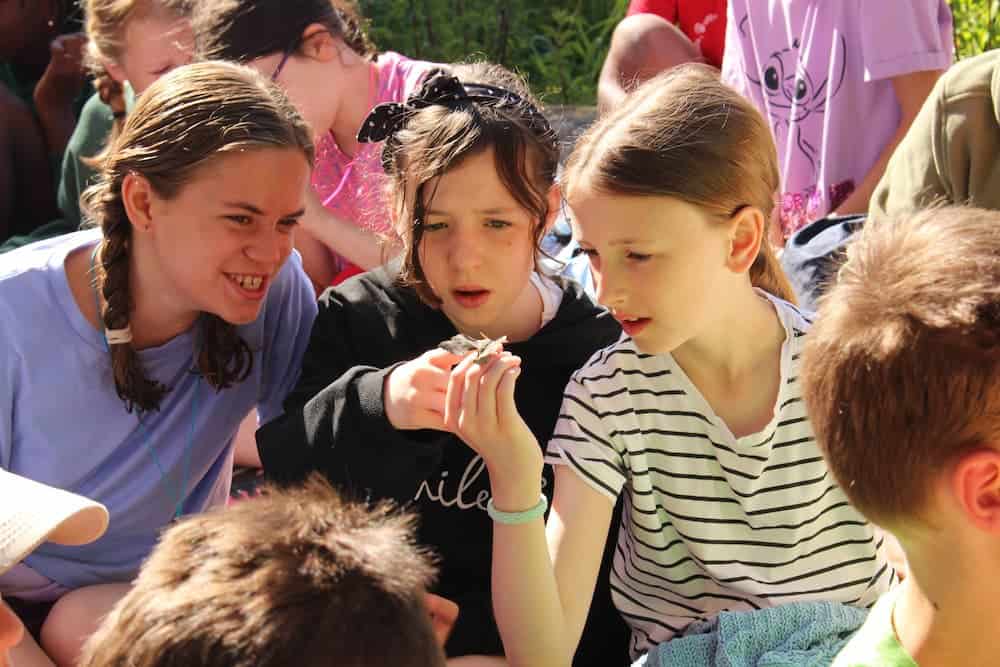
Pupils step into the role of real engineers and environmental scientists as they design, build and test sustainable structures and technologies using natural and recycled materials. Delivered through outdoor learning in stunning natural environments, these courses help students develop confidence, teamwork, creativity, and climate awareness.
Hands-on STEM experiences for pupils
Perfect for schools seeking impactful KS3 STEM residentials, curriculum-linked trips, or sustainability-focused enrichment experiences.
- Links directly to KS3 / S1-3 curriculum in science, geography, and design and technology
- Encourages critical thinking, collaboration, and creativity
- Teaches sustainability, climate awareness, and resource management
- Can be adapted for day visits
All our centres have been awarded the Quality Badge by the Council for Learning Outside the Classroom by demonstrating that they consistently deliver high quality teaching and learning experiences and manage risk effectively. This means that you do not have to assess them and therefore have less paperwork to complete. All location certificates can be found here.
Example Timetable
Ice breakers and team building skill activities.
Introduction to eco-engineering principles: Workshop covering 3 principles of eco engineering (sustainable design, biomimicry and low impact materials).
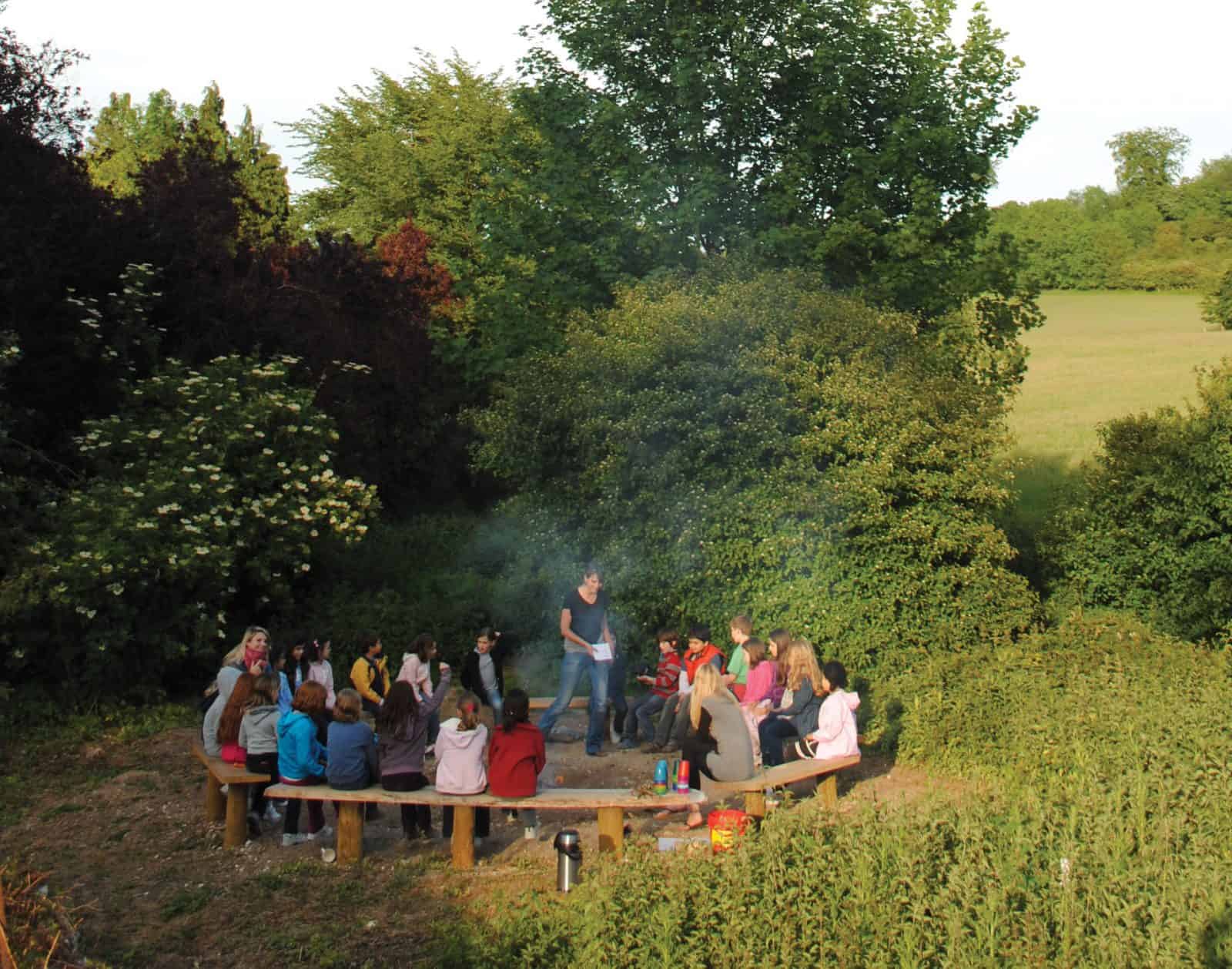
EveningNature connection walk: Explore the nocturnal secrets of the centre grounds, an opportunity to build nature connection and become a little more wild.
Day 2 Morning and afternoonSustainable Shelter and Survival:
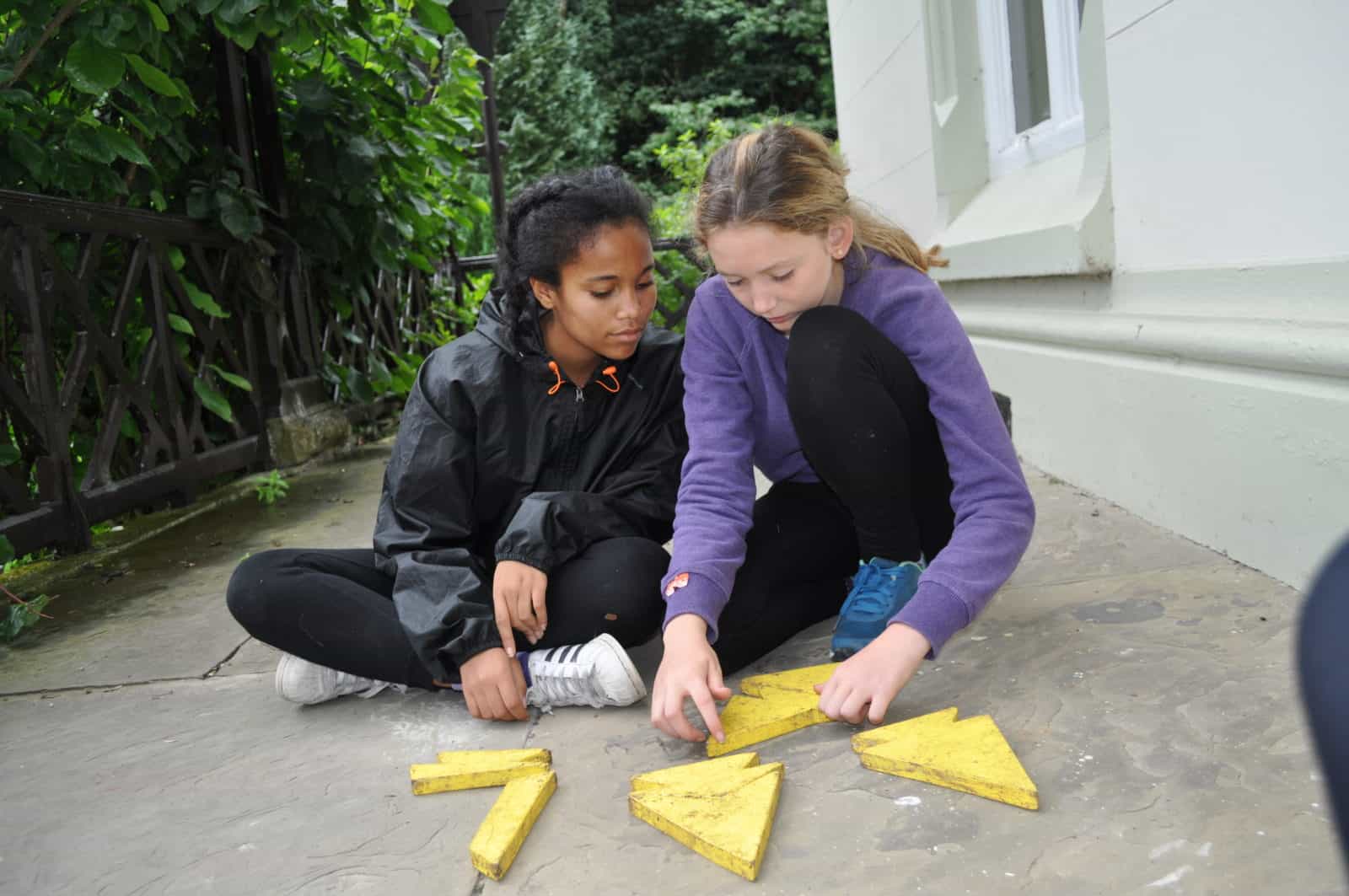
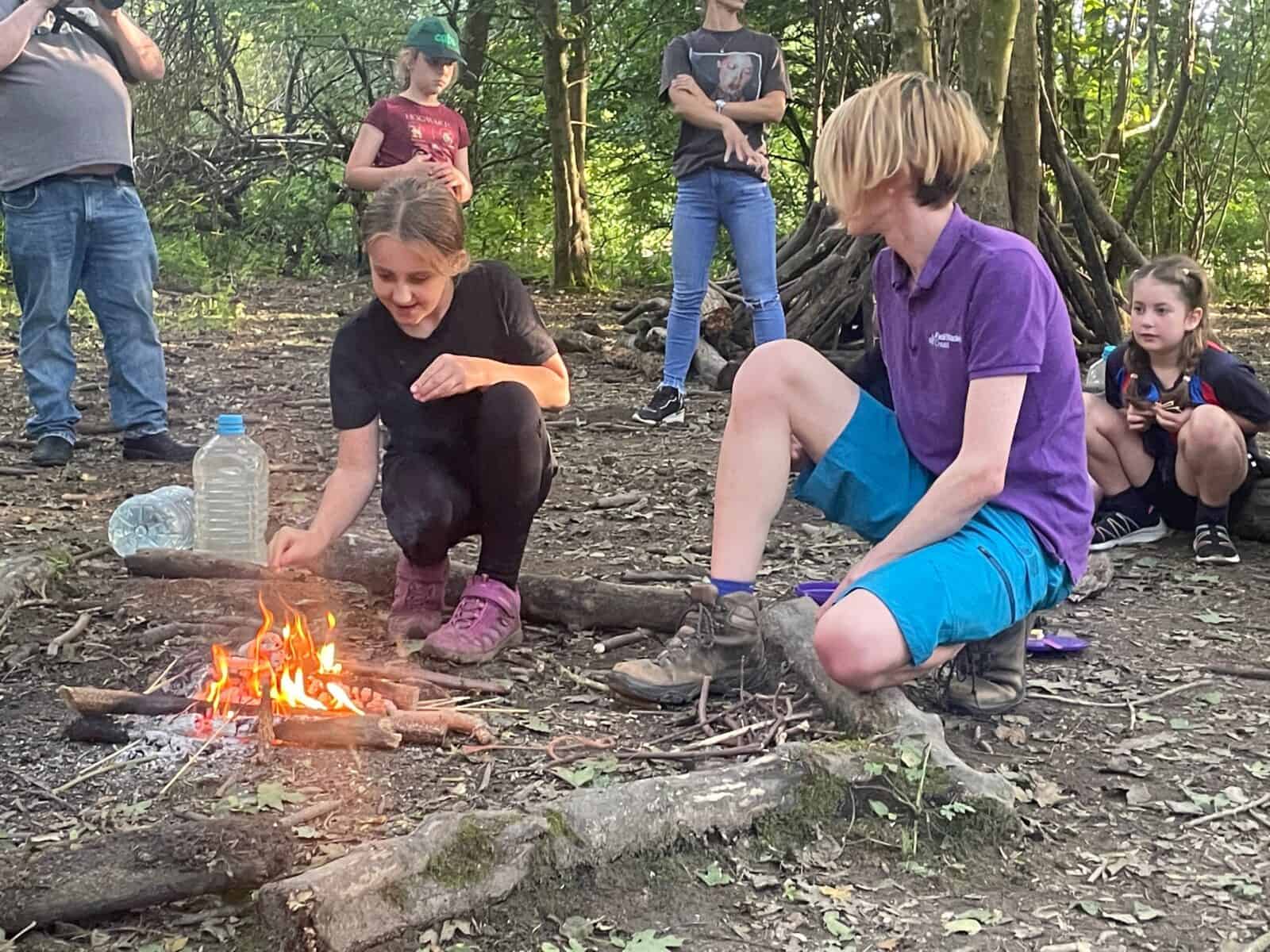
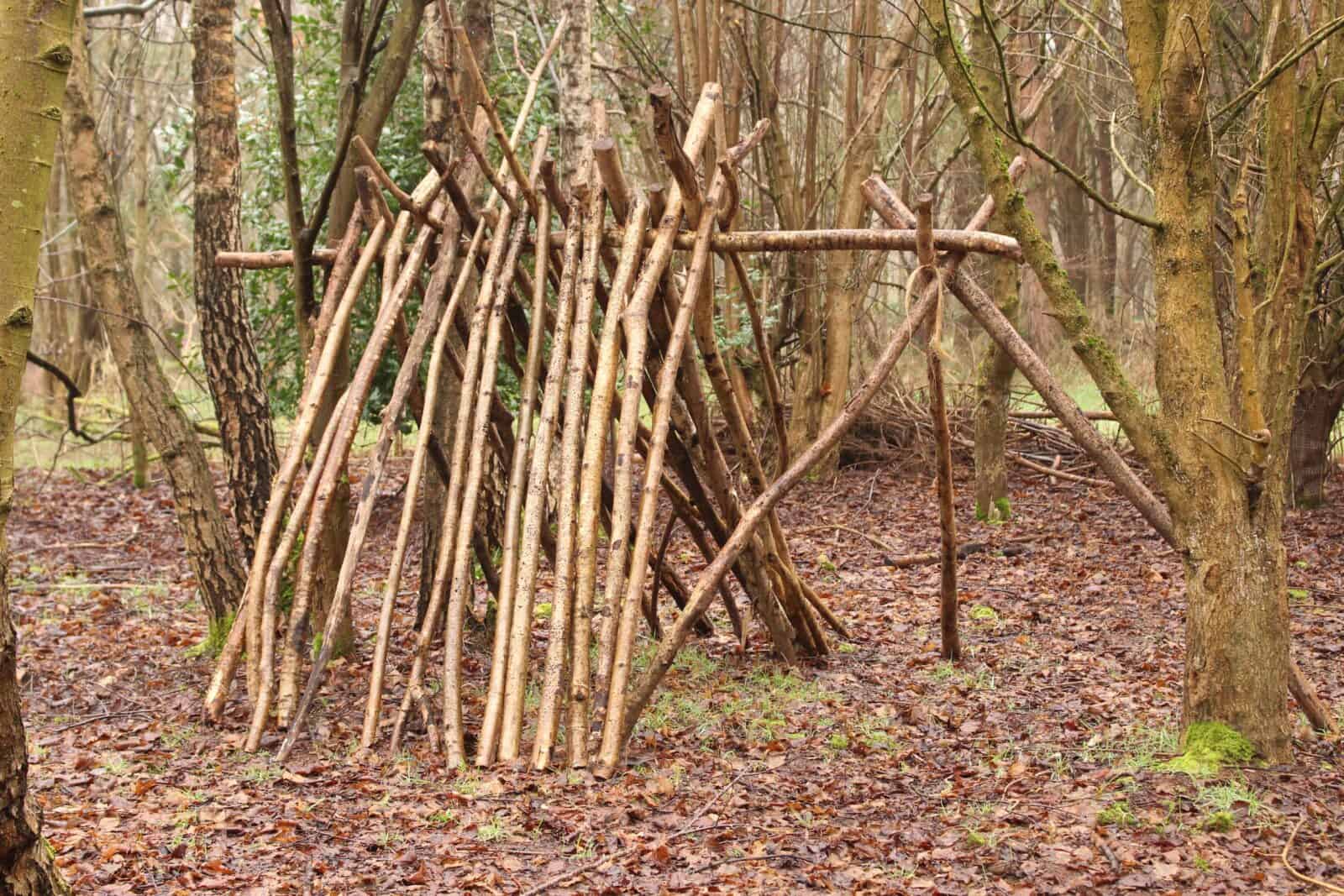
Challenge: Design and build an eco-shelter using natural/recycled materials Concentrate on insulation, waterproofing, and structural integrity Design and build a water collection device, test, refine and retest. Attempt to heat the water via an engineered solar oven. Learn critical bushcraft survival skills such as fire lighting and simple camp cooking. EveningEnvironmental problem – film screening (sustainable builds / green build ideas)
Day 3 MorningEnergy and Water:
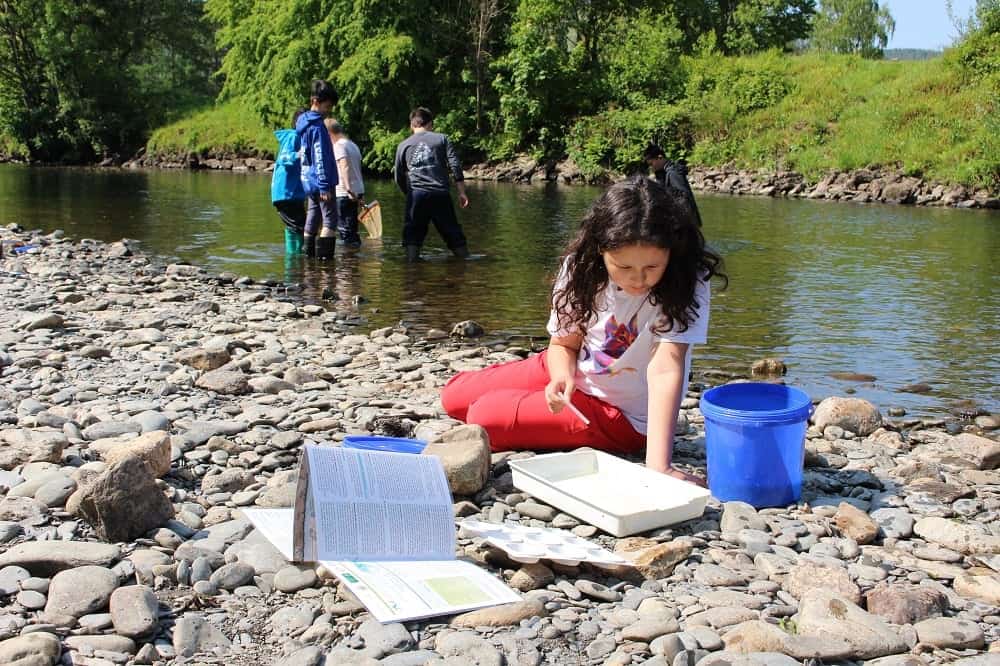
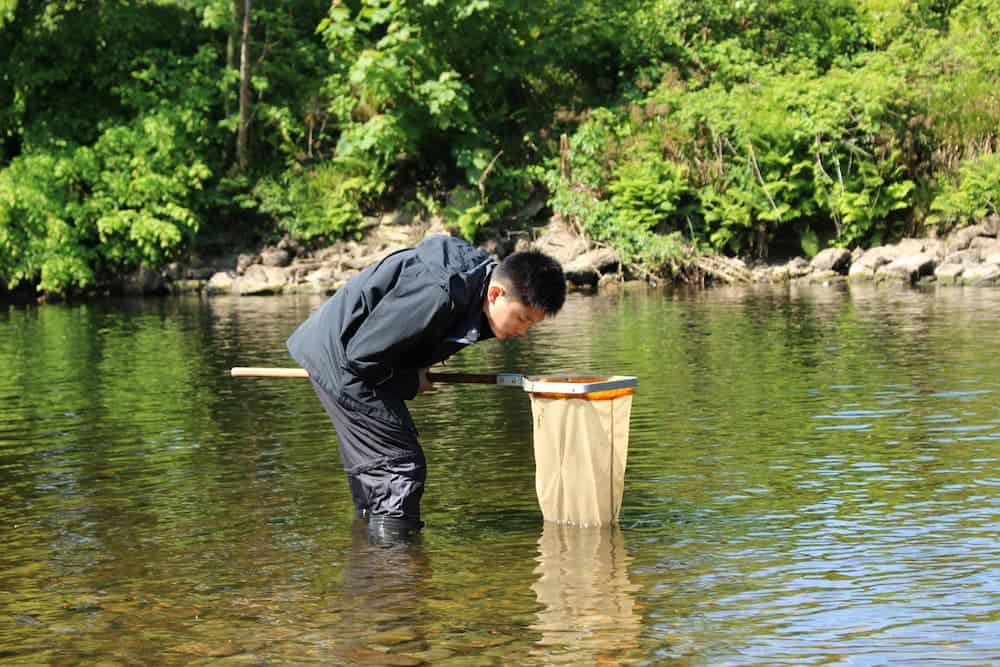
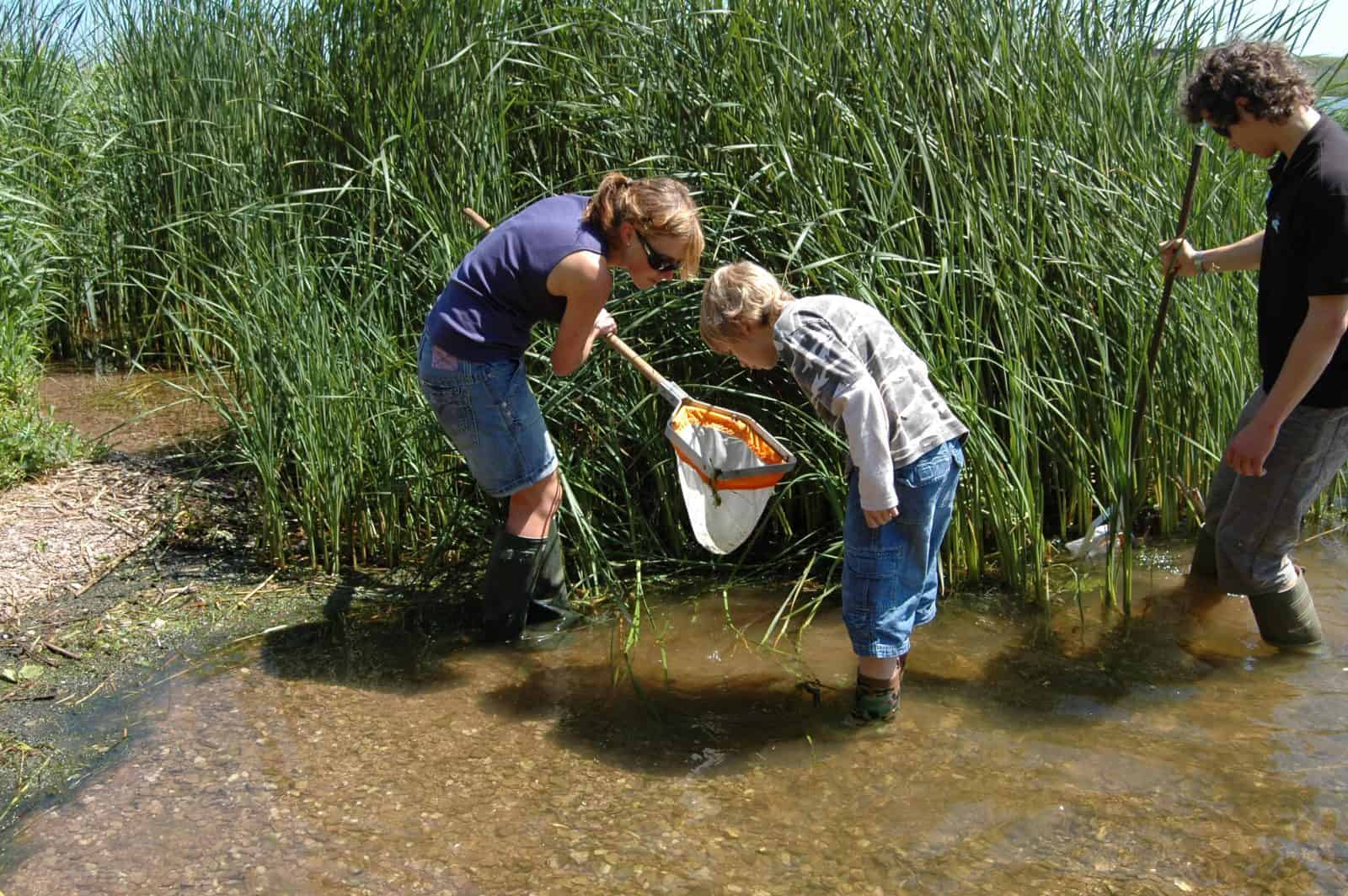
Problem solving activity – create a water transport device from assorted kit. River (or pond) health survey, scientific water quality testing. Water filtration engineering – create a simple container still and test against natural made filtration systems. Sustainable energy solutions: plan, design and create a Solar- powered device (fan, light charger etc) EveningDesign and create stomp rockets to test range and thrust.
Day 4 Morning and afternoonConservation and Biodiversity:
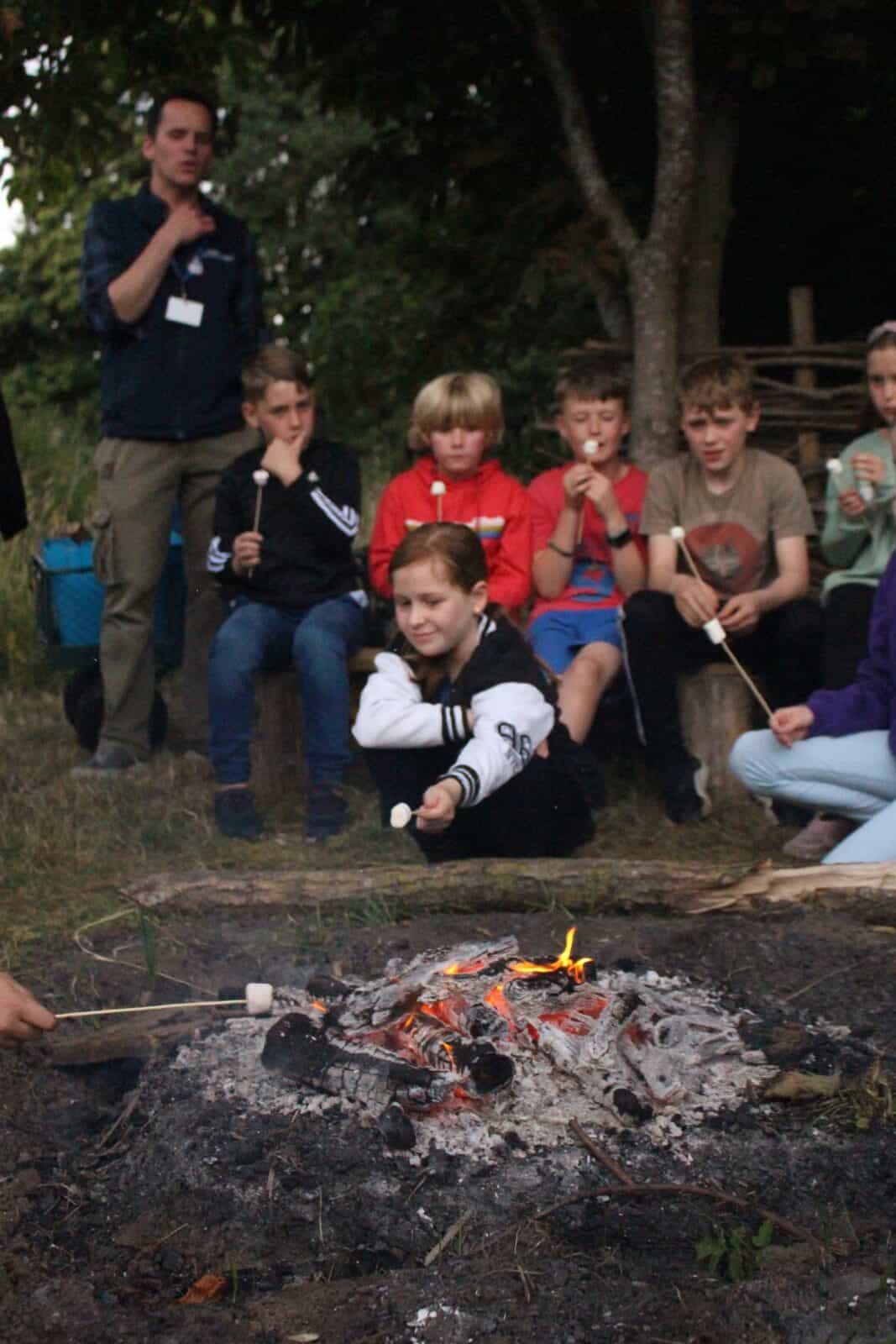
Biodiversity mapping and habitat investigations Conservation activity (tree planting, habitat creation, invasive species removal etc) Pitch Prep: Teams prepare presentations for their eco-solution to a given problem. Combining all the aspects of the course so far, the teams will design and pitch a suitable plan with scale models. EveningCamp fire – relax and reflect on the week around a cosy campfire.
Day 5 MorningSkill showcase: Present pitch of scale model to peers and staff. Solution driven creative and critical thinking.
Depart after lunch
Added value of this course
Why Choose Field Studies Council?
-

Expert tuition by fully trained staff
-

Stunning locations across the UK
-

Outstanding curriculum knowledge
-

Rigorous health and safety procedures
-

Support before and after your visit
-

Free places for visiting staff