
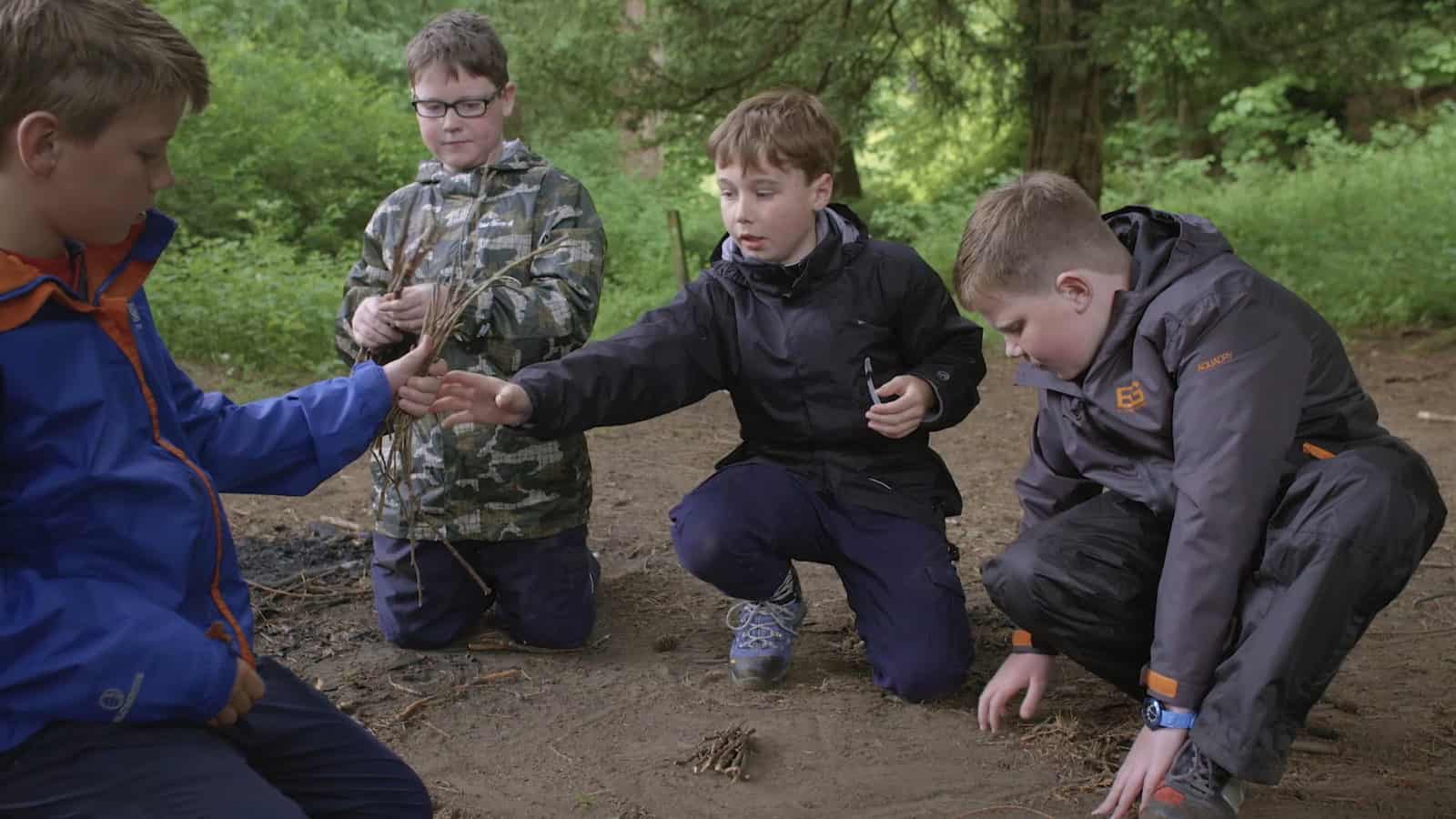
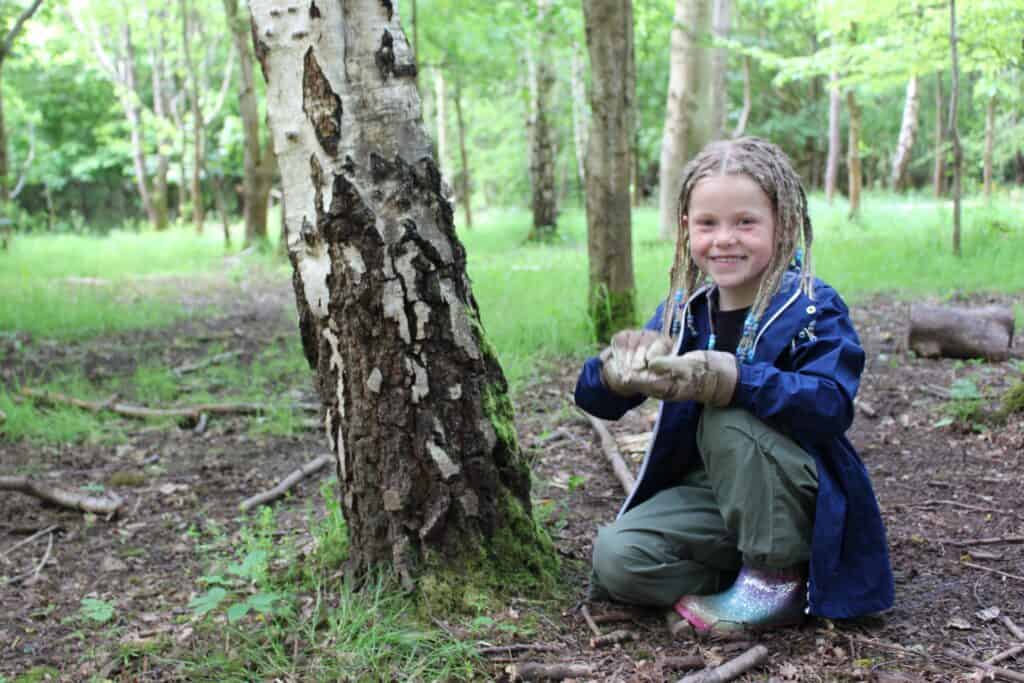
Bushcraft is about understanding your surroundings and working with and using the environment in a natural and sustainable way.
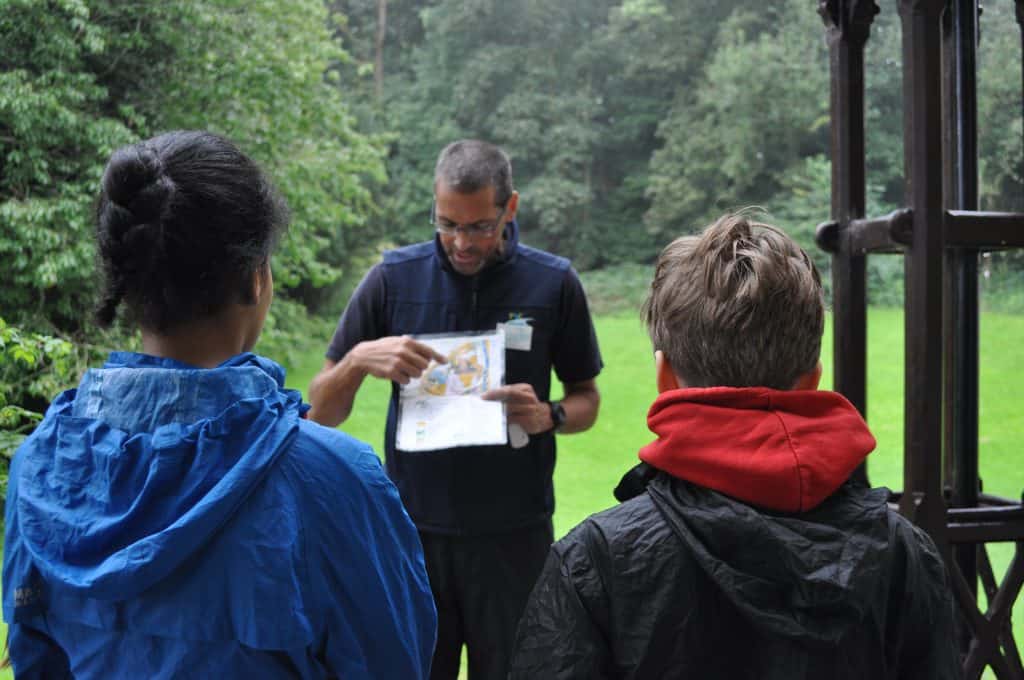
Pupils will develop skills and knowledge about the environment, including using maps and compasses, tracking and natural signs skills that were second nature to our ancestors. Through activities, students will develop respect and understanding of the natural world, its flora and fauna and the way these elements interact.
Note this course does not include fire lighting.
Learning Objectives
- Identify natural resources that we can make use of to survive,
- Show respect for the environment and living things.
- Demonstrate map and compass skills
- Demonstrate co-operation and teamwork.
Example Timetable
The course normally runs 10am – 2.30pm. There will be an approx. 30 min lunch slot, the timing will depend on the final agreed course programme.
Pre visit/prior learning
No prior knowledge is required to attend this day.Welcome and Introduction
Welcome and Introduction Sharing and agreeing on objectives Group discussion on what they know about survival, what are the most important things we need to surviveMorning
In small groups create a ‘tribe’ with a suitable name and make decisions on what resources they would need to survive. Use compass directions and language to navigate around a route. Complete a scavenger (or spotter) activity identifying natural tools and food.Afternoon
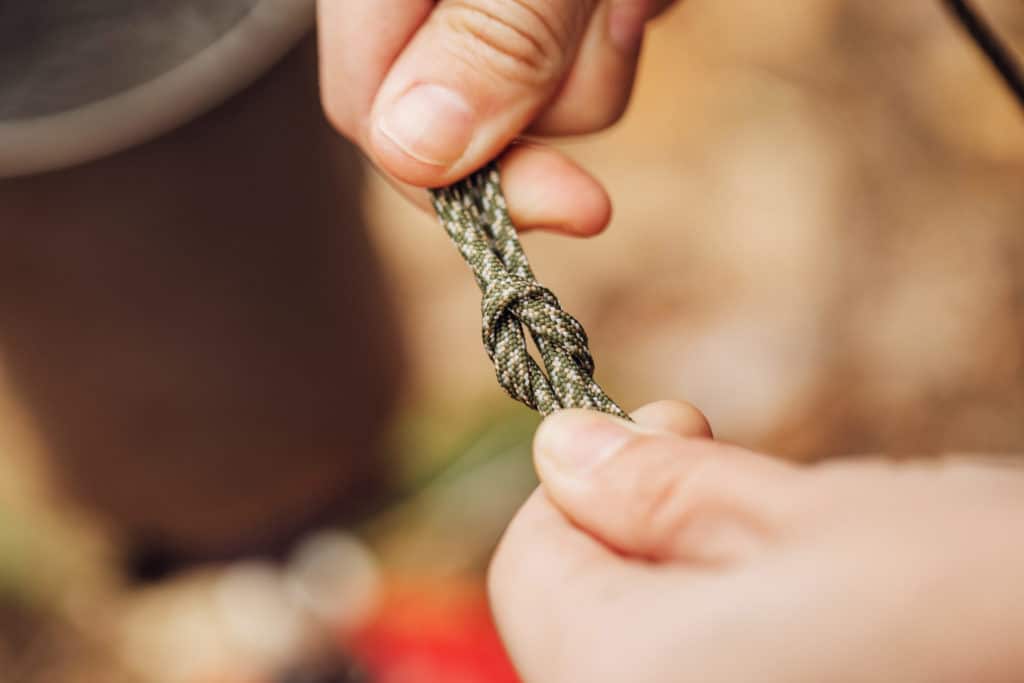
With natural resources and only a few small items, complete a survival challenge– Design and make a small shelter.
– Build a trap to catch food.
– Design a simple course using natural (or provided materials) for others to follow. Understand how we can use the environment sustainably and leave no trace.
Depart
Future learning/follow-up
Children will be able to discuss their first-hand learning experiences. They can use these experiences for creative writing, displays and posters
How this course fulfills the specification
Geography
Use the eight points of a compass, Take part in map reading activities.Science
Identify and describe the functions of different parts of plants: roots, stem (trunk) and leaves Review what camouflage is, and how it is useful.Design and Technology
Apply understanding of how to strengthen, stiffen and reinforce more complex structuresStudents will also be given the chance to
Identify and recognise associated risks. Develop confidence in own abilities. Work in teams to solve problems
Added value of this course
Related Information
Customer Information
Details of how to book, terms and conditions, policies and procedures, including risk assessments, can be found on our website here.
Variation
The outline shown is indicative. Whilst we do our best to deliver the agreed programme, we sometimes must change the programme due to for example, weather, access to sites, or staffing issues. Most changes are insignificant and will not affect your trip.
Liaison
This programme is designed to meet the curriculum/specification requirements.
Prior to your visit, one of the Tutors leading your group will be in touch via email. This is an opportunity for us to find out more about the group and to make small adjustments to meet your groups needs.
Tuition
Tuition is delivered by Field Studies Council Tutors, with an expert knowledge of the subject and fieldwork locations, and a passion for the subject being taught. The education team are DBS checked, and undergo regular training including in first aid, water safety and risk assessments.
Transport
There is no requirement for transport during the day. All activities take place on site or within walking distance.
Teaching groups
Your group will be divided into an agreed number of taught groups at the point of booking. This may not match your normal classes. Please subdivide the taught group into subgroups in advance of your visit, discuss with the Tutor at liaison how many subgroups are required.
Teachers and supporting adults
The school should provide teachers and support staff, or parents, to meet minimum ratios per teaching group. Teachers and adults are expected to participate and support the student’s learning. Teachers are expected to manage behaviour & support group management, and to supervise break and lunch times.
What to bring
A kit list can be found on our website here. Please adjust this based on the weather conditions. Ensure the group bring lunch and plenty to drink.
Clothing and footwear
Appropriate outdoor clothing (and waterproofs) should be worn, taking into account the weather forecast. The group will be outside most of the day, even in wet weather. It is advised that long trousers are worn, even on sunny days due to the presence of ticks. We advise wearing sensible footwear – trainers or walking boots that can get muddy.
Why Choose Field Studies Council?
-

Expert tuition by fully trained staff
-

Stunning locations across the UK
-

Outstanding curriculum knowledge
-

Rigorous health and safety procedures
-

Support before and after your visit
-

Free places for visiting staff