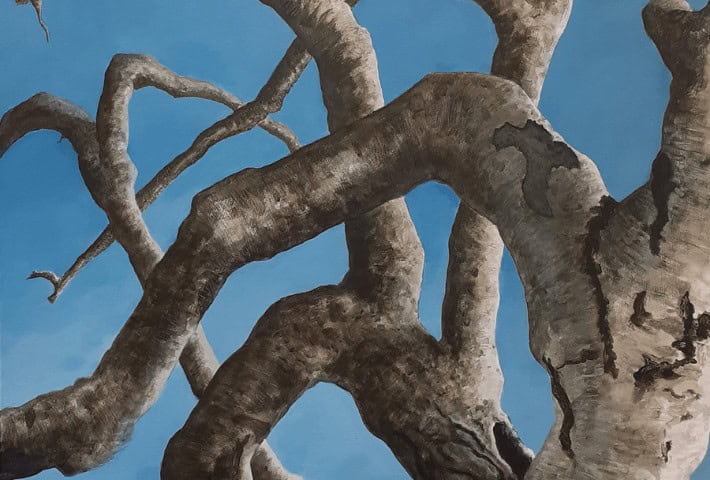
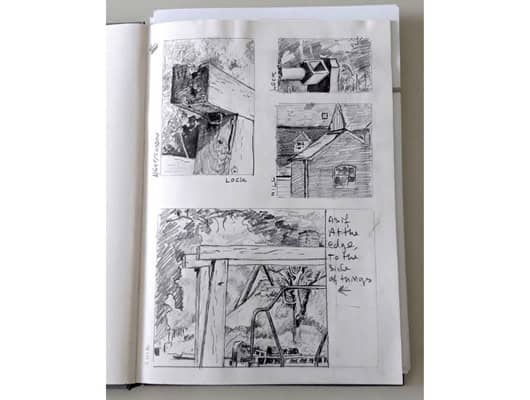
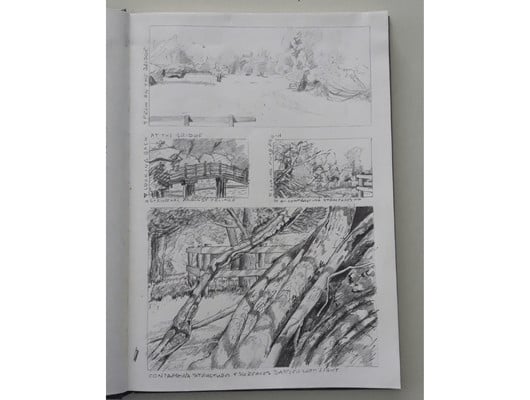
This is a practical course that looks at a range of activities from sketching to paint studies to developed paintings.
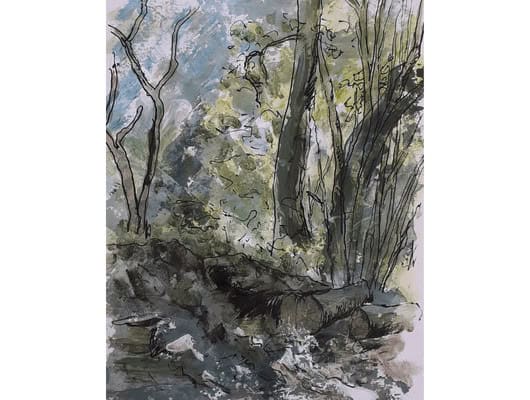
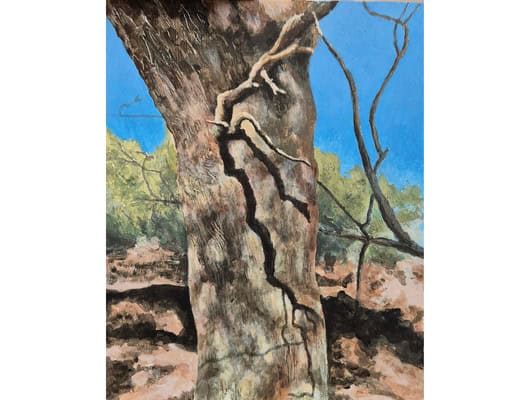
It follows the methods of Constable, who would make sketches and paint studies on location, then use those observations to develop paintings in the studio. We will look at his practices in a presentation on arrival, followed by some ideas for gathering visual information in different ways in a sketchbook or drawing board. There will be options to work from scenes in the field centre as well as from images provided or that you bring along, so you can carry on whatever the weather. Some of my work from my artist’s residency at Flatford will be available to encourage you to personalise your influence from Constable and develop your own work. There will be a trip on Sunday to a Constable exhibition to see the real thing. Then return to explore composition principles as Constable did. You will then have options to continue gathering observations or develop final compositions. Constable used pencil, watercolours and oils. You can choose whichever range you prefer, just pencil and watercolour, or opt for acrylics instead of oils
Tutor: Stephen Joyce
Steve has been practicing his art and teaching art in a variety of further education colleges and other contexts for over 25 years. He studied Fine Art at Norwich School of Art and attained a BA (Hons), then later MA in Contemporary Art & Professional Practice at Colchester Institute. He has a wealth of experience from his diverse practice and teaching and great enthusiasm to share his fascination for how pictures can be made differently
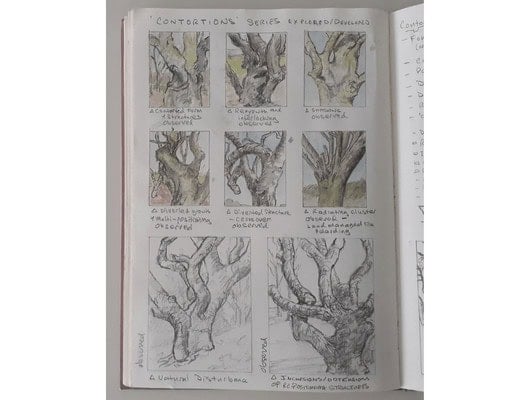
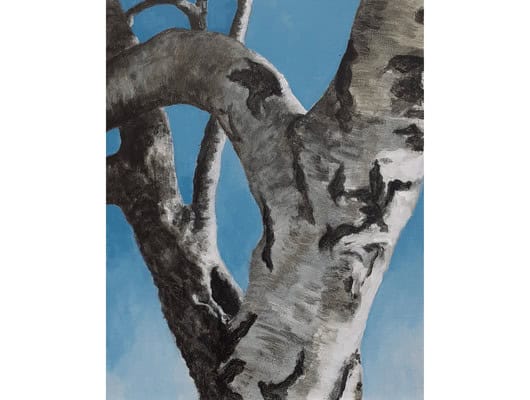
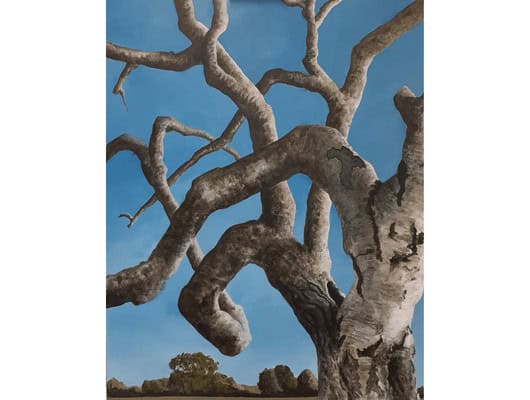
"I am a multi-media artist, currently focusing on drawing, painting and mixed media, after some exploration of other methods including collage with printmaking. I use different media from time to time, out of curiosity and depending on the subject matter and the theme I am working on. I combine techniques and media partly to experiment, but also to create specific effects or dynamics within the picture.
Mixed media for me is about investigating the properties of the media. When different media are combined, the potential and limitations are revealed. From this experimental approach, it is then possible to direct the interchange of the different properties and effects to create images with intrigue or distinctive character.
In my teaching, I seek to inform and guide, but also to 'open doors' for the student's imagination, and help them build and develop their own creativity. I use a progression of tasks moving from tutor Directed, to Selected options, then Elected direction by the student. As they respond to the initial tasks with each different media, their understanding of the properties increases. So they move on to different options and combinations, leading them to follow their own creative interests."
What's Included

Before You Attend
What to bring
Essentials:
· Drawing Paper or Sketchbook as you prefer, up to A4 is ok or larger if you prefer (weight of paper 140gsm Cartridge Paper at least is best) Small size is easier to work on if you want to draw at the exhibition visit
· Graphite pencils options HB, B, 2B or if you prefer heavier 4B or more
· Watercolour Paints (any preferred kind tubes or pans, any colour range)
· Brushes for watercolour - Sable, Synthetic or Blended as preferred - recommend Small size 3 or 4 , Larger size 6 or 8
Optional: if you plan to work in various media as Constable did
· Acrylics or Oils (A few basic colours are enough)*
- Acrylics - Palette needed and a palette knife useful ('Stay-wet' or similar palettes are useful to keep the paint from drying)
- Oils - Palette needed and Turpentine or similar dilutant such as Sansodor and a palette knife useful
·Bristle / Hog Brushes / Synthetic acrylic - No.4, 6, 8, 10 etc as preferred and any others you wish such as No. 1 or No.2 for detail any type round or flat as you prefer
· Your own resource images to work from if you prefer, or use those provided
Other useful items:
· Eraser
· Sharpener or Craft knife