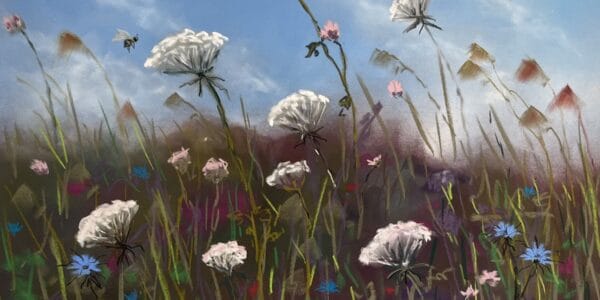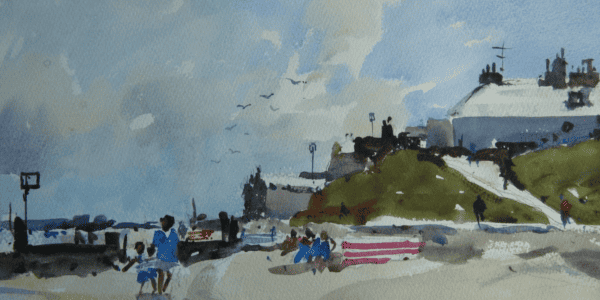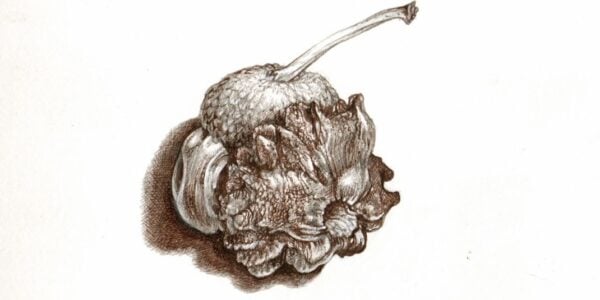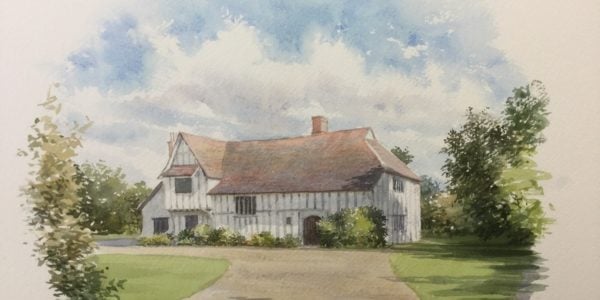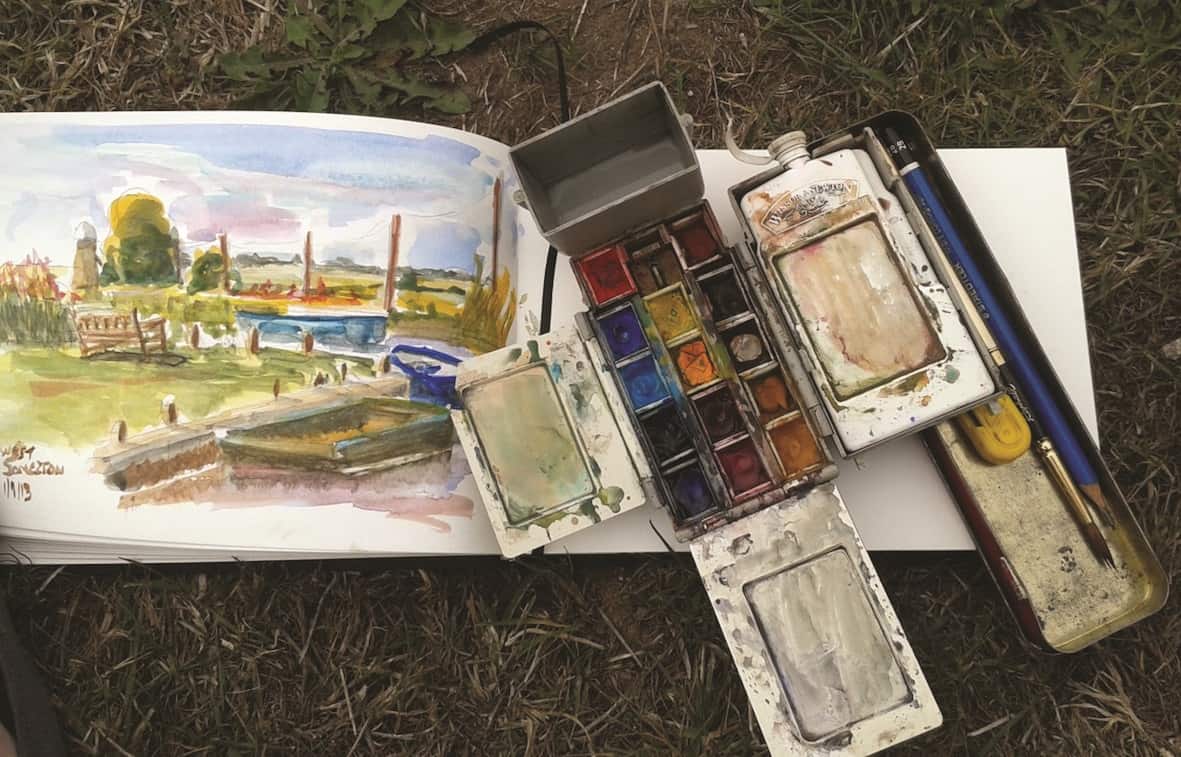
This course is designed for those with some experience of watercolour painting who would like help to achieve fresh and lively results. Demonstrations will review the essential elements of pure watercolour, and introduce line and wash techniques. Particular attention will be given to the importance of composition, simplification of a subject and creating correct tonal values.
Tutor: John Tookey
John Tookey is an experienced artist and art teacher, having exhibited with the Royal Institute of Watercolourists, the Royal Oil Institute and the Pastel Society, of which he is a member. He demonstrates widely to art societies, particularly in watercolour. He has led many courses for us at FSC Flatford Mill in recent years.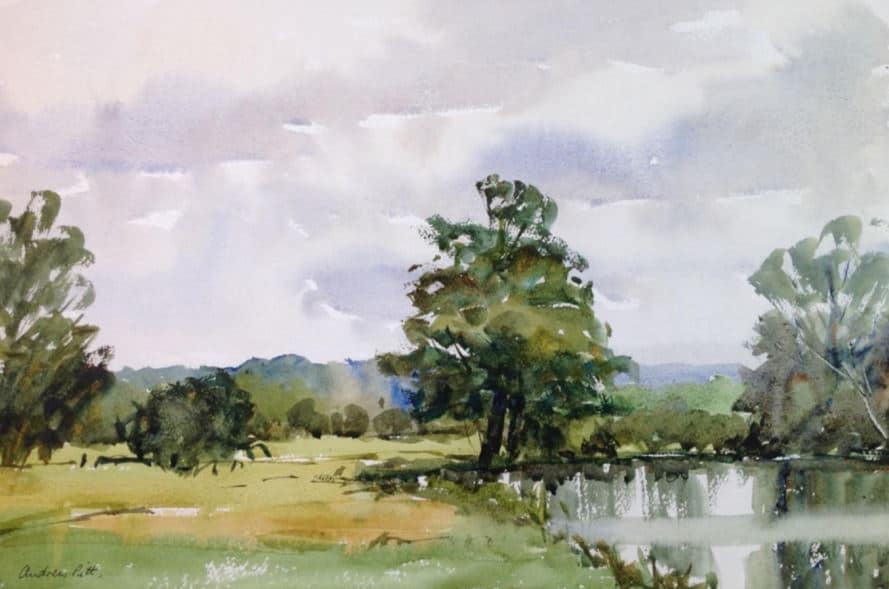
Example Timetable
Arrival time
Check-in is between 1600 -1800. If you are arriving after 1800, please advise us so we can arrange a self-check-in.
You will meet the tutor at dinner, following which you will have your first session.
What's Included

Full board accommodation and picnic lunch is available for resident bookings only.
Refreshments are included for all, but non-resident bookings are advised to bring lunch with you.
Before You Attend
What to bring
Bring what you have and what you are used to working with, which includes colours, brushes, paper or boards and appropriate accessories. If, however, you are thinking of re-stocking your watercolour materials, you may like to consider the following:
- PAPER: Bockingford 140lb (300 gsm), NOT (Loose sheets of this paper are stocked at the Centre.)
Saunders Waterford 140lb (300 gsm) NOT
You can buy both these papers in individual sheets or as pads and blocks - COLOURS: If you are buying from scratch we would recommend tube or pan colours of Artists’ quality watercolour. A suggested range includes: Light Red,Winsor Red Burnt Sienna Raw Sienna
Burnt Umber Winsor Yellow Ultramarine Winsor or Prussian Blue
Payne’s Grey Cobalt Blue Cerulean Blue◊ Brown Madder◊
◊ - These colours are not essential. - PALETTE: A palette with plenty of compartments for paint and several good-sized mixing wells is essential for successful watercolour. An inexpensive moulded plastic palette, which has approximately 18 small wells for paint and 3 or 4 larger wells for mixing, is available from most art shops.
- BRUSHES: The brush is probably the most important part of your equipment. A large brush is essential for good watercolour! We would suggest particularly a Pro Arte Number 18 or 16, Prolene Series 101. You will also need a Number 10 or Number 8 brush for more detailed work, and a Number 3.
- OTHER MATERIALS: If you wish to try the ‘line and wash’ technique you will need the following: waterproof Indian ink (Rotring), black or sepia; a steel-nib pen (even a cocktail stick or tooth pick jammed into a pen holder makes an excellent drawing implement!); or a selection of waterproof felt-tipped pens, eg Edding 1800 Profipen, sizes 0.7 or 0.5, or Pilot drawing pen, size 0.8.