Reptiles and amphibians guide
WildID Reptiles and amphibians guide covers all native species of toads, frogs, newts, lizards and snakes.
- Identification guide to all native species in Britain and Ireland
- Colour illustrations of all species, including adults and immature stages
- Practical for use outside: lightweight, rucksack-sized, splash-proof
This field guide features all 13 species of reptile and amphibian that breed in Great Britain. Five of these also breed in Ireland.
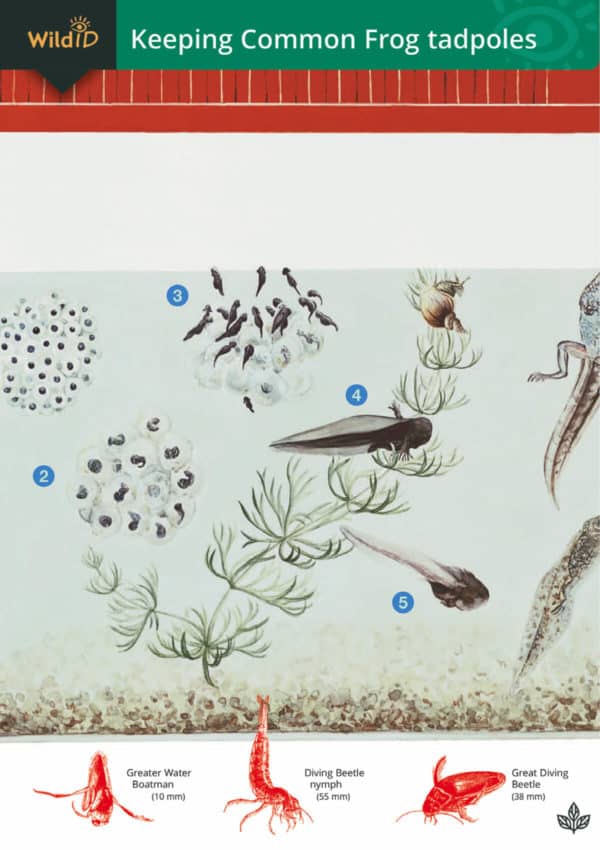
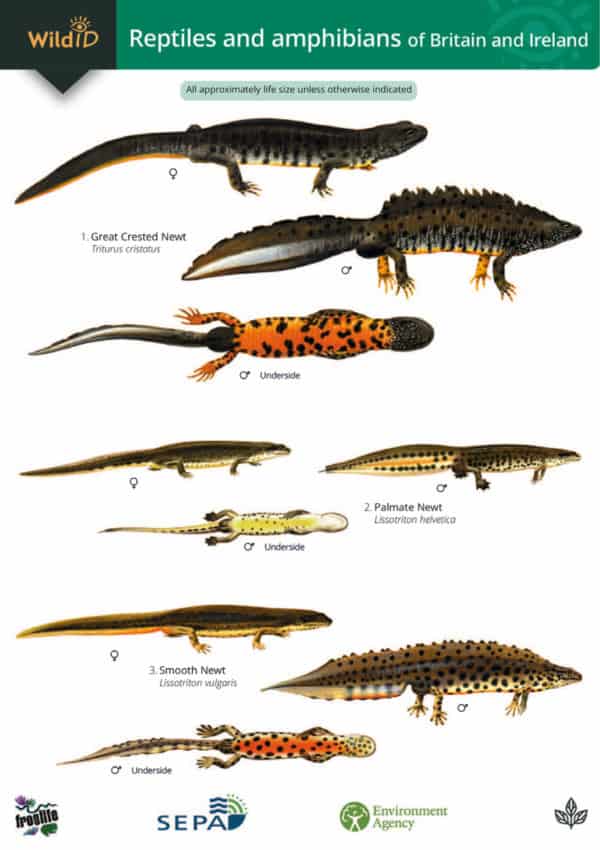
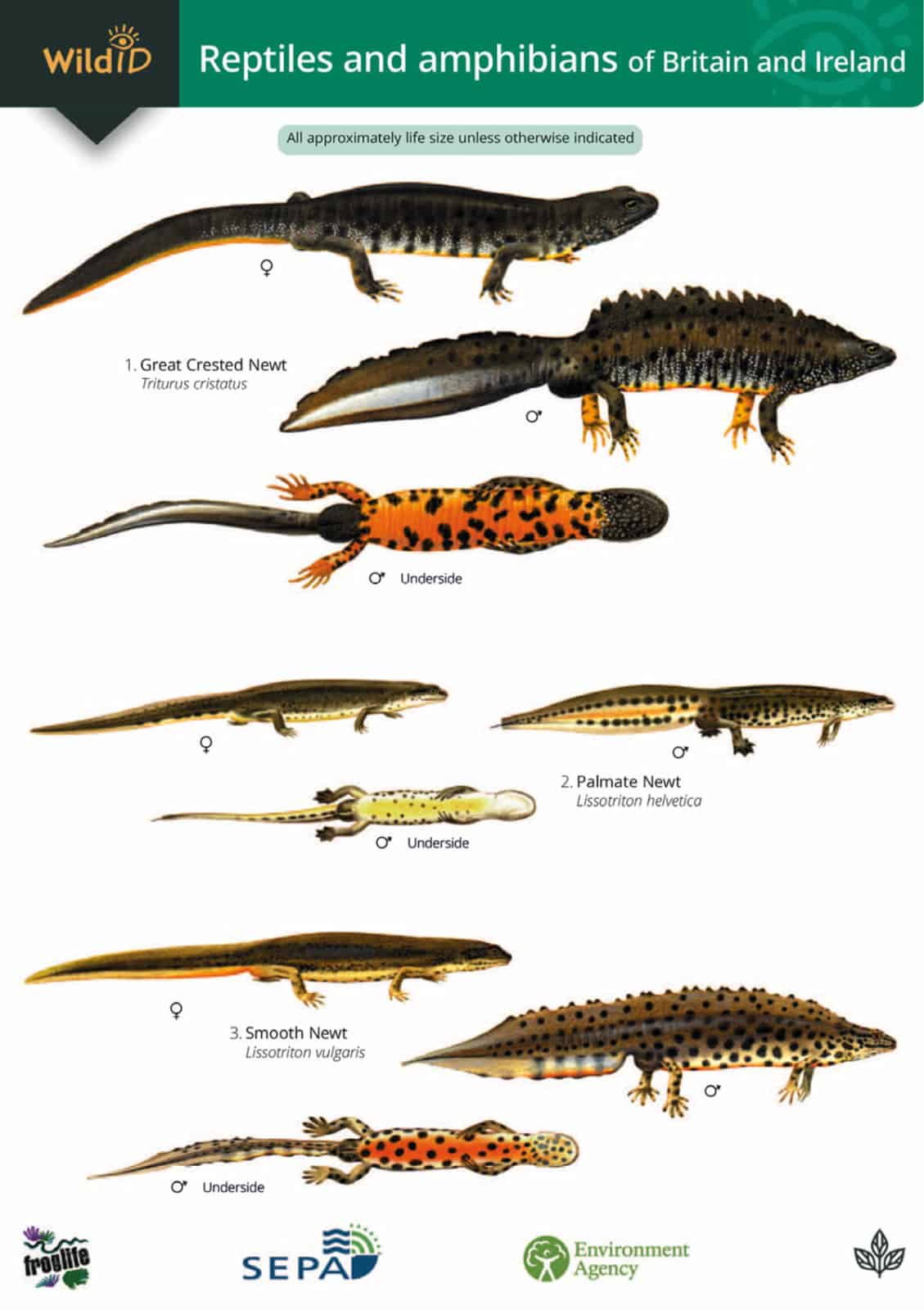
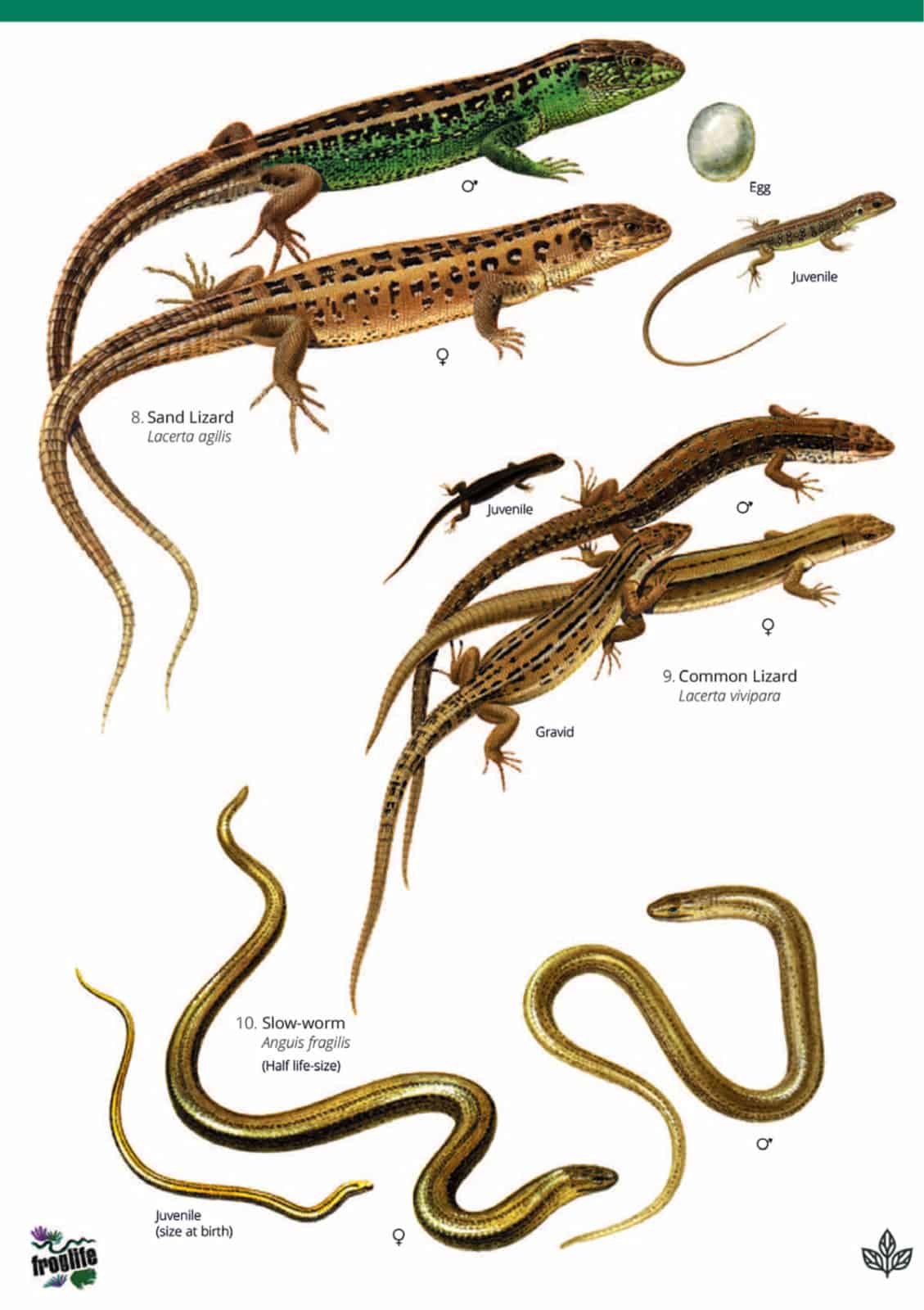
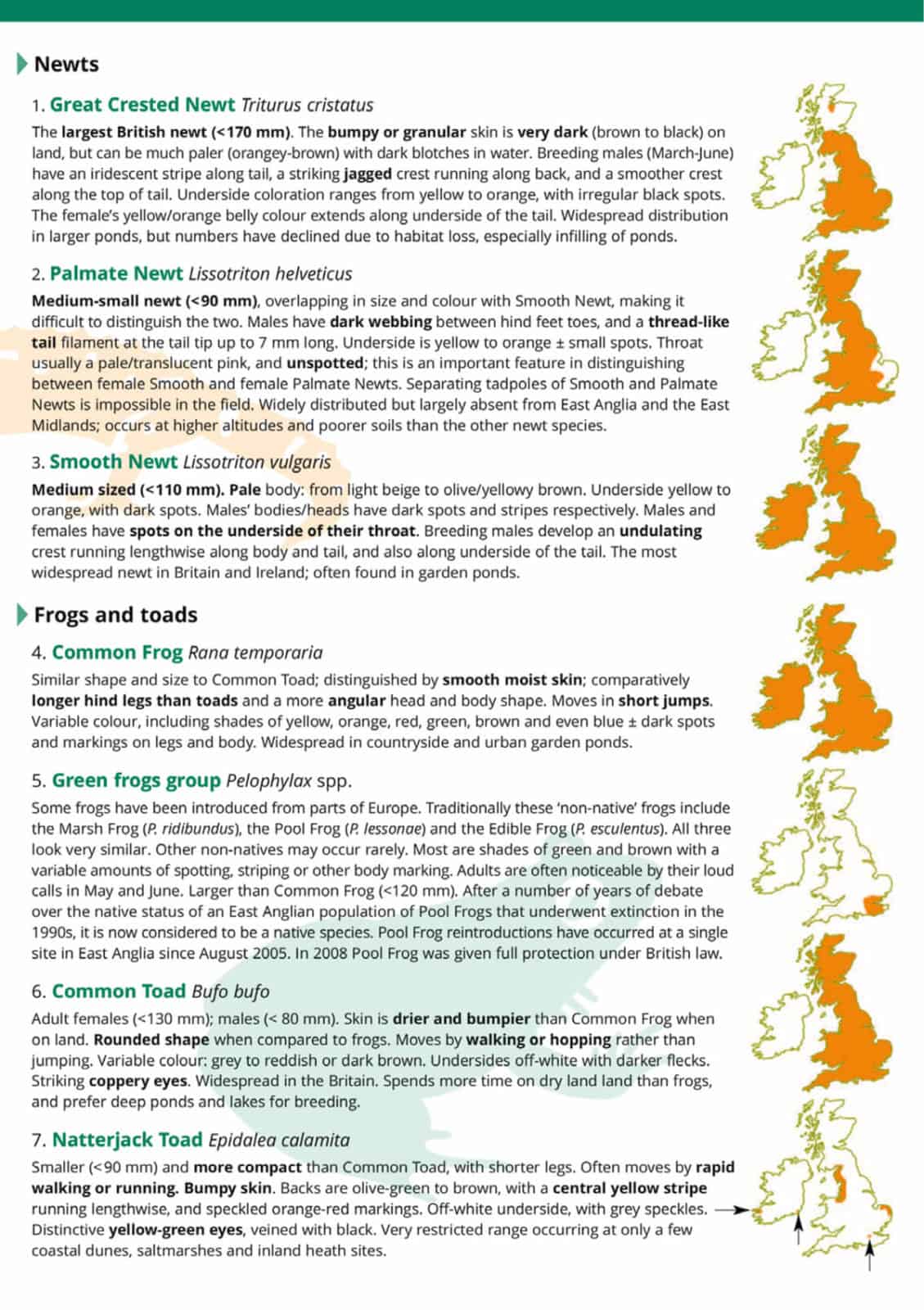
Beautiful colour illustrations show key features of each species, along with pictures of spawn, tadpoles, froglets, and newtlets. For lizards, slow worms, and snakes, there are separate images of males, females, and juveniles. Accompanying text for each species gives further identification tips plus distribution in Britain and Ireland.
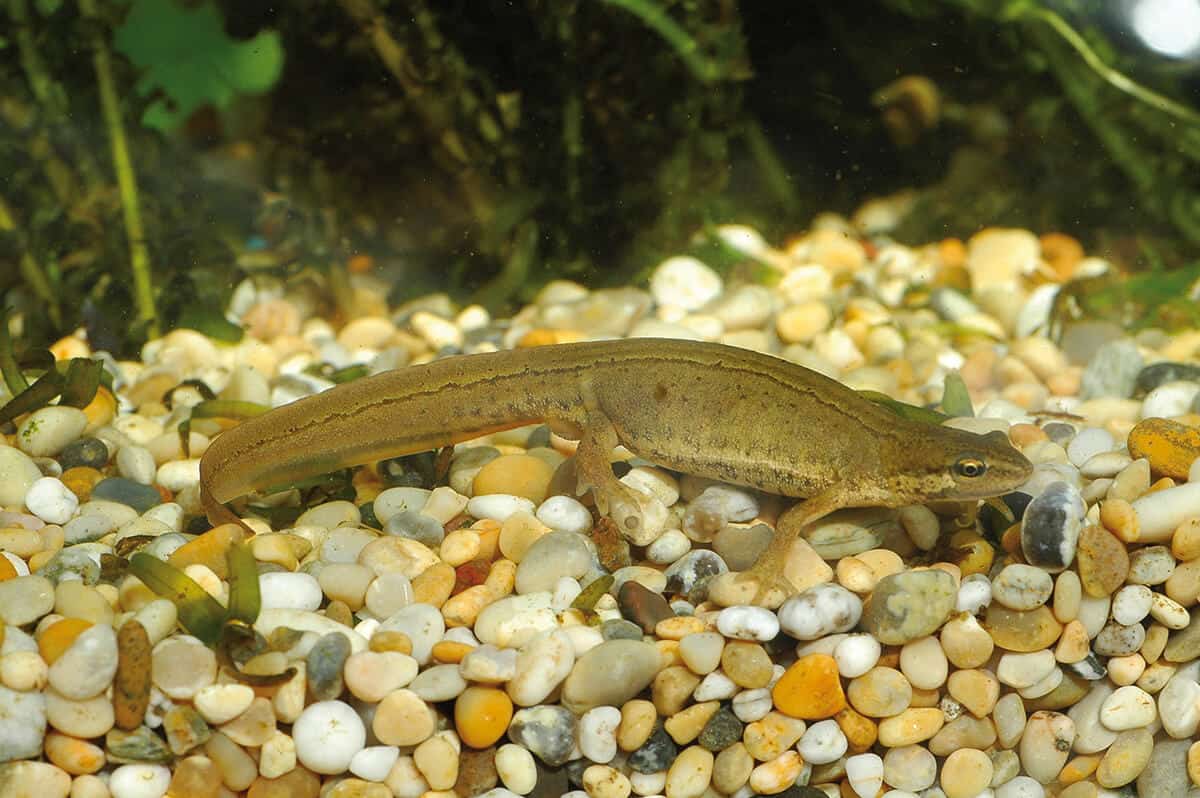
Amphibians are easiest to spot at night with a hand torch. Frogs and toads are most active by ponds from February to March, while newts are active from February to May. Newts can be seen underwater by torchlight or moving around on damp evenings.
Reptiles are best seen on sunny days after rain, basking in sunny spots like forest edges and embankments. However the best time to look is early or late in the day, avoiding the hottest part of midday.
Field Studies Council worked with Froglife to produce the Reptiles and amphibians guide.