Urban plants
of Scotland and northern England
WildID Urban plants is an identification guide to the commonest wildflowers of towns and cities.
- Features 45 different plants found growing wild in towns and cities
- Specially chosen for Scotland and northern England (northwards from Manchester and Leeds)
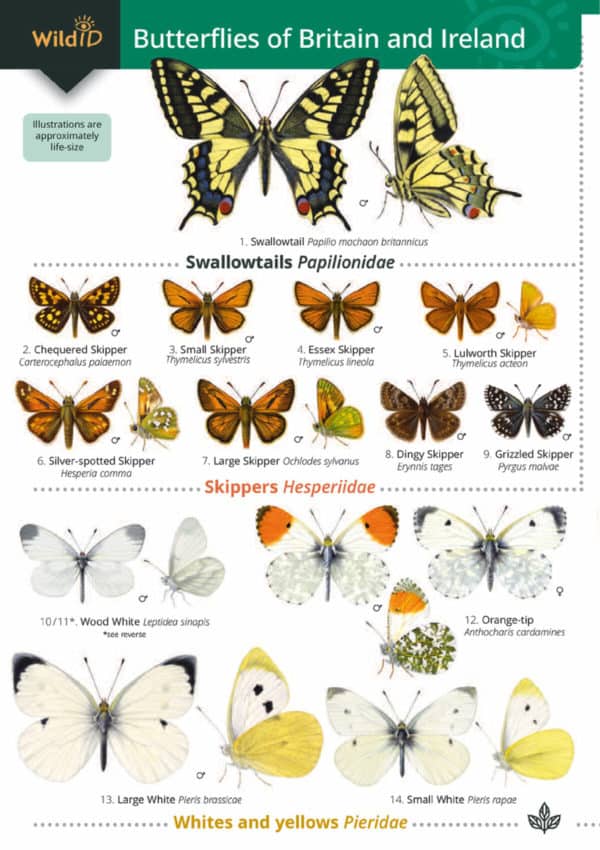
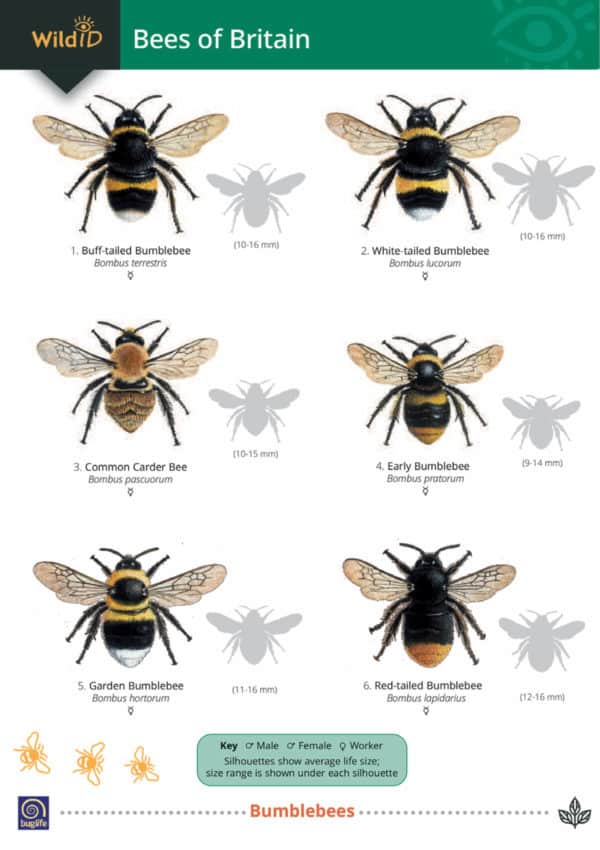
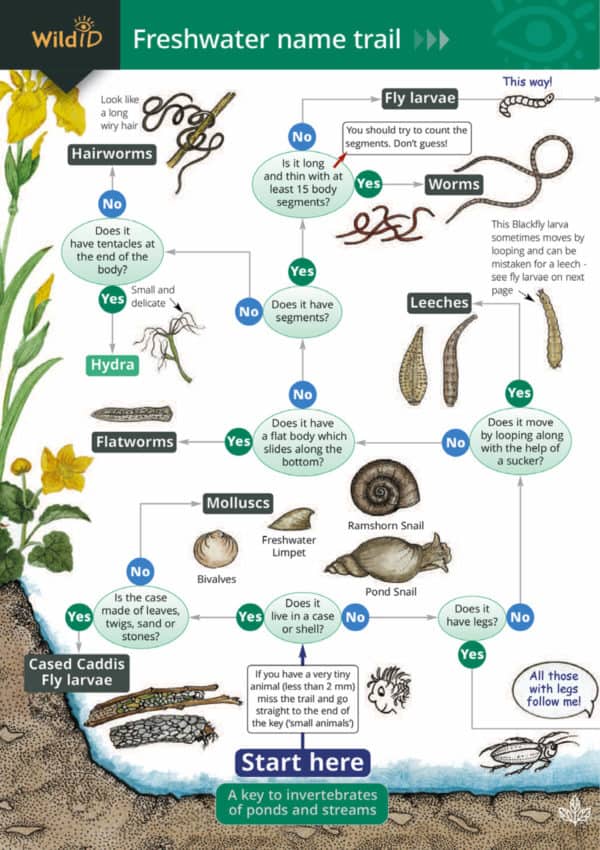
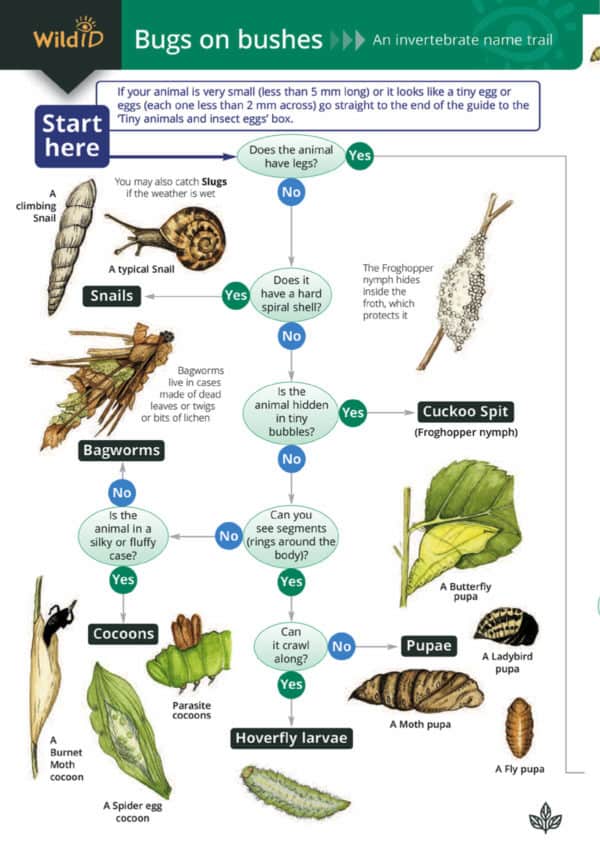
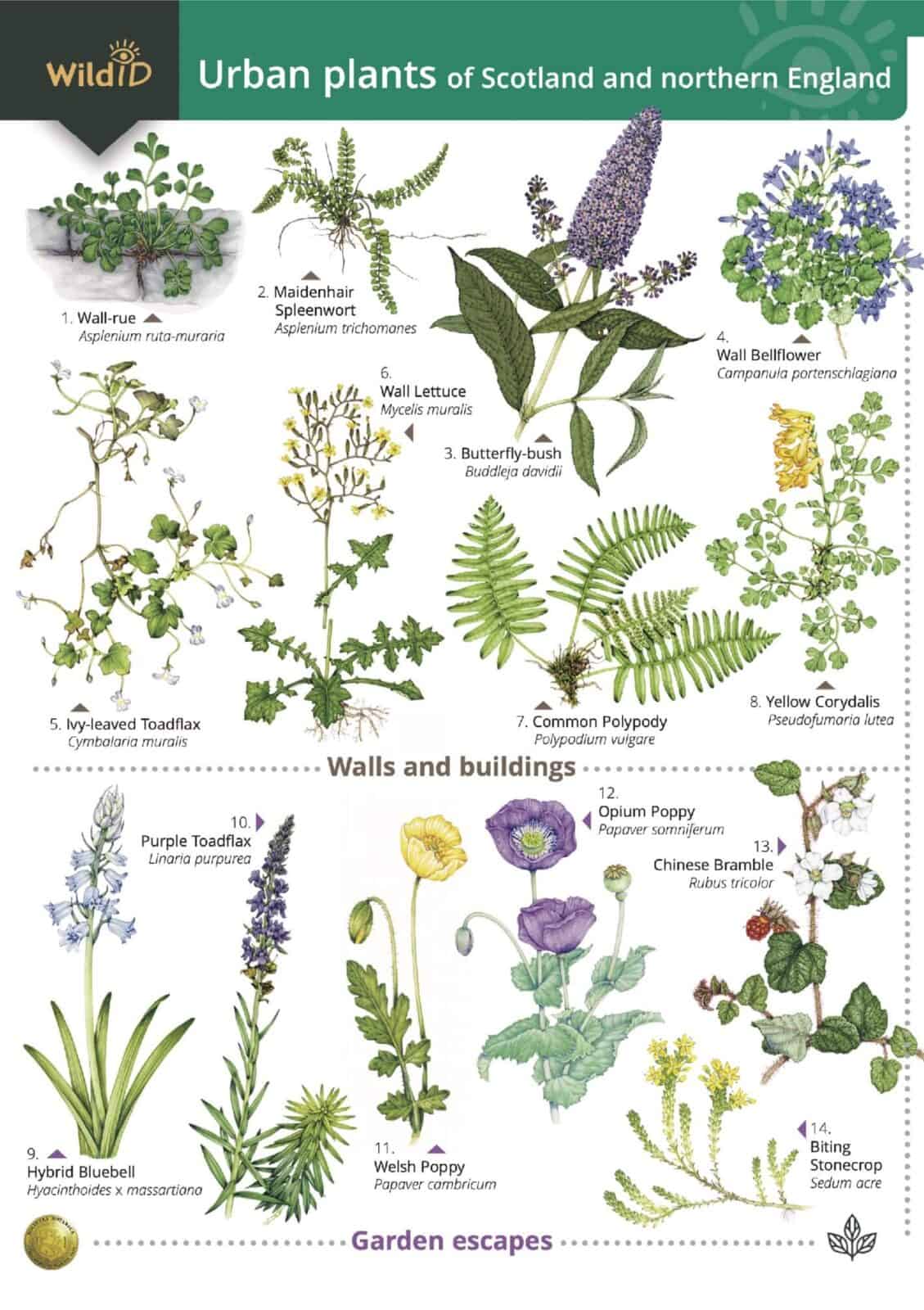
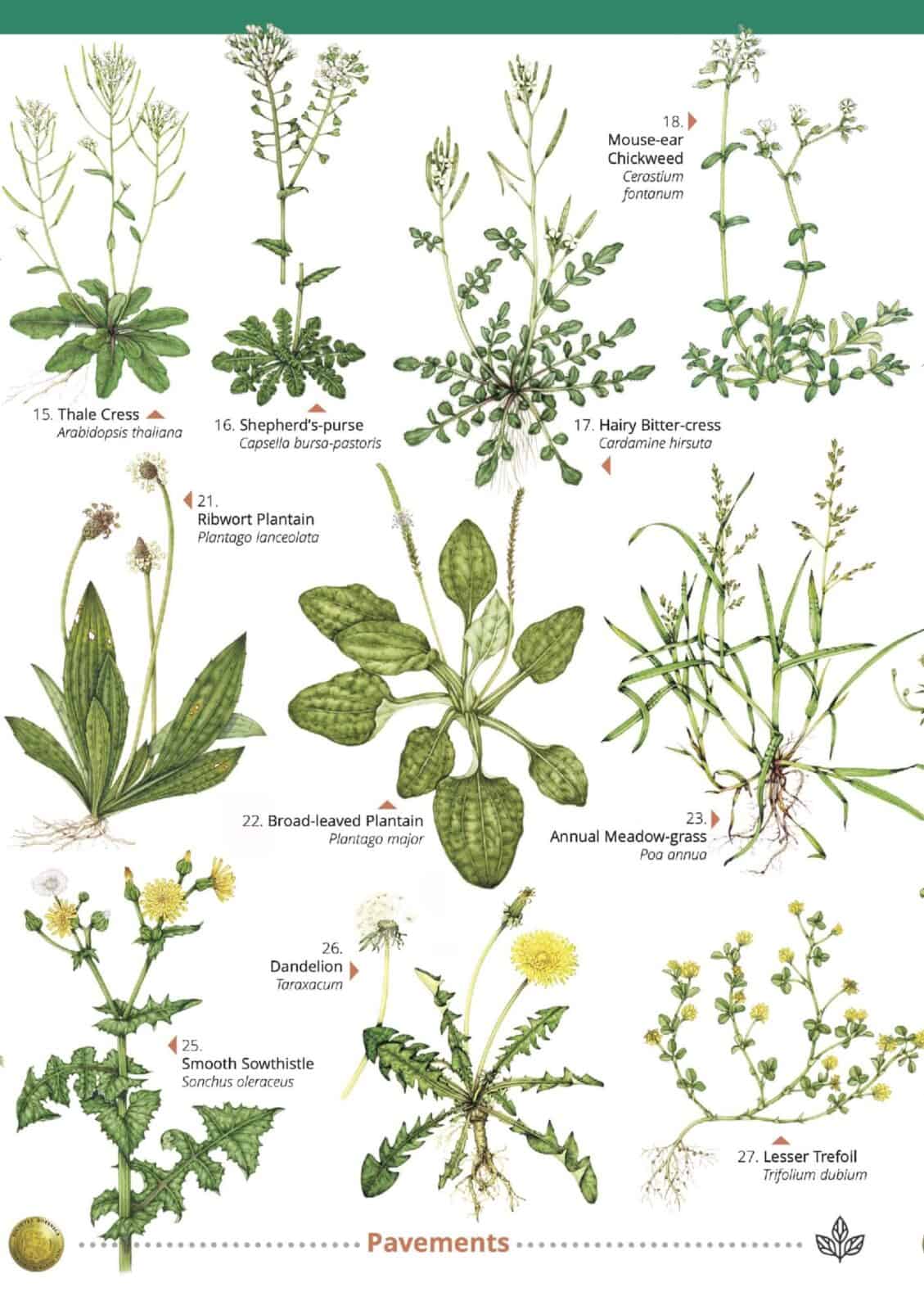
- Beautiful colour paintings by Lizzie Harper highlight the key identification features to look out for.
- Practical for use outdoors: lightweight, rucksack-sized, splash-proof
Have you ever stopped to look at the wildflowers growing in your street? You don’t have to travel far to find a wide range of interesting plants. From tiny plants growing in pavement cracks to showy flowers that have jumped the garden fence, this identification guide covers the species you are most likely to see.
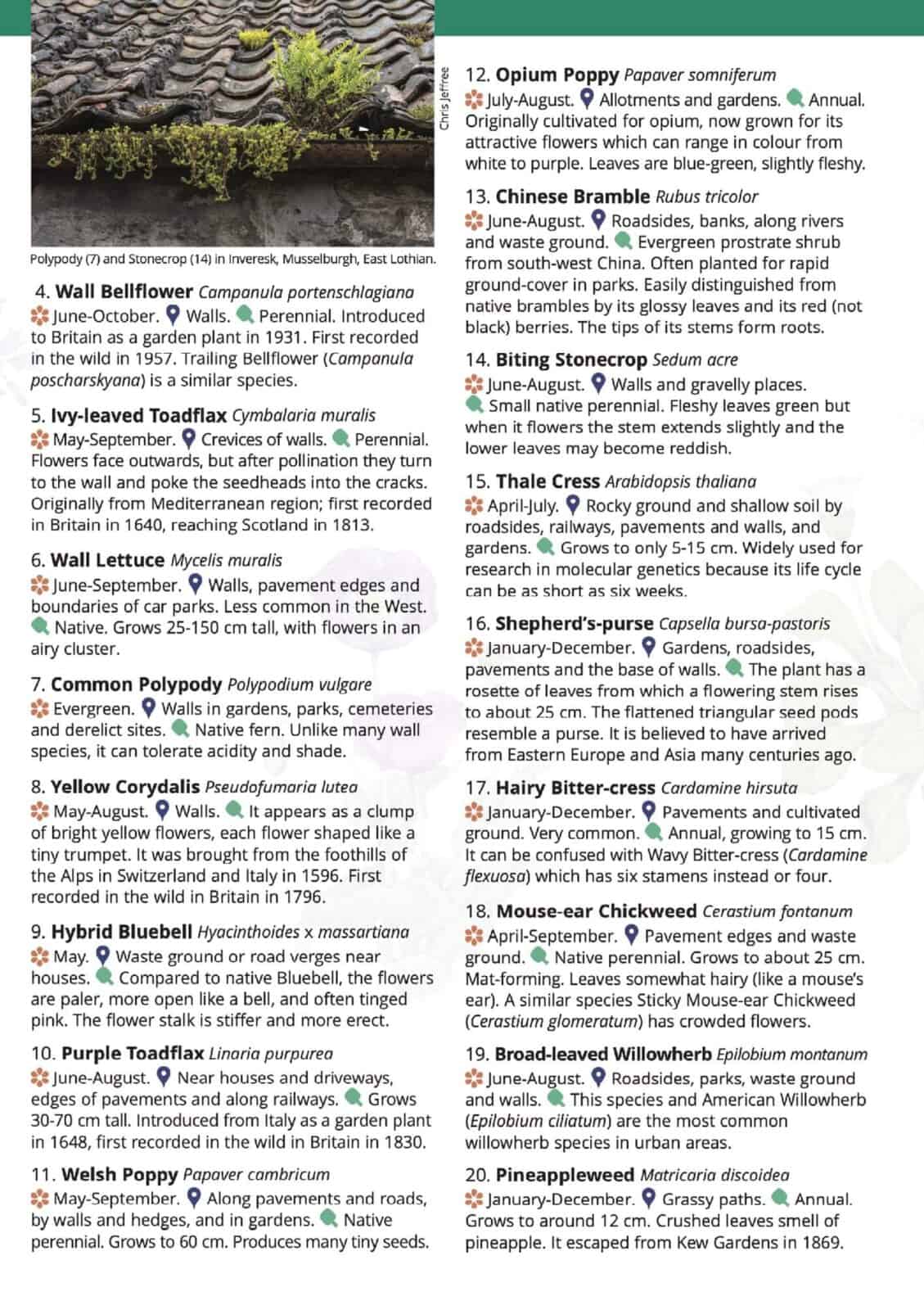
Beautiful colour paintings by Lizzie Harper highlight the key identification features to look out for. Additional accompanying text includes flowering months and sub-habitat for each species.
Although urban plants are easy to dismiss as ‘weeds’, they have many fascinating adaptations that are worthy of a second look. Some have a fast lifecycle, tolerating limited space, not much soil, and highly fluctuating temperatures and moisture. Others spread quickly through stolons and rhizomes to form large stands. Old walls have specialist plants all of their own, especially where there is soft lime mortar.
Since 2015 the Botanical Society of Scotland has been recording urban plants in Scotland, defined as settlements with at least 1000 inhabitants. Volunteer recorders have searched streets, car parks, golf courses, cemeteries, waste ground and many other places. Anything deliberately planted was excluded, but anything that had spread by itself was included.
Currently there are nearly 80,000 records, with over 1200 vascular plant species found so far. This guide covers the most common non-woody species among these records.