National Nature Reserve
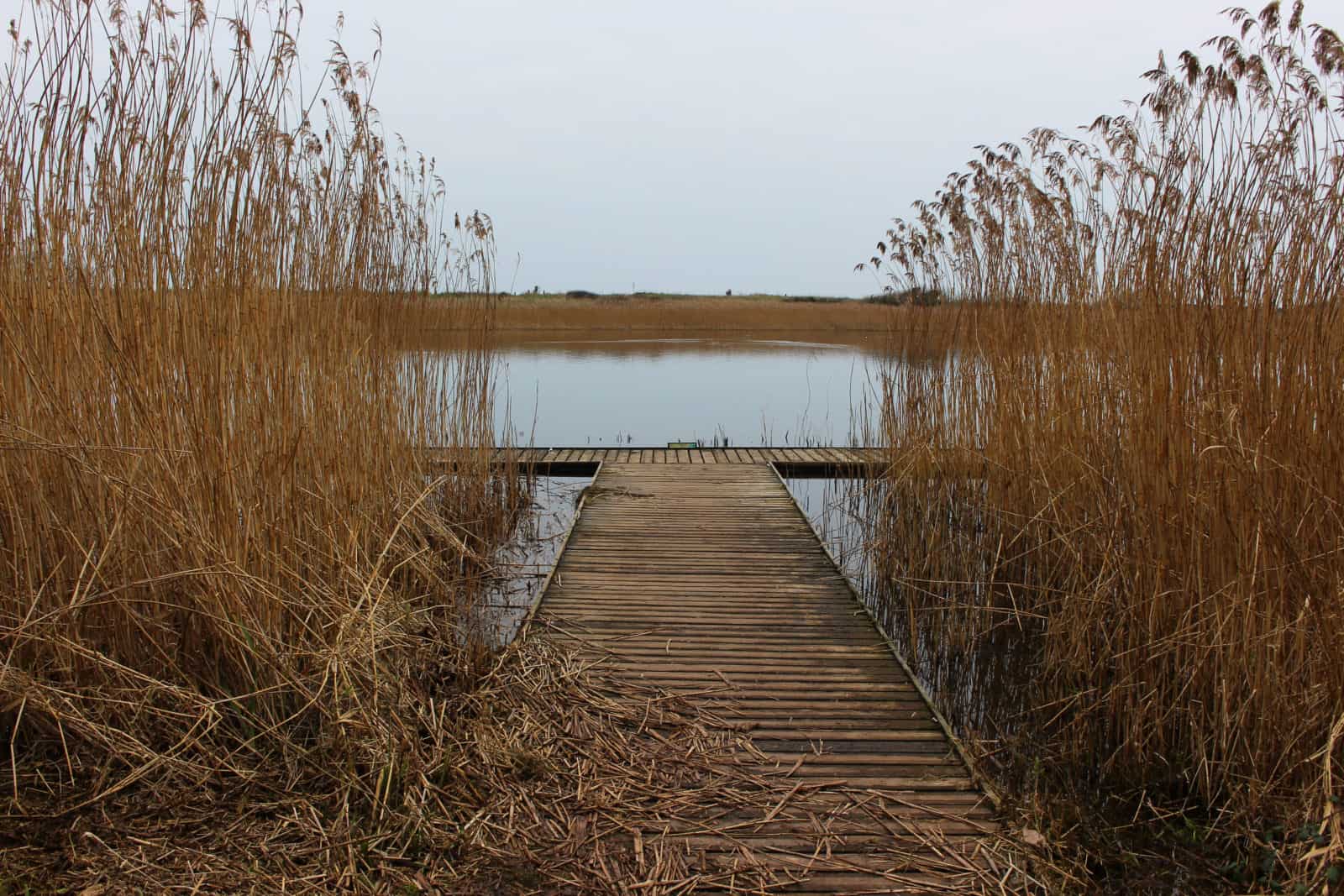
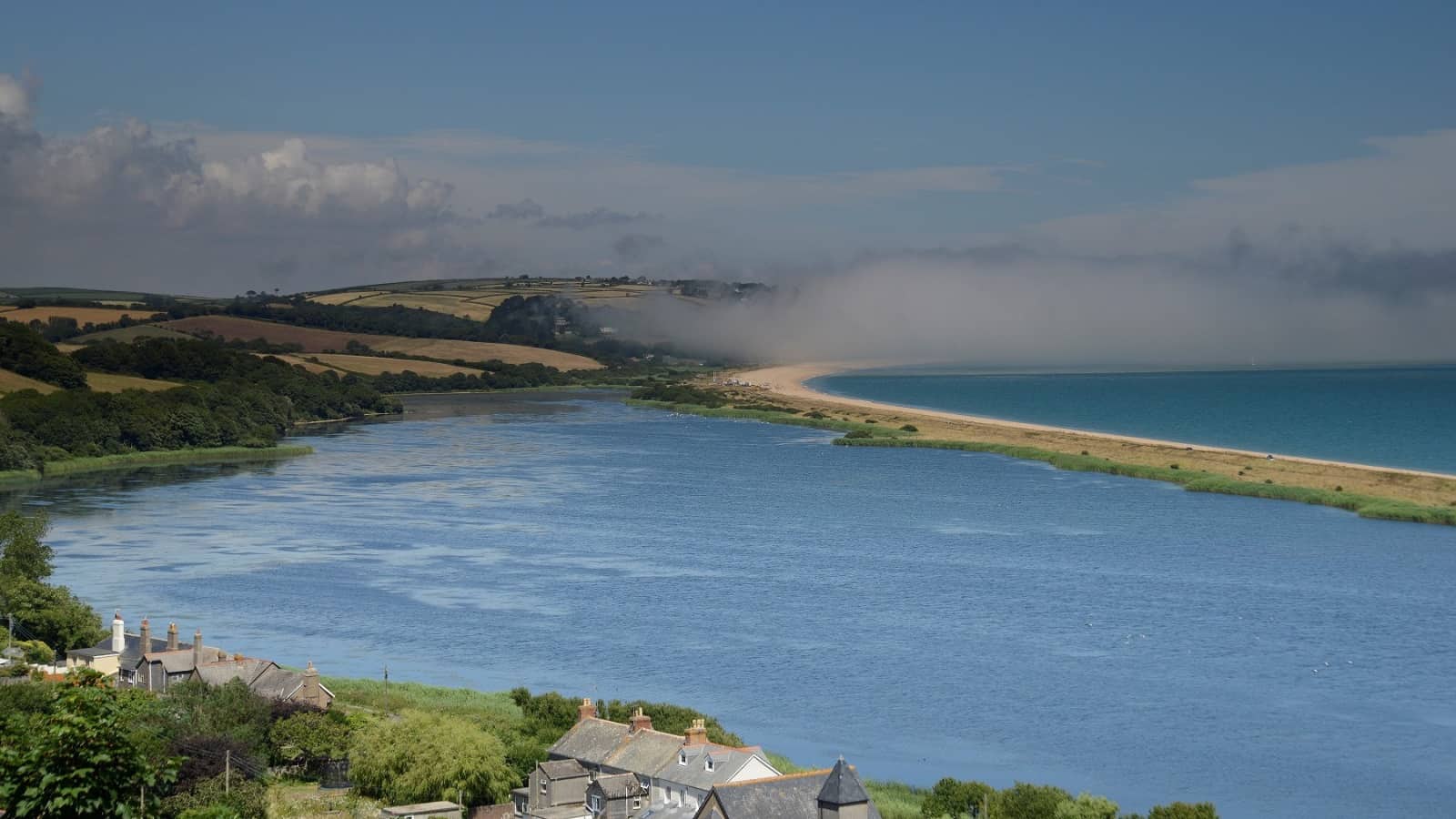
The National Nature Reserve (NNR) is a Site of Special Scientific Interest (SSSI), managed by the Field Studies Council in partnership with owners Wild Planet Trust, Natural England and South Hams District Council. It includes Slapton Ley – the largest natural freshwater lake in south-west England, separated from the sea by a narrow shingle ridge. The lake is surrounded by reed beds, marshes, grassland and woodland habitats.
To find out more about the reserve’s wildlife and habitats see the webpage.
Data sets
Students can gain access to existing long-term data sets, including those for several bird species, Strapwort and Dormice, as well as water quality monitoring and beach profile data. Camera trap footage and management plans for the reserve are also available.
Rather excitingly, we will have a new water quality monitoring ‘station’ in action on the Ley, at the dipping platform, near the entrance to the nature trail. The station will enable us to gather 24-7 live data on water quality variables, including temperature, turbidity, pH, chlorophyll and phycocyanin. The data goes directly to a dashboard published online, so anyone can access. We would encourage students to utilise this data, alongside our long-term data set, to consider trends and causes of poor water quality of the Ley and its inputs.
Research
Undergraduate, postgraduate and postdoctoral students and early career academics can use our field centre or field sites to carry out research – either as a one-off visit or at regular intervals.
Benefits of undertaking research at Slapton Ley: Easy access to a range of fieldwork sites, including the Slapton Ley Nature Reserve, with opportunities to conduct research in a vast selection of geographical issues, biological topic areas or species. Highly knowledgeable staff on site, including NNR ranger, who can offer introductory talks to areas of study or conduct full days of teaching. Flexibility of options and support available, via communication with the centre. Well-equipped laboratories and access to long-standing data sets.
Research Seminar: Slapton organises an annual Research Seminar, every November, to showcase the fascinating research that has been conducted on and around the NNR, and nearby areas. This offers students the opportunity to not only attend the event itself but demonstrate the research they collect while studying at Slapton via a presentation or poster. Previous talks conducted by students/ researchers include variation in plant species on the shingle ridge, analysis of water quality trends of the Ley and carbon content of the wet woodland within the NNR.
Future research: We are particularly interested in research projects conducted on the topics below, as they either fill current gaps in our knowledge and data sets or will be valuable for the ongoing management of reserve. Wildcard ideas are also welcome, so please do let us know if you have an interesting proposal.
- Water quality
- Invasive species
- Botany e.g. woodland/ grassland surveys
- Condition statements for habitat type(s)
- A species or habitat with a designation
- Dormice
- Pine martens
- Bats
- Macrophytes
- Fish
- Invertebrates
- Nature connectedness or the human impact of the nature reserve/ field centre
If you’re interested in utilising the NNR or surrounding area as part of a research project, please do get in touch.
NNR opportunities
Kieran Shaw-Flach, the NNR ranger, offers vast knowledge of the reserve and its management. With previous experience in teaching as well as a Biological Sciences degree from the University of Exeter, he understands university-level research and can support a vast number of opportunities for investigation and teaching on the reserve.
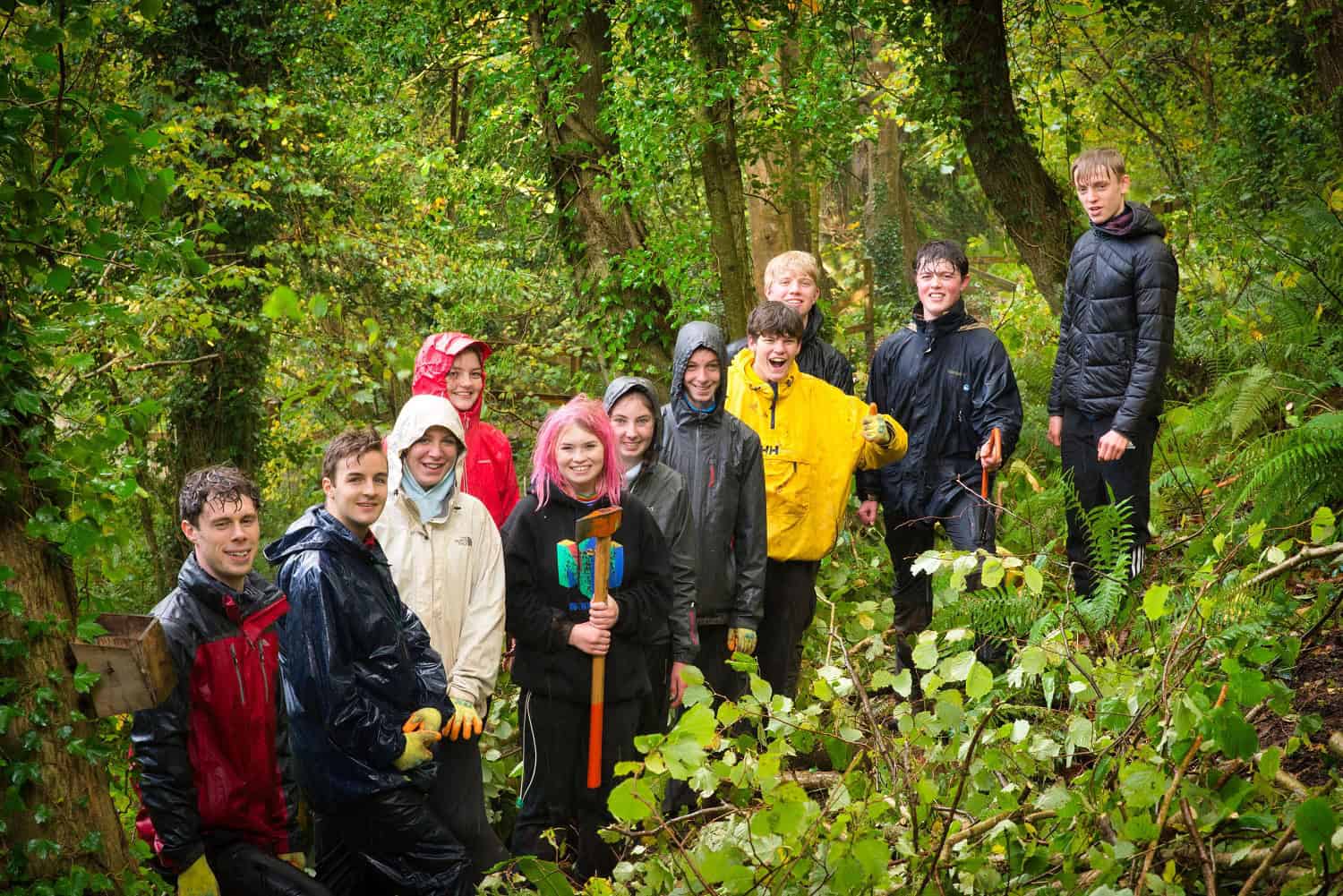
For those wishing to join as part of a university course, an introductory presentation about the NNR can be offered – a chance to hear about how the reserve is managed and monitored. A full tour of the reserve, with Kieran, can be included at an additional cost to learn about the specific habitats and species. Groups can also get involved with several tasks, including:
- Wetland or woodland management e.g., coppicing, tree planting
- Freshwater surveys
- Species identification and surveys
- Invasive species identification and management e.g., Himalayan Balsam
- Water quality monitoring
- Working with volunteers to undertake habitat management and monitoring.
This list is not exhaustive and additional activities can be conducted and supported upon discussion with the centre.
Other fieldwork sites / opportunities
Biological sciences: Coastal vegetated shingle, woodland (including ancient, plantation and wet woodland), freshwater stream and lake, grassland, and marshland sites all within walking distance. Rocky shore (sheltered and exposed), and saltmarsh (Avon Estuary) both twenty-minutes’ drive from the centre.
Physical geography: Nearby coastal sites (coastal process, management, succession). Multiple river sites (hydrology, processes, landforms, flood defences). Dartmoor National Park and coastal environments (weathering and slope processes, glaciated landscapes). Fields and woodland sites within walking distance for water and carbon cycle studies.
Human geography: Rural study options in local villages or Totnes – a Transition Town. Urban study options in Plymouth, which has undergone regeneration and rebranding in numerous areas, or Torquay, a popular tourist destination.
Geology: Access to a variety of different geological features and rock types – locally and at sites such on Dartmoor and in Torbay.
The locations outlined above are also utilised for study in environmental sciences, environmental management, parasitology, civil engineering and more.