
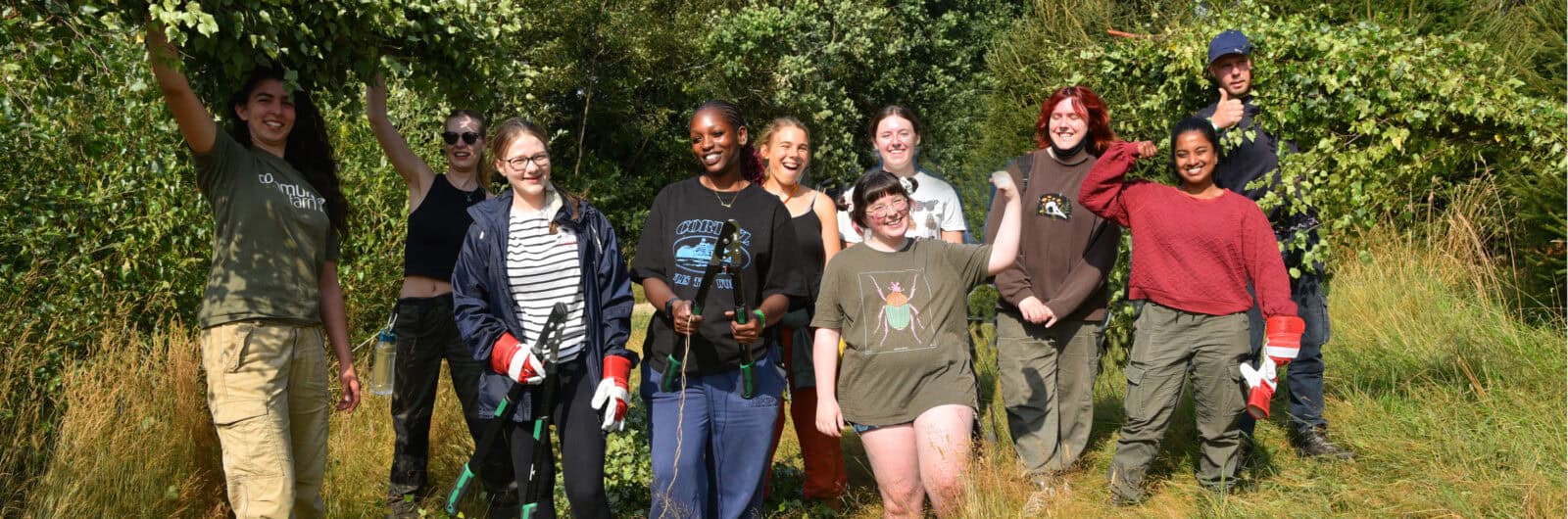
Unique opportunity for 16–25-year-olds to apply for a heavily subsidised, Darwin-inspired scholarship, combining environmental education and ongoing support.
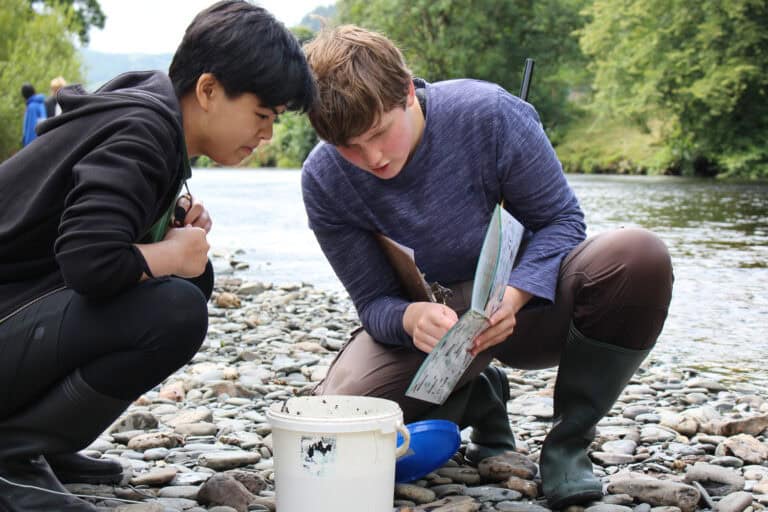

What is the Young Darwin Scholarship?
If you are aged 16–25 and passionate about nature, science, or the environment, the Young Darwin Scholarship offers you the chance to dive into a choice of experiences with the Field Studies Council—at a fraction of the cost.
As a scholar, you’ll join a dynamic community of like-minded young people, gaining access to exclusive alumni events, ongoing support, and even more discounted learning opportunities. It’s more than a scholarship—it’s your gateway to a lifelong journey of discovery, inspiration, and connection.
What is included in the scholarship?
The Scholarship starts with an in-person experience, either residential or a non-residential day series, at locations across the UK. Scholars can choose from a range of eligible courses and experiences, each centring around time outdoors in environmentally engaging spaces. During these experiences, Scholars will:
- Gain practical, transferable skills through a range of tasks and activities.
- Explore the local landscape, observing a variety of plants, trees, invertebrates and other wildlife.
- Build confidence while exploring the outdoors with like-minded people who share similar interests.
Eligible courses and experiences
Depending on the age category Scholarship applicants fall into, they have a range of different options to choose from. All in-person experiences take place between June – October 2026.
The eligible experiences for each age group are as follows:
16-17 year olds
Camps from our programme of residentials for young people:
- Biology Camp
- Conservation and Biodiversity with John Muir
- Conservation Camp
- Ecology Camp
- Geography and Geology Camp
- Geography Camp
- Geology Camp
- Marine Science Camp
- Snorkelling for Marine Biology
(All camps take place on multiple dates at different Field Studies Council locations, please refer to individual product pages for details).
18-25 year olds
- Conservation with John Muir Award residential
- Ecology and Conservation in London Parks (non-residential)
- Green Skills Camp residential (multiple dates and locations)
Further details of locations and options:
Aged 16-17 Residentials (multiple dates)
5 day residential courses, Monday to Friday
Cost to scholar: £95
With a range of residential courses available from Conservation Camp to Marine Science Camp, Scholars can choose the camp that aligns most with their interests.
Our residentials give you the chance to develop a range of transferable skills. These types of skills help across many areas of life and are particularly good for including in education or job applications!
Aged 18-25 Residential: Conservation with John Muir Award, Nettlecombe (13-17 July 2026)
5 day residential course, Monday to Friday
Cost to scholar: £95
Sessions during Conservation Camp might include learning about the local wildlife, experiencing flora and fauna on a spectacular walk, taking part in a local conservation project, and trying out a range of bushcraft skills in nearby woodland.
It is ideal for young people looking to get first-hand experience of conservation in action.
Aged 18-25 Ecology and Conservation in London Parks (3-7 August 2026)
5 consecutive days
Cost to scholar: £45
This day series brings participants to various locations across Greater London, where they gain practical, observational and recording skills through a series of activities that help with wildlife and habitat conservation.
Please note that this opportunity does not have a residential option. Participants are responsible for making their own travel arrangements to and from each venue. Lunch is not provided, so participants should bring a packed lunch. All venues are located within the Greater London area.
Aged 18-25 Residential Green Skills Camp (31 August – 4 September 2026)
This camp is running at both our Castle Head and Slapton Ley field centres.
5 day residential, Monday to Friday
Cost to scholar: £95
Gain practical experience for ecology and environmental careers through habitat mapping, species identification and hands on conservation. Develop your skills and interests with like-minded people and foster connections with people working in the environmental field and beyond!
Ongoing support
In addition to the residential trip/day series, Scholars receive access to an exclusive support package, including:
- A selection of Field Studies Council Wild ID guides.
- An allowance available for 1 year to put towards further learning experiences with Field Studies Council – from our other experiences for young people to adult natural history training, there are a range of opportunities to explore!
- Becoming part of the Young Darwin Scholar alumni network with opportunities to meet and connect with other scholars at online events and webinars, covering career and academic advice, current environmental topics and projects, and wider environmental themes.
Useful information to know before applying. Accessibility and support.
The cost of residential courses includes food and accommodation – the non-residential courses do not include meals unless specified on the course page.
Please note that we can only award Scholarships to young people who are UK residents.
We welcome all young people regardless of their backgrounds or experiences. You do not need a degree or any qualifications to be a scholar. All we ask is that you have an interest in nature and are open to learning new environmental skills and discovering more about the pathways you can follow while being part of a group of like-minded people.
The Scholarships aims to curate an open and inclusive space. We are committed to ensuring everybody feels welcome and can make a number of adjustments to enable this. This includes, but is not limited to:
- Offering a choice of meals to accommodate dietary or religious meal requirements
- Options to have a private room, subject to availability
- Open discussions about reasonable adjustments to support your learning
- Judgement free support
- Bursaries to support travel and attendance
If you have any support needs or any other questions about accessibility or criteria that you want to discuss before applying for the scholarship, then please get in touch.
If the cost of travelling to the course or the 10% contribution is stopping you from applying, please do talk to us. We may be able to offer further support. Requests for financial support will be dealt with on a case-by-case basis. We understand that this is sensitive information, and no financial information will be shared with other scholars.
Email: [email protected]
Application Process
Details of the application process
The application process is an online form which includes three main questions:
- Tell us a bit about yourself (Max 300 words)
Ideas for answers: We want to learn a bit more about you! What are you interested in? Do you have any hobbies? What do you enjoy doing in your spare time? What are you working on at the moment? Remember, you don’t need any previous experience or skills to attend – we just want to know more about who you are! - Tell us about a nature-based topic that you are passionate or curious about. (Max 300 words)
Ideas for answers: We want to understand more about your interests in the natural world. What sparks your curiosity in nature and what would you like to learn more about? This topic could be anything such as a species, event, habitat or theme. What is it about this topic that interests you, what has inspired this interest, where did it come from, and why is it important to you? - Why do you want to attend the Young Darwin Scholarship? If you were awarded a scholarship, how would this impact your future? (Max 300 words)
Ideas for answers: What do you hope to gain and learn as a Young Darwin Scholar? How can the scholarship benefit you? What is it about this programme that sounds good? How would you like to be supported while being a Young Darwin Scholar? What are your aspirations for the next few years and how to do these link to your environmental interests? Are you hoping to learn more for personal interests? Are you considering an environmental career or educational course?
It can be useful to write your thoughts down in a Word or Google document first and then copy and paste them into our application form.
If a written form is a barrier to you applying, please email [email protected] and we will arrange an alternative application method. This is usually in the form of arranging a telephone or online call so we can speak about your responses. We can also facilitate audio-recorded applications.
We will use the answers given to the questions to make our decision so that applicants will not be required to do a follow-up interview or task. All applications will be scored by the Field Studies Council team.
The deadline to submit applications is 9pm on Wednesday 27th May 2026
In-person experiences take place between July – October 2026.
To apply, choose the appropriate application form for your age category below. If you will be aged 18 or over on or before the 1st July 2026, you should fill out the application form for 18-25-year-olds.
All applicants will be contacted, regardless of the outcome of their application. If you are successful, you will be contacted by email and will have one week to book your place. (We ask everybody to please ensure they check their junk or spam inboxes regularly, as quite often our emails are sent there).
Frequently asked questions
What is the difference between the types of in-person experience available?
There are a range of in-person experiences to choose from, including courses and camps, enabling Scholars to choose an experience that aligns with their interests and passions. Some of the experiences are limited to a specific age group, so please check the course page carefully to see if you are in the correct age group.
Who else will be at the in-person experience?
At the in-person experience you can expect to meet like-minded young people, as well as subject experts and tutors who will guide you through the weeks’ activities.
All the eligible courses are open to bookings from the general public as well as Young Darwin Scholars. On residential camps you will be joining other attendees around your age, while on Employability in Ecology you will be joining other adults interested in entry-level ecology roles.
Will I get to meet other scholars on the in-person residential?
We can’t guarantee you will be with other Young Darwin Scholars on the in-person experience, but we aim to allocate scholars onto experiences in groups so that you have the opportunity to meet each other, as well as meeting the other young people attending the course.
How much does it cost?
Scholars pay a contribution towards the overall course price, therefore accessing the experience at a big discount. Residential experiences cost the Scholar £95, while non-residential experiences cost £45. If you can’t afford the contribution, please contact us at [email protected]
What if I can’t afford the financial contribution?
If you can’t afford the financial contribution towards the scholarship, please contact us at [email protected]. We provide funding to support those most in need to broaden the accessibility of the scholarship.
Requests for financial support will be dealt with on a case-by-case basis. We understand that this is sensitive information, and no financial information will be shared with other scholars.
Written applications are a barrier for me, is there another way I can apply?
If a written form is a barrier to you applying, please email [email protected] and we will arrange an alternative application method. This is usually in the form of arranging a telephone or online call so we can speak about your responses. We can also facilitate audio-recorded applications.
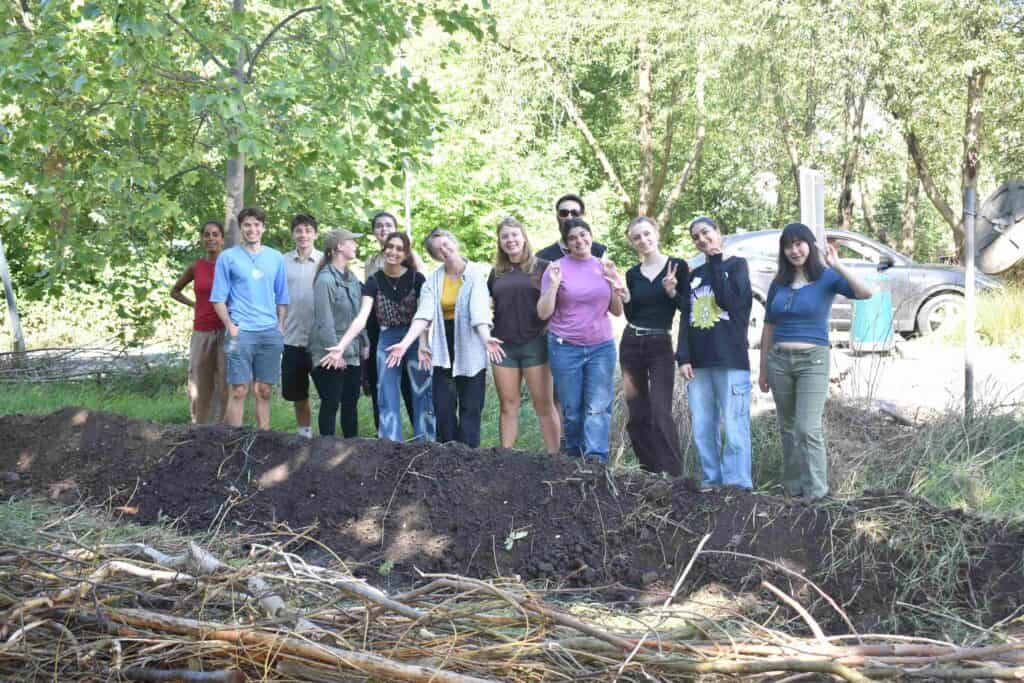
To keep up to date with all of our opportunities for young people (16-25), sign up for our Youth Mailing List. This mailing list gets first access to offers, discounts and opportunities.
If you have any questions regarding your application or the scholarship, please email:
[email protected]