
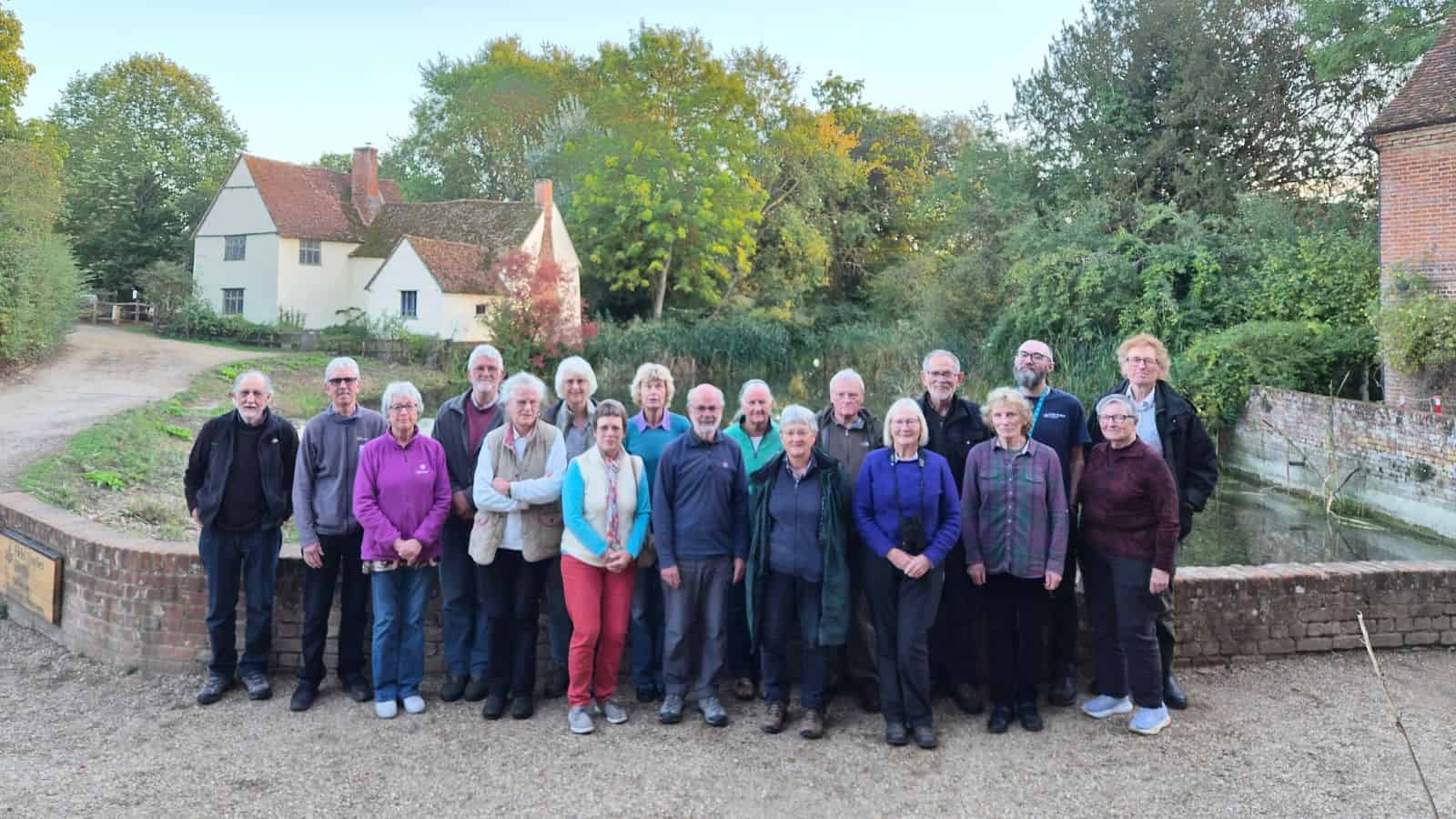
A meeting of Members in the Suffolk countryside
On a fine weekend in early October, it was our pleasure to welcome a small group of our members at our Flatford Mill field centre in the Suffolk countryside.
19 members joined us for a very special residential event, the first in several years, to enjoy exclusive updates and activities in a relaxed, social setting. Attendees were a mixture of our Life Members and regular donors, all supporting outdoor learning opportunities through their membership.
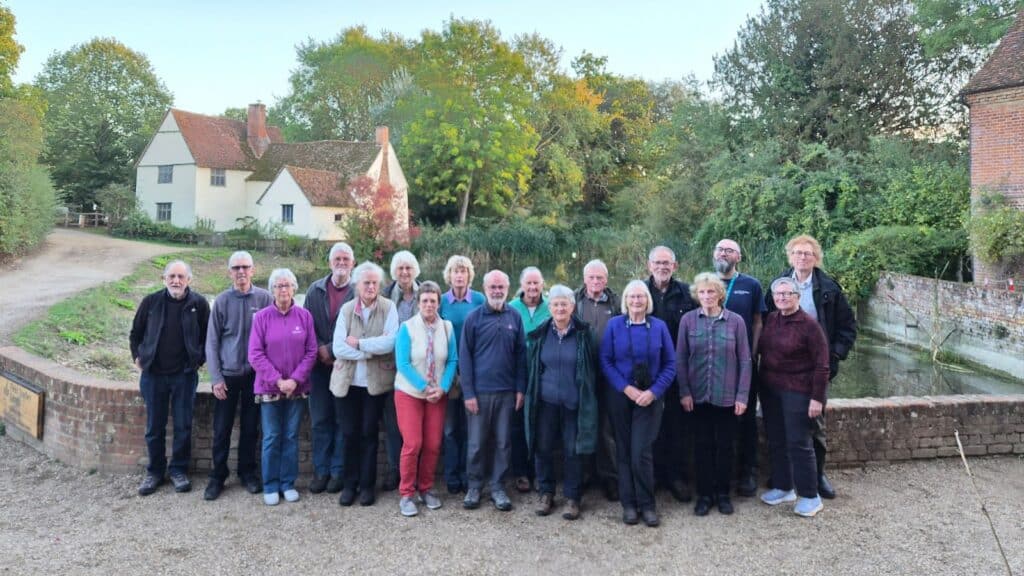
Social outdoor activities for the members
Friday’s evening meal and informal social was a great chance for people to chat and share stories, getting to know each other before the weekend’s activities began.
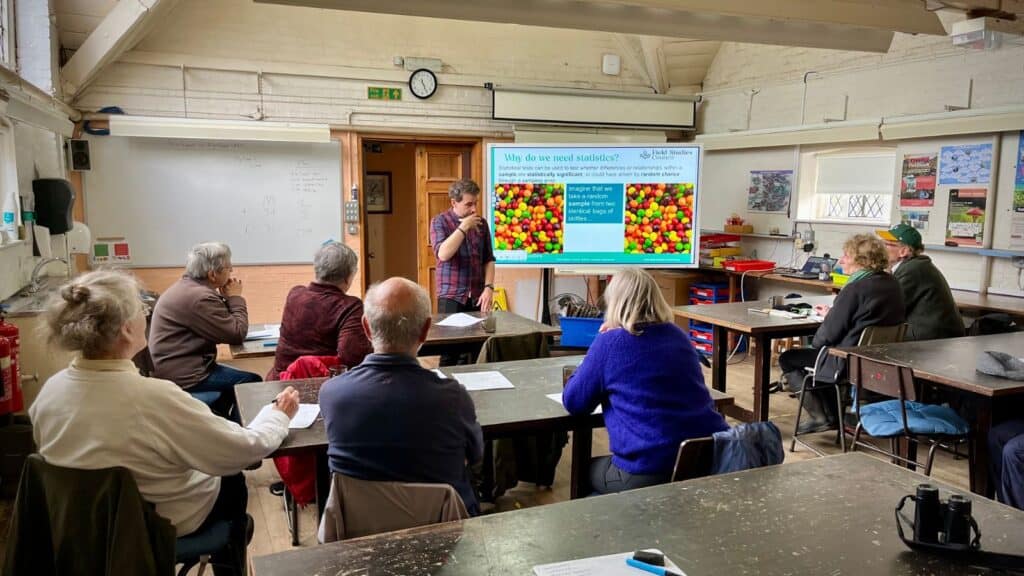
Saturday began with an informative session about our charity’s Theory of Change – the model which outlines how our courses create meaningful learning outcomes through high‑quality outdoor experiences. Enthusiastically explained by Simon Ward, Education Team Leader, the seven short-term experience outcomes would be put into action over the weekend as he showed members how everything we do is designed to support this model and our three long-term outcomes: nature and landscape, personal and social, and active learning.
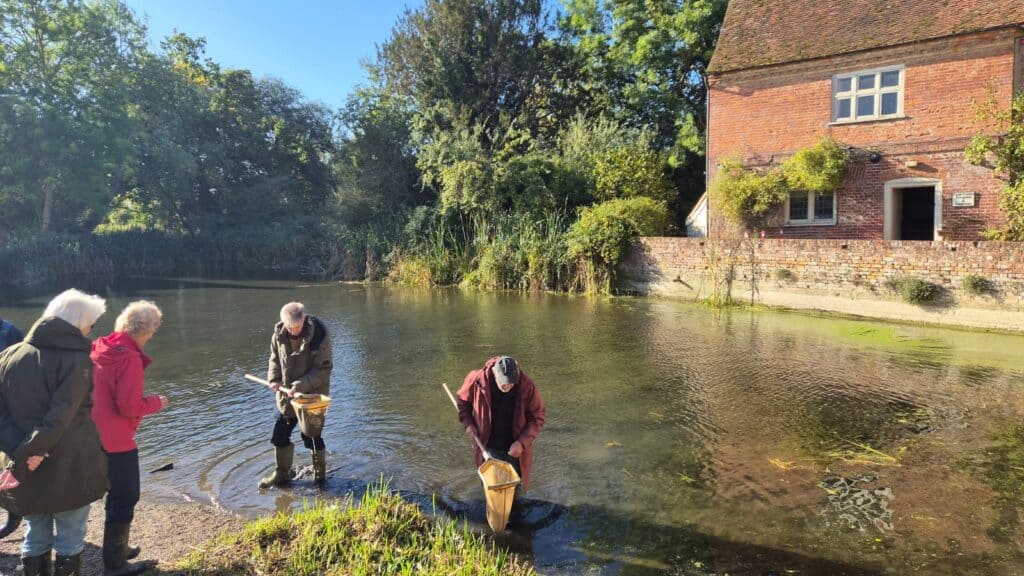
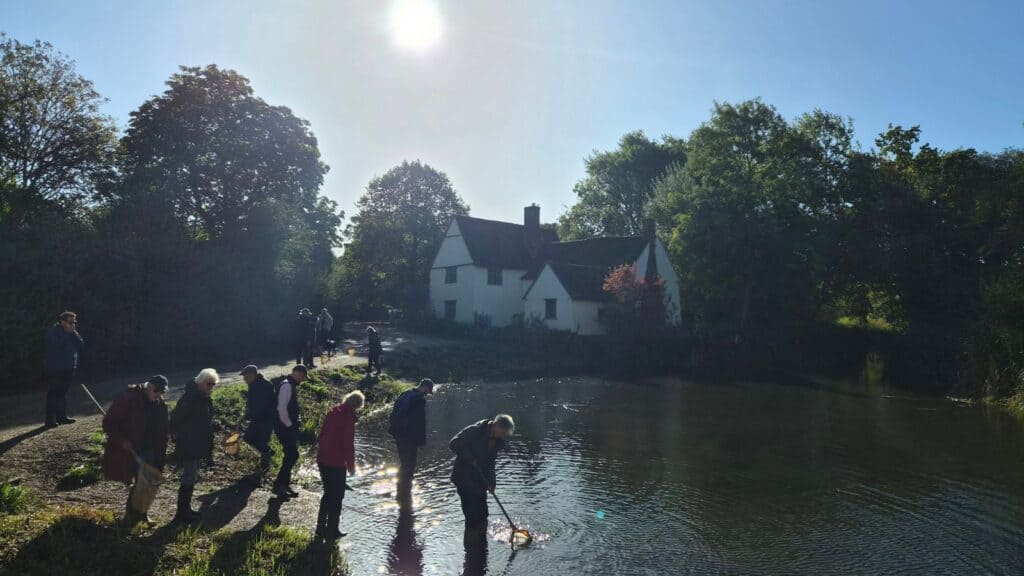
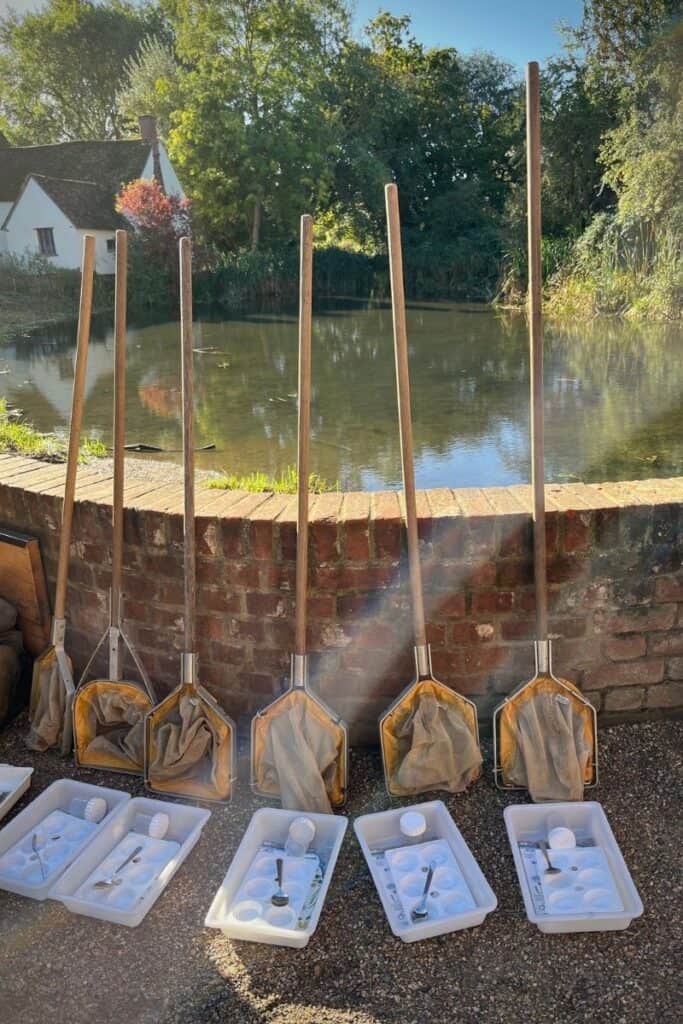
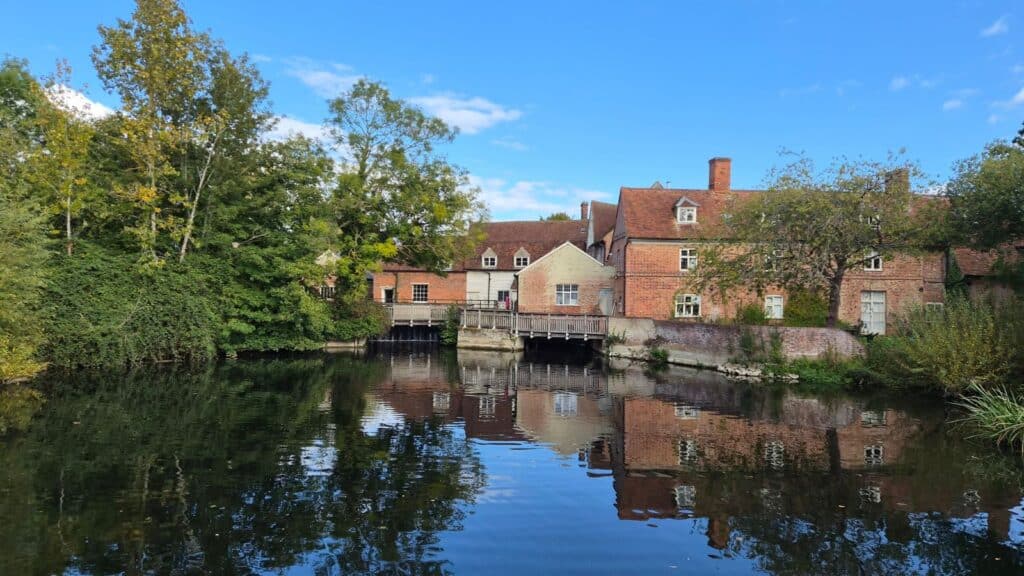
With Willy Lott’s cottage as the backdrop, it was time for some outdoor learning! The group took part in a pond dipping session in the mill pond, discovering what lurks just below the surface. Making use of our freshwater name trail ID guide, members found a wide variety of molluscs and freshwater insects, as well as a stone loach. Working in small groups, the findings were recorded on tablets in a shared document to provide some data for a later session.
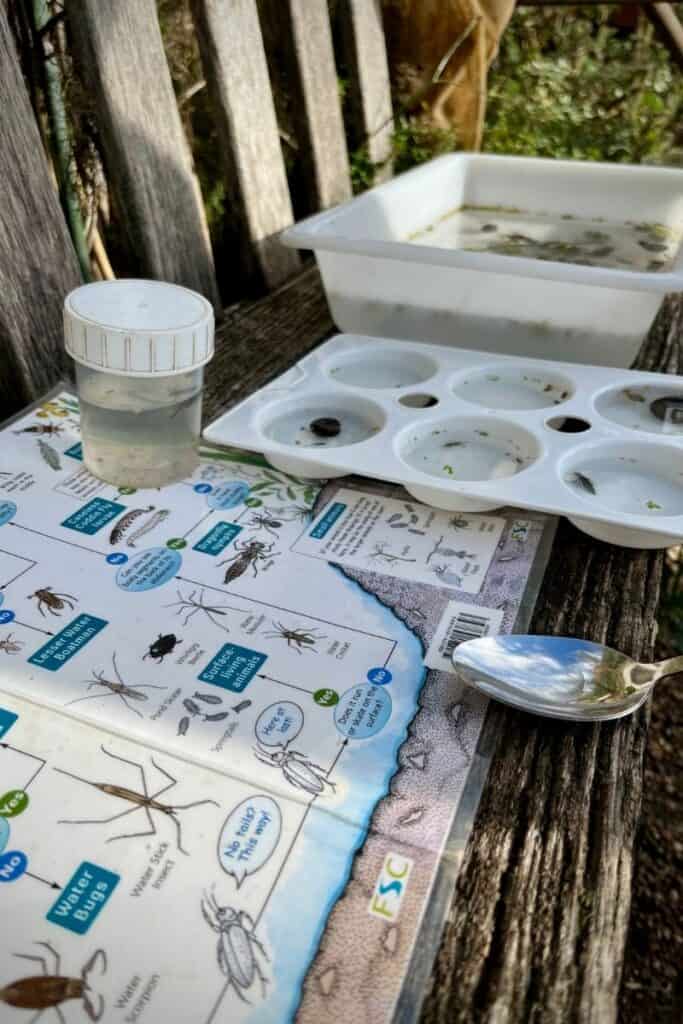
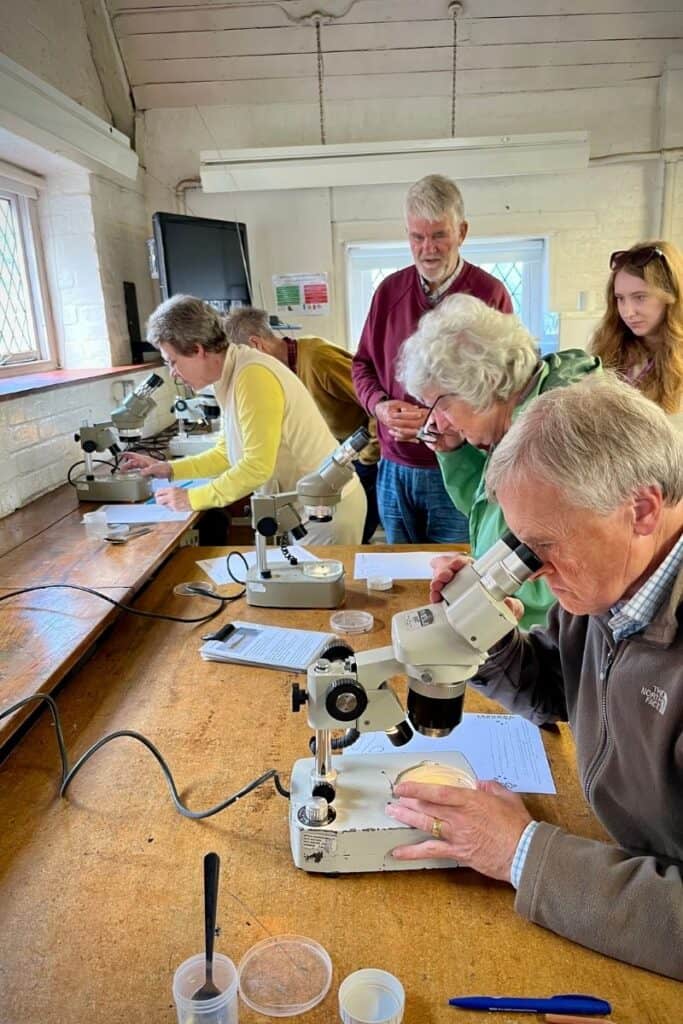
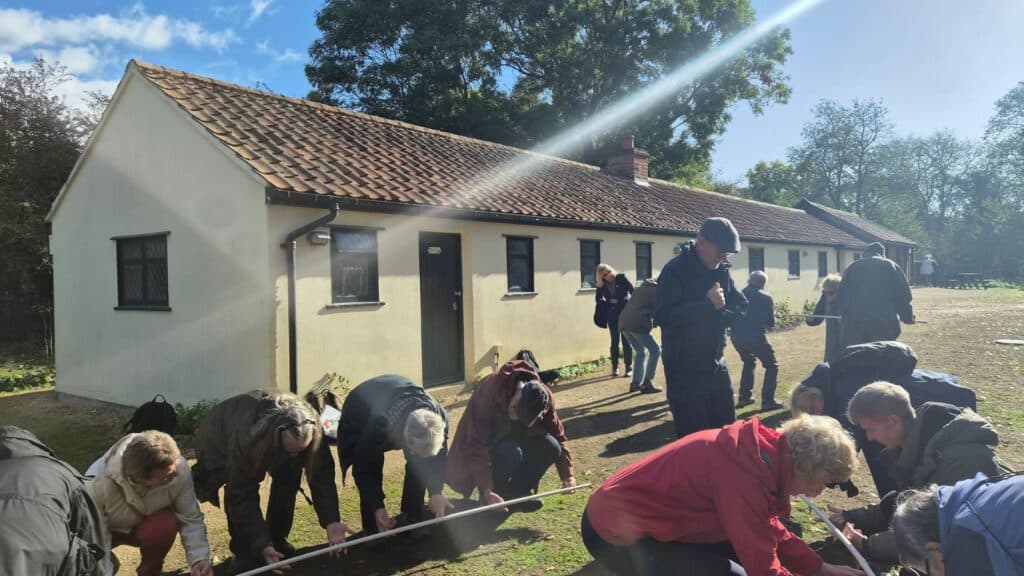
After a brief coffee break, it was back to the classroom to examine our finds under the microscope, or for those more interested in statistics, a practical example of how we work with older age groups to analyse the findings from the outdoor sessions.
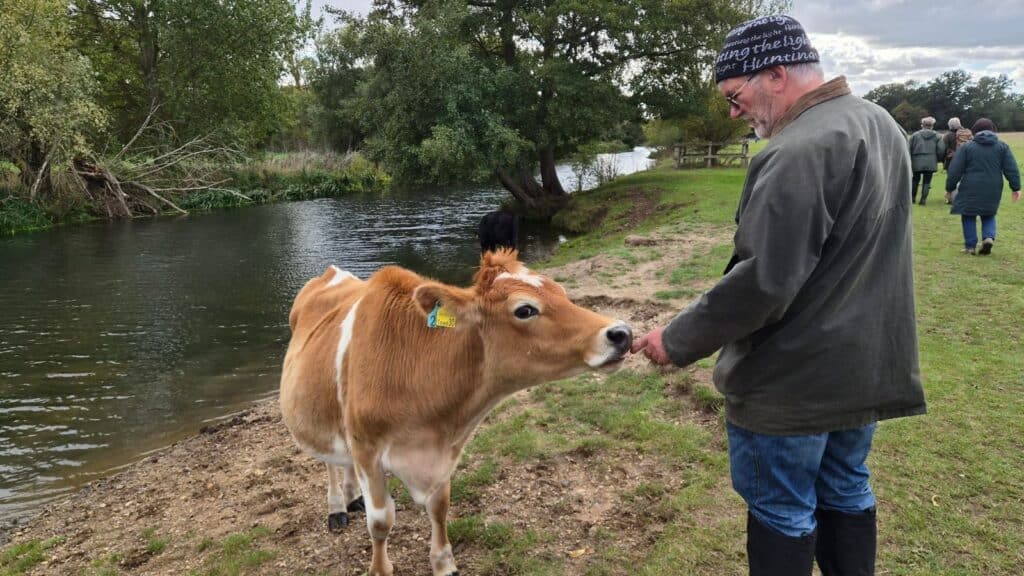
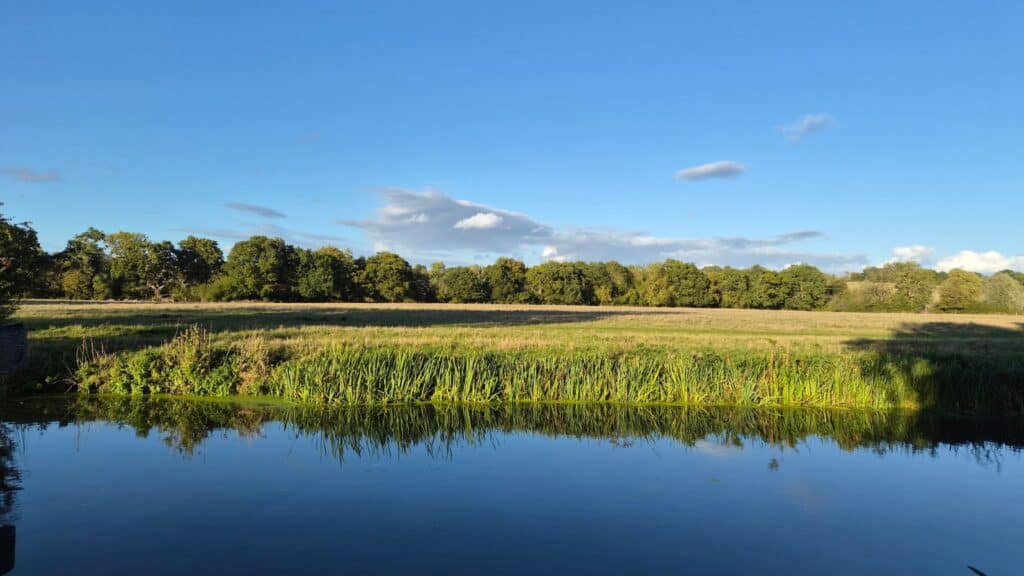
A classic Field Studies Council packed lunch was followed by a leisurely stroll along the River Stour with David and Elise – marking the border between Suffolk and Essex – to Dedham village. After a brief look around the village to admire its old buildings and 15th century church, we headed back for some free time before their evening meal.
This was followed by a hotly contested quiz which tested members’ knowledge of Field Studies Council and also featured rounds about famous naturalists and taxonomy. The odd one out round had everyone scratching their heads; see if you can answer one of the questions that featured!
Which of these is in a different genus to the other two? Rook, carrion crow, or jackdaw? (*Answer at the end of the page)
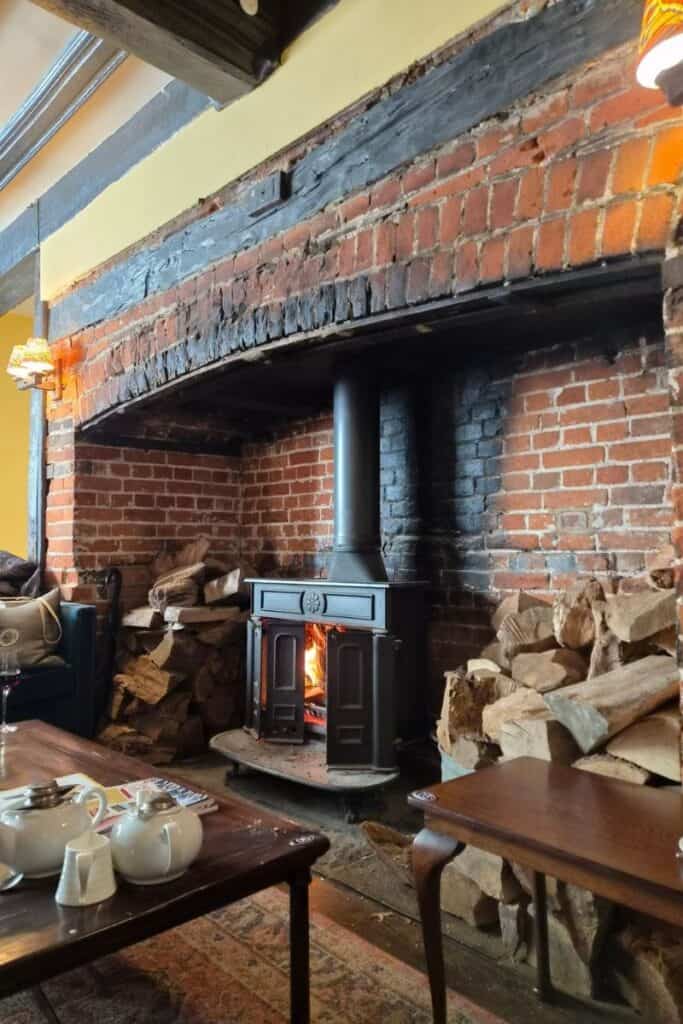
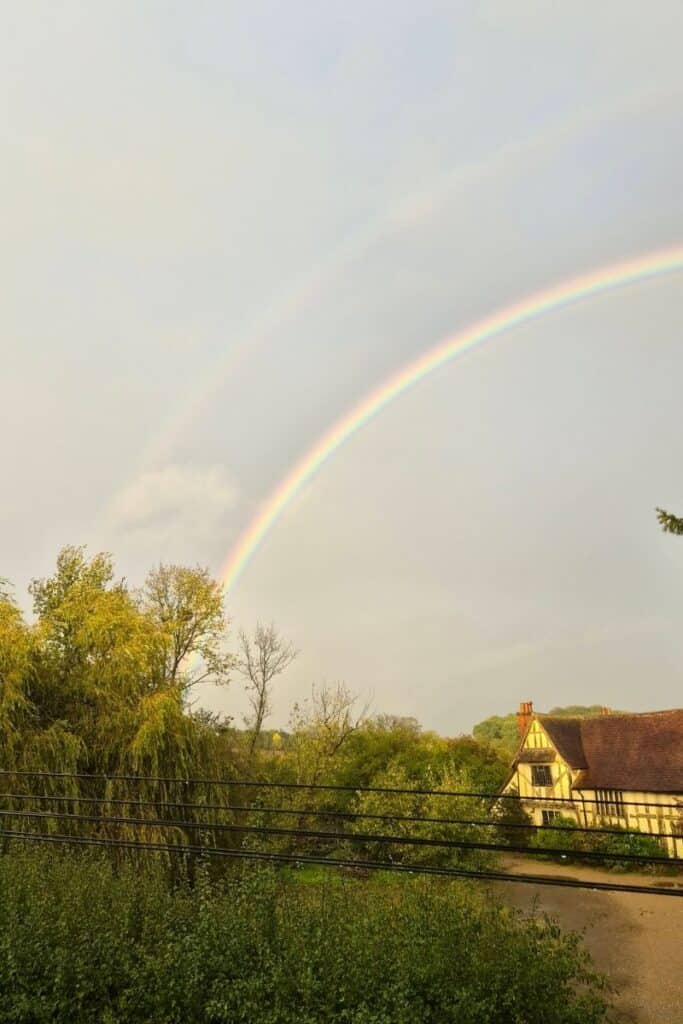
A chance to enjoy the landscape and local area
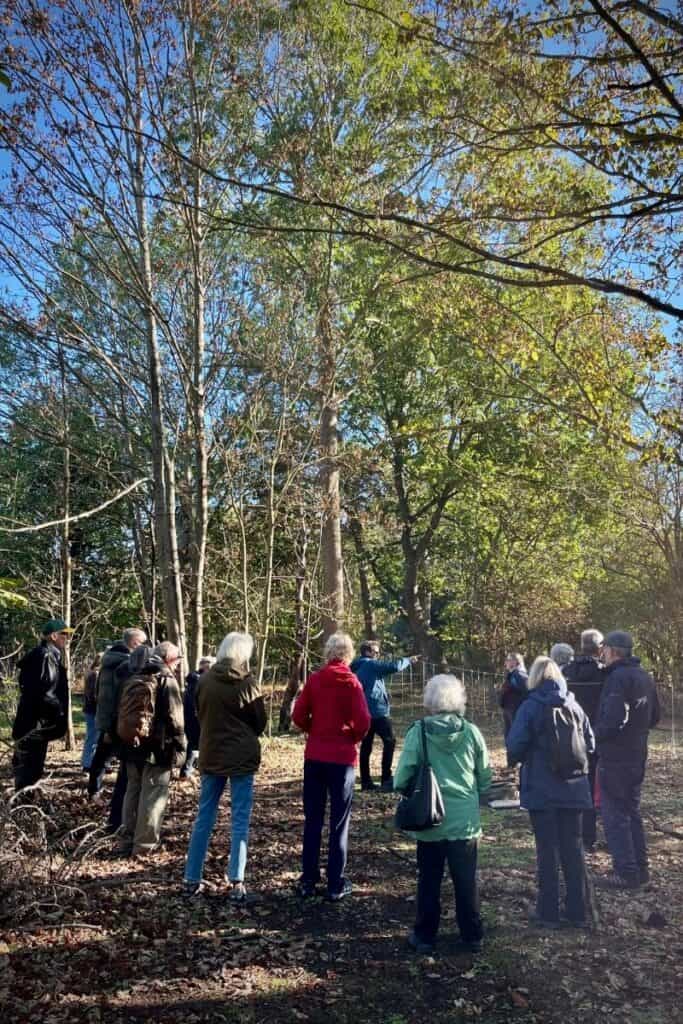
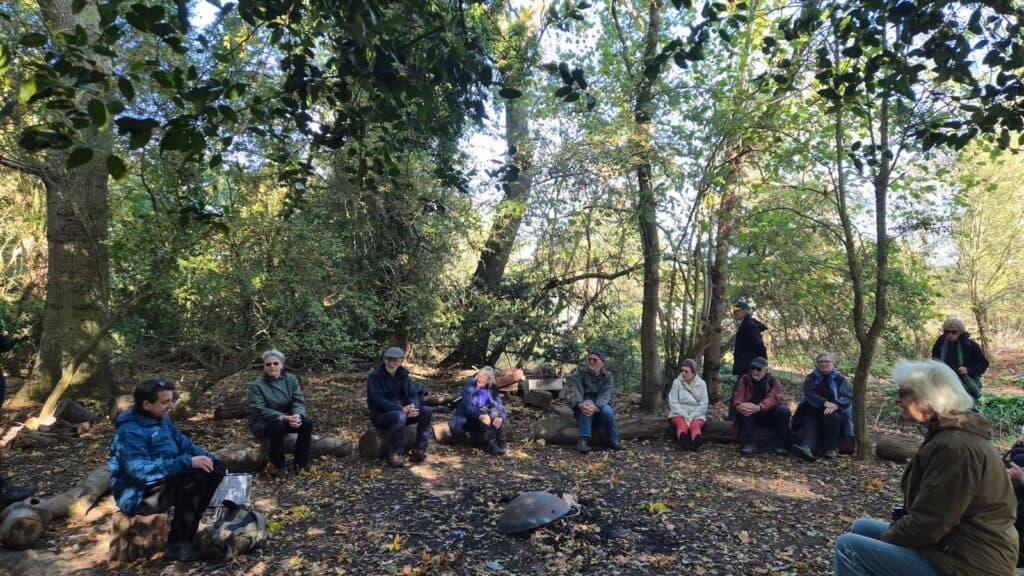
Simon returned on Sunday to give members a comprehensive tour of the site, showcasing the wide variety of outdoor and indoor learning spaces available to visiting groups. Keeping our Theory of Change in mind, the group engaged in practical examples of how the spaces are used to achieve our outcomes. A relaxing mindfulness activity in the woods was beautifully sound tracked by a Greater spotted woodpecker.
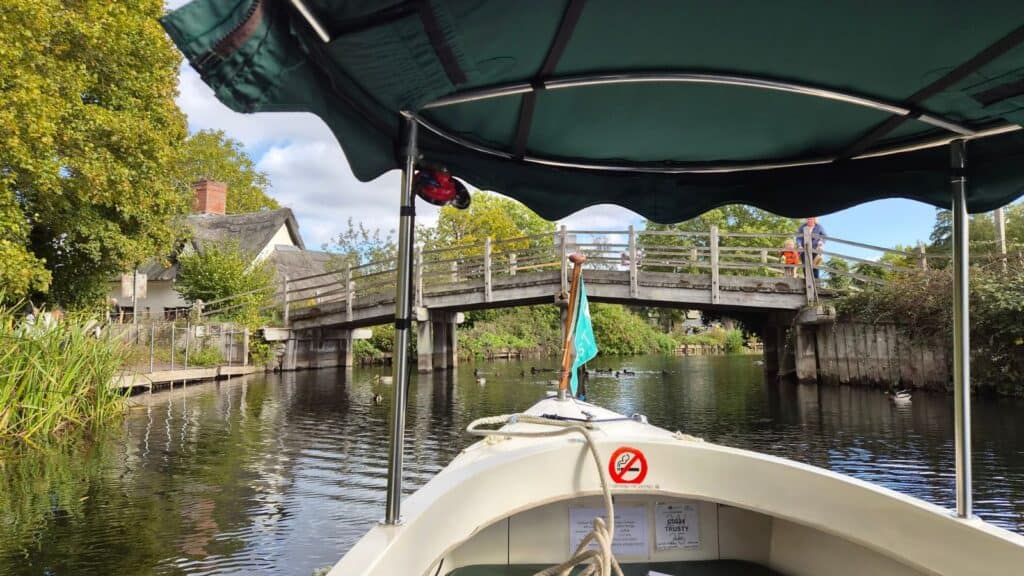
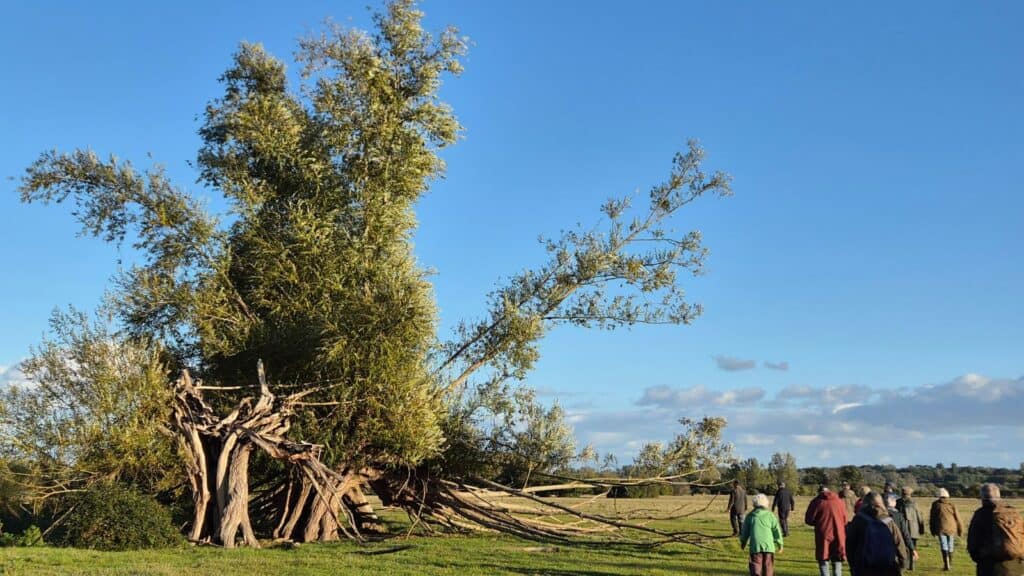
Sunday afternoon gave everyone some free time to explore Flatford in glorious sunshine. The group dispersed to walk around the RSPB wildlife garden, the National Trust visitor centre, and a Constable exhibition. A few chose to take a short river cruise run by the River Stour Trust, a peaceful highlight and great timing as it was their last sailings of the year.
The last session before their evening meal was a presentation by Professor Tim Burt – our charity’s President – in which he reflected on five decades of fieldwork and involvement with Field Studies Council. His talk was followed by a Q&A where members were invited to share their views on the organisation and learn more about current projects and future plans.

Feedback from the members weekend
As our guests checked out on Monday morning, we received several completed feedback forms which were a joy to read.
“Simon’s enthusiasm and style of teaching was a joy to see and shows how invaluable Field Studies Council courses are for all: young people and all ages. Really proves the worth of Field Studies Council centres to members.”
“Impressed by the focus on personal development through activities in nature.”
“This event has brought Field Studies Council to the forefront of my mind, and I am enjoying the reconnection and the interaction with fellow members and field centre staff.”
Round-up to a successful meet-up
Thanks to everyone who attended this special weekend. It was a pleasure to see a mixture of familiar and new faces and provide this opportunity for members to connect with each other and the location.
As well as giving our members something back for their support, these events are valuable for us in so many ways. They’re an opportunity for us to build relationships with the people who make our work possible. They give us a chance to share important news and updates and give us time to listen to our members and hear their views.
If you’re interested in becoming a member and joining this important group of supporters, you’ll find more information on our membership page. From just £2 a month you can help ensure young people aren’t missing out on outdoor learning opportunities and enjoy access to exclusive updates and events. For a limited time, you’ll also receive a free ID guide when you join!
*Quiz Answer:
Jackdaw (Coloeus). Rook and carrion crow are Corvus.
From Wikipedia: The jackdaw was moved out of Corvus only recently. A study in 2000 found that the genetic distance between western jackdaws and the other members of Corvus was greater than that within the rest of the genus. This led Pamela Rasmussen to reinstate the genus name Coloeus, created by Johann Kaup in 1829,https://en.wikipedia.org/wiki/Western_jackdaw in her Birds of South Asia (2005)