Grasshoppers guide
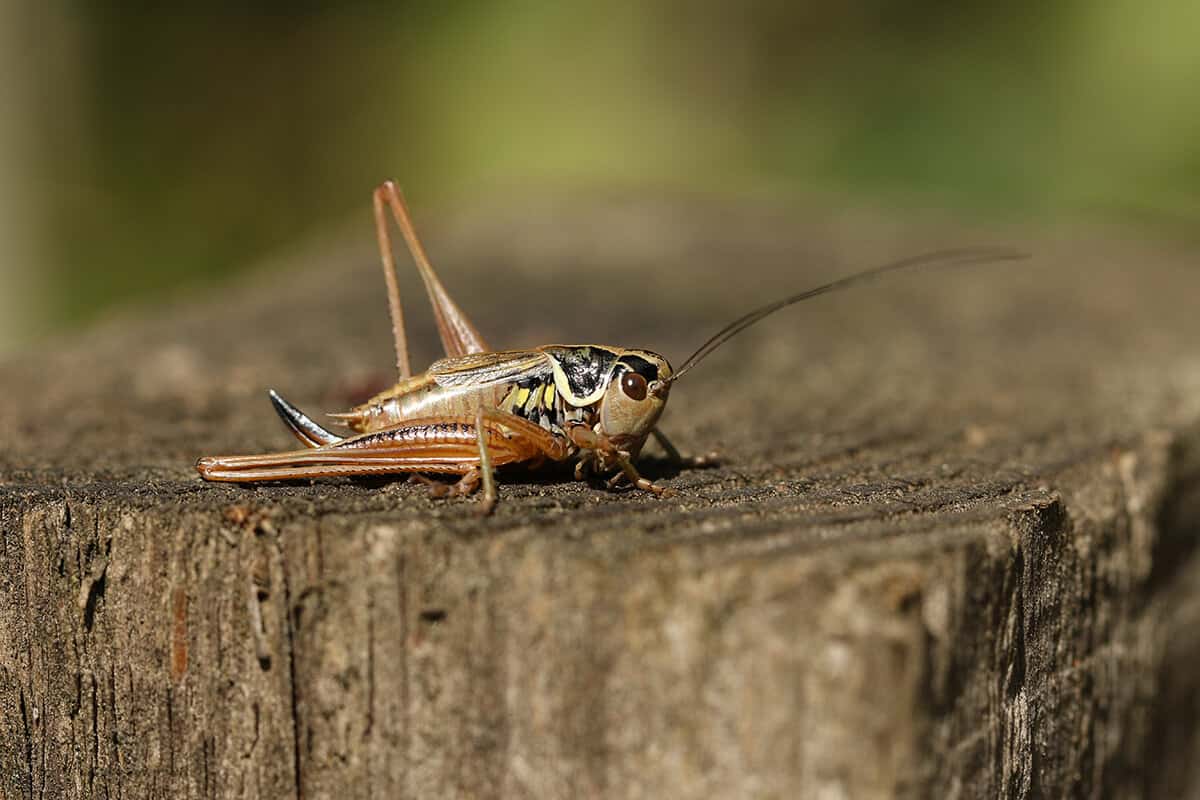
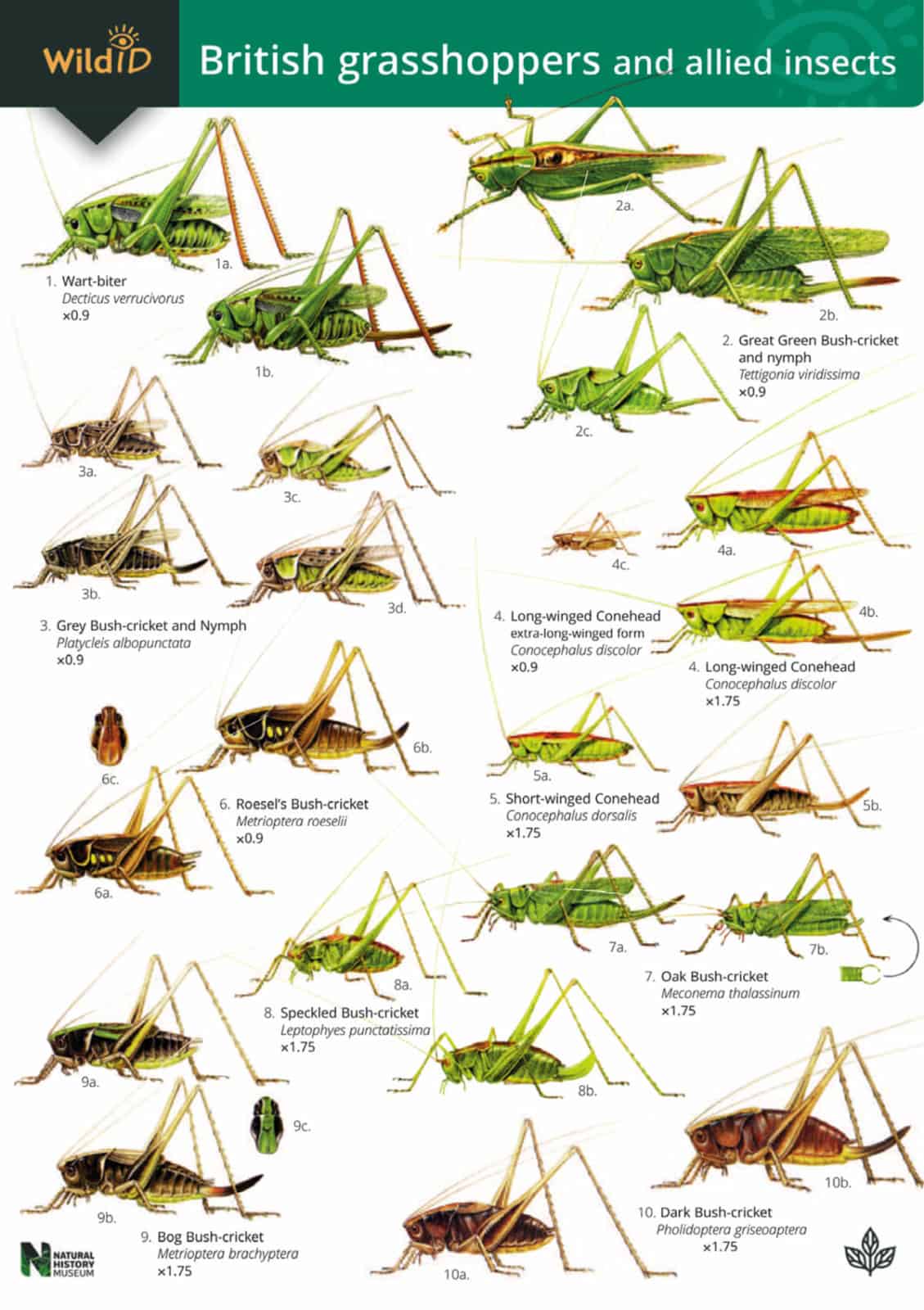
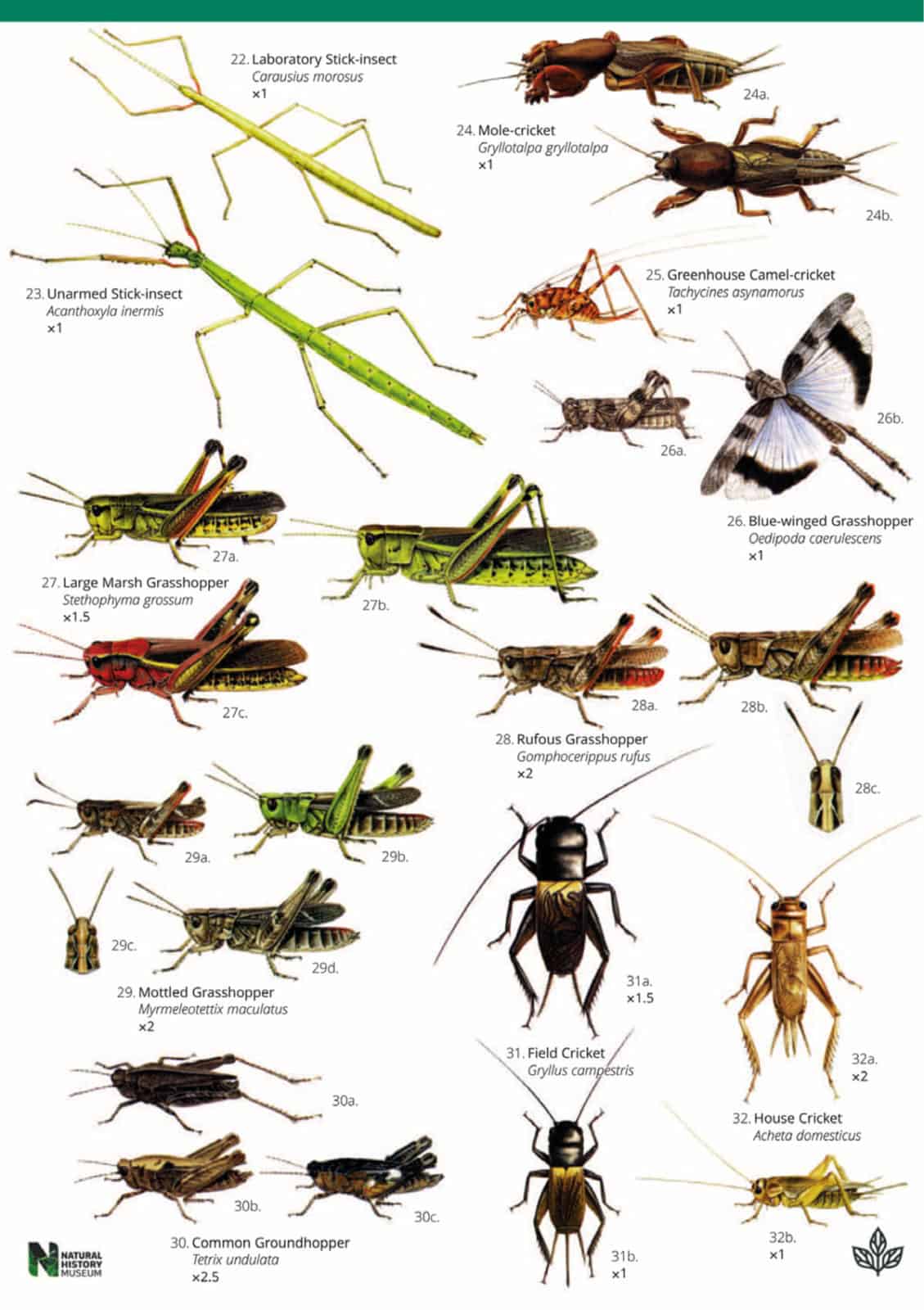
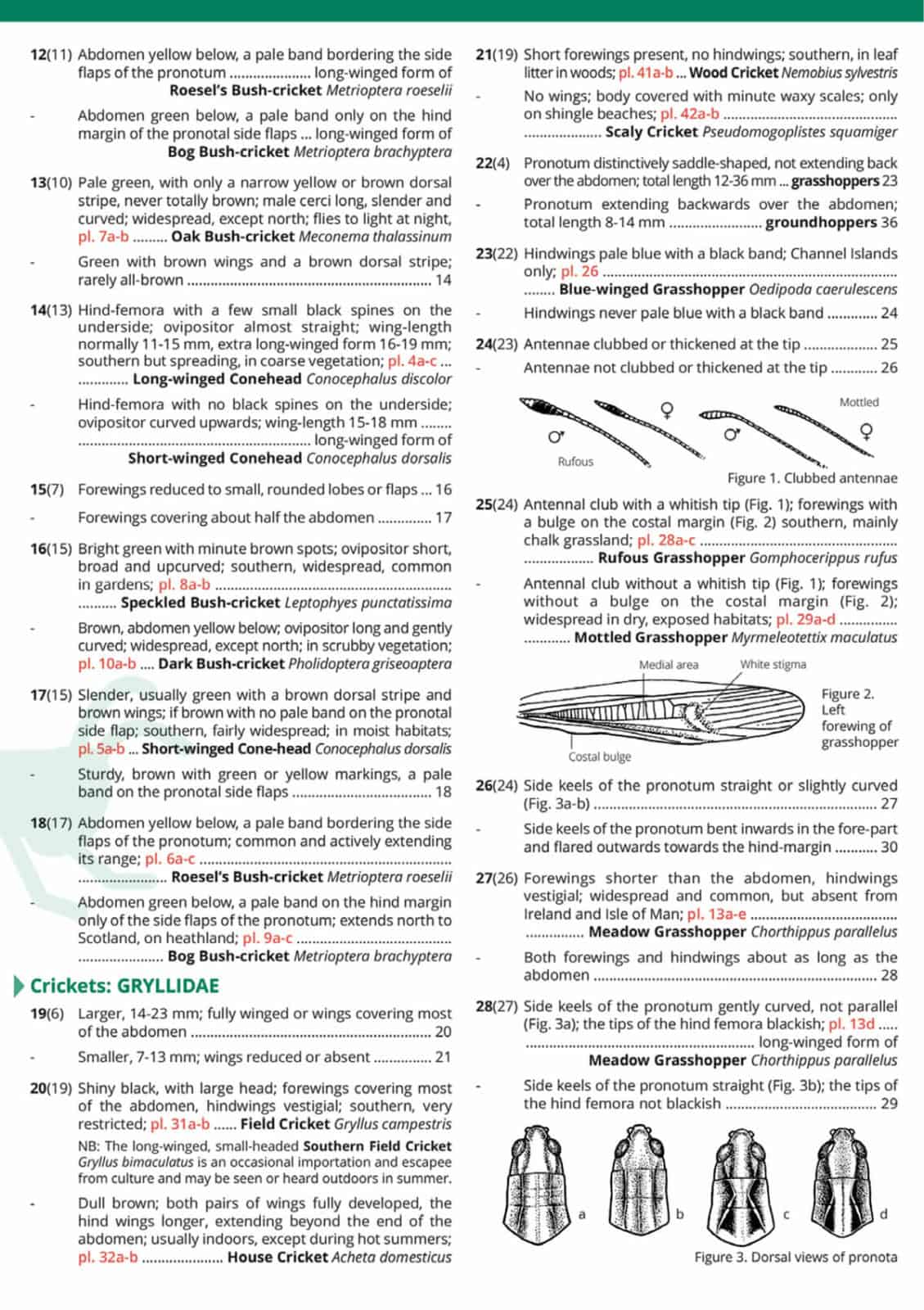
WildID Grasshoppers is an identification guide to grasshoppers, crickets, bush-crickets, ground-hoppers, cockroaches, earwigs and stick insects.
- Key to 50 species of grasshoppers, crickets, bush-crickets, ground-hoppers, cockroaches, earwigs and stick insects
- Colour illustrations of each species are grouped to help distinguish between similar-looking species
- Ideal for use outside: lightweight, rucksack-sized, splash-proof
The chirping of grasshoppers and crickets is one of the sounds of late summer. Grasshoppers and bush-crickets overwinter as eggs, hatch as nymphs in spring, then mature as adults from June to August, persisting until the first frosts. Adult males sing from early June onwards.
These insects are common in many habitats, and they play an essential role as a food source for birds, lizards and small mammals, and well as spiders. Crickets and bush-crickets can also help to control pests such as aphids.
This is an exciting time to get to know the grasshoppers. Although many species only used to occur on the south coast, several species of these warmth-loving animals are now spreading north and west within Britain and Ireland.
Technically grasshoppers, bush-crickets and crickets make up the order Orthoptera. Their key characteristic is large hind legs containing muscles for jumping. Earwigs (order Dermaptera), stick insects (order Phasmida) and praying mantids (order Dictyoptera) are distinct groups. All species hatch from the egg as nymphs, which are tiny versions of the adult, but without wings. They grow by moulting through four or more stages (or instars).
The Grasshoppers guide was produced in partnership with the Natural History Museum.