Aquatic and wetland habitats are extremely special.
Not only are they rare and threatened, but those that remain are some of our most beautiful habitats and potentially rich in a unique assemblage of species. Watching over a wetland site can be totally absorbing. The busy world of dragonflies, water boatmen and whirligig beetles is fascinating. Not to mention the host of birds and other animals (including non-wetland species) that are drawn to ponds for drinking and feeding.
However, what makes these sites so rich and beautiful is the abundance of colourful and varied plants, from those standing in waterlogged soils to others up to their necks in deep water. Some can cope with being submerged for part of the year, yet left high and dry during hot, dry summers
Read more
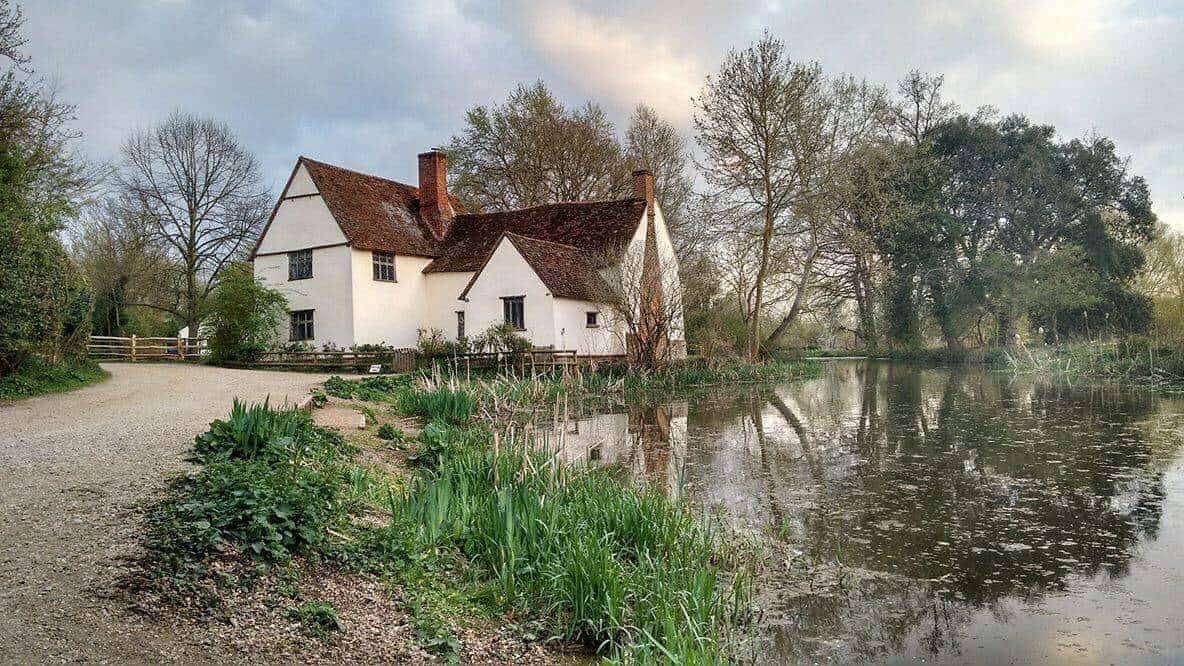
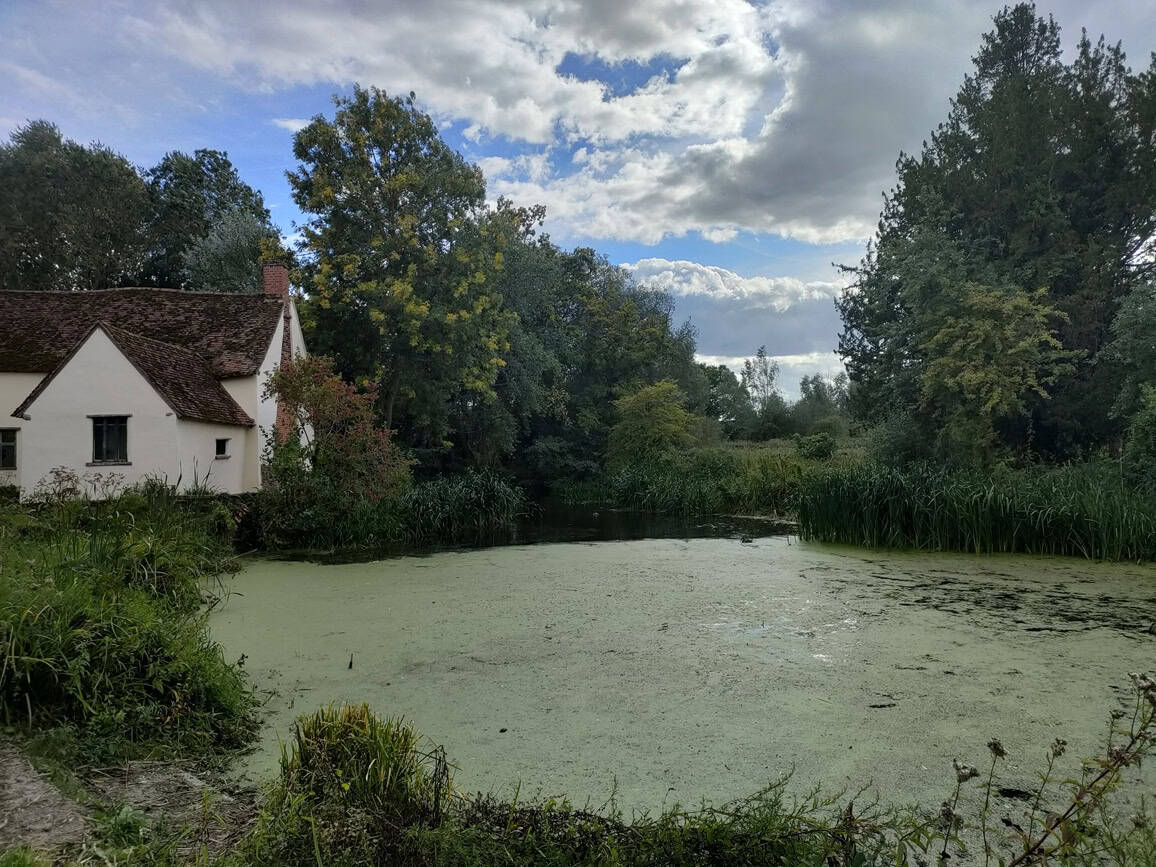
Flatford is perfectly placed for exploring the plants of the surrounding wetland habitats. The emphasis of the course will be learning how to identify these interesting species and to distinguish between the lookalikes amongst them – such as the sedges, rushes and willows. By July, the sites should be putting on a grand show of colour with a wealth of species including Purple Loosestrife, Hemp Agrimony, Marsh Woundwort, Arrowhead and Yellow Water Lily all in full bloom. Accurate identification usually necessitates close inspection with the aid of a hand lens. And this opens up another dimension and insight into this very special habitat.
Note: Although we shall seek out some of the more robust submerged, aquatic species (that are so important in enriching the oxygen levels of the water), this course will not have time to focus on or distinguish between the more obscure aquatics – notably the many different fine-leaved pondweeds.
About the tutor
Ros Bennett
Ros Bennett is a botanist and ecologist. She was formerly a full-time tutor at Flatford Mill and then organiser and leader of courses for FSC Overseas. She has written books on flowers and trees and has taught courses on plant identification to all age groups, both amateurs and professionals.
About Flatford Mill
We have four buildings that are used for visitor accommodation. Whilst most rooms are either en-suite or have a dedicated bathroom, there are some rooms in The Mill that share showers and toilets at the end of the hall. If this is unsuitable for you please make the office staff aware upon booking or as soon as possible.
Please be aware that you are visiting a Field Centre that caters in the main for school parties; the accommodation is basic and dormitory style, but warm and comfortable.
Explore our range of nature courses hosted by our engaging tutors and learn from their expertise and knowledge. Our nature experiences are a chance to meet like-minded people and are a chance to unwind from everyday life. They are a great opportunity to experience the UK’s glorious wildlife and the surrounding countryside of our field centres.
This course is open to participants aged 18 and over only. For under-18s, please contact the centre directly or see our young people courses and activities for families.
Example Timetable
Arrival day
Check-in is between 1600 and 1800. If you are arriving after 1800, please advise us so we can ensure you are advised of access codes, room key location, and room location.
You will meet the tutor at Dinner, and you will have your first session a quarter of an hour after Dinner.
What's Included
-
 Expert Tuition
 -
 Free Wi-Fi
 -
 Full Board Accommodation
 -
 Hot and Cold Drinks
 -
 Picnic Lunch
Full board accommodation and picnic lunch is available for resident bookings only.
Refreshments are included for all, but non-resident bookings are advised to bring lunch with you.
Before You Attend
What to bring
Please bring the following with you if you can
• A hand lens x 10 magnification, available on loan, or the tutor can supply these at the first meeting (at c. £9.00)
• Two pairs of fine pointed forceps (if you have them) and / or two mounted needles. (Available on loan)
• Wellingtons/waterproofs. (Available on loan from the Centre.
• A notebook, pencils and pens
• A lunch box/salad box and flask/drink bottle
RECOMMENDED BOOKS
All the flowering plants of pond and wetland habitats occur (along with the rest of our flora) in most good picture field guides. We recommend the following:
• New Flora of the British Isles by Stace (CUP ideally 4th edition)
• Collins Flower Guide by Streeter (Collins ideally 2nd Edition 2016)
• Grasses, Sedges, Rushes and Ferns of Britain and North-western Europe by Francis Rose (Viking).
But there is nothing like the one that you are accustomed to using,
A few Field Studies Council publications focus exclusively on aquatic and waterside plants. These should be available to purchase at the Centre and include:
AIDGAP identification guide to: British Water Plants £10
Fold-out ID chart: Waterside Flowers £4
Fold-out ID chart: Water Plants Guide £4
Opportunities to attend this course
-
Mon 20, July 2026 19:00 - Wed 22, July 2026 16:00
Sorry this course booking is closed