This biodiversity short explores how diverse fruit types in the rose family develop from floral structures.
Explore the remarkable diversity of fruit forms within the rose family (Rosaceae) in this beginner-friendly introduction to botanical fruits. Rosaceae demonstrates a wide range of fruit types, from dry, simple structures to the fleshy fruits we recognise in everyday life, including apples, strawberries, and cherries.
This webinar will guide you through how these different fruit types develop, helping you understand the processes that shape them. By linking fruit structures to their floral origins, you’ll gain a clearer picture of how such diversity arises within a single plant family.
From achenes and drupes to aggregate fruits and the so-called ‘false fruits’ like pomes and strawberries, you’ll discover how each form is created and what makes them distinct.
What you’ll learn
By exploring a range of characteristic Rosaceae fruits, we will focus on how different fruit types form and the botanical structures involved. The session will emphasise clear examples to illustrate each type and show how they relate back to the flower.
This webinar will cover:
- A brief introduction to what ‘fruit’ means in botany
- Examples of key Rosaceae fruit types, including achenes, drupes, aggregate drupelets, and pomes
- How ‘false fruits’ such as strawberries and apples develop from multiple floral parts
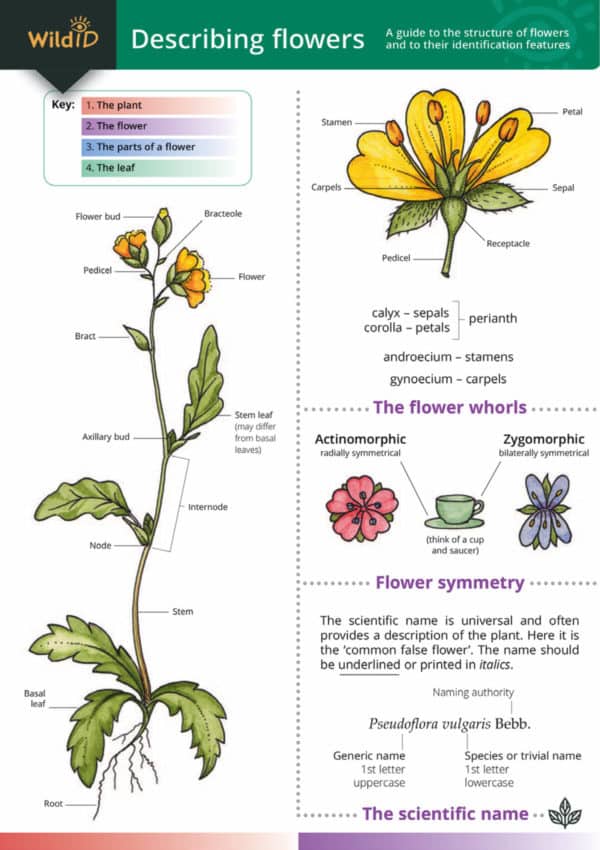
- The relationship between flower structure and fruit formation
- How diversity in flower anatomy leads to the wide variety of fruit forms within the family