Join local historian and Mountain Leader Sean Gavin for a week exploring the rich history of the Conwy Valley.
During this course we will visit a stunning range of historical and pre-historical sites, from the neolithic period through to World War II, set in some of the most spectacular landscapes in Britain.
This course visits the rich pre-historic landscapes of the northern Carneddau, including standing stones, burial chambers and cairns. We will investigate the effects of Roman settlement on the area and interaction with iron age communities. You’ll also consider the impact of conflict and settlemet in the medieval period, as well as more recent twentieth century warfare. We will also study the significance of the industrial revolution for this area in terms of human and environmental impact.
About the tutor
Sean Gavin
Sean Gavin is a former history teacher and head of subject of 25 years’ experience at a local Conwy school. He is also a qualified mountain leader and has led history focussed workshops for mountain leaders in Eryri. He has also delivered a series of historical walks in the Carneddau for a local museum and a number of other local groups. Sean has led history fieldtrips over many years throughout Britain and overseas, including battlefields sites in Normandy and Flanders, ancient archaeology at Pompeii as well as the slate industry of North Wales. Sean has a particular interest in the interaction of historical and prehistoric sites with the natural environment and how we can learn to ‘read’ the history of our upland areas.
Explore our range of nature courses hosted by our engaging tutors and learn from their expertise and knowledge. Our nature experiences are a chance to meet like-minded people, a chance to unwind from everyday life, and a great opportunity to experience the UK’s glorious wildlife and the surrounding countryside of our field centres.
This course is open to participants aged 18 and over only. For under-18s, please contact the centre directly or see our young people courses and activities for families.

Example Timetable
Please note, this programmes is an example of what may be covered during the course. Activities will vary based on weather, time of year and experience.
Day 1
Caerhun and Rowen. We will visit the site of a Roman fort of Canovium overlooking the historic river crossing at Caerhun. We will consider the impact of the Roman occupation of Wales and what we can learn about Wales and Britain during this period from Roman sources. We will also investigate the medieval church of St Mary’s, built on this site and the various insights we can gain from its interior and graveyard. Following the Roman theme, we will follow the route of the old Roman road above Rowen, to encounter prehistoric sites including the Maen y Bardd burial chamber and the panoramic views available from Pen y Gaer iron age hillfort.
Day 2
Conwy. No visit to this area would be complete without a visit to the UNESCO-listed site of Conwy castle and its walls. Built by an English king, close to the site of Aberconwy Abbey, resting place for Welsh princes, the castle has great symbolic and political significance, emphasised further by its role in the Glyndwr uprising of 1401. Conwy also features an excellently restored Tudor town house at Plas Mawr and a fine example of Thomas Telford’s engineering prowess in the suspension bridge that adjoins the castle.
Day 3
Penmaenmawr and the northern Carneddau. In the hills above Penmaenmawr, we can visit one of the best-preserved pre-historic landscapes in Wales. From a neolithic axe factory, to bronze age cairns, stone circles and standing stones, there is a wealth of material to investigate in a relatively small area. This area was also once the site of one of Wales’ most significant iron age hill forts and was a place of importance during the industrial revolution and World War II
Day 4
Llyn Dulyn – the ‘Aircraft Graveyard’. Nearly 100 planes crashed in the Eryri region during World War II and 20 of these were within a couple of miles radius of Llyn Dulyn, earning it the nickname, ‘the aircraft graveyard’. Most of these planes were British and we can investigate why upland areas such as Eryri were so precarious at this time and also the consequences this had in developing early mountain rescue services.
Day 5
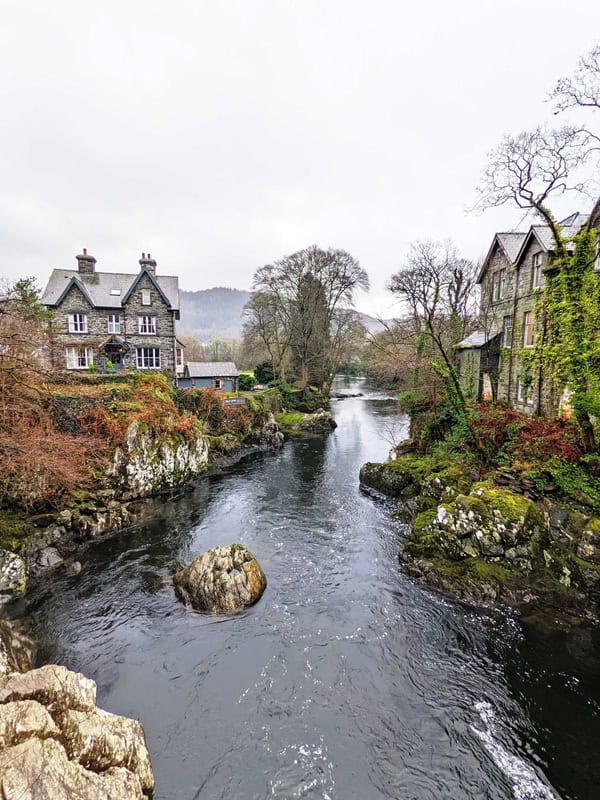
Bettws-y-Coed. Betws is a great example of the impact of modern history on what was once a small rural community. The impact of developments in transport, tourism and industry can all be found here amidst the idyllic surroundings of the Conwy and Llugwy valleys. Nearby, we can also visit Ty Mawr Wybrnant, the birthplace Bishop William Morgan, translator of the first full version of the Bible into Welsh, an achievement of great significance for both religion and language in Wales.
What's Included
-
 Expert Tuition
 -
 Free Wi-Fi
 -
 Full Board Accommodation
 -
 Hot and Cold Drinks
 -
 Picnic Lunch
Opportunities to attend this course
-
Mon 05, April 2027 4:00pm - Fri 09, April 2027 12:00pm