
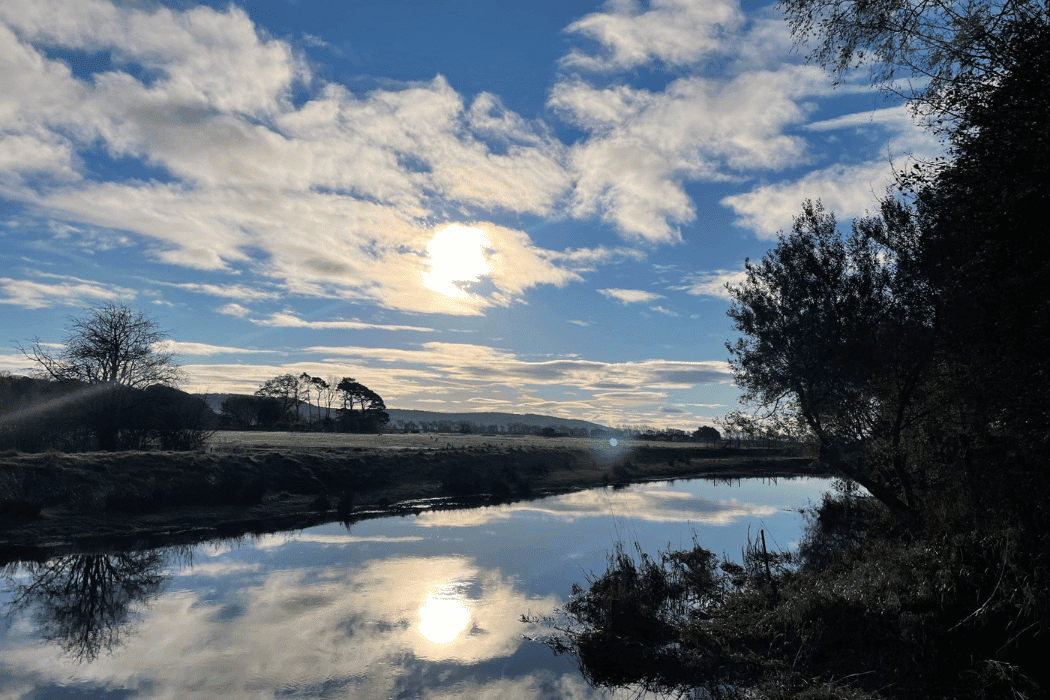
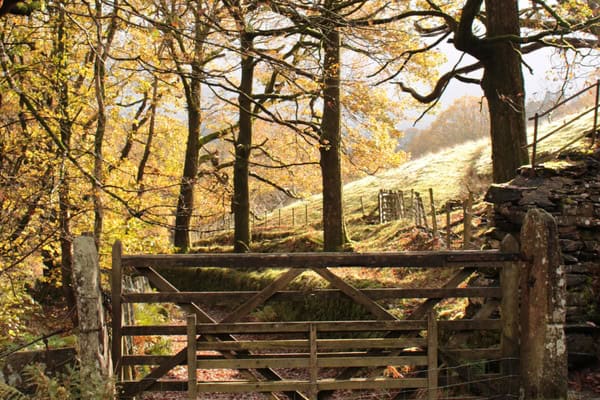
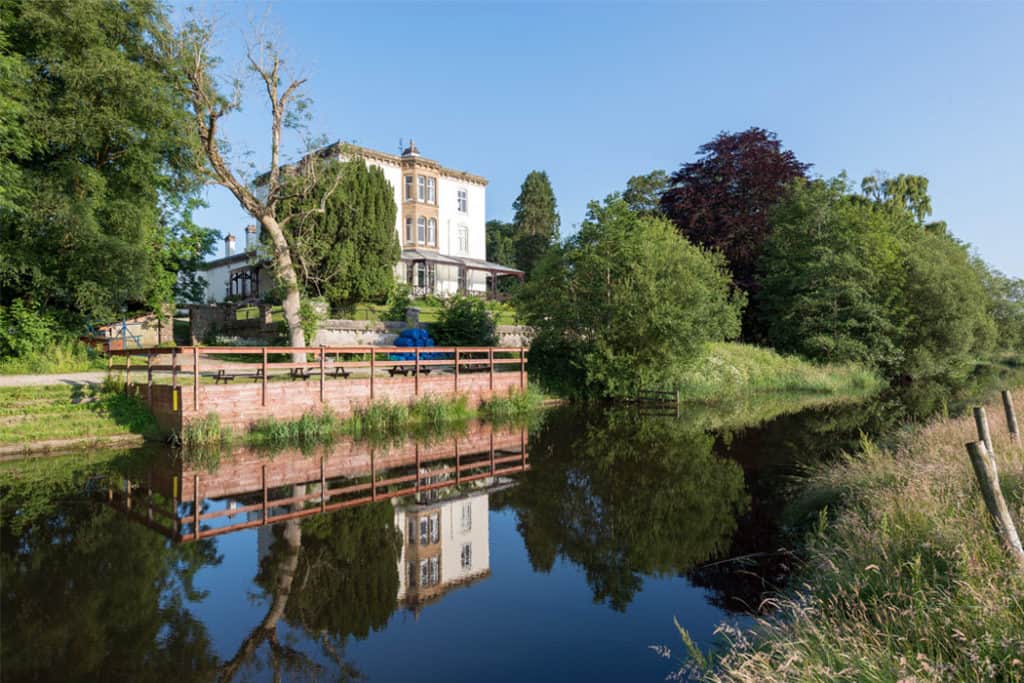
The surrounding area provides access to a range of contrasting environments including river corridors, woodland, grassland, managed farmland and nearby rural settlements. Castle Head is located in South Cumbria, set within 20 acres of private grounds beside the River Winster, with a variety of fieldwork locations accessible directly from the site and within a short distance of the centre.
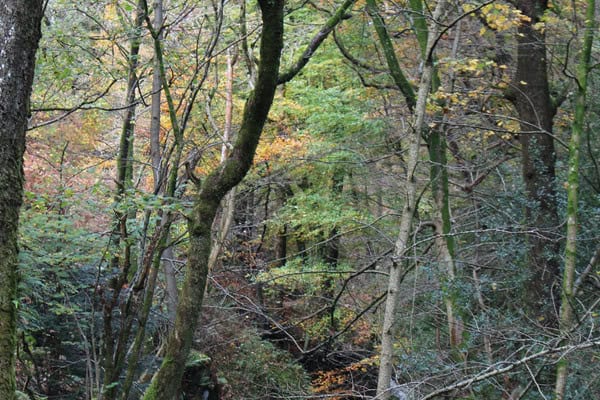
Set in rural landscape, the area is shaped by river processes, land use and management. The grounds include broadleaf woodland, open grassland and freshwater environments associated with the River Winster, with additional contrasting rural and settlement locations available nearby. This setting is particularly well suited to investigations into river processes, physical and human geography, environmental change, land‑use impacts and rural management, while also supporting enquiry skills, data collection and independent investigation.
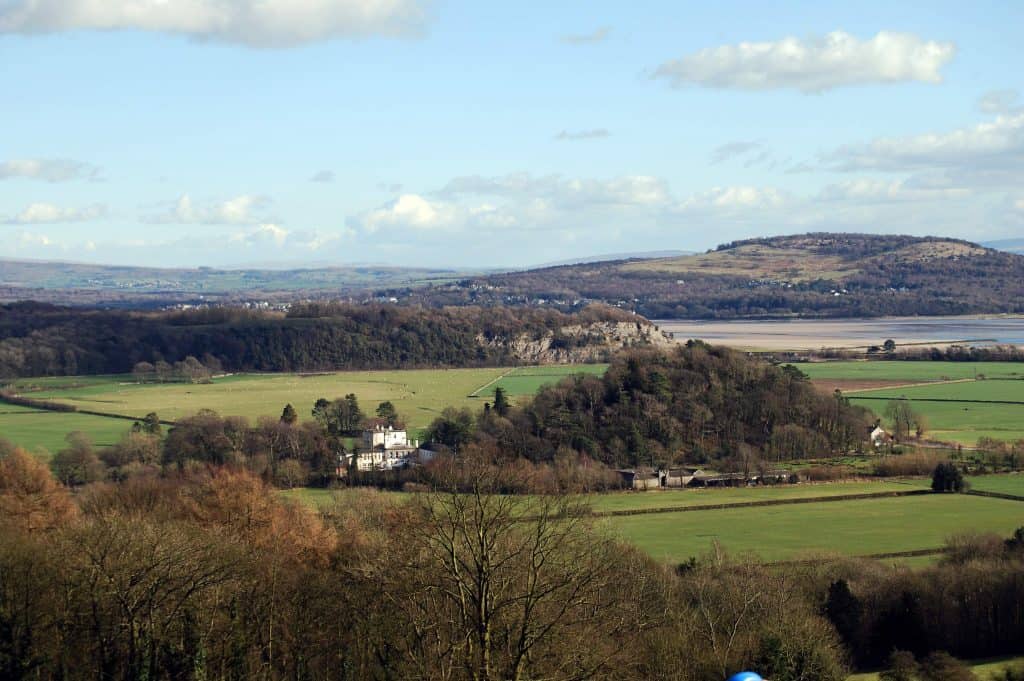
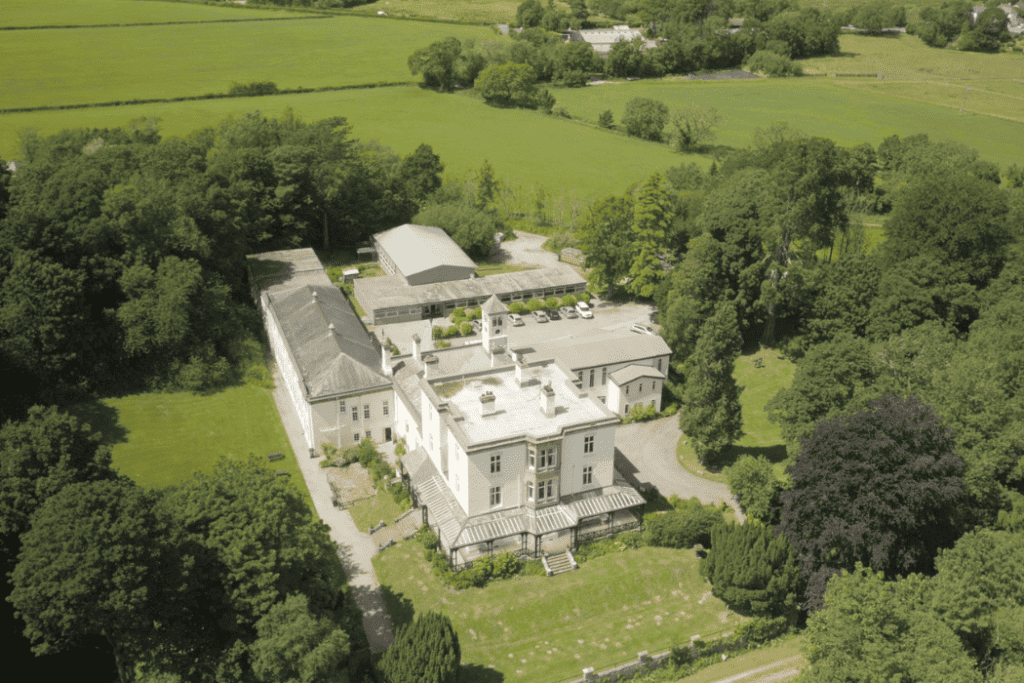
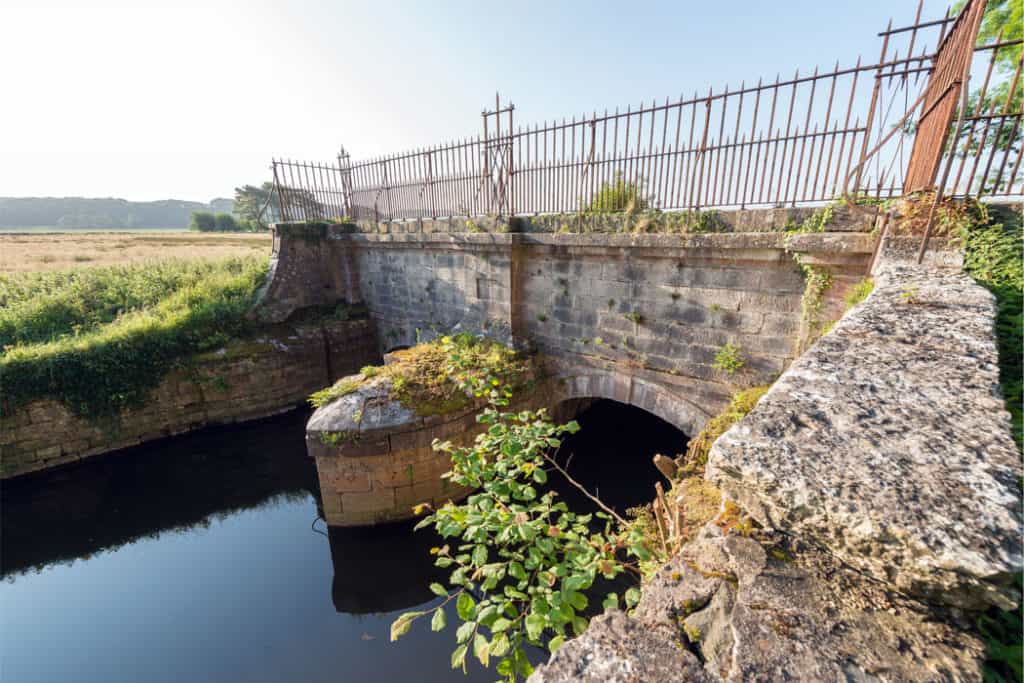

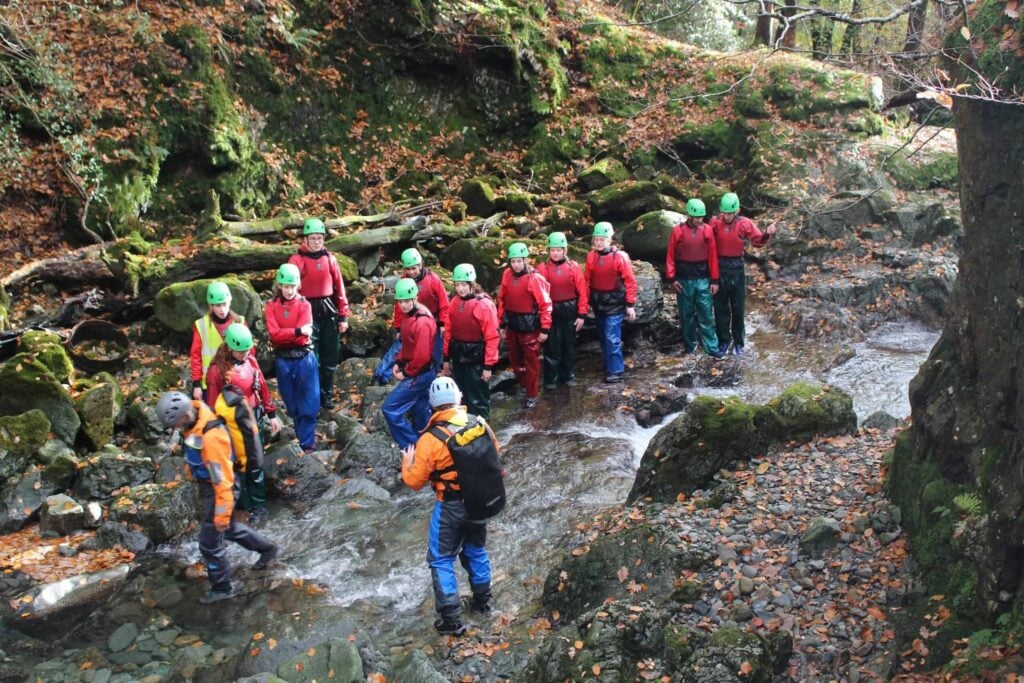
These fieldwork sites support studies in geography, biology and environmental science, enabling students to investigate physical processes, environmental systems and human–environment interactions through first‑hand data collection. The close proximity of river, woodland and rural landscapes allows students to explore how environments interact and change across short distances, supporting focused, repeat fieldwork within a single residential.
Explore the field sites at Castle Head
An example of our sites are set out below. *When transport is required for offsite fieldwork, additional in-course costs are incurred and clearly stated in your programme.
River Eea
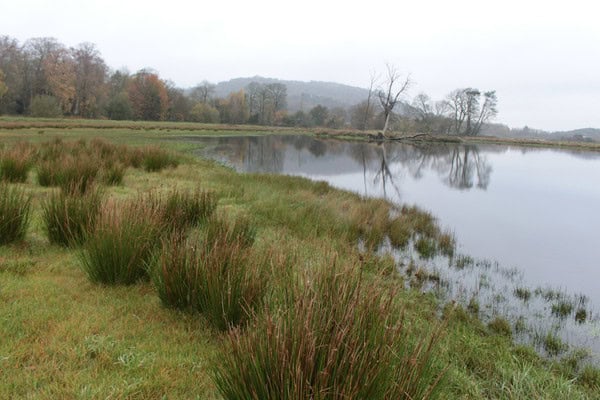
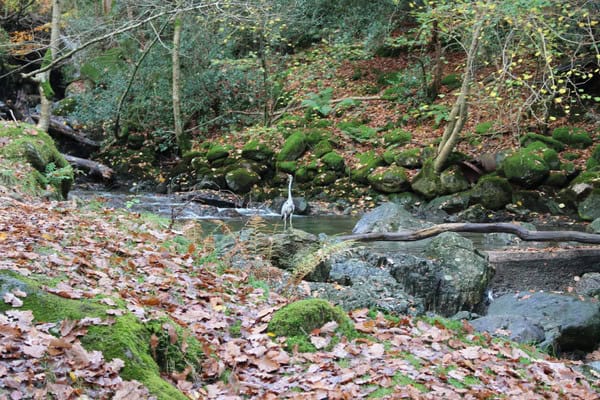
Named after the once abundance of eels in its lower course, the river Eea runs for 10km through the South Lakeland countryside. Its length makes it possible to visit sites from source to mouth in a day, giving students a real impression of the changes that take place. Both natural and managed areas can be viewed and discussed. Perfect for students of all ages, to complete field work that tracks the changes of the river. From KS2’s first field work experience to GCSE, the River Eea is a perfect location. GCSE students will understand, use and critically evaluate a range of field work techniques.
Coniston Coppermines
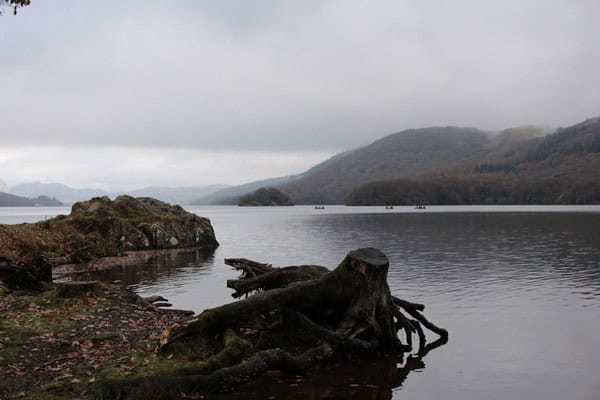
Named after its rich mining history, the Coppermines valley is an ideal place to study upland glacial features. Situated on the edge of Coniston both erosional features and human influences that have shaped the landscape can be discussed. The Coppermines can bring to life glaciation for all ages and provides a great location for A-level Geography fieldwork. Navigation, map work and field work techniques for all key stages can be completed here.
Morecambe
Visit the home of ‘The Bay’ – a dynamic coastline where £10 million has recently been spent on updating the sea defences and hopefully will soon be home to Eden of the North. If history interests you, then the ‘art deco’ Midland Hotel is an imposing building to view on the seafront. Morecambe’s redevelopment schemes are important in shaping its sense of place in the area. Morecambe provides an ideal location for GCSE and A-level field work whether focusing on coasts or human factors.
Sandscale Haws
Sandscale Haws is a special place for wildlife and is manged by the National Trust for this purpose. This dynamic landscape is home to nesting and migratory birds, Natterjack Toads and many species of plant. Students can investigate succession and how humans can have an impact on such a sensitive environment. A-level Geography and Biology projects and and field work can be completed here.
Furness Coast
From Bardsea to Roa Island, the Furness coastline is a little visited area which has great geography to be explored. From coastal management, dynamic beaches and glacial deposition it is an interesting place to study. The Furness coast is a great introduction to the coastal environment and provides many places to practice coastal field work techniques.
Katy was fabulous. Super helpful and knowledgeable about the area and possible NEAs. Very supportive to staff too.
St Marys CHS, 2025
Barrow-in-Furness
Historic ship building town, Barrow’s massive submarine hanger dwarfs the town and shores it up economically. Students can investigate human geography and experience the different environments of Barrow town centre and Vickers town on the nearby Walney Island. Barrow-in-Furness is a good location for GCSE human field work.
Bowness on Windermere
Bowness offers much to visiting school groups and tourists alike. The busy lake side town offers a host of human geography opportunities along with a chance to take a boat trip or launch canoes. Beatrix Potter looms large as do the Windermere ferries and views up the lake to the mountains. A great place to study tourism, settlements, land use and contrasting locations.
Humphrey Head
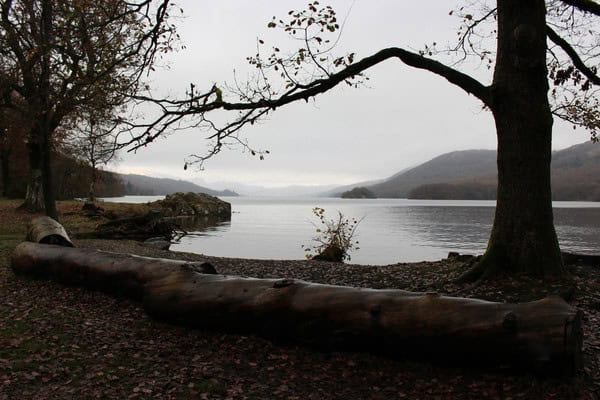
Humphrey Head is a limestone sea cliff in Cumbria, boasting nesting Peregrine falcons, views over Morecambe Bay and opportunities to study coastal processes. It’s also a great place to do a sea level traverse across the foot of the cliff – fun for all age groups.
Grange-over-Sands
Although first mentioned in local priory records in the 15th century, Grange-over-Sands really hit its stride in the 1800’s when the rail line arrived disembarking day trippers and holiday makers. Today the town is ideally situated for human geography techniques, a walk along the promenade and the obligatory ice cream. A-level geography skills and projects can be completed here as well as GCSE geography in using, understanding and critically evaluating human fieldwork techniques.
Castle Head Field Centre is easily accessible from across the North West of England, including Cumbria, Lancashire and Greater Manchester. It is widely used by schools and colleges for GCSE, A‑level and post‑16 fieldwork, with the combination of river environments, woodland, managed rural landscapes and nearby settlements making Castle Head a well‑established fieldwork location within a distinctive South Cumbria setting.
How fieldwork is conducted at Castle Head
Fieldwork at Castle Head is structured around a clear route of enquiry, combining classroom learning with practical investigation in the field. Session begin with a classroom introduction where students are introduced to key concepts, terminology and fieldwork techniques. Students develop an understanding of the aims of the investigation, consider appropriate sampling methods and review risk assessments, ensuring they are prepared before entering the field.
Students then undertake fieldwork at carefully selected sites, where they apply techniques, collect primary data and make observations in real environments. This supports the development of practical skills such as measurement, sampling, identification and accurate recording.
Follow‑up sessions take place back at the centre, later in the day, enabling students to process, analyse and interpret their data. Back in the classroom, students present findings, identify patterns and apply appropriate statistical or graphical techniques. These sessions also provide opportunities to evaluate methods, consider limitations and link outcomes to theory, supporting deeper understanding.
Across a course, students progress from guided activities towards more independent enquiry. This approach builds confidence in planning, carrying out and communicating fieldwork, while developing the knowledge and skills required for geography, biology and environmental science.