Phase 1 survey guide: Grassland and marsh
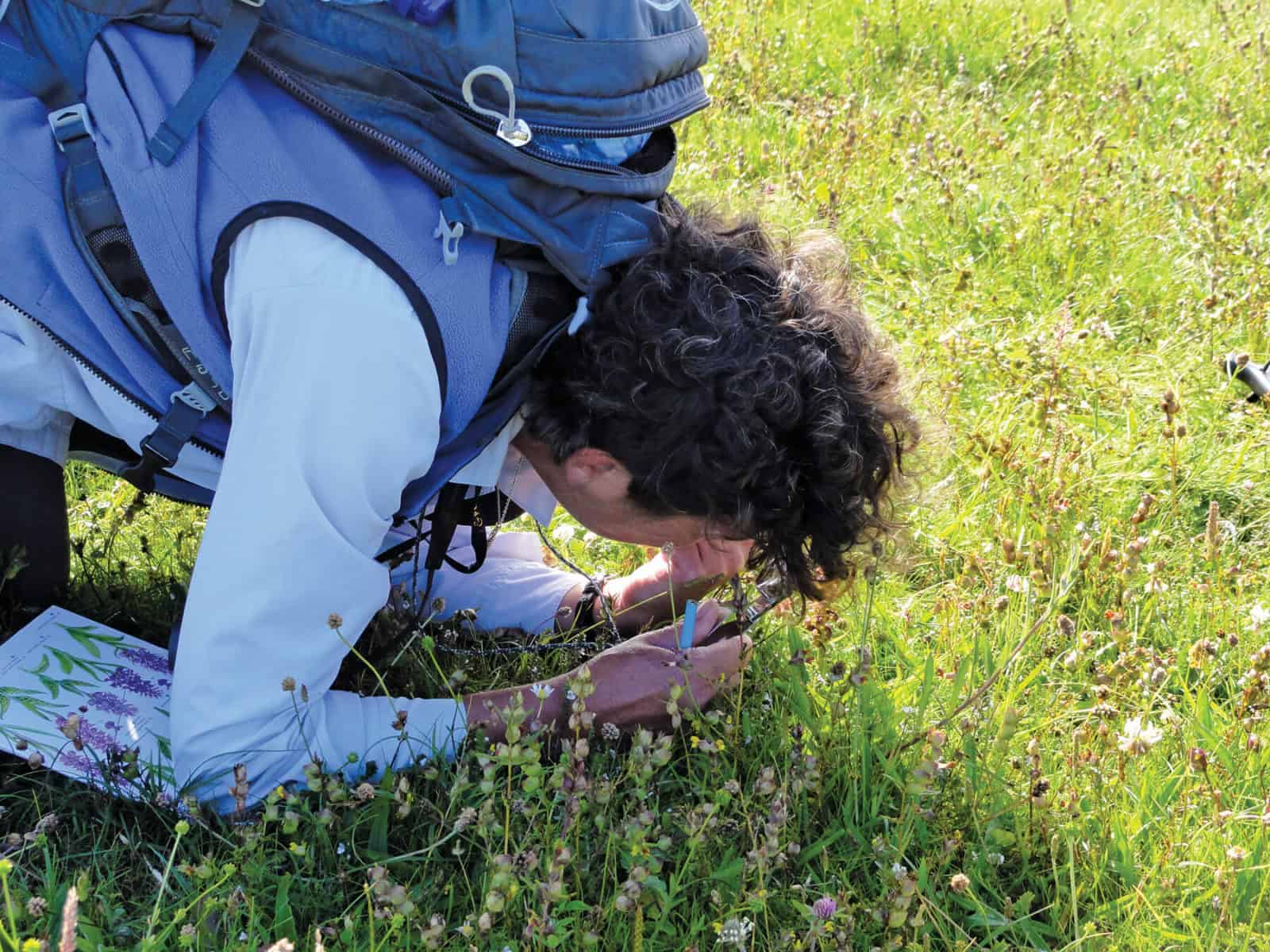
This guide will help you carry out a Phase 1 habitat survey in grassland and marsh habitats.
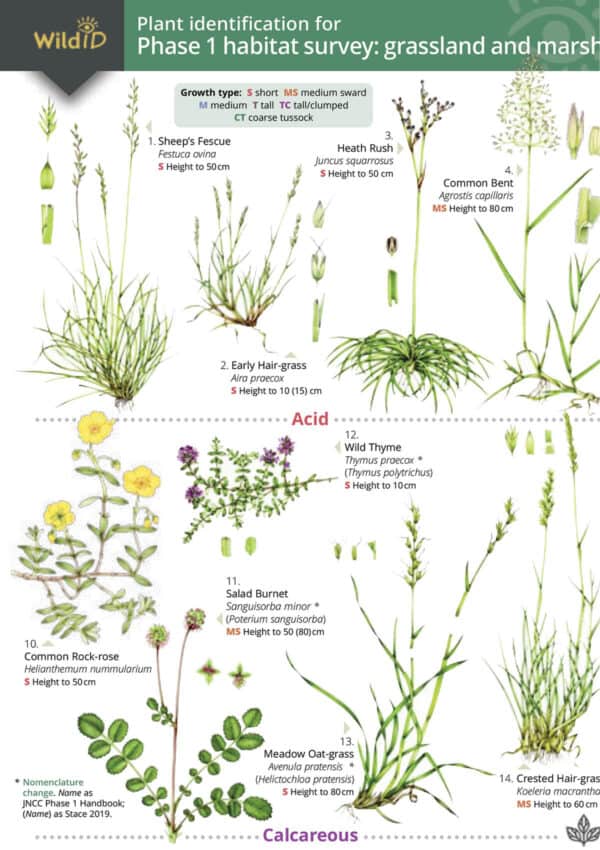
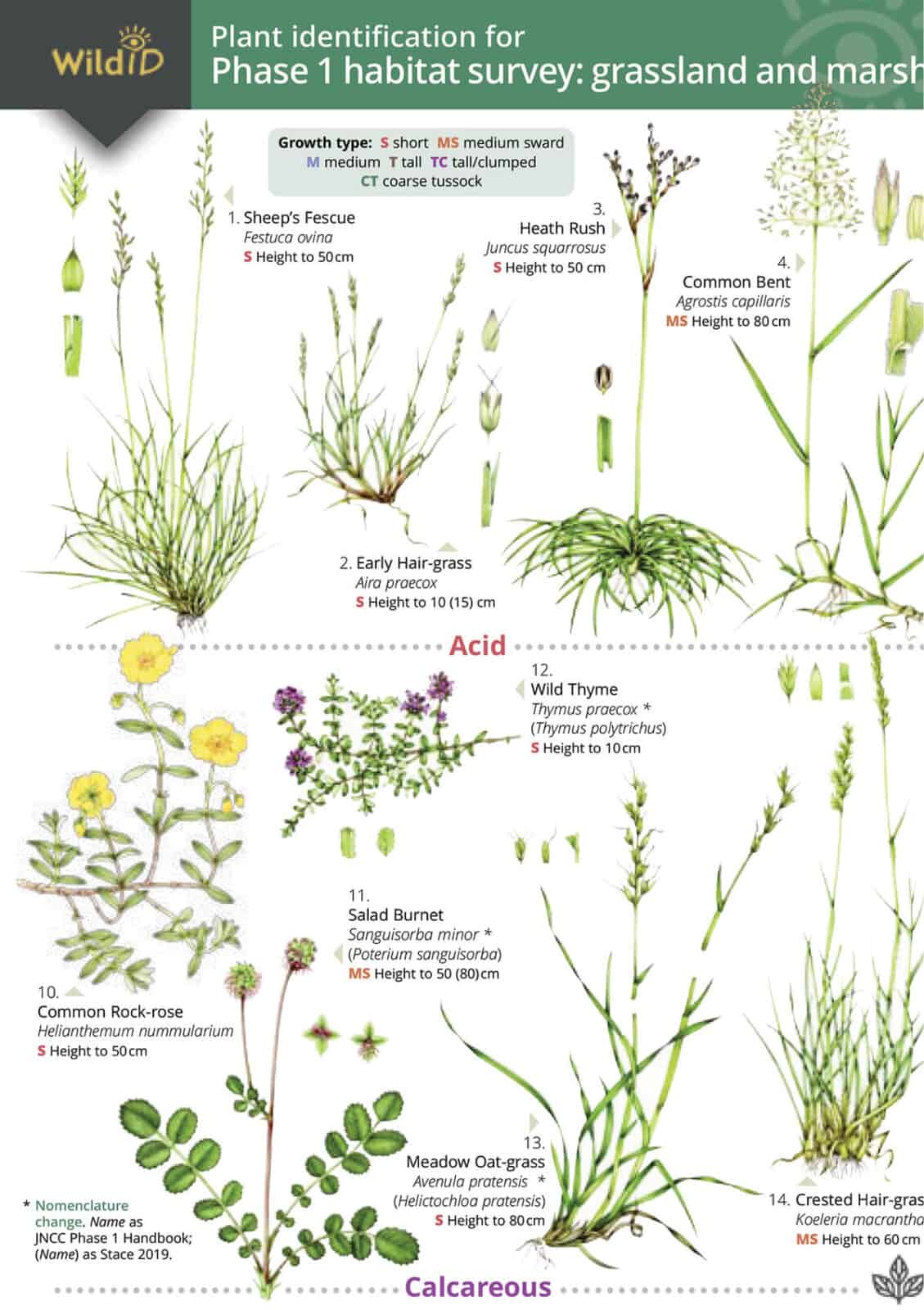
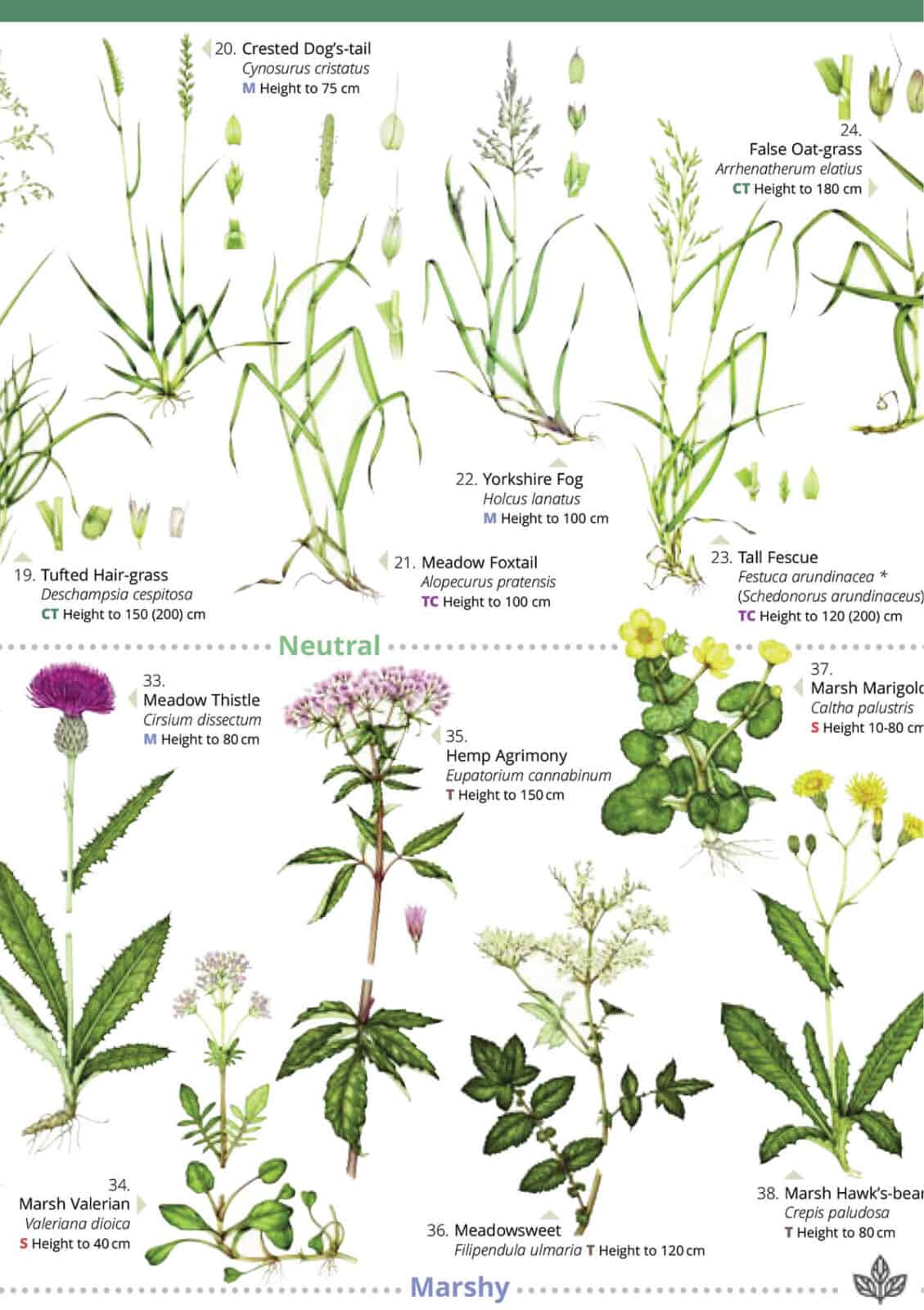
- Identification guide to 44 indicator species of grassland and marsh vegetation
- Practical for use outdoors: lightweight, rucksack-sized, splash-proof
Phase 1 habitat survey is a standardised system for recording vegetation. It provides an audit of semi-natural vegetation over large areas of countryside. Above all these surveys help with the assessment of a site’s conservation importance. The end product is a map of habitats and a table of their areas.
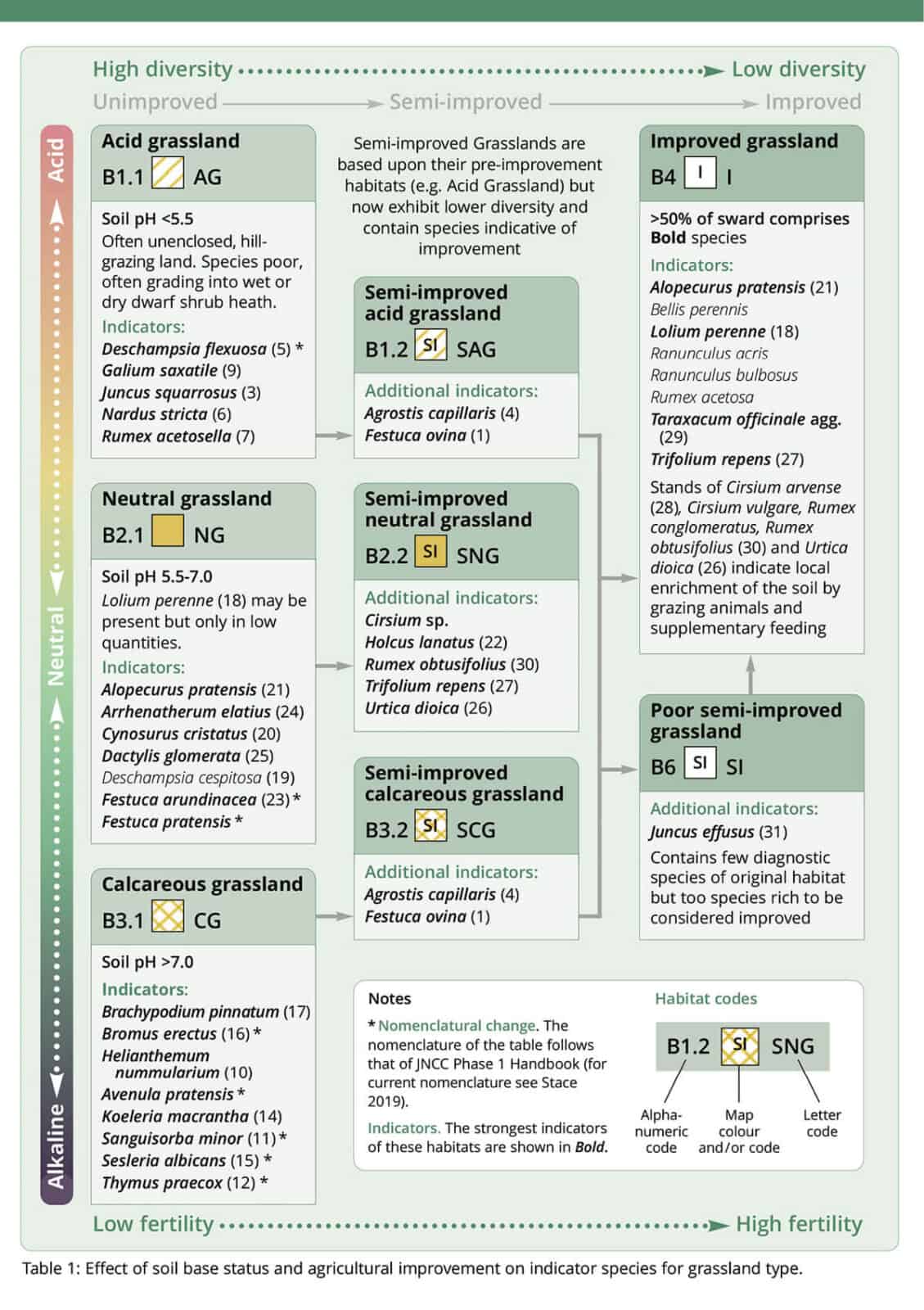
Although grasslands are widespread, many novice surveyors find them a challenging habitat. Identification of grass species is essential. Agricultural improvement adds complications. So this guide includes a table grouping indicator species by grassland type. Natural soil type determines whether the grassland is calcareous, neutral or acid. But management determines whether the grassland is improved or semi-improved.
The Phase 1 habitat classification is based on 155 specific habitat codes. They define everything from broadleaved woodland, grassland and mires to amenity grassland, golf courses, quarries and built-up areas. Originally designed for rapid survey of extensive areas, the recommended scale of survey is 1:10 000. At this scale the JNCC handbook indicates a survey rate of between 1 and 6.5 square kilometres a day.
The use of the system for smaller scale surveys (e.g. for farm stewardship or planning applications) often requires mapping at a much larger scale. County Wildlife Trusts and councils use Phase 1 surveys to obtain an audit of habitats of conservation interest in a region. Phase 1 surveys have recently become the standard minimum requirement of planning applications.