Seaweeds guide
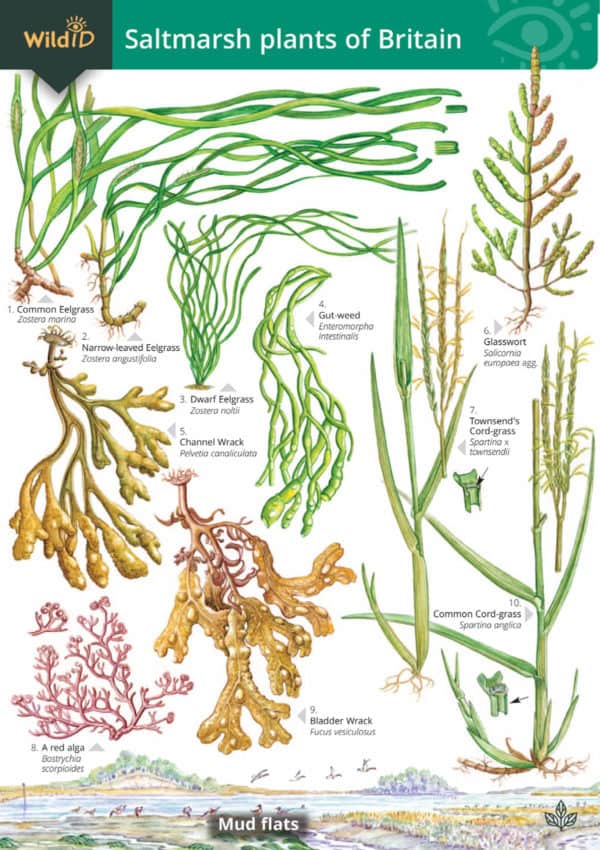
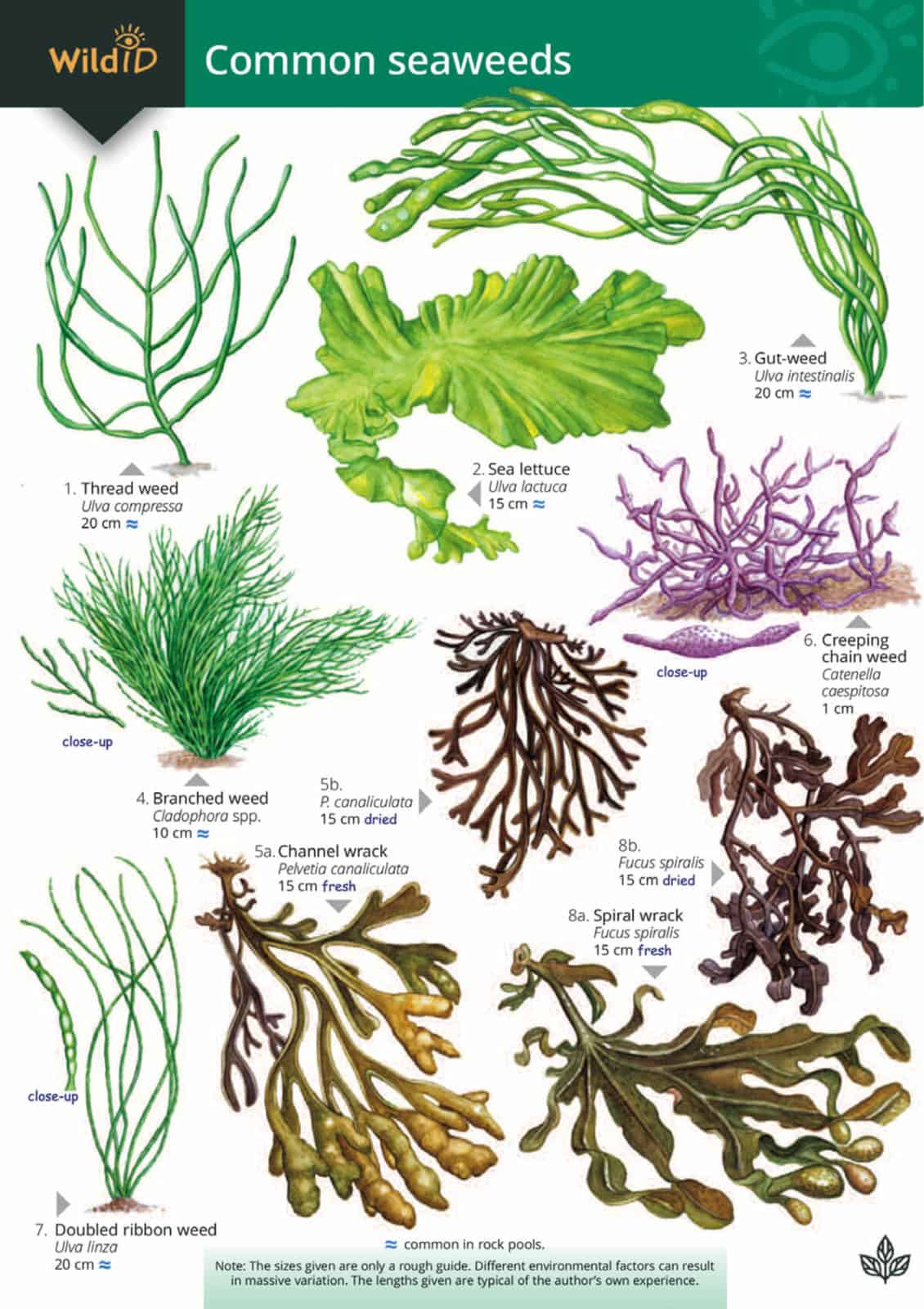
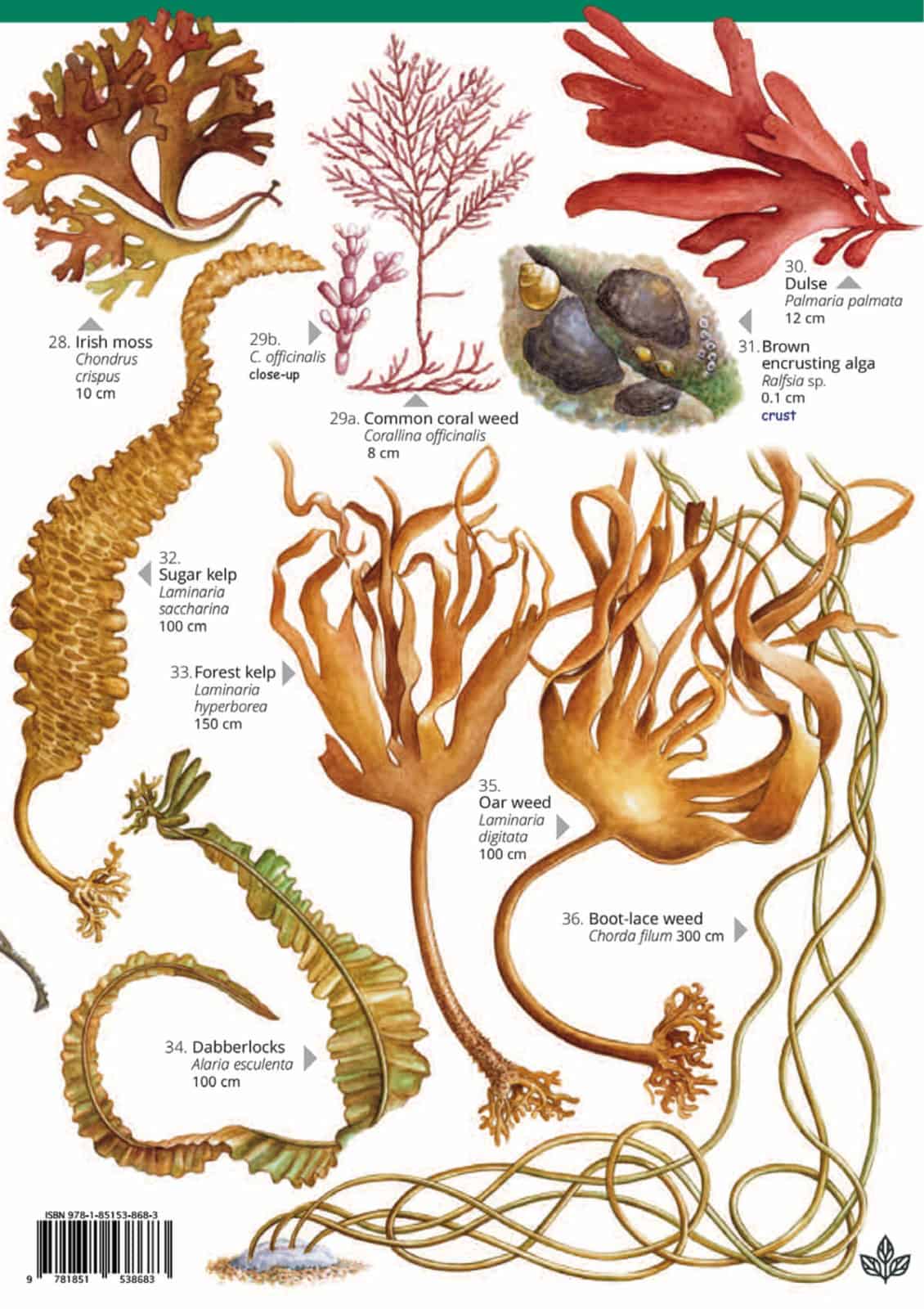
WildID Seaweeds guide will help you to put a name to the green, brown and red seaweeds you see.
- Identification guide to 36 common species of seaweeds
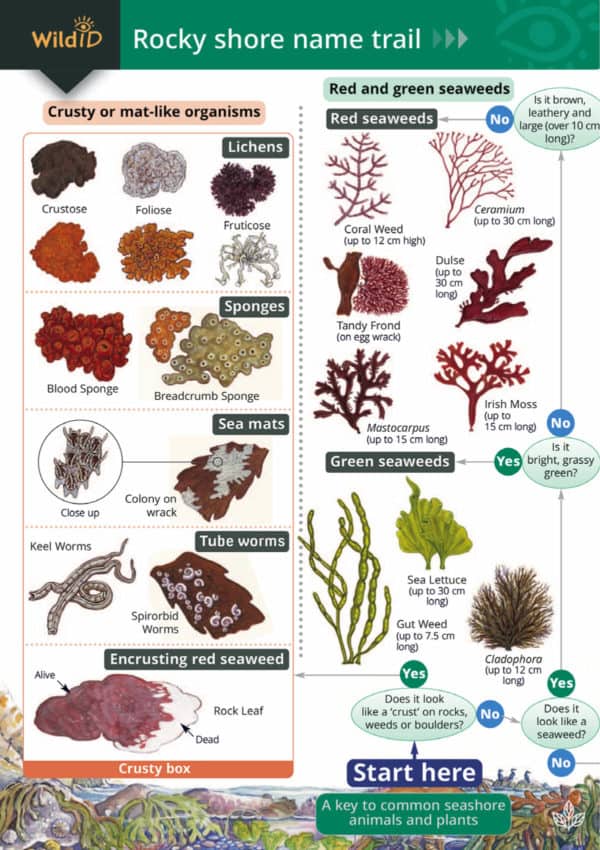
- Includes a full seaweed identification key that can be used with living seaweeds on the seashore
- Practical for use outdoors: lightweight, rucksack-sized, splash-proof
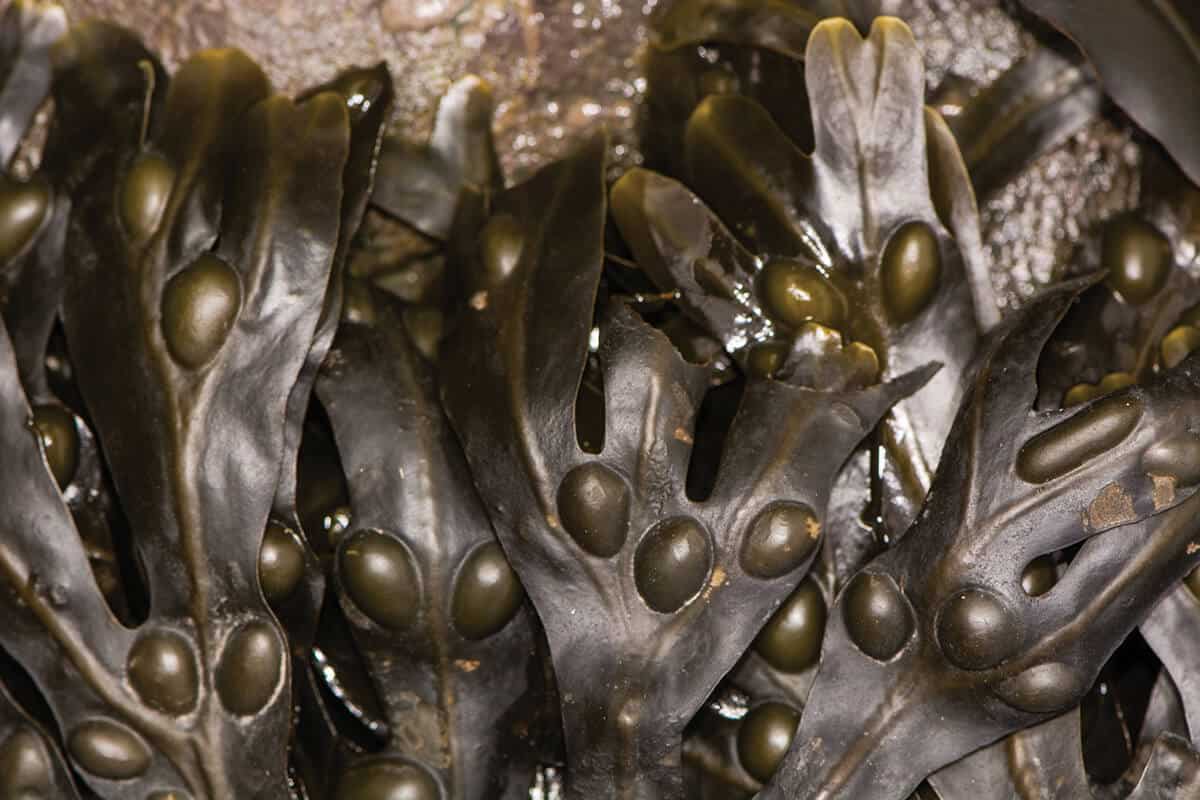
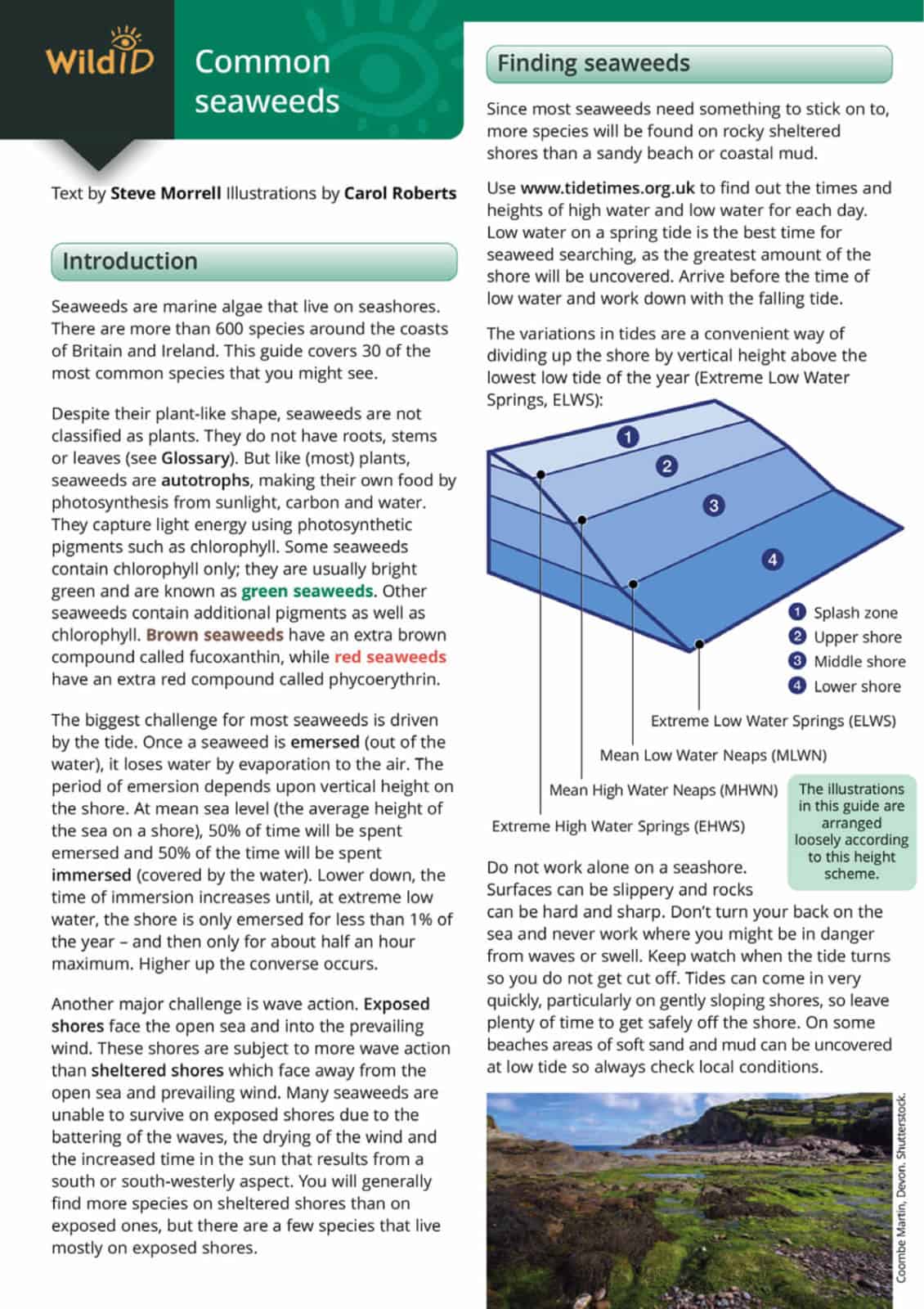
Seaweeds are the main plant-like organisms on rocky shores, though they can also grow on sandy and muddy shores, especially around wooden or concrete structures. Seaweeds are actually algae, not true plants. Unlike plants, they don’t have real roots, stems or leaves. Instead, they use structures called a holdfast, stipe and frond to do the same jobs. Seaweeds make their own food through photosynthesis using sunlight. They contain green chlorophyll, and some also have other coloured pigments. For identification, seaweeds are grouped into brown, red and green types.
Seaweed-covered shores are interesting to study because there is often a lot of habitat variation in a small area. You can compare seaweed diversity and abundance on different parts of the same headland or between two nearby shores. The biggest challenge for seaweeds is losing water when the tide goes out. Another problem is damage from strong waves, especially on exposed shores that face open sea and wind. Because most seaweeds need something solid to attach to, they are usually more common on rocky shores than on sandy or muddy ones.