This 1-day beginner to intermediate course will help you to appreciate why biological recording is important and how you can have fun as you participate in the scientific process of gathering data.
Whether you’re in your garden or out on a walk, it’s hard not to notice the animals and plants around you. As your familiarity grows, you begin to notice even more: changes in numbers, the arrival or disappearance of species, and how life varies from place to place and over time. If that information is captured, it can be hugely valuable. This course will lead to enhancing your appreciation of nature and enable you to actively participate in conservation activities wherever you live and whatever your level of expertise.
This course will cover:
- What is biological recording, why and what to record
- How to record species in the field and how to capture the data
- The difference between recording, surveying and monitoring
- How to retrieve and use your data at a local and national level
Read More
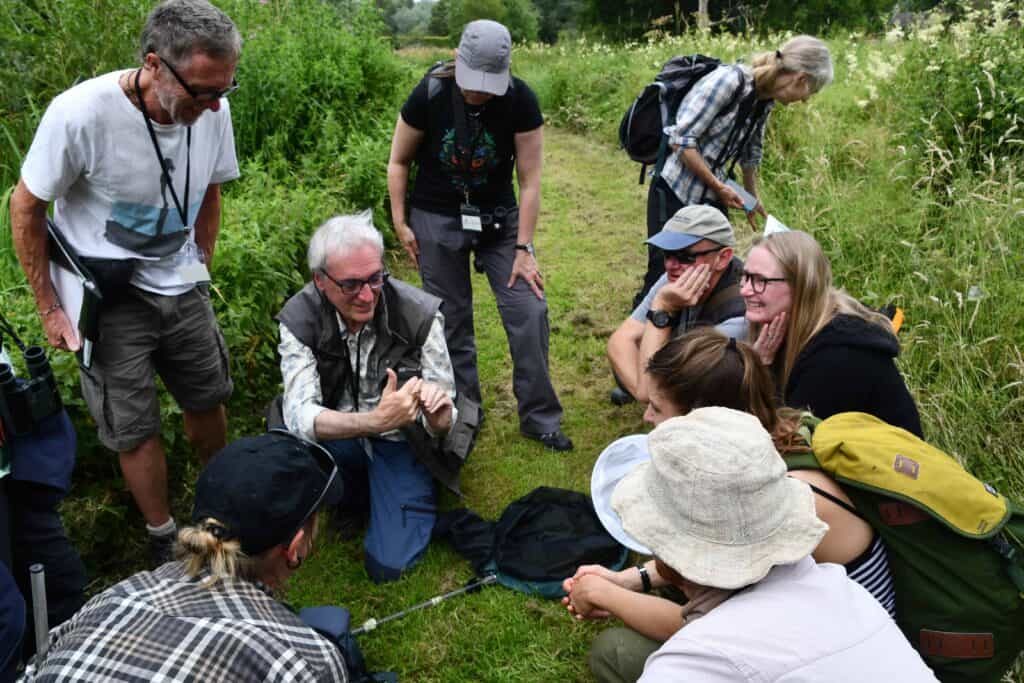
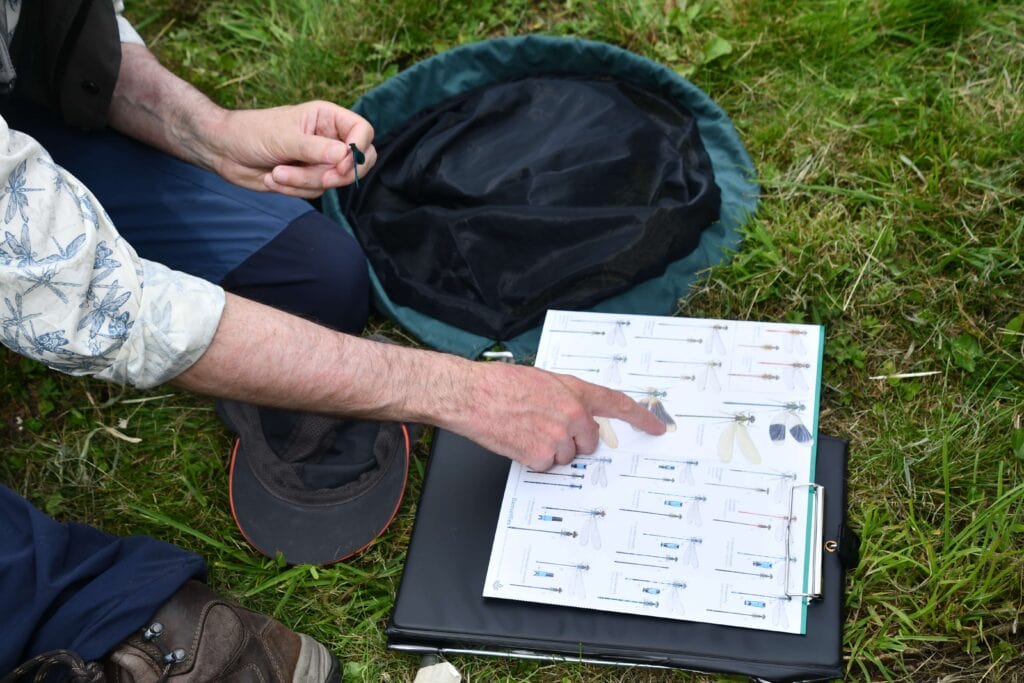
The course explores the reasons for and methods of recording information about a wide variety of wildlife. Collecting and recording species data is incredibly valuable for understanding animal behaviour, the impacts of environmental change, and in directing conservation efforts. A lot of information and tools are available to help you to participate in this process of recording biological events. Participants will practice field techniques to document species within the unique grounds of Haddon Hall Medieval Park, including specific invertebrate monitoring methods and protocols. The course also examines how surveys can be designed for personal interest, educational use, or research purposes.
The course will act as an introduction for enthusiastic naturalists in how to develop their ability to capture species information. It will also demonstrate where casual observation can develop into more consistent monitoring for specific research or conservation aims.
The depth and detail of the course will be tailored to the experience of participants on the day.
Please note that the course does not include training in Phase 1 habitat surveys, woodland condition, or biodiversity net gain and metric methodologies.
By the end of the course you will:
-
- understand what biological recording is, what value it has and how to record.
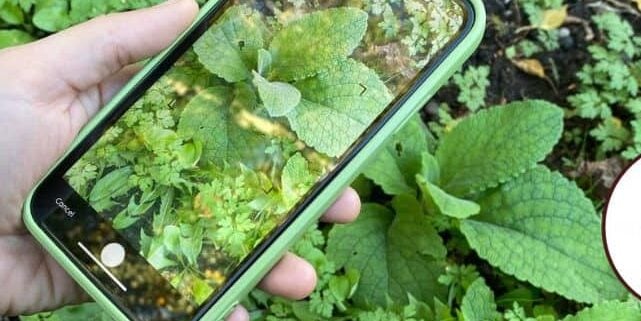
- be familiar with online recording systems and have practice of using iRecord.
- gain practical experience in field techniques for recording invertebrates, including systematic monitoring protocols.
- explore case studies ranging from casual observations and personal surveys to community science initiatives, educational projects, and academic research.
- be equipped with the skills and confidence to undertake your own local recording projects.
Who Should Attend? – This course is for adults 18+ (see FAQs). This course will suit anyone who enjoys spending time outdoors, amateur naturalists, environmental educators, science teachers, undergraduates and anyone who is considering capturing non-statutory biodiversity data.
Knowledge Level – Beginner to intermediate. Level descriptors can be found on the following webpage: Framework and Course Level Descriptors
Prior Knowledge – No prior knowledge required. An enthusiasm for wildlife and ability to recognise a few species is all that is required.
PLEASE NOTE: If we are unable to reach viable numbers for this course, we will inform you of the course cancellation 4-5 weeks prior to the course run. Please see the ‘What’s Included’ section for information on accommodation and meals options.
Bookings will close if course capacity is reached.
Please email [email protected] if you have any questions.
About the Tutor
Paul Richards
Paul Richards has nearly 40 years’ experience as a professional zoologist, curator, ecologist and recorder, specialising in invertebrates. He most recently worked in a research team looking at Heliconius butterfly wing scale development and mimicry evolution at the University of Sheffield, where he has previously researched urban invertebrate diversity, ecosystem services and bird reproduction. In recent years he was Ecological Monitoring Officer for Sheffield & Rotherham Wildlife Trust surveying anything from tree condition to dragonflies, harvest-mice, bluebells, hedgehogs and otters. He has also undertaken commercial field ecology, monitoring water voles, reptiles, newts, bats, badgers and birds . For the 25 years prior to that he was Senior Curator of Natural History at Museums Sheffield, managing the species elements of the Sheffield Biological Records Centre.
Paul is Sorby Natural History Society recorder for Millipedes, Centipedes, Woodlice, Harvestmen, and Pseudoscorpions. His publications include the recently updated Field Studies Council guide to British Harvestmen and the new atlas of Dragonflies of the Sheffield area.
Example Timetable
This timetable is subject to change but it should give an outline of what to expect. The order of activities will be adjusted according to the weather forecast.
Please arrive in time for the course to start promptly at 10:00am. The course will finish at 17:00.
Lunch is not included, so please bring your own food. Refreshments (tea and coffee) will be provided.
Morning:
Indoor talks and demonstrations
- Introduction to the course and Haddon Hall
- What is biological recording?
- Why record?
- What to record
- Tools for recording data
- The difference between recording and monitoring
Afternoon:
- How to record species in the field.
- H&S briefing
- Outdoor practice with recording and monitoring methods
- How to retrieve and use your data
What's Included
-
 Expert Tuition
The course includes:
- Classroom learning covering the theory of the species
- Field excursions to apply new knowledge
- Expert tuition for which the Field Studies Council is renowned
- Clear objectives and progression
- Refreshments (tea and coffee)
You can rest assured that the absolute best content from an expert in environmental education will be provided. In choosing a Field Studies Council course, you will be joining thousands of people who learn with us each year.
Bursaries and Subsidies
Student Discount
This course is eligible for a student discount. If you are a current student, please use discount code BioStudent20 at checkout for 20% off all Biodiversity courses.
Natural History Bursaries
There are a number of natural history bursaries available to help with the cost of your course. To find out if you and your chosen course are eligible, find out more here.
Before You Attend
There will be a member of staff with first aid training and access to a first aid kit on site. If you have special medical or access requirements, please let us know as soon as possible so we can plan the course.
Please Bring:
- Notebook and pencil
- Laptop, tablet or smart phone
- Please bring your own refreshments and lunch
- Sensible footwear and clothing for being outdoors
- Your preferred field identification guides or books
Opportunities to attend this course
-
Sat 26, September 2026 10:00 - 17:00
Directions and further information on Haddon Hall can be found here.
No current dates for this course? Click here to view all the upcoming Natural History courses.
Sign up for the Biodiversity Newsletter to be the first to hear about new course dates and to get early bird discounts!
Progress Your Learning
This is a training course from the Field Studies Council, delivered by expert tutors with an approachable learning style. After attending this course, you may like to progress your learning with further relevant courses or branch out into other areas of natural history. The Field Studies Council offers both online and in-person courses, so you can choose the learning style that suits you best.
The course gives you the opportunity to immerse yourself in a new subject and acquire novel skills. Our online portal gives you time to study at your own pace and fit the lessons around your own schedule.
If you have any questions about our online courses please check our Frequently Asked Questions
Please email [email protected]g if you have any questions.
Group Bookings Made Easy
If you have a group of 10 or more individuals wanting to complete one of our courses, our team are available to discuss your options – from discounts to private team courses. Find out more!
You can rest assured that the absolute best content from an expert in environmental education will be at your fingertips. In choosing a Field Studies Council course, you will be joining thousands of people who learn with us each year.