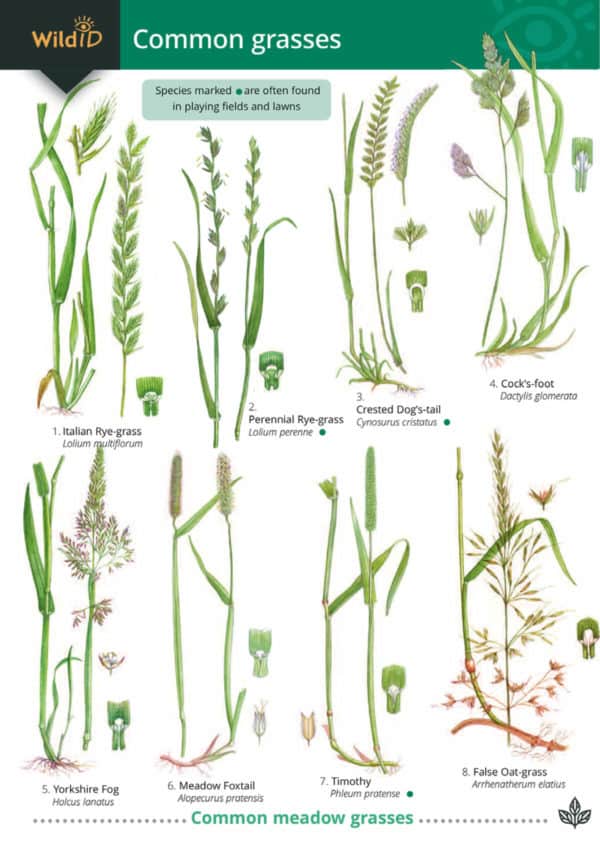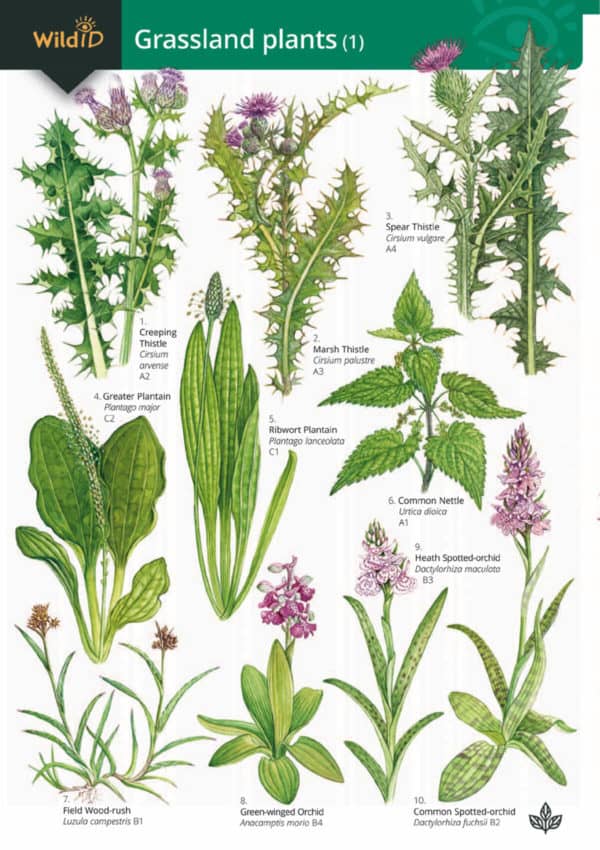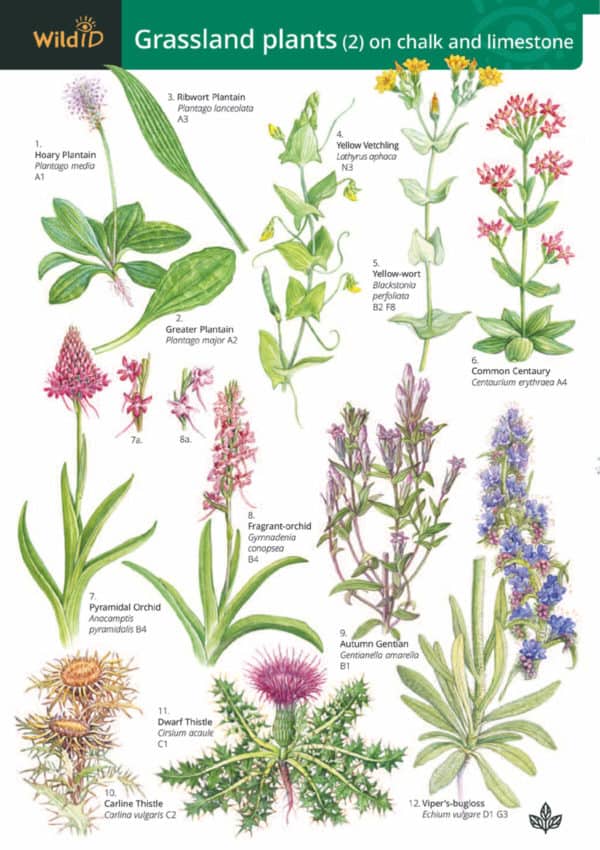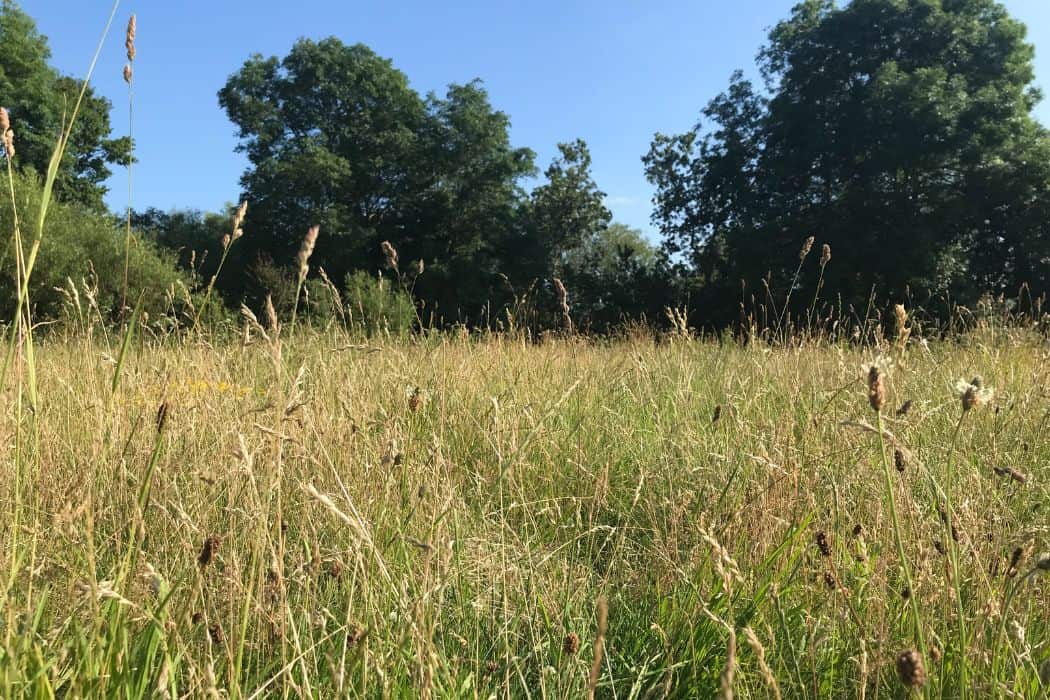
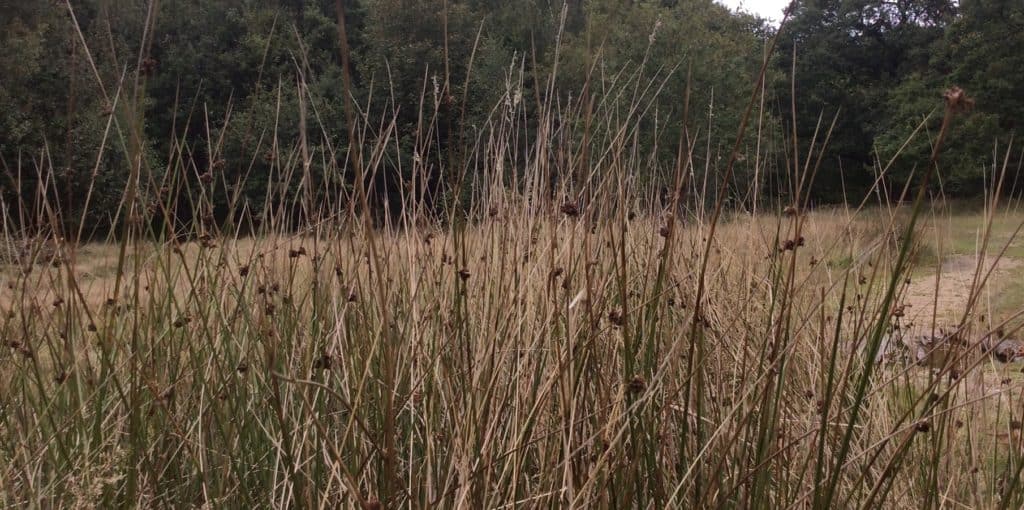
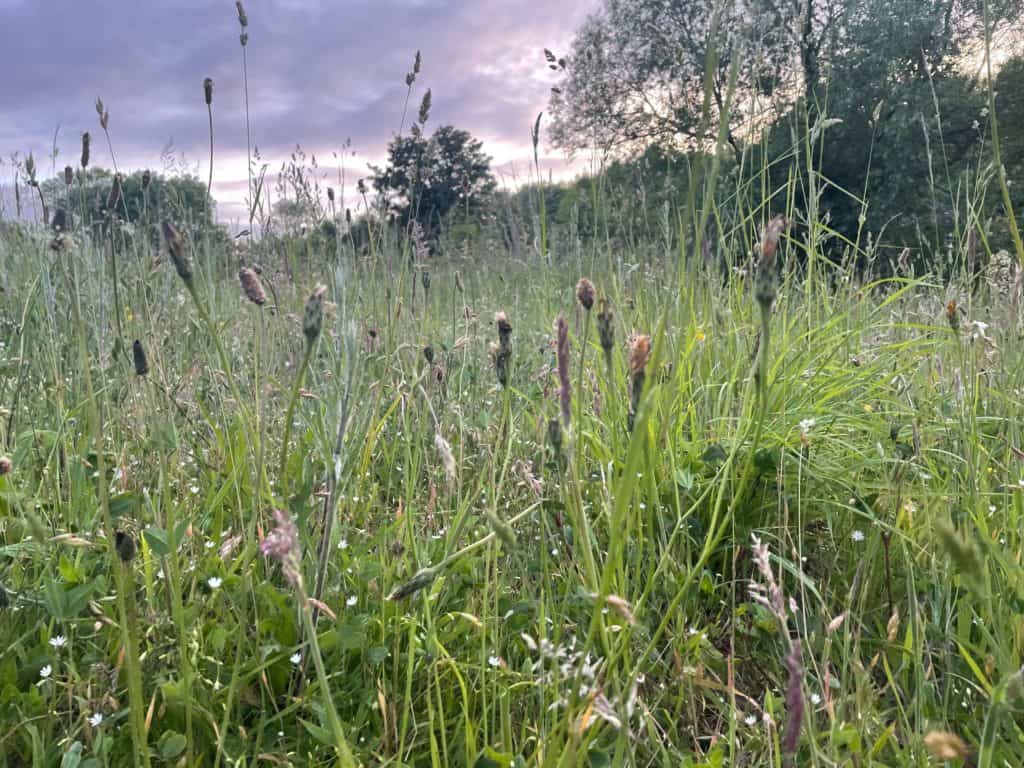
Grasses occupy a wide range of ecological niches and can be extremely useful botanical indicators, telling you much about the habitats present at a site (e.g. light, moisture, pH, nutrients and salinity).
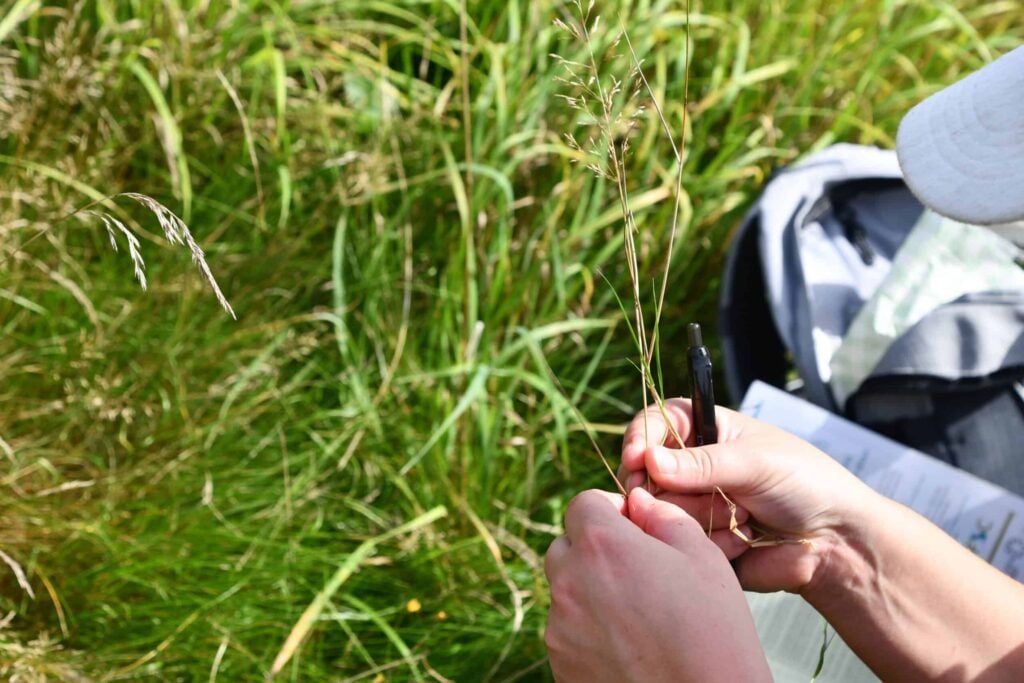
How often have you come across a grass that you cannot identify, either because it has not come into flower yet, or it has been grazed/mown off. Then this 1-day beginner-intermediate course is for you, focusing on the vegetative characters that enable reliable identification of the common and less encountered species.
This course will cover:
- A range of vegetative features, some unique to grasses, of species found within the British and Irish Flora.
- Use of microscopes in the classroom to back up vegetative characters that have been observed in the field using hand lenses.
- The commonly encountered Genera and species, and some of the more important members of this large family.
Read More
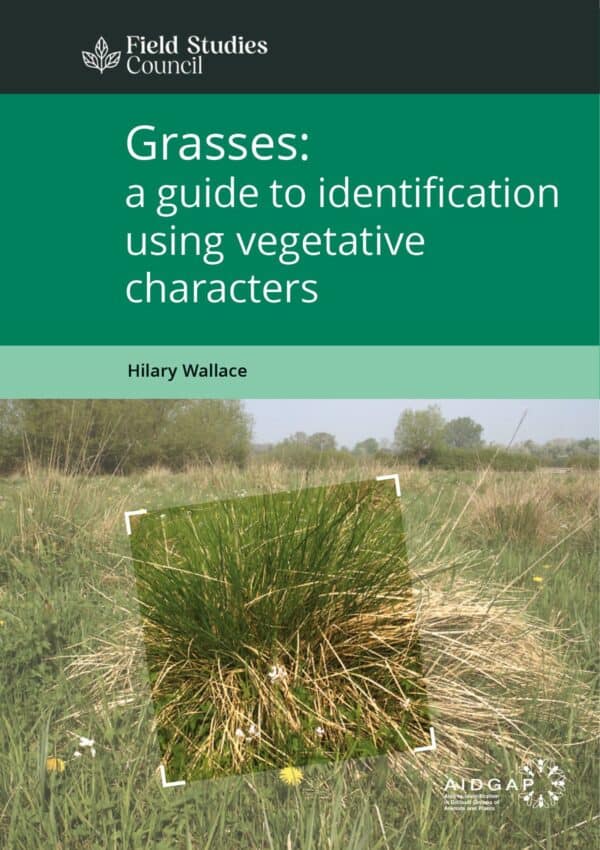
This course focuses on the range of vegetative features, some unique to grasses, of species found within the British and Irish Flora. The course will utilise the excellent ‘Grasses: a guide to identification using vegetative characters’ by Hilary Wallace.
By the end of the course:
- You will understand the vegetative characters that comprise the Poaceae.
- You will recognise the main vegetative characteristics of the major genera within the Poaceae, as well as many species and the characters that define them.
- You will be able to utilise botanical keys to identify a range of species.
Who Should Attend? – This course is for adults 18+ (see FAQs). Amateur and professional botanists/naturalists/ecologists, Local Authority ecologists, ecological consultants, conservation officers and staff within SNCOs and NGOs, students, environmental managers, land managers, wardens and rangers.
Knowledge Level – Beginner – intermediate. Level descriptors can be found on the following webpage: Framework and Course Level Descriptors
Prior Knowledge – No existing knowledge or experience is essential, but attendees will gain the most from this course if they have some prior understanding of the parts of a plants and associated terminology, have used a key (not necessarily botanical) and have some prior knowledge of UK flora. Field Identification Skills Certificate levels 2 and above.
PLEASE NOTE: If we are unable to reach viable numbers for this course, we will inform you of the course cancellation 4-5 weeks prior to the course run. Please see the ‘What’s Included’ section for information on accommodation and meals options.
Bookings will close if course capacity is reached.
Please email [email protected] if you have any questions.
About the Tutor
Mark Duffell
Mark Duffell is an experienced botanist with a lifetime’s interest in plants. He currently splits his time between running Arvensis Ecology (conducting botanical surveys and teaching botanical identification to undergraduate and postgraduate University students, consultants and environmental organisations) and has worked as a Lecturer with MMU on their MSc in ‘Biological Recording and Ecological Monitoring’.
Example Timetable
This timetable is subject to change, but should give a clear outline of what to expect.
- Please arrive in time for the course to start promptly at 10:00
- The course will end at 17:00
Morning: Presentation and workshop on the Poaceae, why it’s important within the British Flora and an introduction to the basic vegetative botanical structures and terminology applicable to this family.
Afternoon: Looking at specimens and keying them out (indoors/outdoors).
Lunch break and breaks as required – lunch and accommodation are not included. Refreshments (tea and coffee) will be provided.
What's Included
-
 Expert Tuition
The course includes:
- Classroom learning covering the theory of the species
- Field excursions to apply new knowledge
- Expert tuition for which the Field Studies Council is renowned
- Clear objectives and progression
- Refreshments (tea and coffee)
You can rest assured that the absolute best content from an expert in environmental education will be provided. In choosing a Field Studies Council course, you will be joining thousands of people who learn with us each year.
Accommodation and meal options
We would recommend when purchasing accommodation and/or travel you should take out your own insurance.
For some course runs at Field Studies Council Centres, there may be the option to book accommodation with your course. Please email [email protected] to enquire about availability.
Bursaries and Subsidies
Student Discount
This course is eligible for a student discount. If you are a current student, please use discount code BioStudent20 at checkout for 20% off all Biodiversity courses.
Natural History Bursaries
There are a number of natural history bursaries available to help with the cost of your course. To find out if you and your chosen course are eligible, find out more here.
Before You Attend
There will be a member of staff with first aid training and access to a first aid kit on site. If you have special medical or access requirements, please let us know as soon as possible so we can plan the course.
Please Bring:
- Notebook and pencil
- Your preferred botanical identification books and guides
- Please bring your own refreshments & lunch
- Sensible footwear and clothing for being outdoors
If you have them:
- Hand lens (x20 if possible)
- Dissecting kit (scalpel and forceps)
Recommended Literature
- Hubbard. 1984. Grasses: a guide to their structure, identification, uses and distribution in the British Isles. Penguin.
- Poland & Clement. 2010. The Vegetative Key to the British Flora
- Stace. 2019. New Flora of the British Isles by Stace (4th ed.)
- Streeter. 2016. Collins Wild Flower Guide
Useful Field Studies Council Publications
Opportunities to attend this course
This course is not currently available to book. Dates will follow soon.
Sign up to our Email Newsletter
No current dates for this course? Click here to view all the upcoming Natural History courses.
Sign up for the Biodiversity Newsletter to be the first to hear about new course dates and to get early bird discounts!
Progress Your Learning
This is a training course from the Field Studies Council, delivered by expert tutors with an approachable learning style. After attending this course, you may like to progress your learning with further relevant courses or branch out into other areas of natural history. The Field Studies Council offers both online and in-person courses, so you can choose the learning style that suits you best.
The course gives you the opportunity to immerse yourself in a new subject and acquire novel skills. Our online portal gives you time to study at your own pace and fit the lessons around your own schedule.
If you have any questions about our online courses please check our Frequently Asked Questions
Please email [email protected]g if you have any questions.
Group Bookings Made Easy
If you have a group of 10 or more individuals wanting to complete one of our courses, our team are available to discuss your options – from discounts to private team courses. Find out more!
You can rest assured that the absolute best content from an expert in environmental education will be at your fingertips. In choosing a Field Studies Council course, you will be joining thousands of people who learn with us each year.