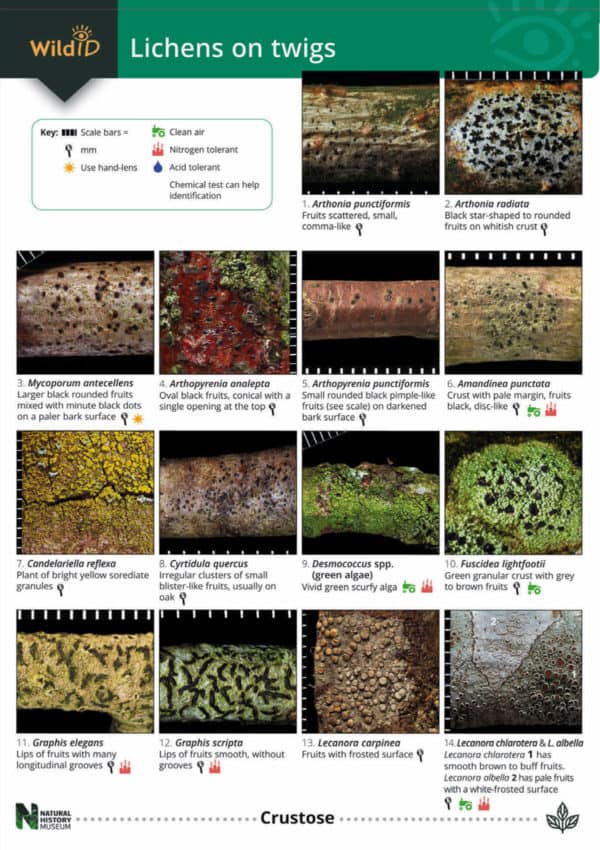
Lichens on twigs guide
Identify 60 common lichens found growing on trees and shrubs in Britain, grouped according to growth form. Lichens are highly sensitive to subtle changes in environmental conditions.

Identify 60 common lichens found growing on trees and shrubs in Britain, grouped according to growth form. Lichens are highly sensitive to subtle changes in environmental conditions.
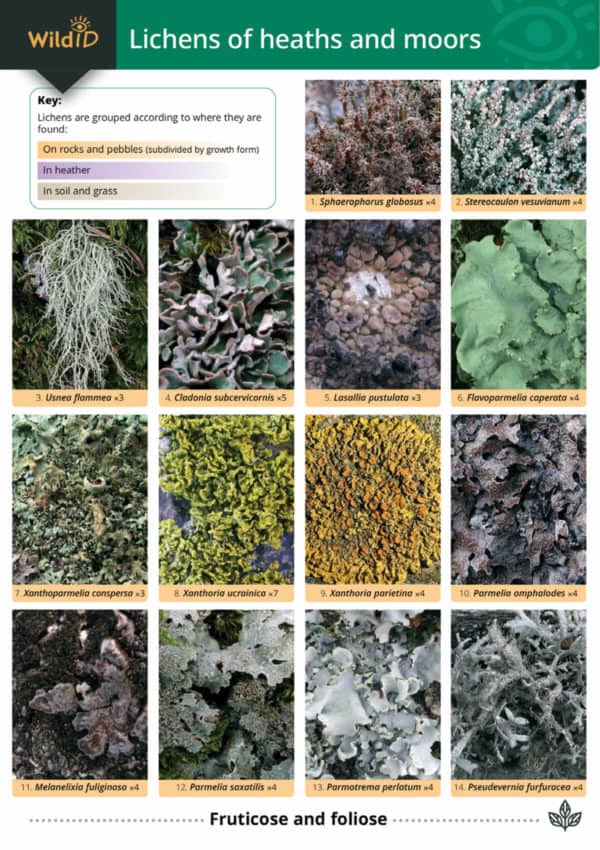
62 common lichens found on heaths and moors, from dry sandy heath to wet peaty moorland. This guide groups the colour photographs of each species by growth form and substrate.
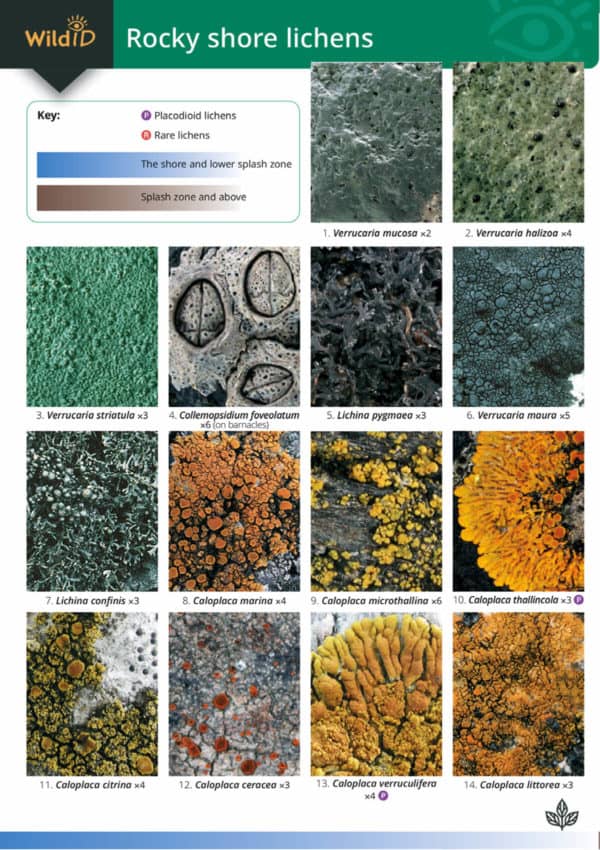
A guide to 62 common species of lichen found on rocky sea shores, between the low tide mark and up to the limit of sea spray.
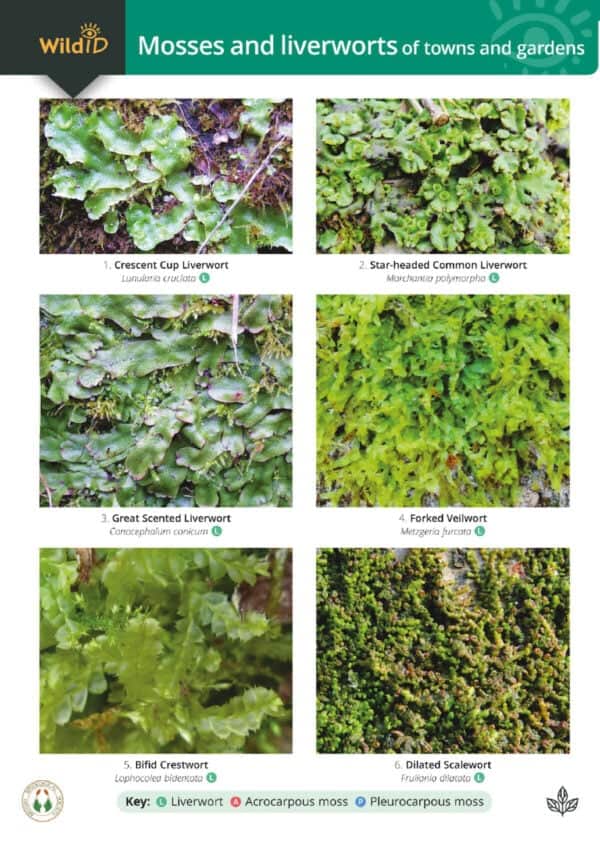
Aimed at beginners, this is a gentle introductory guide to the mosses and liverworts of lawns, plant pots, walls and pavements.
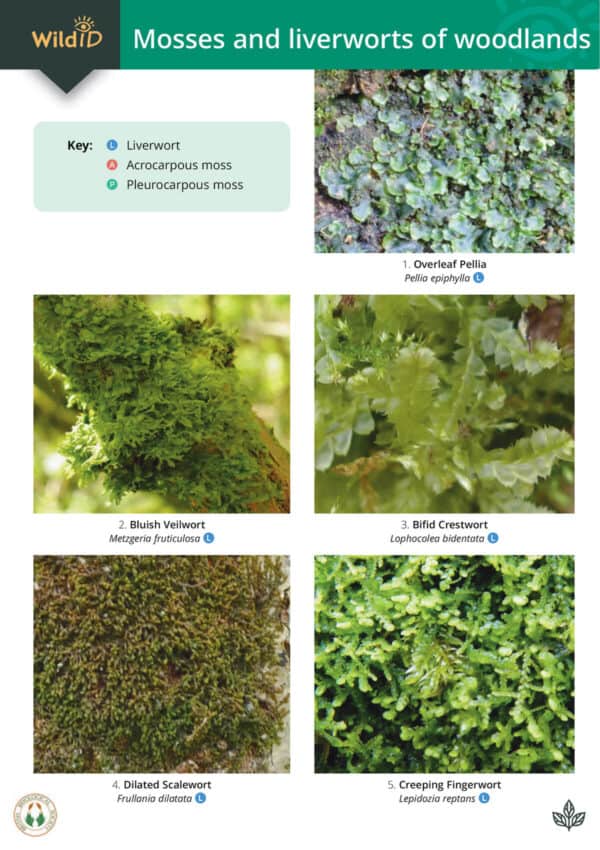
Aimed at beginners, this is a gentle introductory guide to the mosses and liverworts of woodlands.
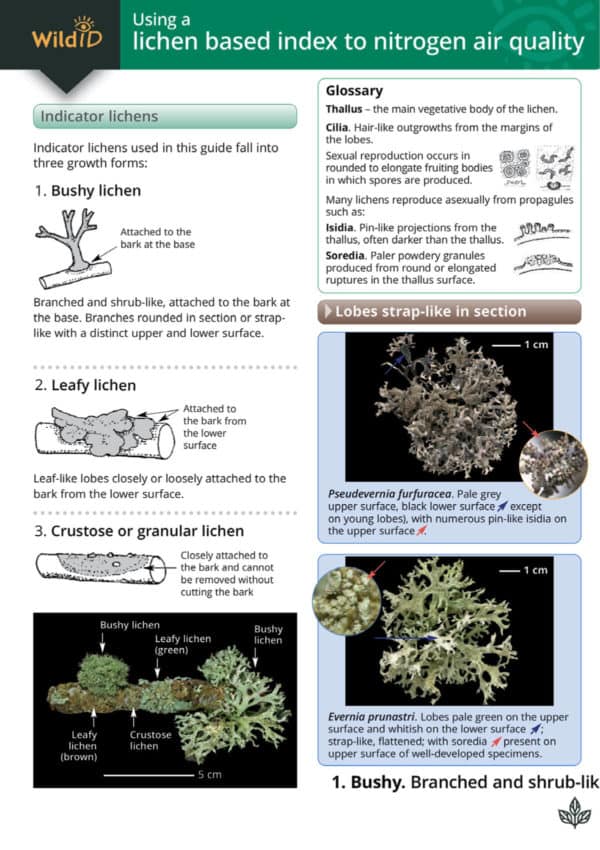
Ideal for small-scale scientific investigations, a fast guide to lichens on oak and birch trees as indicators of local levels of nitrogen-containing pollutants.
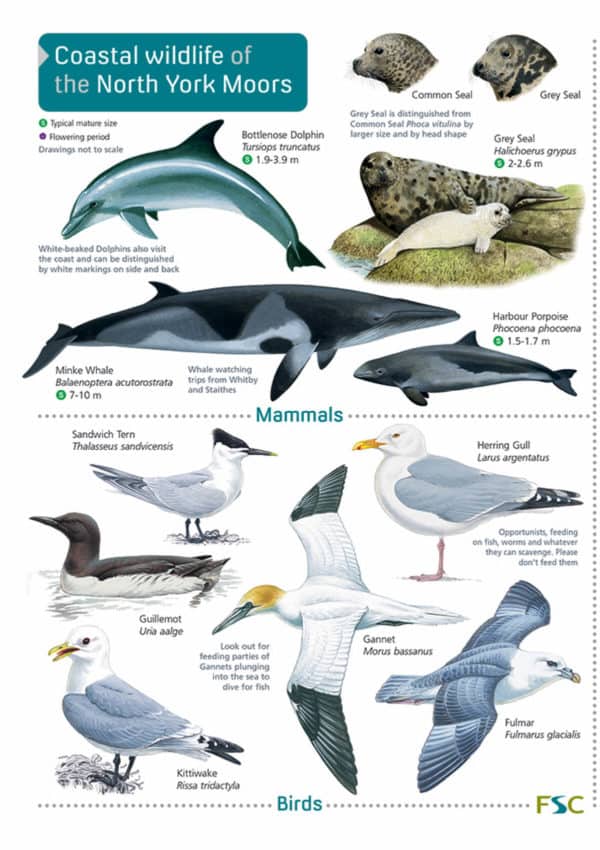
Coastal wildlife of the North York Moors covers 25 miles of North Yorkshire coast, from Staithes in the north to Cloughton Wyke near Scarborough in the south, including Whitby and Robin Hood's Bay.
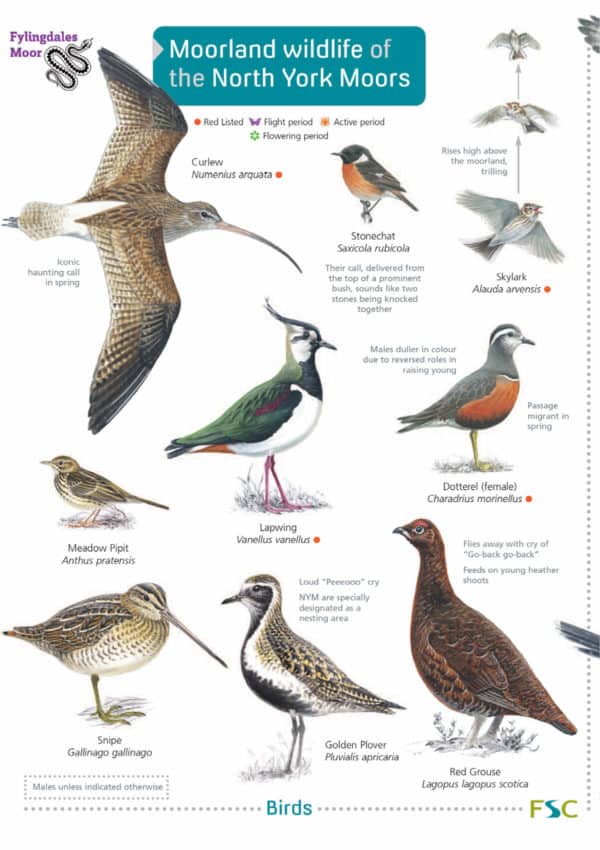
Covering the characteristic moorland wildlife of the North York Moors National Park, which includes the largest expanse of heather moorland in the UK.
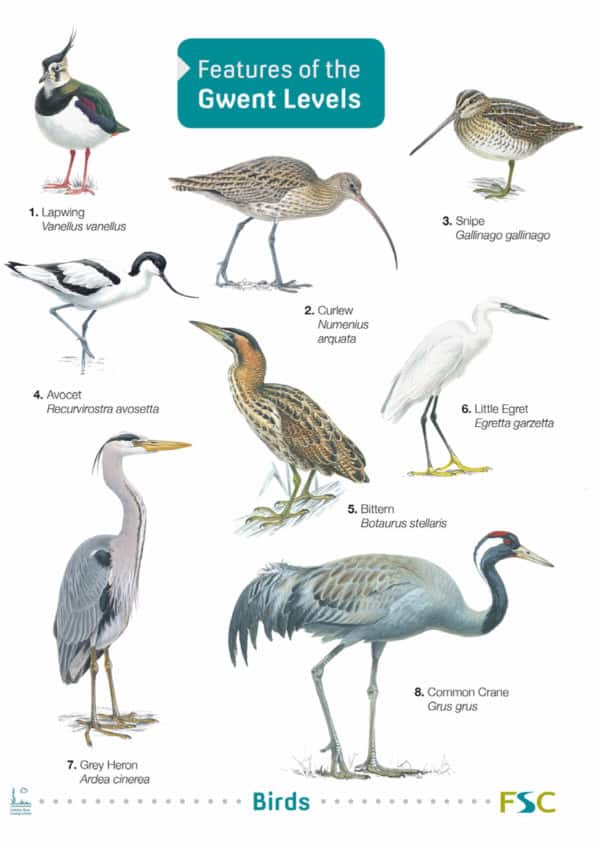
Covering the characteristic wildlife of the Gwent Levels in South Wales, including birds, butterflies, moths, dragonflies and wildflowers. Co-created with the Living Levels Partnership.
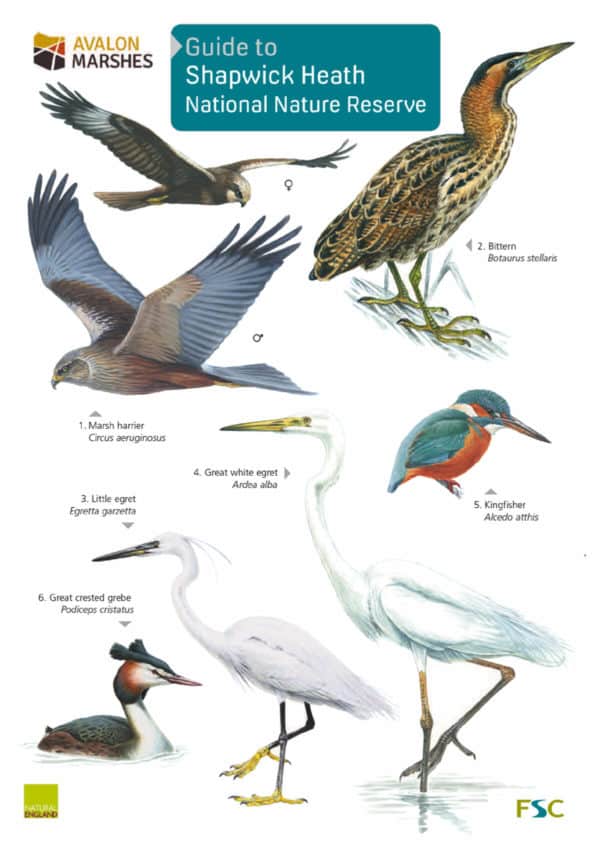
Shapwick Heath National Nature Reserve is a magnificent 530 hectare wetland reserve at the heart of the Somerset Moors and Levels.
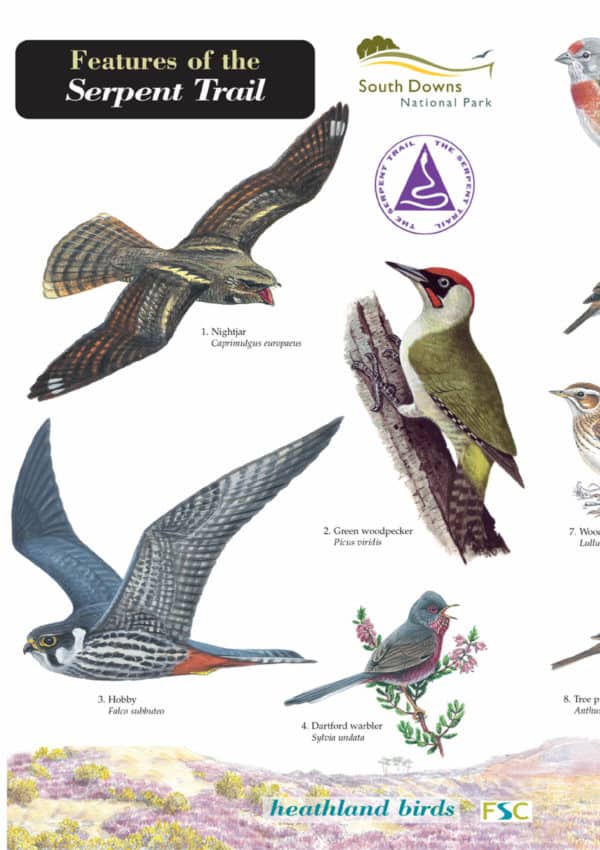
The Serpent Trail is a beautiful long-distance footpath in Surrey, West Sussex and Hampshire. It runs from Haslemere to Petersfield, passing through greensand hills, lowland heath and woodland.
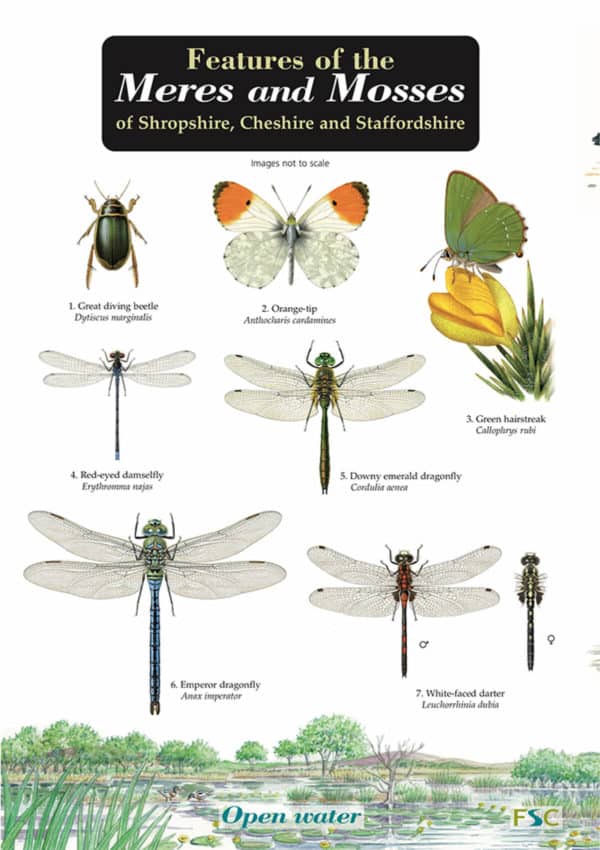
The Meres and Mosses of Shropshire, Cheshire and Staffordshire contain the largest group of natural lakes and wetlands in England.
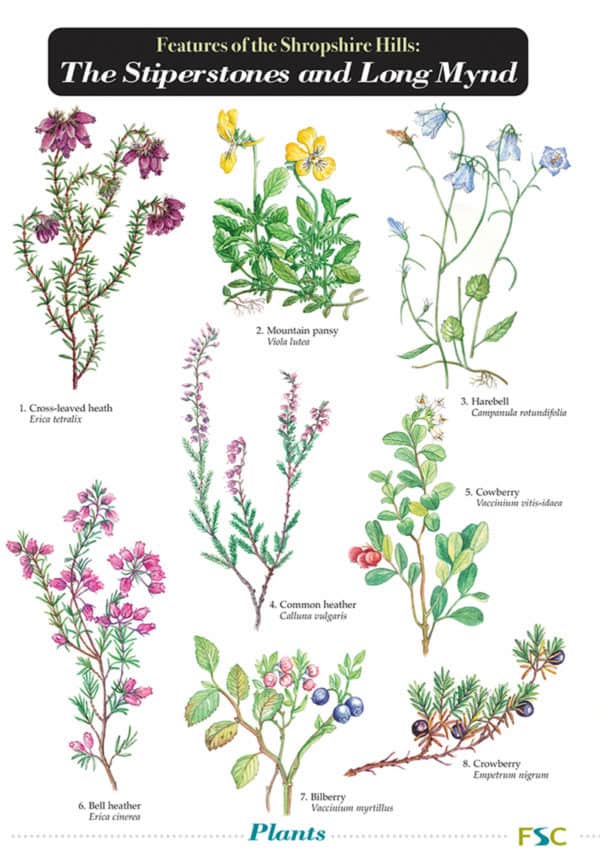
The Shropshire Hills guide focuses on The Stiperstones and The Long Mynd. Beautiful colour paintings show the birds, insects and plants of this special place.
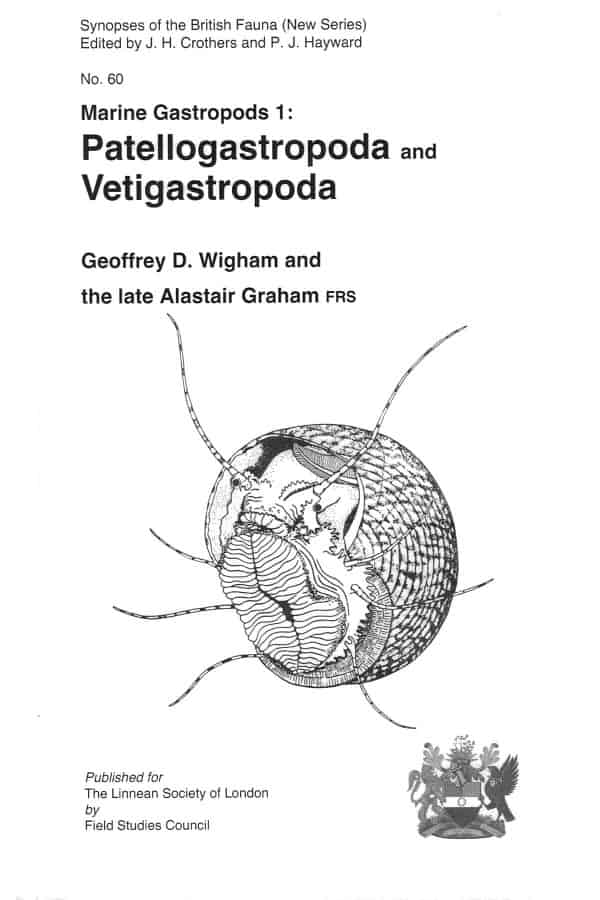
Marine gastropods 1 covers the two most recognisable subclasses: Patellogastropoda and Vetigastropoda. The popular names for these molluscs are limpets and topshells.
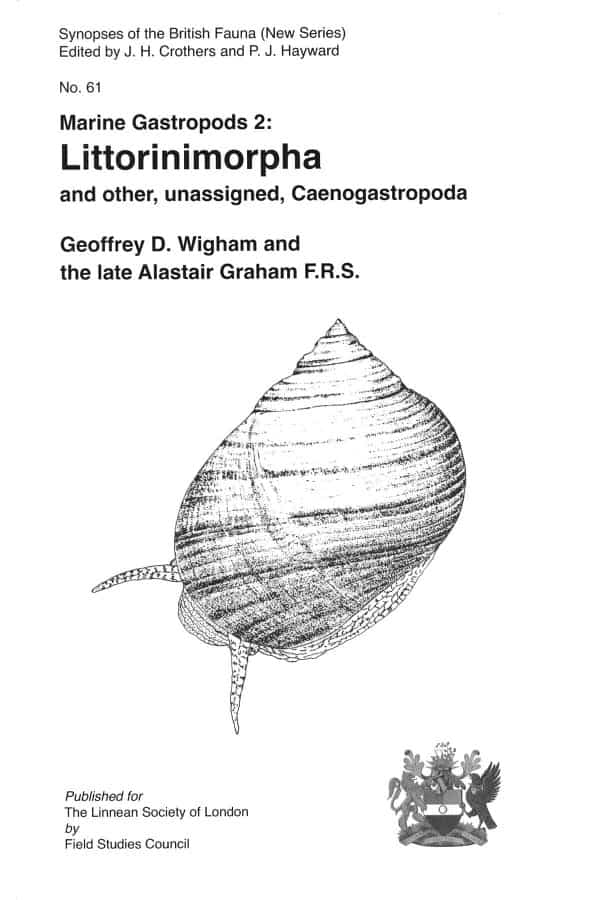
Littorinimorpha: Marine gastropods 2 covers Littorinimorpha and other unassigned Caenogastropoda, including periwinkles and moon shells. The keys mostly use characters of fully-grown shells. This will enable the identification of empty shells.
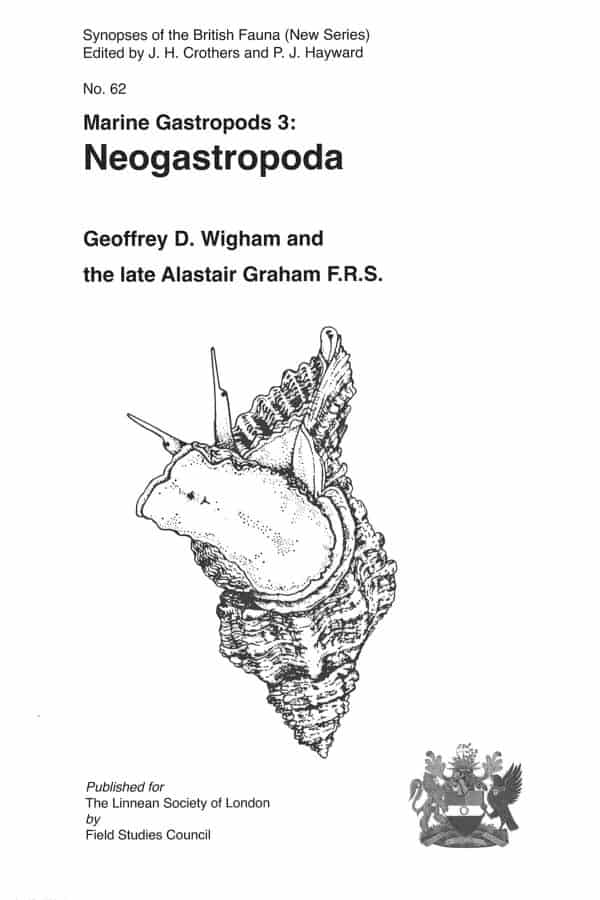
Neogastropoda: Marine gastropods 3 is the third of five volumes. It covers the neogastropod molluscs. The popular names are whelks and dog-whelks. Many species are widespread on rocky shores.