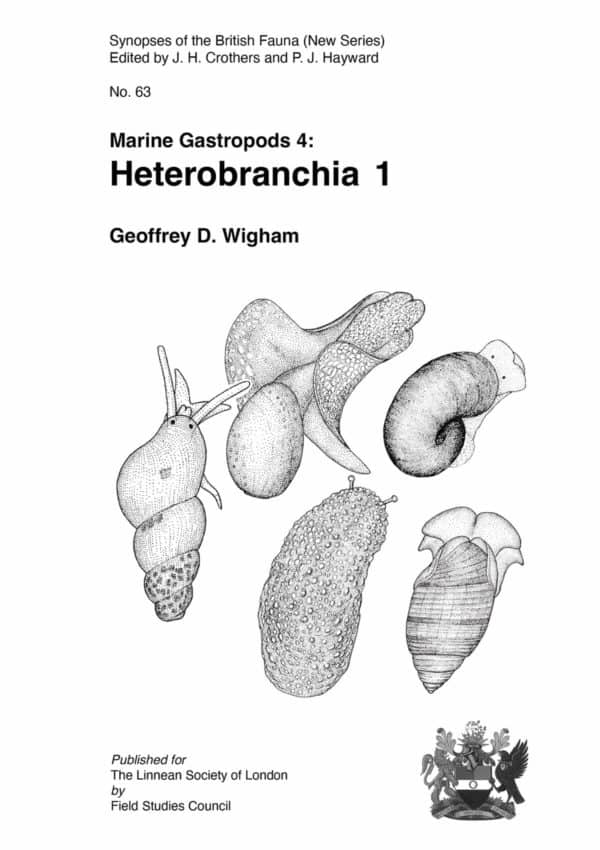
Heterobranchia 1: Marine gastropods 4
Neogastropoda: Marine gastropods 4 is the fourth of five volumes. It covers all the marine hetrobranchs, except the Sacoglossa and Nudibranchia.

Neogastropoda: Marine gastropods 4 is the fourth of five volumes. It covers all the marine hetrobranchs, except the Sacoglossa and Nudibranchia.
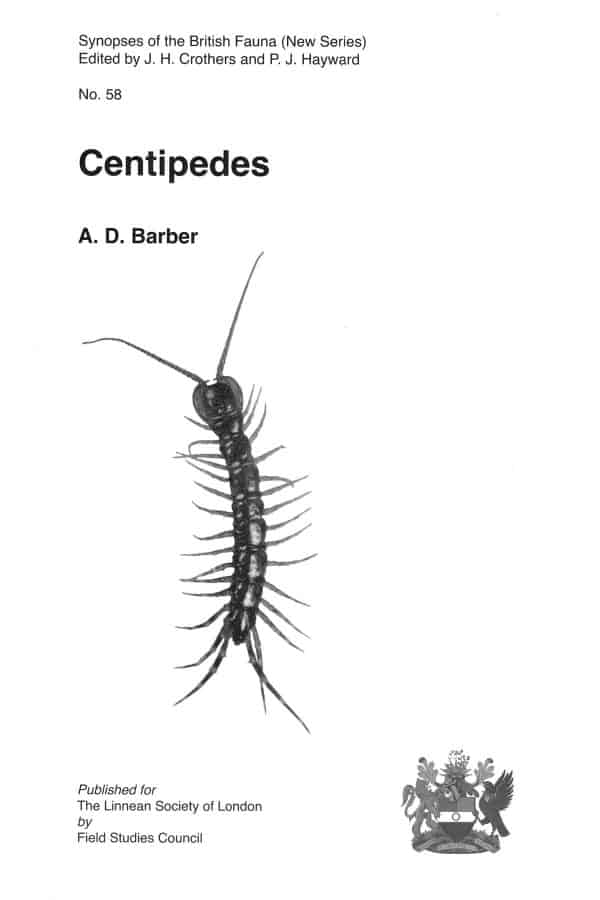
The Centipedes Synopsis has keys to the entire British list of 61 species. It Includes species which have only been found within heated buildings.
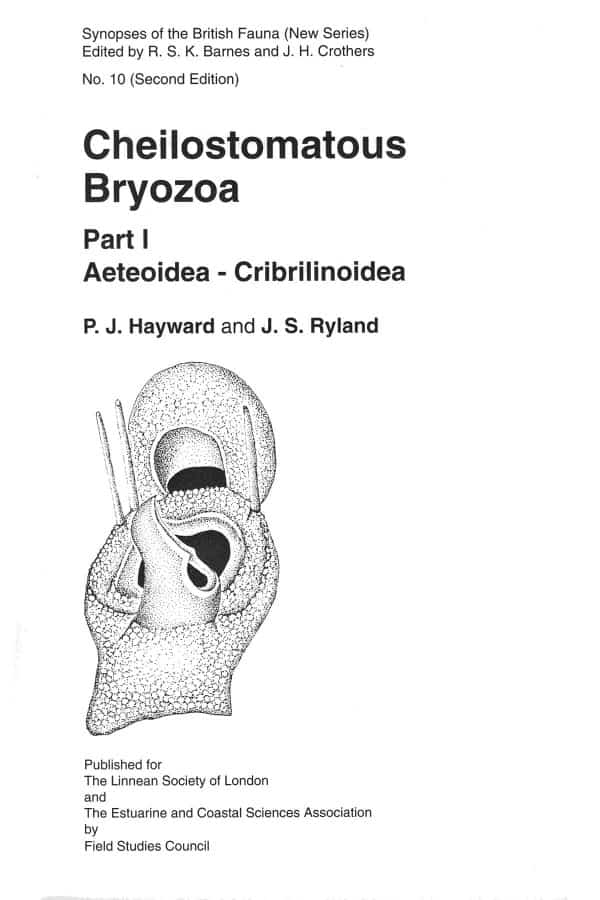
The Cheilostomatous bryozoa 1 Synopsis covers superfamilies Aeteoidea to Cribrilinoidea in the Cheilostomata. Accompanying text discusses classification, biology and ecology.
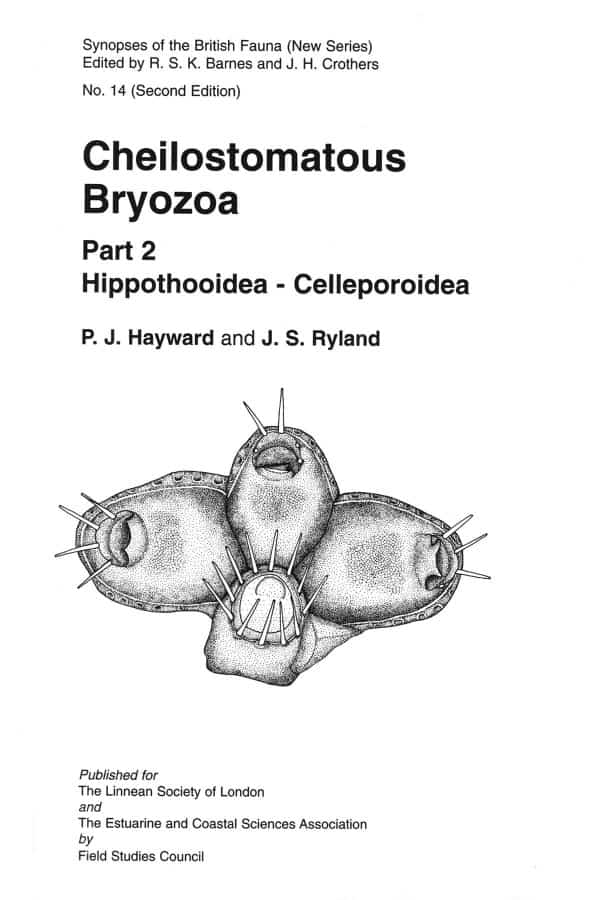
The Cheilostomatous bryozoa 1 Synopsis covers superfamilies Hippothooidea to Celleporoidea in the Cheilostomata. Accompanying text discusses classification, biology and ecology.
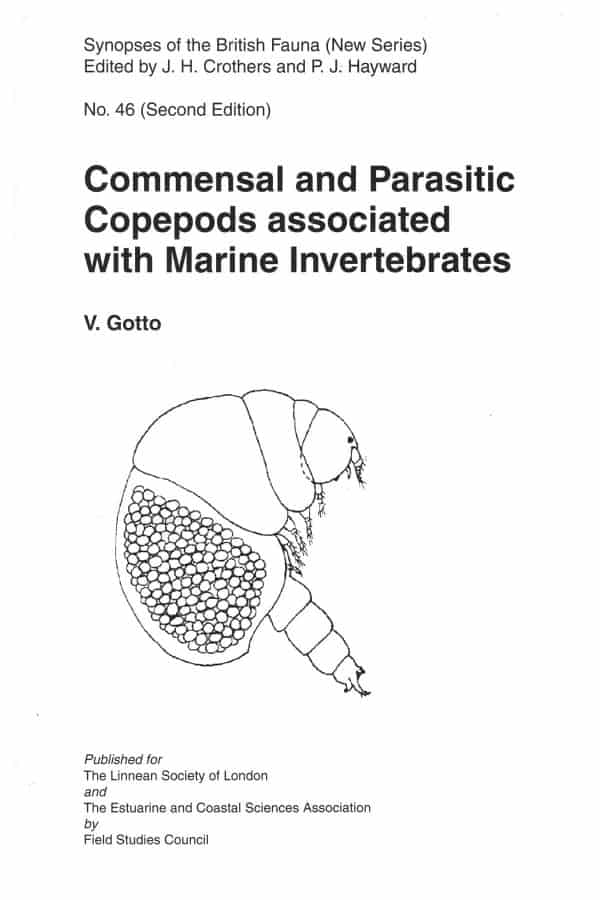
Commensal and parasitic copepods Synopsis covers species known to live parasitically or commensally with marine invertebrates. It includes keys, species descriptions and host animals.
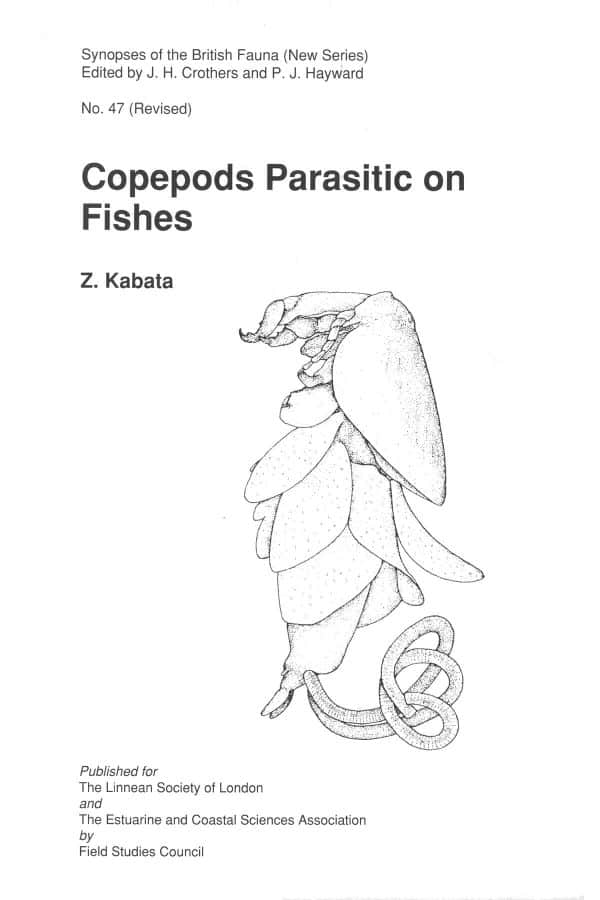
The Copepods parasitic on fishes Synopsis covers 130 species of copepods known to parasitise fish. These are mainly from the poecilostomatoid and siphonostomatoid groups, but include one cyclopoid.
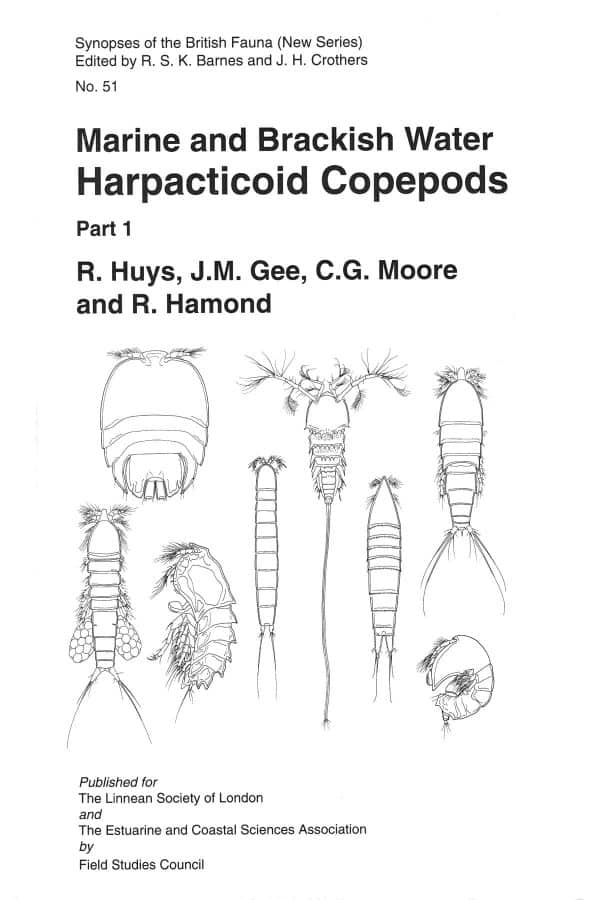
Marine and brackish water Harpacticoid Copepods 1 covers the two sub-orders Polyarthra and Oligoarthra. Keys enable identification to generic level.
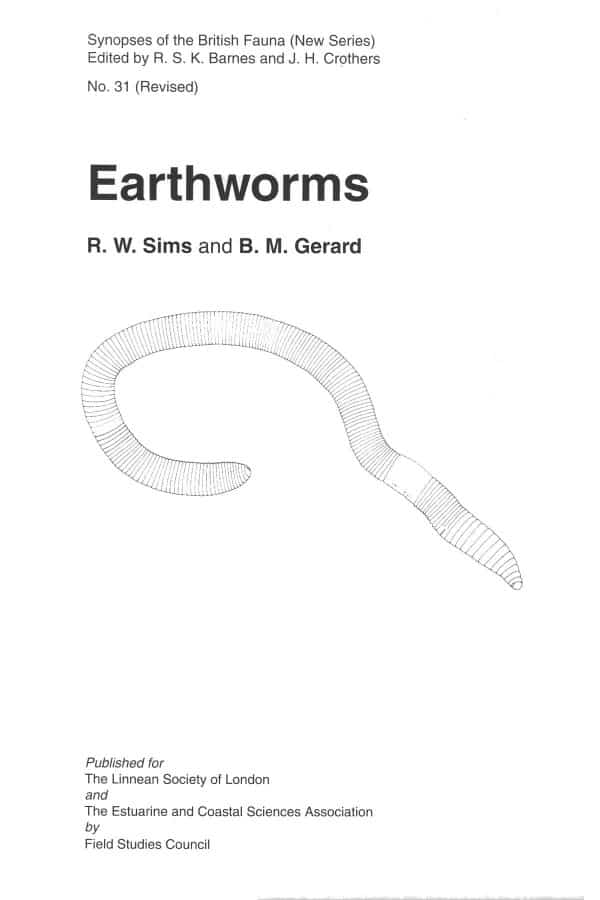
The Earthworms Synopsis features identification keys to 44 species. Keys use external features, particularly setae. Accompanying text describes collection techniques, specimen preservation and recording.

Anthozoans are amongst the most colourful of marine organisms. The most widely known British members of the Anthozoa are undoubtedly the sea anemones.
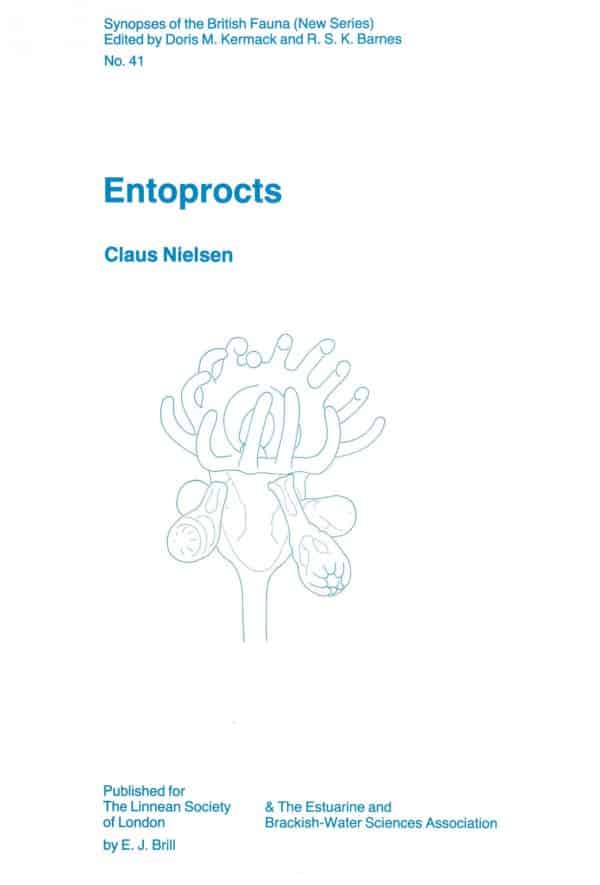
The Entoprocts Synopsis covers the phylum Entoprocta. Geographic coverage extends to British and adjacent waters. They are a widespread and abundant group of suspension feeders
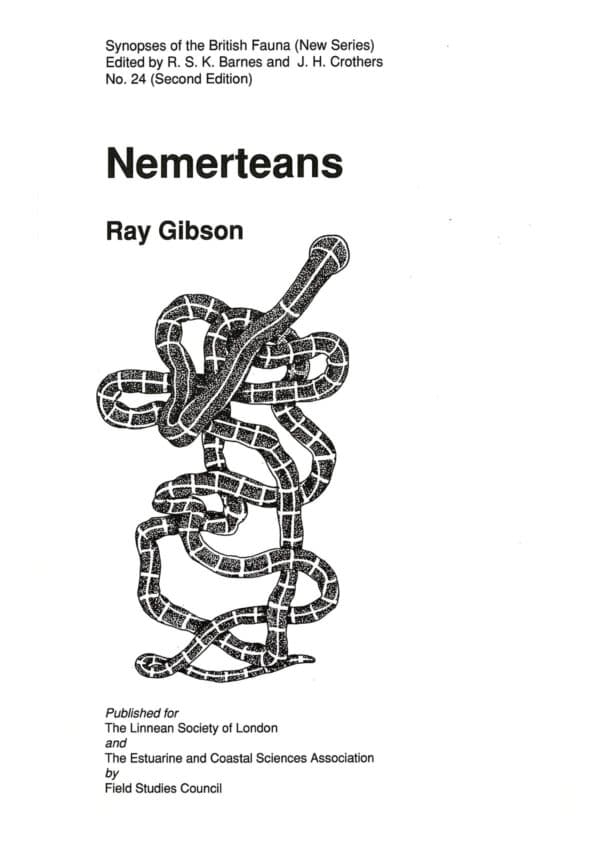
The Nemerteans Synopsis covers the identification of all 85 species of these worm-like animals.
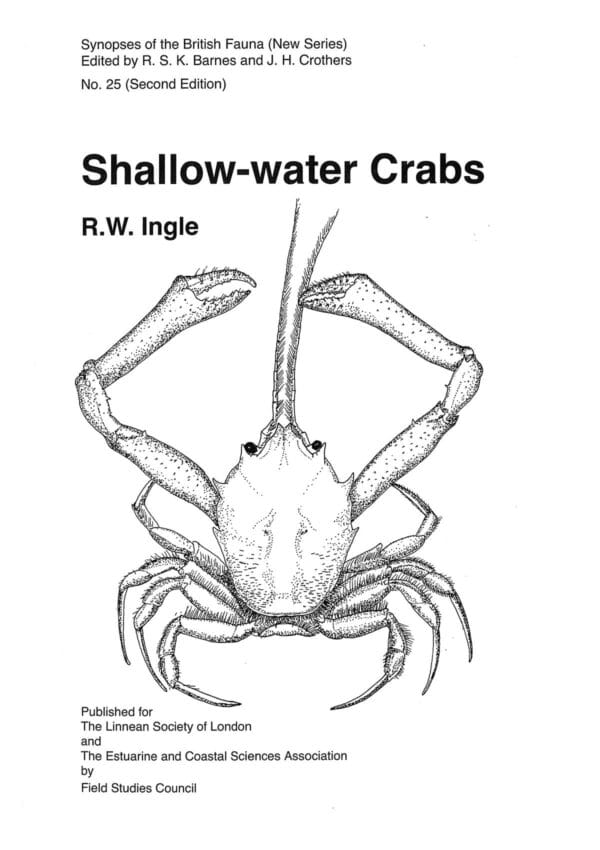
The Shallow-water crabs Synopsis (2nd edition) is a clear, concise and beautifully illustrated account of the British crab fauna.
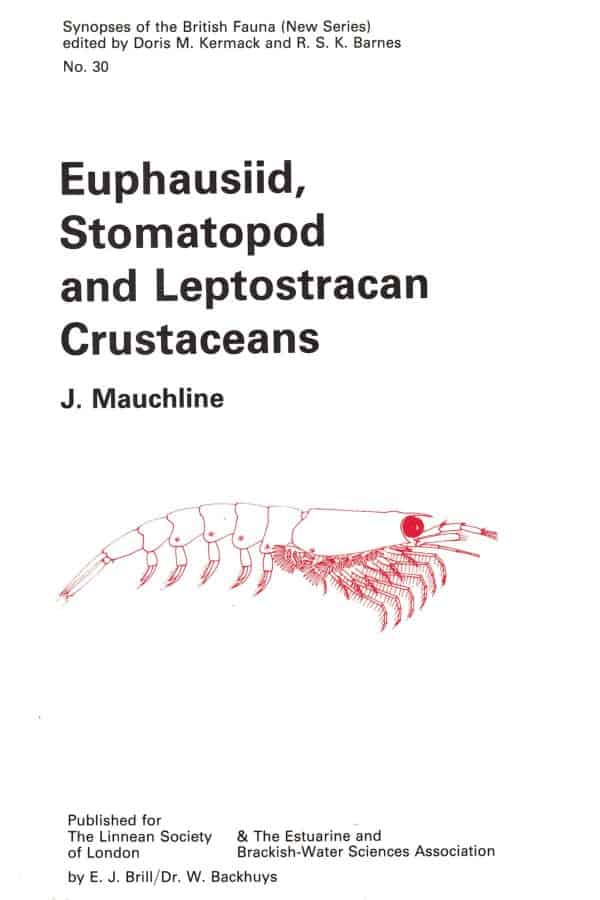
The Euphausiid crustaceans Synopsis covers 22 species within three orders of malacostracous crustaceans. These crustaceans are mostly found at depth, where they form part of the diet of commercially important fish.
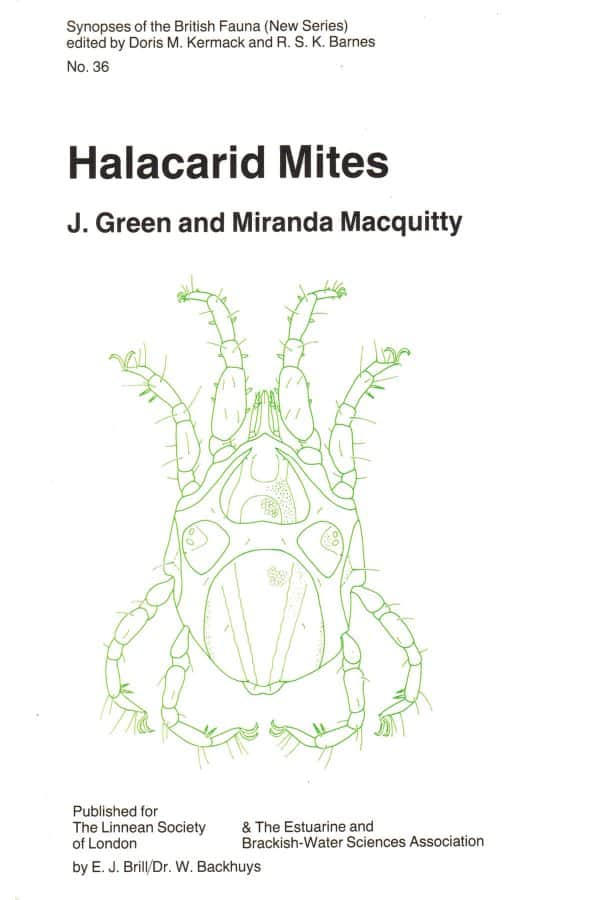
The Halacarid mites Synopsis is a guide to the 66 species found in marine and freshwater habitats in and around Britain and Ireland.
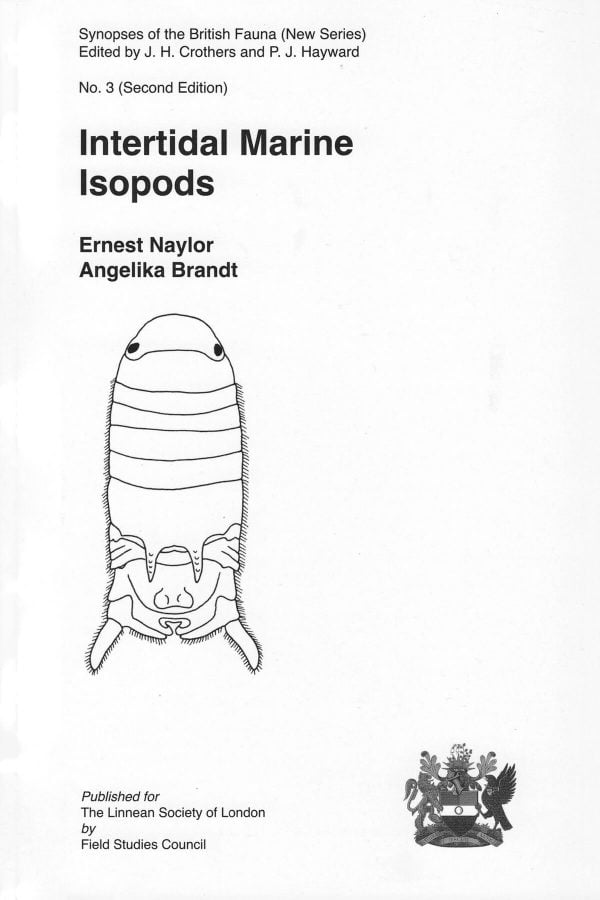
Intertidal marine ispods Synopsis is the second edition of this iconic Synopsis, replacing Naylor (1972). It has been brought completely up to date.
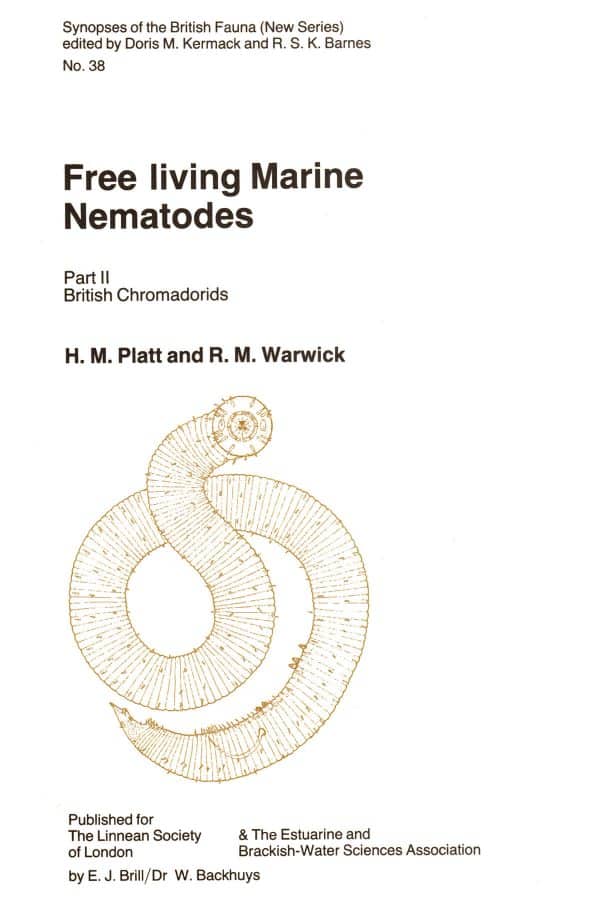
The Free living marine nematodes Synopsis covers the British chromadorids. The chromadorids are small nematode worms mostly less than 2mm long.