Cetaceans and seals guide
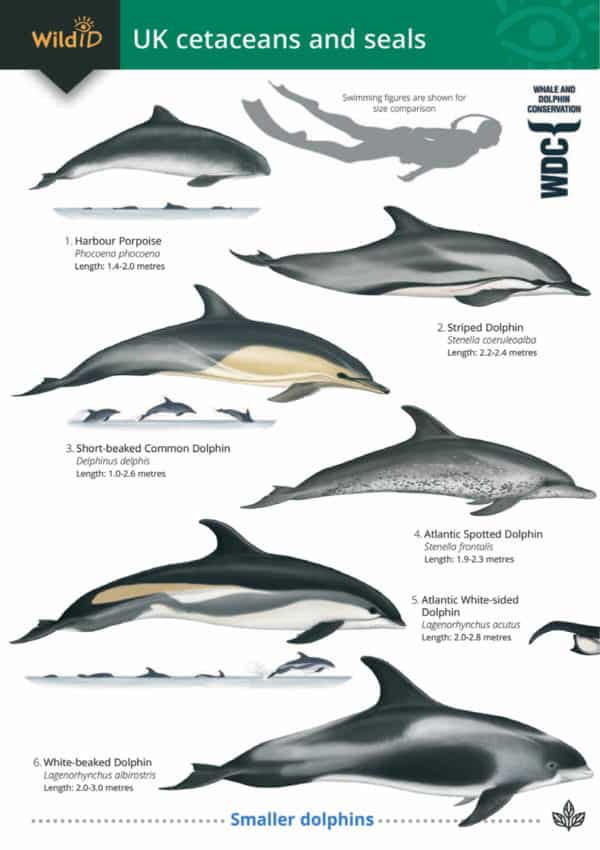
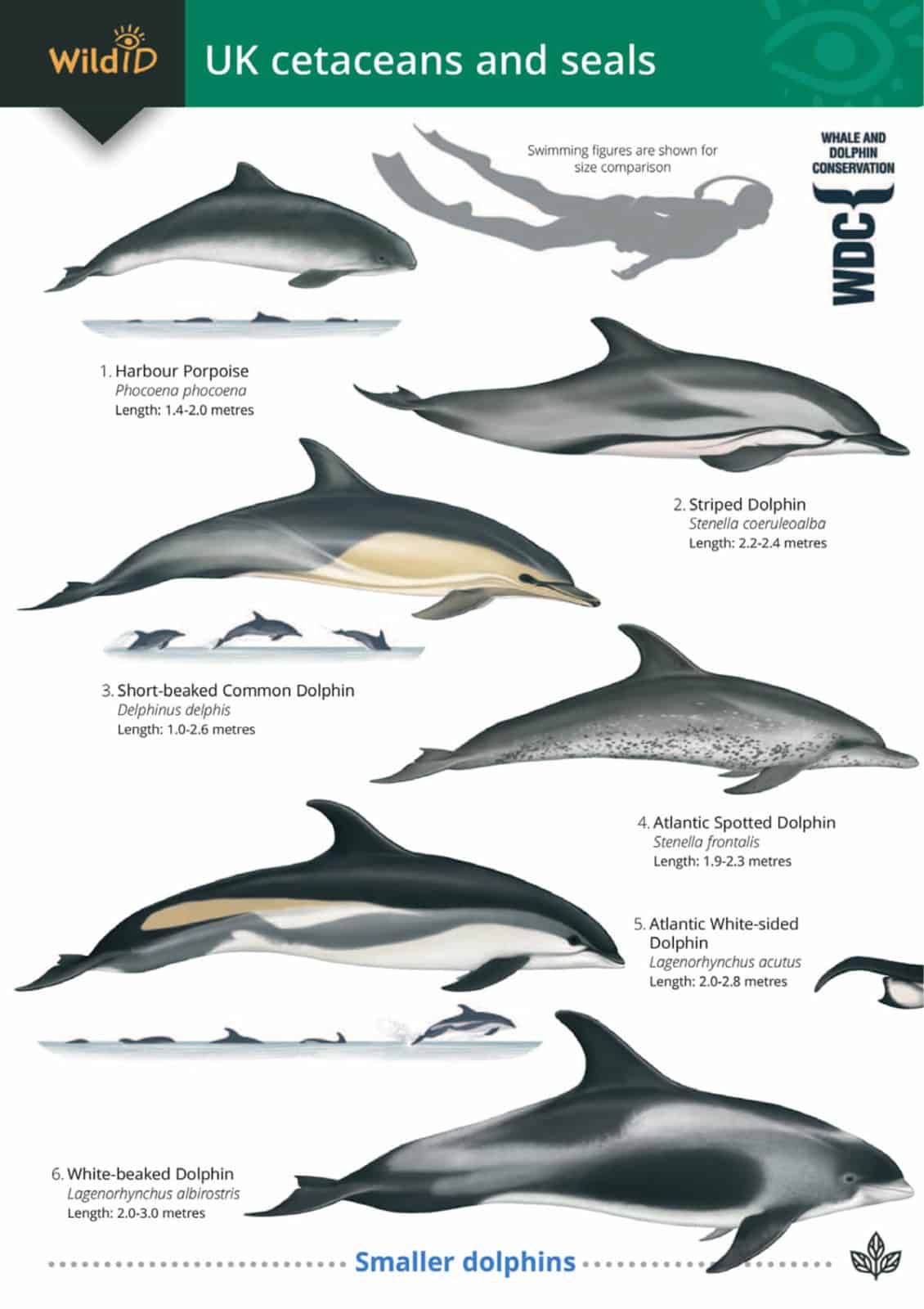
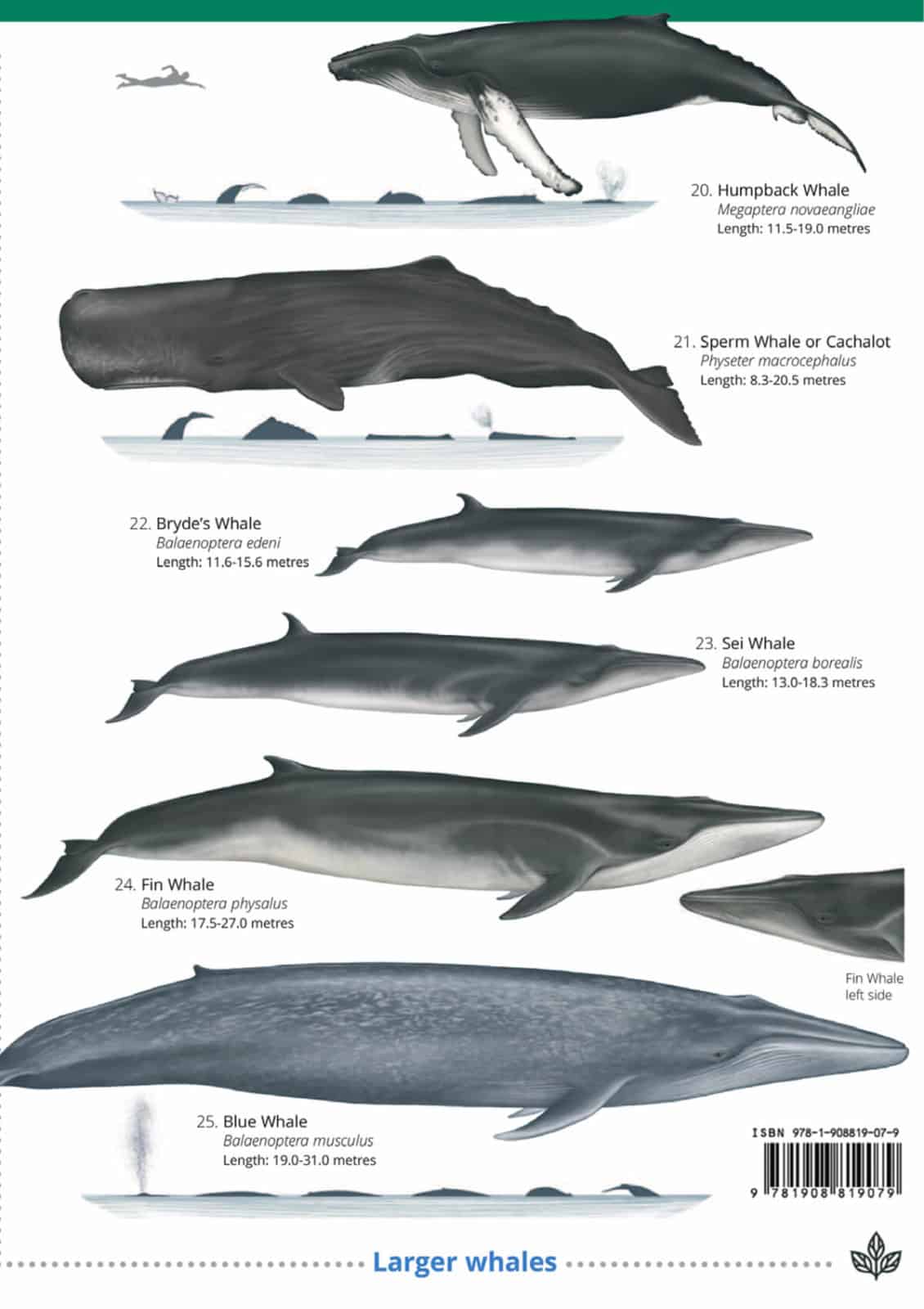
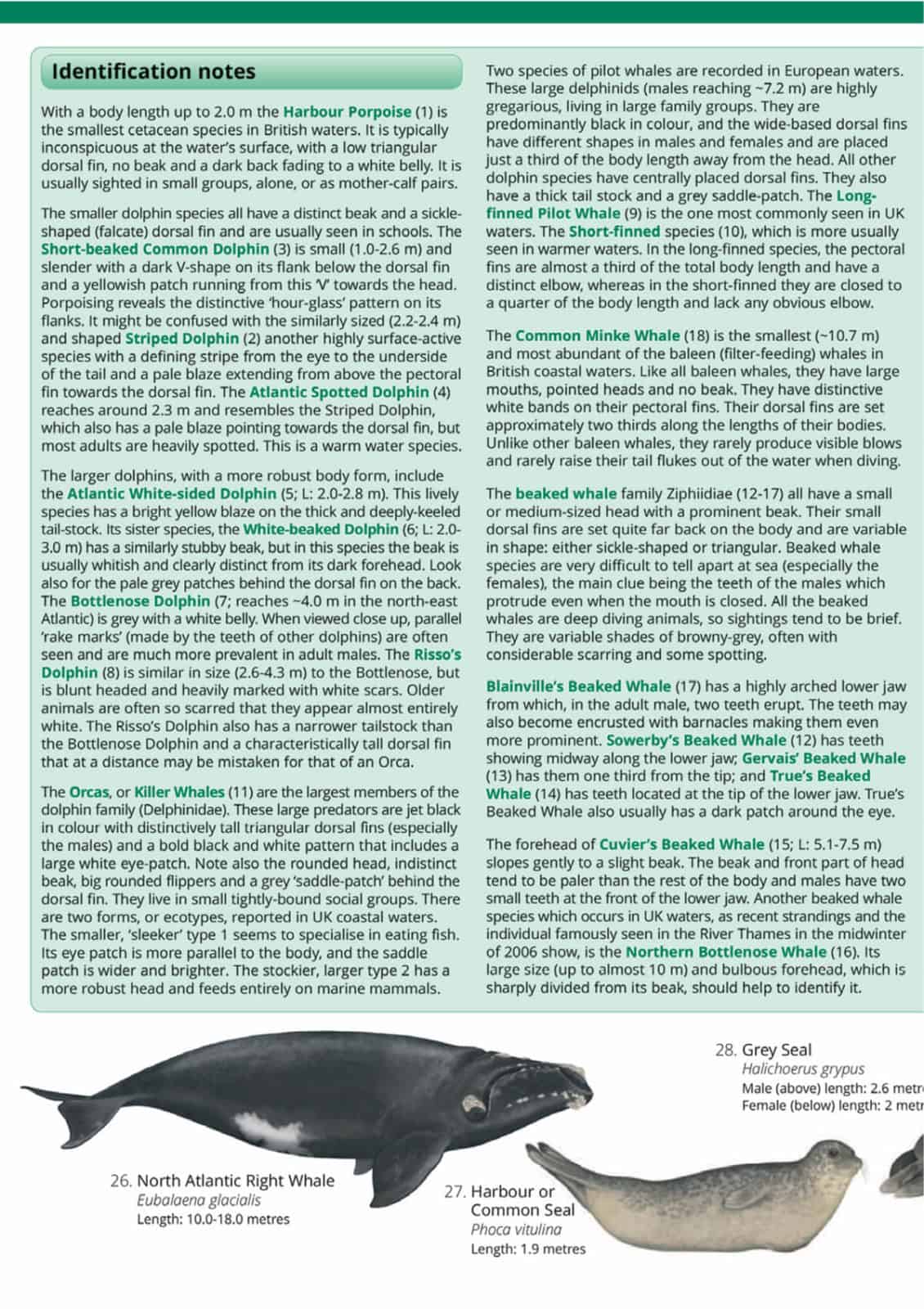
WildID Cetaceans and seals is an identification guide to marine mammals.
- Identification guide to 25 species of seals, dolphins, porpoises and whales
- Includes body features visible from the sea shore
- Practical for use outdoors: lightweight, rucksack-sized, splash-proof
There’s a wild world just off our coasts, and spotting dolphins, porpoises, seals and whales can be truly exciting. It’s thrilling to see a fin break the surface or to watch a dolphin leap from the water. Sometimes whole groups appear together, racing and splashing in a lively display.
Using binoculars or a telescope will help you spot details like the hourglass shape on a Common Dolphin. Closer to shore, Bottlenose Dolphins and Harbour Porpoises are the commonest species to spot. In addition, from land you might also see Common Dolphins, Risso’s Dolphins, Minke Whales, and White-beaked Dolphins. Meanwhile, larger whales and rarer species usually stay in deeper waters, so for the best chance of seeing them, it’s worth heading out on a boat.
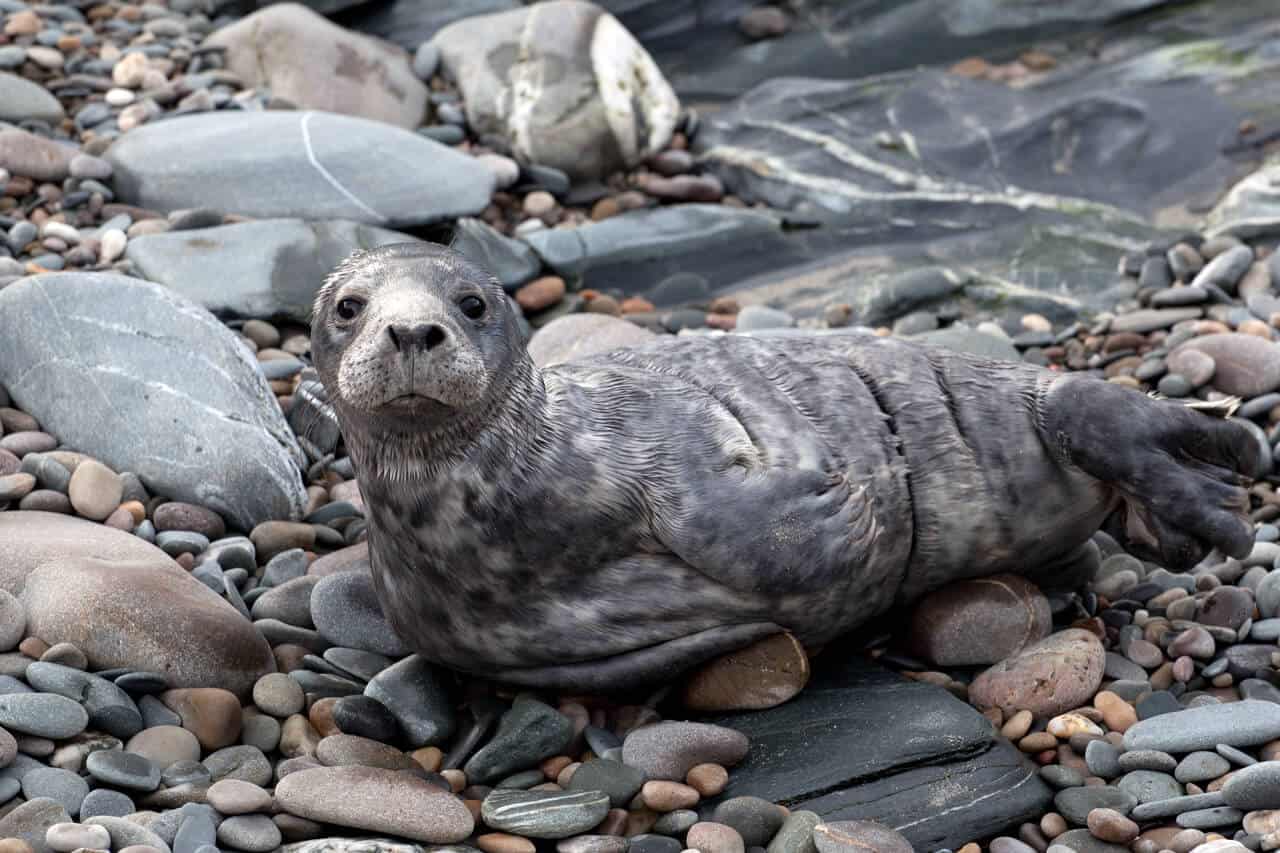
Whales, dolphins, and porpoises belong to the mammal group called cetaceans. They have special adaptations for life in water, such as streamlined bodies, small pectoral fins instead of limbs, and a tail fin that moves up and down. As well as the cetaceans, there are also two seals in Britain and Ireland: Common Seal and Grey Seal.
Field Studies Council worked with Whale and Dolphin Conservation to produce WildID Cetaceans and seals guide.