This informal but detailed general interest course will cover Somerset’s botany, geology and marine biology – you will also at the same time explore and learn about the Iron Mineral railway history through the botany seen on the line.
A notable coincidence for both the Nettlecombe and Slapton courses
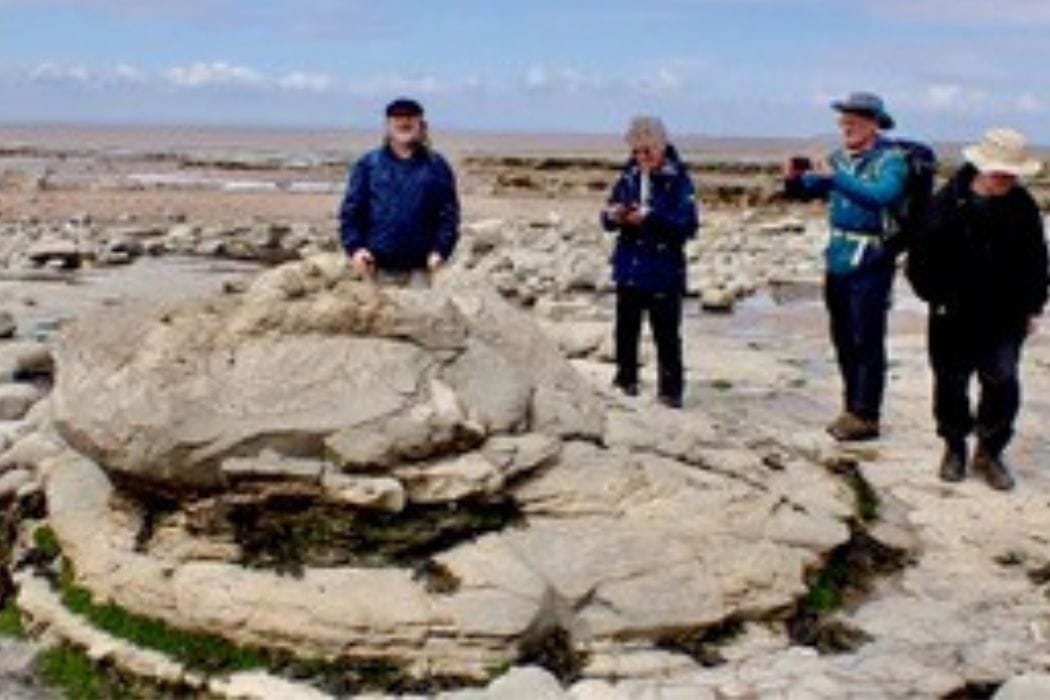
Very recently evidence of Devonian fossil trees 377 – 390 million years old have been found on both my Nettlecombe and Slapton course areas! They have been instrumental in reconstructing ancient coastal and island landscapes when the UK was nearer Saharan latitudes.
Read more
Beginners through to the more knowledgeable are welcome, as are interested children over 14, accompanied by their guardian.
Teachers may find it useful to learn basic geological features – detail will be made plain. Those looking to go on to study any of the three disciplines will find the course stimulating, engaging and motivational.
Geology and botany will make up most of the time. We explore the geology telling the story of the rising Tethys ocean that transgressed over the Triassic deserts to start the Jurassic period.
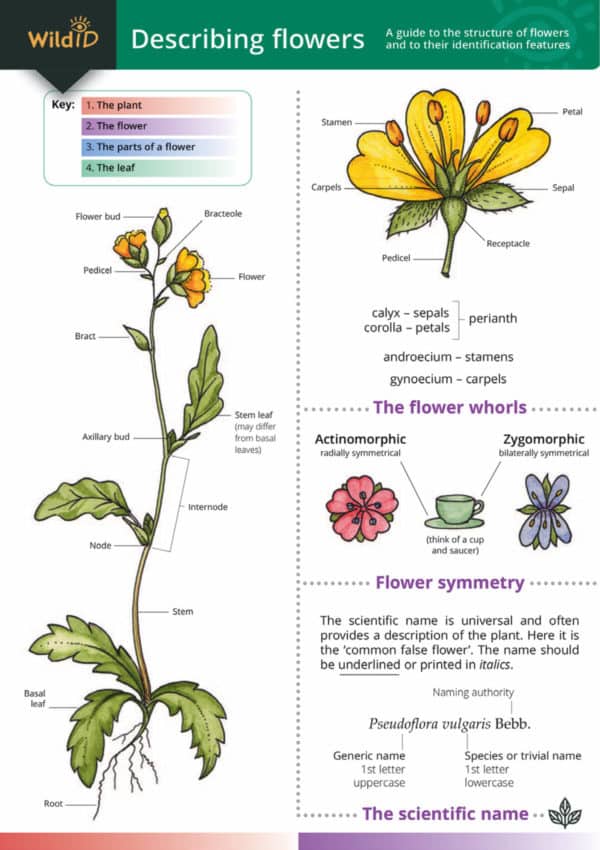
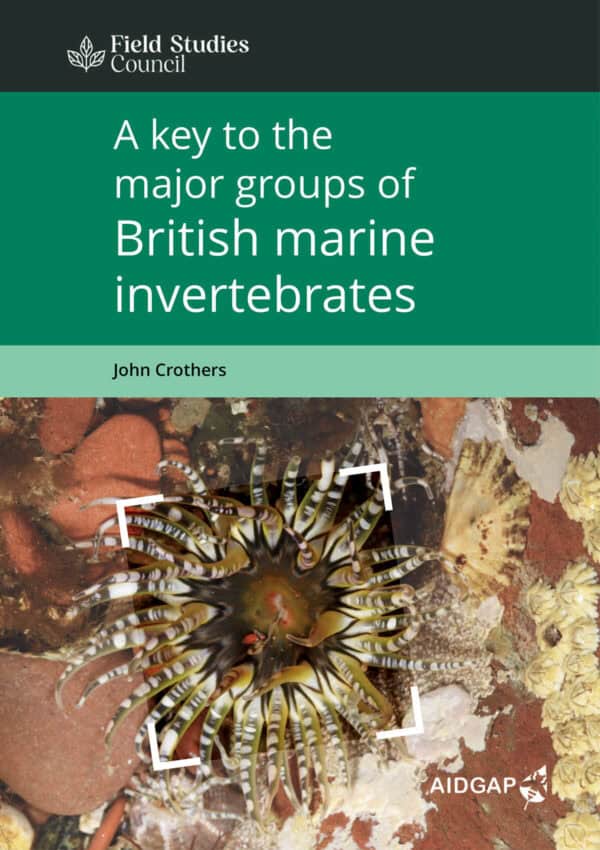
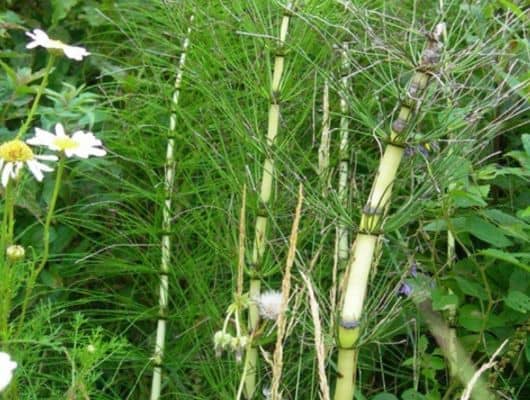
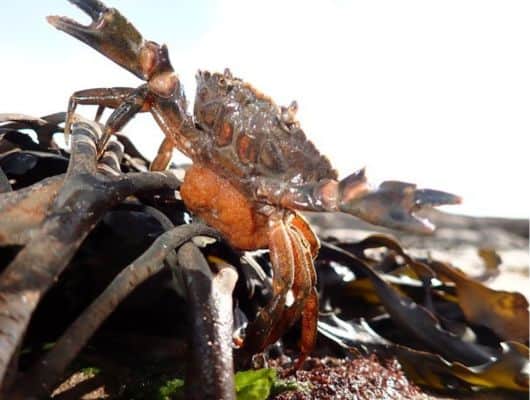
Botany will be done using English names learning the families with adequate Latin back up. You will discover, learn and hopefully ask about the many uses / notoriety of the species encountered – often with humour! We identified 330 species on the 2023 course! I would emphasise the Plant Families approach again which is the way I learnt. Marine biology will be encountered down low water where possible.
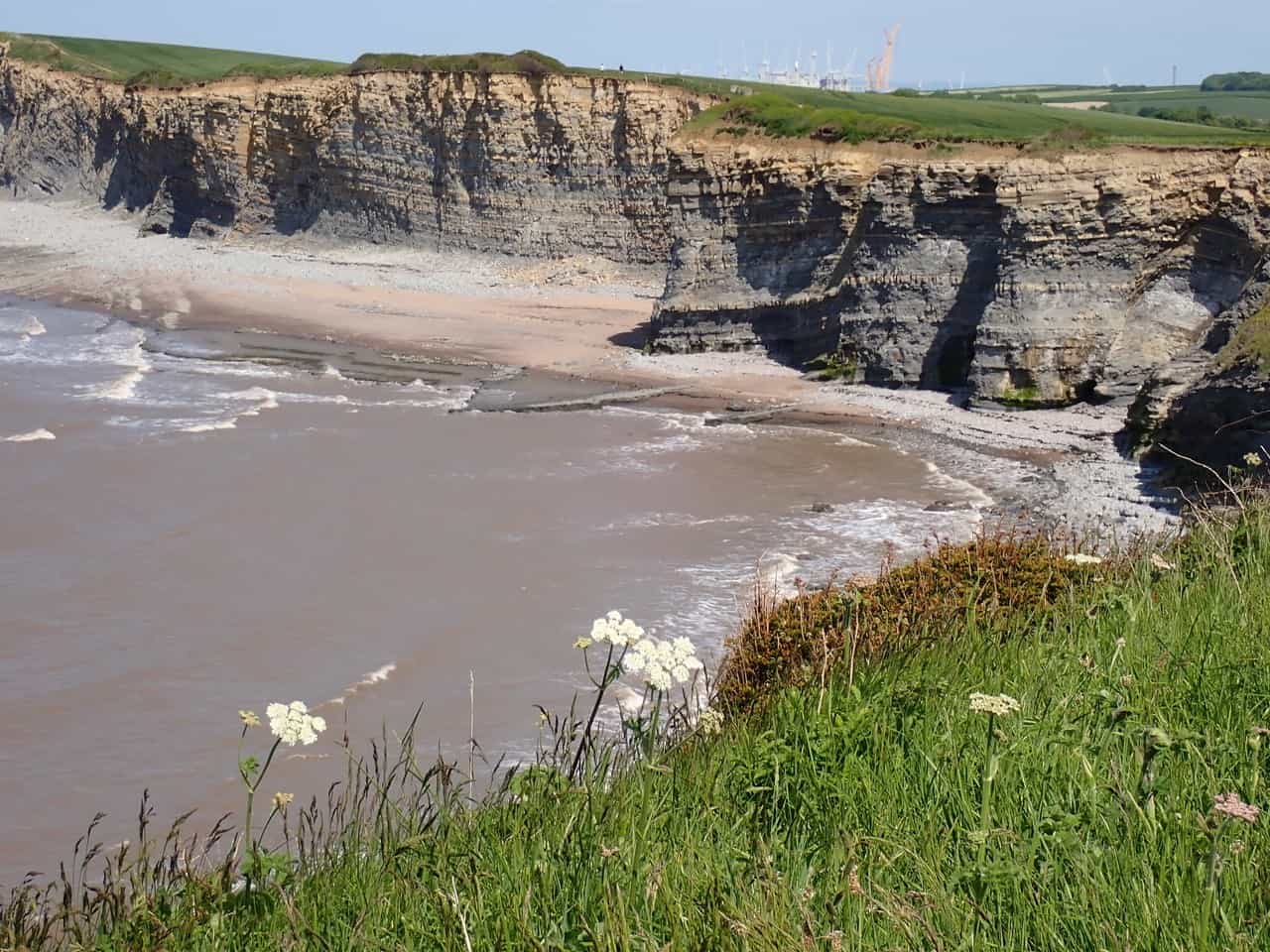
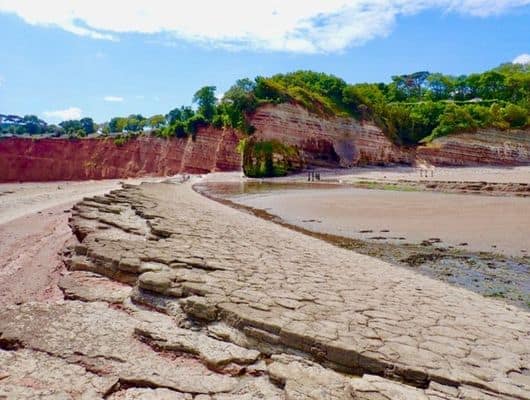
The striking headland, cliff, beach woodland and moor scenery reflects the geology and geomorphology – we learn how the plants relate to the rocks grown on how the sea has influenced and shaped the habitats encountered.
Fast moving local tides have the second highest range in the world after the “Bay of Fundy, Newfoundland – we take care ! There are also mud patches to avoid worth mentioning, we work around the tides!
There will be a special chart to “Tell the story”. If time allows we may meet up after dinner or sometimes briefly next morning before departing for the day.
If possible we will aim to run a moth trap each night and study its contents before departing for the day (weather permitting).
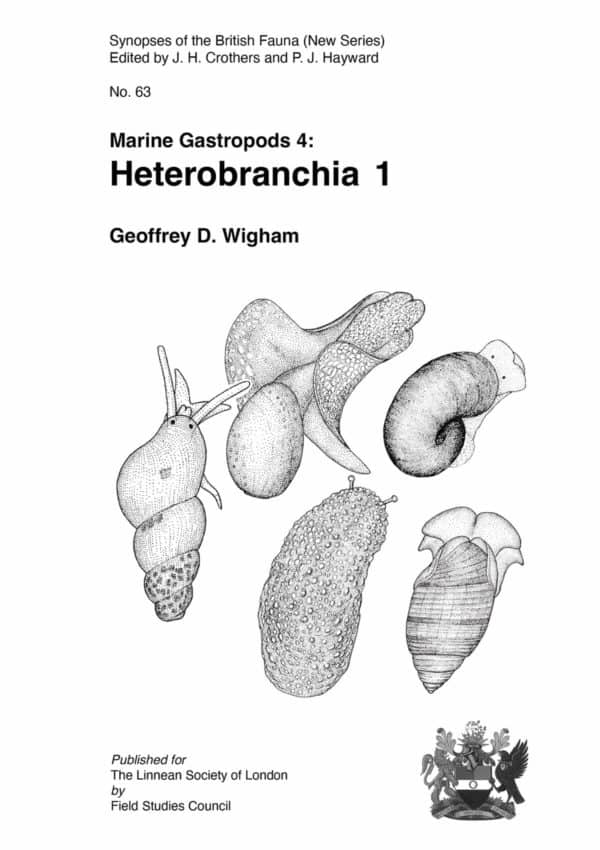
Here is a list of geology features likely to be encountered : Bedding plane, folding, anticline, syncline, overfold, joints, conjugate jointing, faulting, fault plane, fault throw, drag, breccia, slickensides, thrusting, ammonites, bivalve and brachiopods, crinoids, bone beds, bones, teeth, fish spines, sea urchin, coprolites, dip and strike, conglomerate, sandstone, shale, siltstone, mudstone, marls, dolerite, gypsum, anhydrite, dolomite, calcite crystals, pyrite, nodules, relay ramp, ripple marks, trace fossils, unconformity, extension, inversion, tufa, hydrocarbons, strike slip faults.
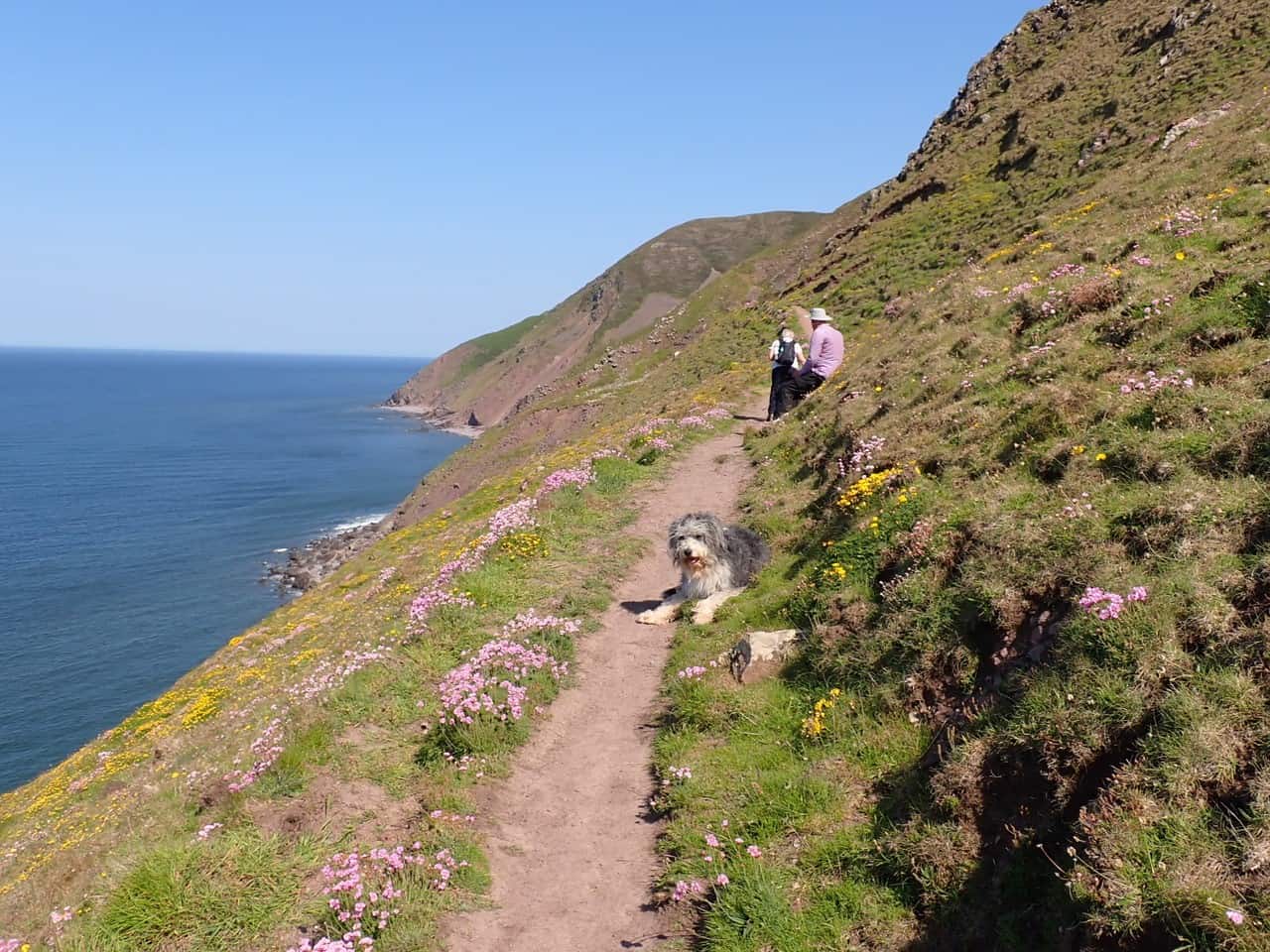
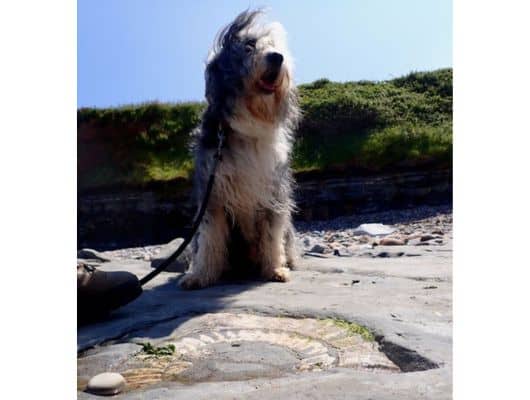
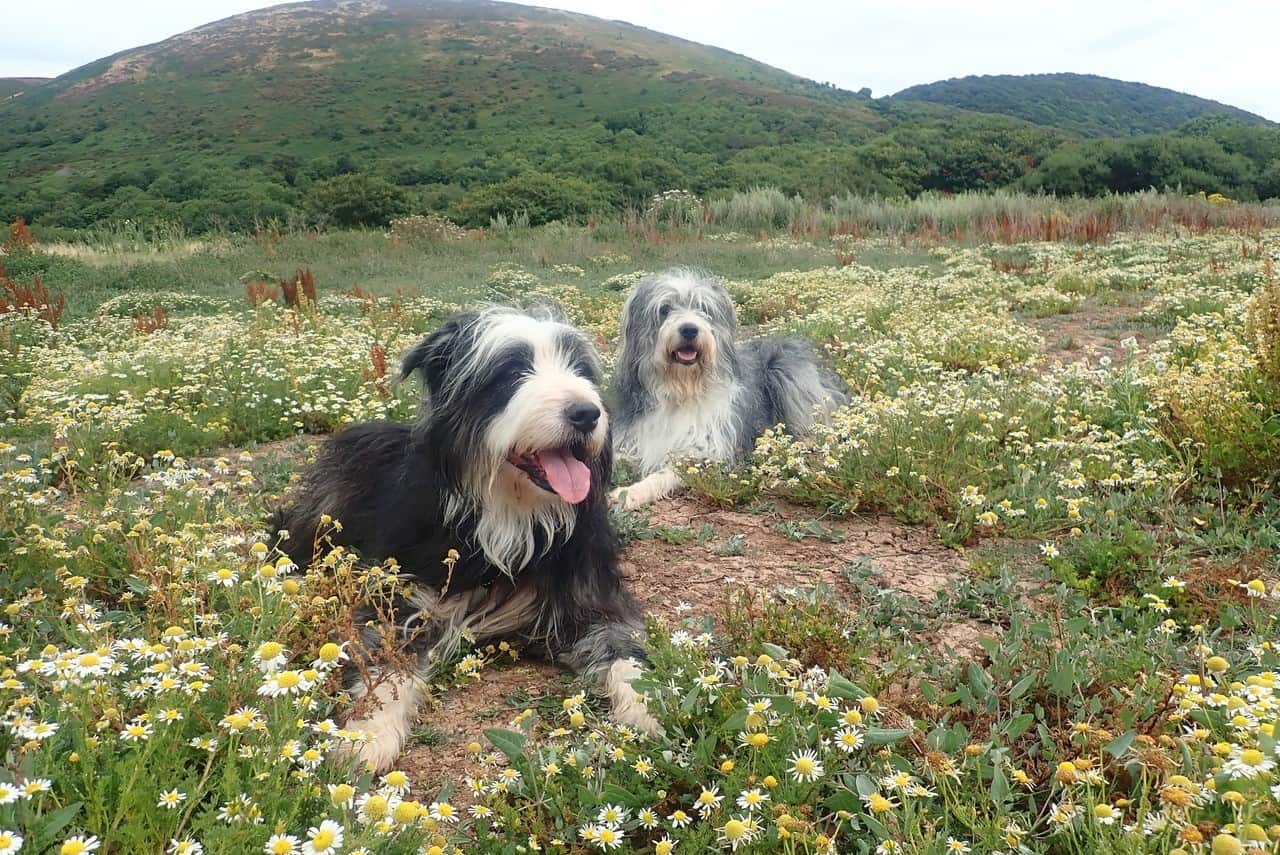
Please note that there are two very friendly bearded collies on this course, most have found that they added to their enjoyment!
Review of the 2023 course:
“The real joy of this course was that everything in the natural world was of interest and Martin and his assistant were very knowledgeable. There was even the bonus of moth trapping and ID most days. There was a huge amount crammed in (as usual for FSC in my experience) but Martin didn’t rush us and I had a relaxing and stimulating week.
My accommodation was comfortable and good value and Nettlecombe is a wonderful building in a delightful setting. The staff were all cheerful and welcoming and nothing was too much trouble.”
”
Review of a 2021 course:
“It’s hard to find a “hands on” marine biology course these days. Martin covered so much geology, botany and marine biology that all related to each other and the surrounding landscape. He made it equally understandable for both the academic and lay person. This is a skill in itself. The use of the lab with all the samples and diagrams helped reinforce what we learned out on site each day. Having the dogs around added another wonderful dynamic.”
Please note: This course is not part of the Biodiversity learning framework, this course is organised by Nettlecombe Court and the tutor.
About the Tutor
Martin Summers BSc.Geol Dip Ed. Martin is a geologist, naturalist and specialist teacher / ranger using the environment. He specialises in an informal but concise teaching style, stemming from learning much of his botany knowledge over 60 years ago as a child. He has been a geologist in Africa”
Formerly a keen marathon runner he achieved Welsh National Marathon champion in 1983, winning 5 out of 40 marathons run.
Martin has two very friendly bearded collies on this course.
He has been running the very popular A Field Study of the Geology, Botany and Marine Biology in South Devon for 23 years.
If you wish to contact Martin to talk about the course please feel free to email him on [email protected]
Reviews
A very enjoyable and informative experience!
“I attended a week long geology, botany and marine biology course run by the Field Study Council. It was thoroughly enjoyable and very informative. The Centre’s staff were very friendly and helpful. The breakfasts and dinners were excellent and varied. My room was basic but comfortable and clean. The location was charming in a secluded valley. I have attended other Field Studies Council courses elsewhere and knew what to expect – this is not a luxury holiday but a place for serious studying!” – Karel De Pauw
Explore our range of nature courses hosted by our engaging tutors and learn from their expertise and knowledge. Our nature experiences are a chance to meet like-minded people, a chance to unwind from everyday life, and a great opportunity to experience the UK’s glorious wildlife and the surrounding countryside of our field centres.
This course is open to participants aged 18 and over only. For under-18s, please contact the centre directly or see our young people courses and activities for families.

Example Timetable
Thursday
Arrive 16:00
Evening
Introduction to the course after dinner
Friday: Watchet
Morning
We walk the Mineral railway track botanising. Excellent introduction to how the botany reflects the rock type when we take a minor detour at a level crossing - some fascinating woodland. We learn about the railway too of course.
Afternoon
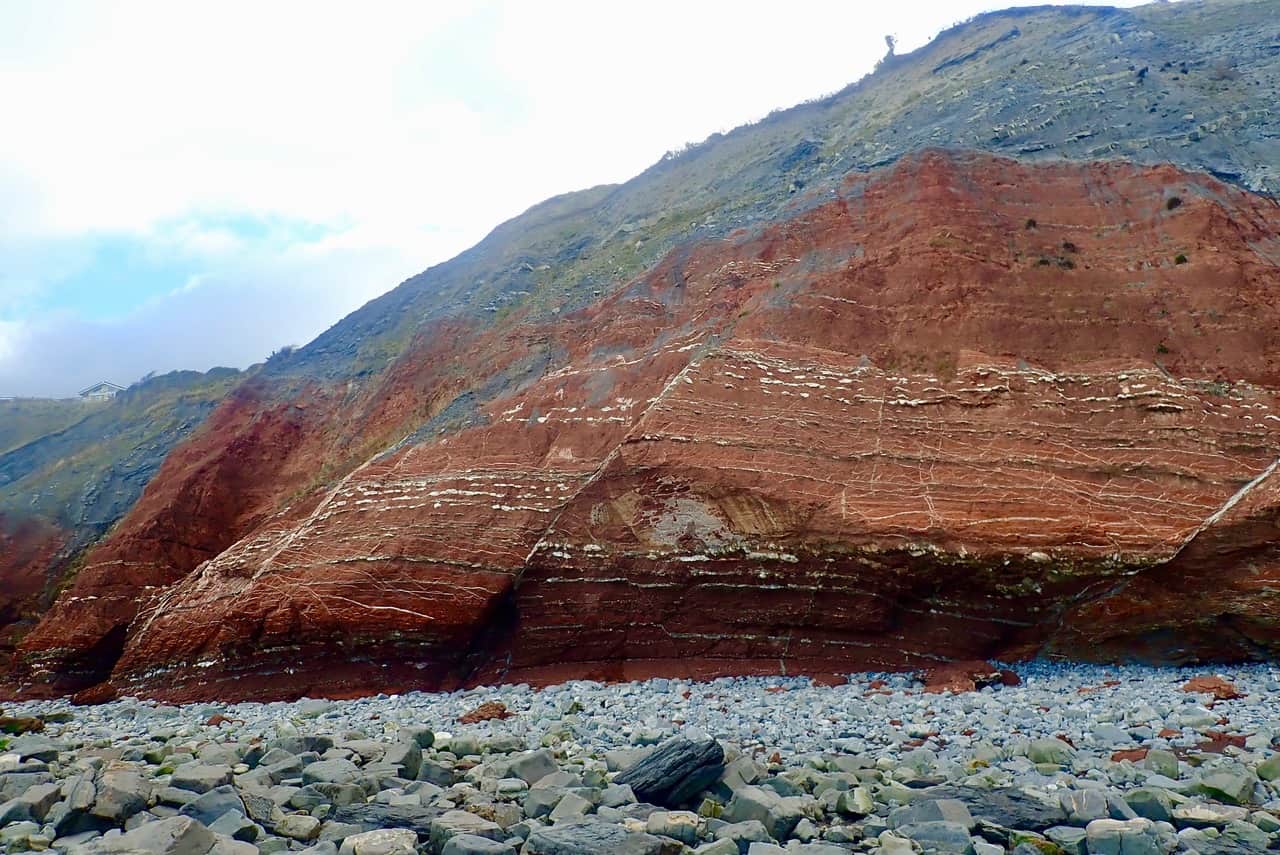
We explore West Watchet beach discovering the red Triassic marls & grey Jurassic limestones. Expect some surprises in the structurally faulted and folded strata - Alabaster gypsum is one, ammonites, bivalve shells and there is always the chance of vertebrate fossils such as reptiles - terrestrial or marine ! All the geology conspires to tell the story of the advancing Tethys sea over the Triassic deserts to result in the tropical Jurassic oceans. Marine biology will feature but be minor as we use the available tide time to best effect.
Saturday: Porlock
An all day visit to this unique bay to observe the salt marsh and how it has developed since the mid - nineties breach by the sea of the freshwater Ley. Lots of botany - we may go up to Hurlstone Point where there are great views over the bay. Contrasting woodland to reach the point. Some excellent Devonian folding can be seen in the headland, a disappearing stream beneath the ridge adds to the appeal. As it will be July, the many and varied salt marsh plants will be well up - Samphire grows here.
Sunday - Blue Anchor Bay
Morning
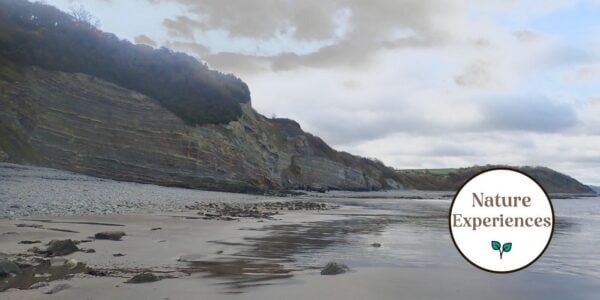
We explore the beach and cliffs of Blue Anchor - The story in the rocks is well shown here in the cliffs - some great fossils to observe and find, including reptile, fish and other life indicative of changing times 200 million years ago. Marine again will be minor but will feature. There is a superb bone bed to get up close to and study marking the transition to the lower Jurassic seas.
Afternoon
We walk the coastal path along a fascinating shingle ridge botanising, recording what we see, including butterflies and moths. April 2024 saw a powerful storm change the ridge, expect new colonising flora when exploring exploring 2 years on.
Monday: Kilve
A day spent exploring the foreshore, beach, cliffs, limestone grasslands and maybe the woods if we have time. The varied geology represents climate change circa 200 million years ago. Large ammonites to discover. The mud volcanoes are particularly fascinating with their closely associated fossil fauna - tiny ammonites here ! One can imagine what it would have been like to be on the ancient Jurassic sea floor. Unusual "bedding plane” parallel rockpools to explore for the “modern" marine side.
Tuesday: St Audrie's Bay
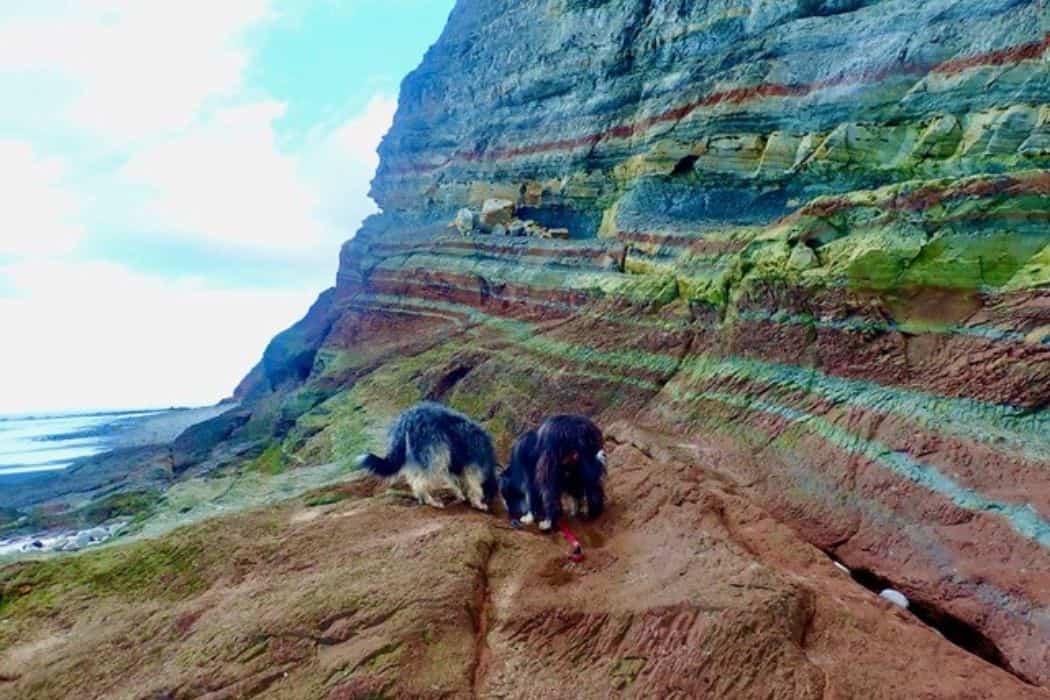
The strata are less affected here by folding or faulting so the “story” of the advancing Tethys sea over the red Triassic marls is very clear. Red, green and grey banding along with seismically affected strata make for great learning.
Wednesday:
A morning trip to Gupworthy incline plane” to "sum up” the course. Depart.
Extra possible locations…..
We may fit in around time / tides / weather visits to additional locations.
Please note: We may have to pause briefly to get onto beaches if tides and onshore winds affect access. Sometimes tidal access might make us arrive back at suppertime or even a little after by arrangement.
What's Included
-
 Expert Tuition
 -
 Free Wi-Fi
 -
 Full Board Accommodation
 -
 Hot and Cold Drinks
 -
 In Course Transport
 -
 Picnic Lunch
Before You Attend
You need to be reasonably fit too do the course. The rocky beach terrain is often rough with boulders, sand, gravel and sometimes mud which we will avoid. Away from the shore line walking is easier, but you still need stout footwear and competent clothing.
What to Bring
- Casual and some warm clothing
- Waterproofs and wellingtons
- Stout trainers / walking boots
- Floppy sun hat
- Lunch box, salad box and flask / drink bottle
- Note book, pencil, camera / binoculars
Please note: due to the layout of Nettlecombe Court there are a limited number of single and twin rooms available on this course. Please call the centre to discuss availability.
Recommended Reading
- Collins Flower Guide D. Streeter. ISBN 978- 0- 00- 718389- 0. - Our botanical tick list is based in order on this comprehensive book.
- The Geology of Watchet & its Neighbourhood, Somerset Eric Robinson. Geol Assoc Guide No 66 ISBN 978- 0900717 — Excellent Booklet, easy reading and all relevant to course
- The Geology of Somerset Peter Hardy. ISBN 0 -948578- 42- 4 - Good reading.
- The Minehead district- a concise account of the geology British Geological Survey. ISBN 0 - 11-884544- 6. More for geologists but some great detail .
- Lyme Bay fossils ! Beach guide. Nigel Clarke ISBN 9- 780907- 683407 Same fossil groups as Lyme Regis, Small booklet with diagrams makes fossil ID easier.
- The Old Mineral Line - R J Sellick - ISBN 978 - 0- 85704- 188- 3. Booklet
Opportunities to attend this course
-
Thu 03, September 2026 16:00 - Wed 09, September 2026 10:00
Please contact Martin directly via [email protected] if you would like to find out about reserve places on this course, or learn more about all his courses.
Please see Martin's other popular opportunity A Field Study of the Geology, Botany and Marine Biology in South Devon which has been running for 23 years.