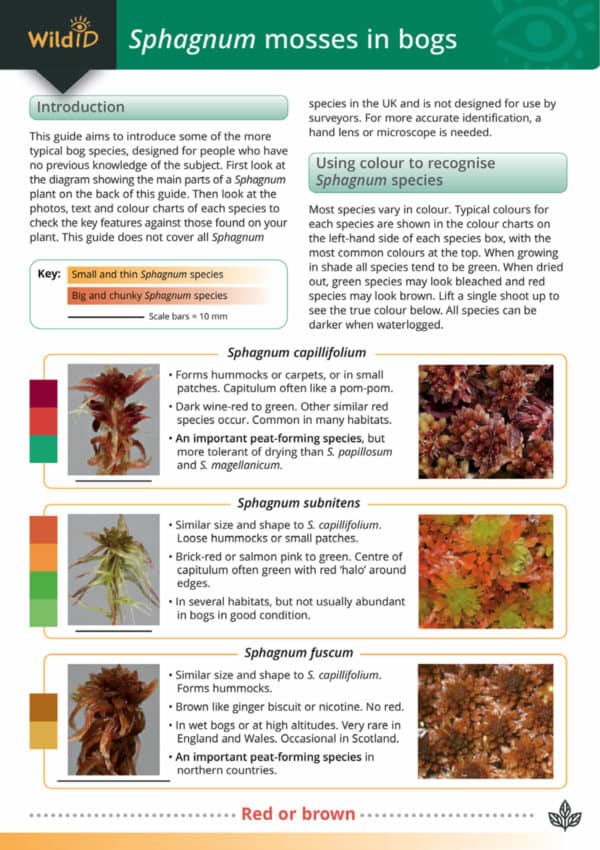
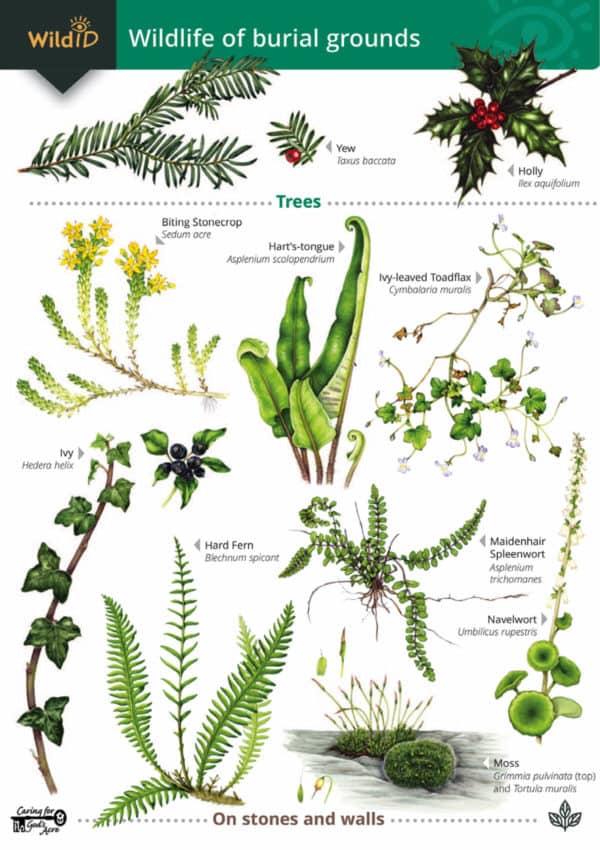
This beginner to intermediate 2-day course is a great opportunity to learn more about mosses and liverworts.
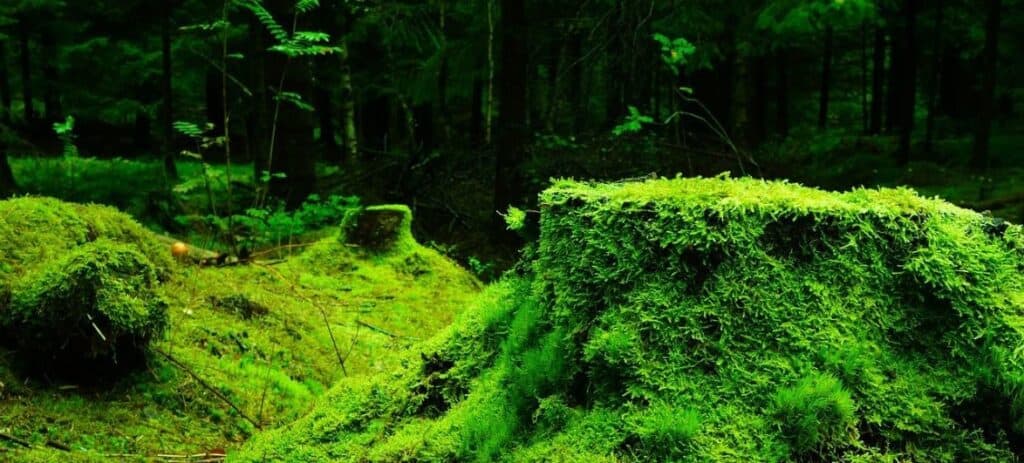
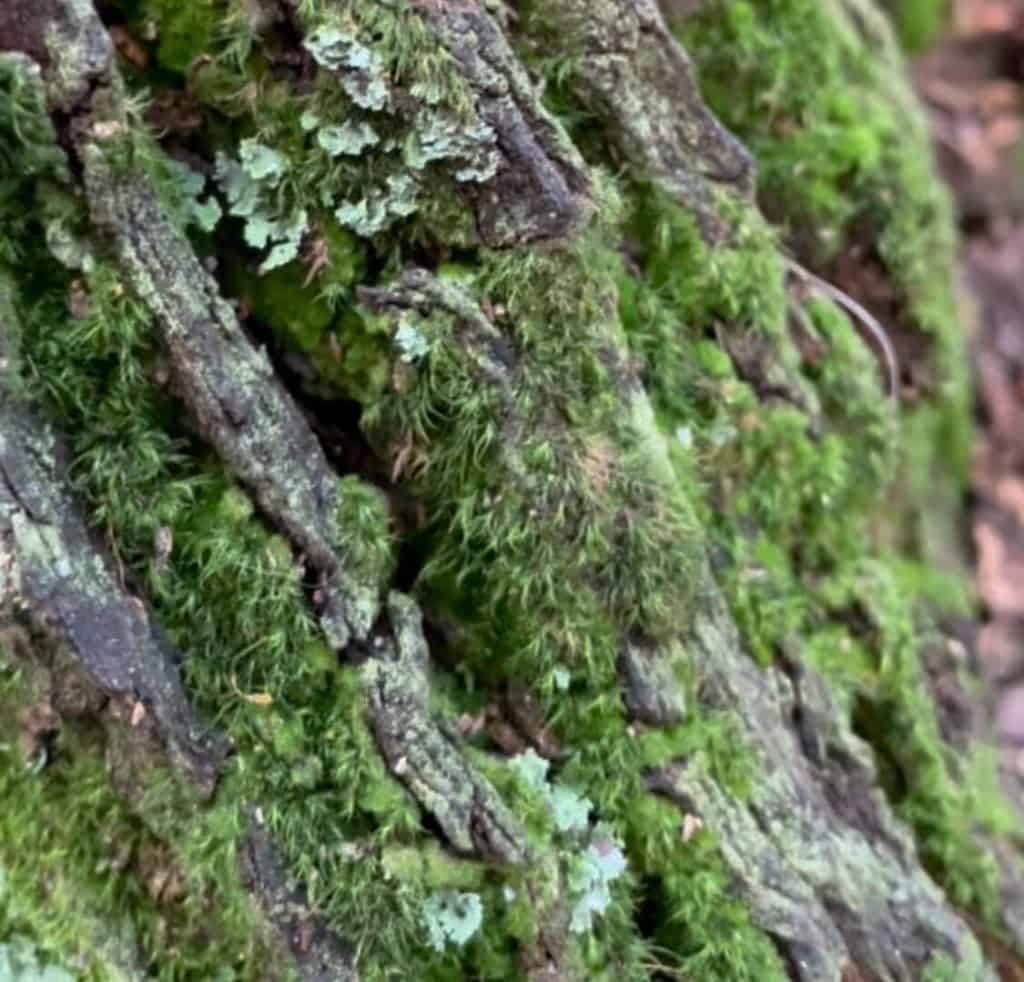
Despite their small size, mosses and liverworts are beautiful, often structurally complex organisms, which reveal their secrets when looked at under a hand lens or microscope. Bryophytes play a critical role in many of our most important ecosystems, particularly peatlands and temperate rainforests, and yet they are often overlooked. This course is suitable for beginners but will also appeal to those who have a basic knowledge of bryophytes and wish to learn more about their identification, both in the field and under the microscope.
What will be covered in the course?
- Introduction to bryophyte features in the field
- Identification skills in the lab
- Using field identification keys and microscopic keys
Read More
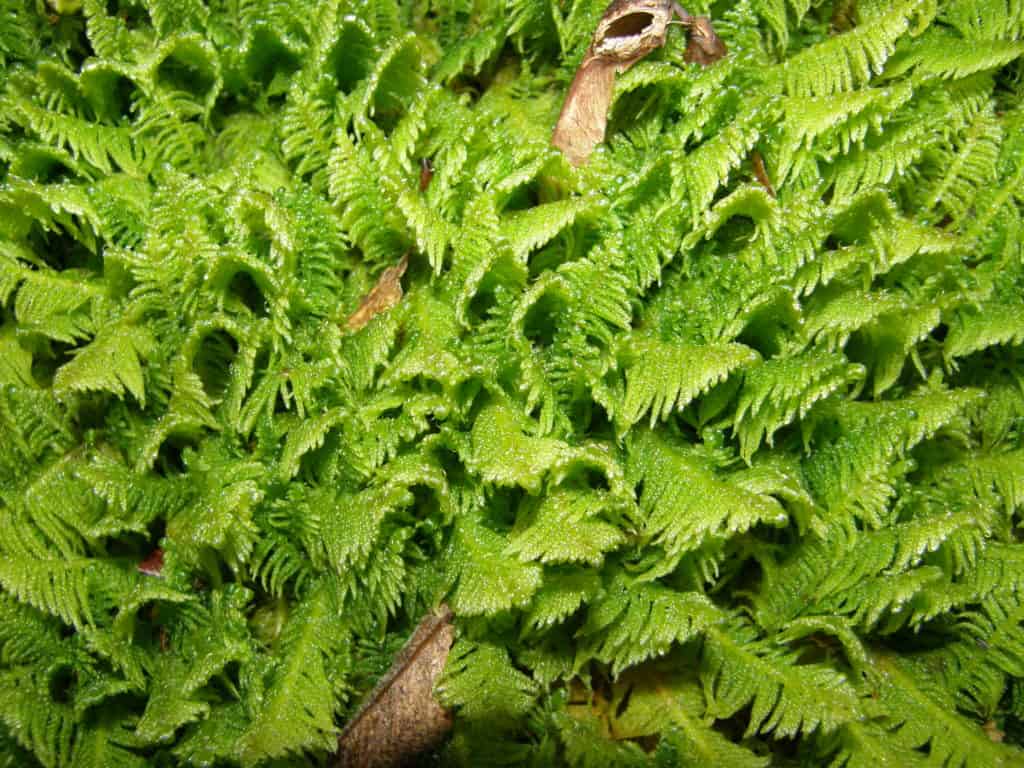
During the course, participants will be shown many species of mosses and liverworts which grow profusely in the damp North Wales climate. The course will consist of lab-based work as well as field excursions, during which specimens will be collected to be analysed under the microscope.
By the end of the course:
- You will learn about the morphology of bryophytes and the main differences between mosses and liverworts.
- You will become familiar with the vocabulary used to describe diagnostic features of mosses and liverworts.
- You will learn the diagnostic characters of different species in the field, then observe them in detail under the microscope to consolidate your leaning.
- You will learn how to dissect mosses and liverworts and prepare slides to use for microscopic identification.
- You will use field keys which will allow you to identify many species from characters visible under a hand lens, as well as microscopic keys for identification of more cryptic species.
- You will learn about the ecology of mosses and liverworts, including what habitat you can expect to find them in and what conditions they thrive in.
Who Should Attend? – This course is for adults 18+ (see FAQs), aimed at natural history enthusiasts, students, conservation professionals and ecologists.
Knowledge Level – Beginner to intermediate. Level descriptors can be found on the following webpage: Framework and Course Level Descriptors
Prior Knowledge – No prior knowledge required.
PLEASE NOTE: If we are unable to reach viable numbers for this course, we will inform you of the course cancellation 4-5 weeks prior to the course run. Please see the ‘What’s Included’ section for information on accommodation and meals options.
Bookings will close if course capacity is reached.
Please email [email protected] if you have any questions.
About the Tutor
Lucia Ruffino
Lucia Ruffino is a bryologist and free-lance botanical surveyor living and working in North Wales. Lucia’s botanical knowledge has developed over the years from an amateur background and she now specialises in NVC surveys in upland and peatland habitats.
Example Timetable
This timetable is subject to change but should give a clear outline of what to expect
Please arrive in time for the course to start promptly at 9:00am on Saturday.
Please note, there will be an optional evening microscope session on the Saturday 19:15- 20:30 if you would like to attend.
Lunch is not included, so please bring your own food. Refreshments (tea and coffee) will be provided.
Saturday:
9.00-11.00 Classroom introduction with practical activities
11.00 – 11.15 Break
11.15 – 15.00 Field excursion, including time for lunch
15.00 – 18.00 Lab session
19.15 – 20.30 Evening microscope session – optional
Sunday:
9.00 Meet at the centre and leave for the field excursion
12.00 Return from field excursion, including time for lunch
12.45 – 15.00 Lab session
15.00- 15.20 Break
15.20 - 17.00 Lab session until finish time
What's Included
-
 Expert Tuition
The course includes:
- Classroom learning covering the theory of the species
- Field excursions to apply new knowledge
- Expert tuition for which the Field Studies Council is renowned
- Clear objectives and progression
- Refreshments (tea and coffee)
You can rest assured that the absolute best content from an expert in environmental education will be provided. In choosing a Field Studies Council course, you will be joining thousands of people who learn with us each year.
Accommodation and meal options
We would recommend that when purchasing accommodation and/or travel, you should take out your own insurance.
For some course runs at Field Studies Council Centres, there may be the option to book accommodation with your course. Please email [email protected] to enquire about availability.
Bursaries and Subsidies
Student Discount
This course is eligible for a student discount. If you are a current student, please use discount code BioStudent20 at checkout for 20% off all Biodiversity courses.
Natural History Bursaries
There are a number of natural history bursaries available to help with the cost of your course. To find out if you and your chosen course are eligible, find out more here.
Before You Attend
There will be a member of staff with first aid training and access to a first aid kit on site. If you have special medical or access requirements, please let us know as soon as possible so we can plan the course.
Please Bring:
- Notebook and pencil
- Camera to capture images
- Please bring your own refreshments & pack lunch
- Sensible footwear and clothing for being outdoors
- Scrap paper to make moss packets
If you have them:
- Hand lens (x20 if possible)
- Bring your own microscope/s if you have them. Both dissecting and compound microscopes will be used during the course.
Recommended Literature
- Atherton I, Bosanquet S, Lawley M (2010). Mosses and Liverworts of Britain and Ireland – a field guide’. British Bryological Society.
- Look at the British Bryological Society website for information about bryophytes, including resources for bryophyte identification and events in your local area.
- Download the free microscopic keys to mosses and liverworts found on the BBS website: Home/Resources/ Bryophyte identification/ General resources/Hodgetts, N. 2025. Keys to British and Irish Bryophytes.
Opportunities to attend this course
This course is not currently available to book. Dates will follow soon.
Sign up to our Email Newsletter
No current dates for this course? Click here to view all the upcoming Natural History courses.
Sign up for the Biodiversity Newsletter to be the first to hear about new course dates and to get early bird discounts!
Progress Your Learning
This is a training course from the Field Studies Council, delivered by expert tutors with an approachable learning style. After attending this course, you may like to progress your learning with further relevant courses or branch out into other areas of natural history. The Field Studies Council offers both online and in-person courses, so you can choose the learning style that suits you best.
The course gives you the opportunity to immerse yourself in a new subject and acquire novel skills. Our online portal gives you time to study at your own pace and fit the lessons around your own schedule.
If you have any questions about our online courses please check our Frequently Asked Questions
Please email [email protected]g if you have any questions.
Group Bookings Made Easy
If you have a group of 10 or more individuals wanting to complete one of our courses, our team are available to discuss your options – from discounts to private team courses. Find out more!
You can rest assured that the absolute best content from an expert in environmental education will be at your fingertips. In choosing a Field Studies Council course, you will be joining thousands of people who learn with us each year.