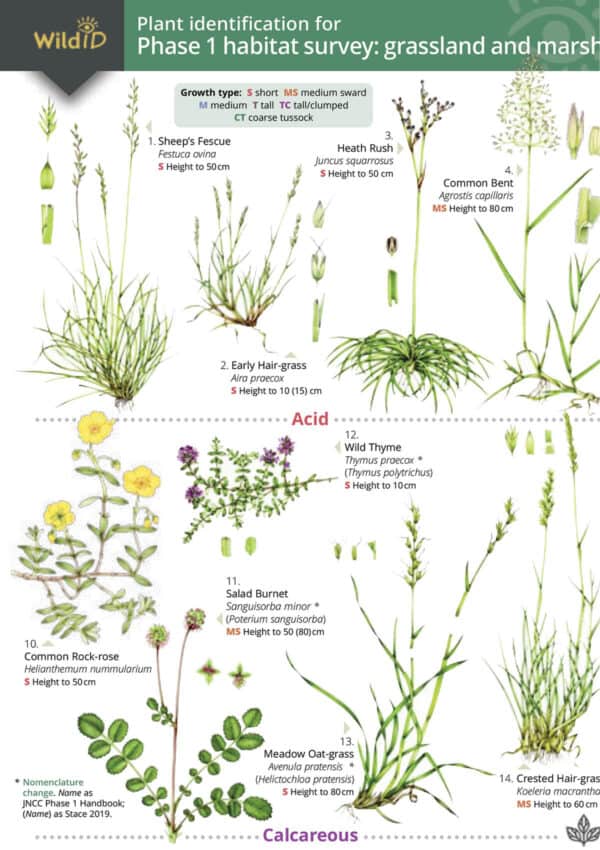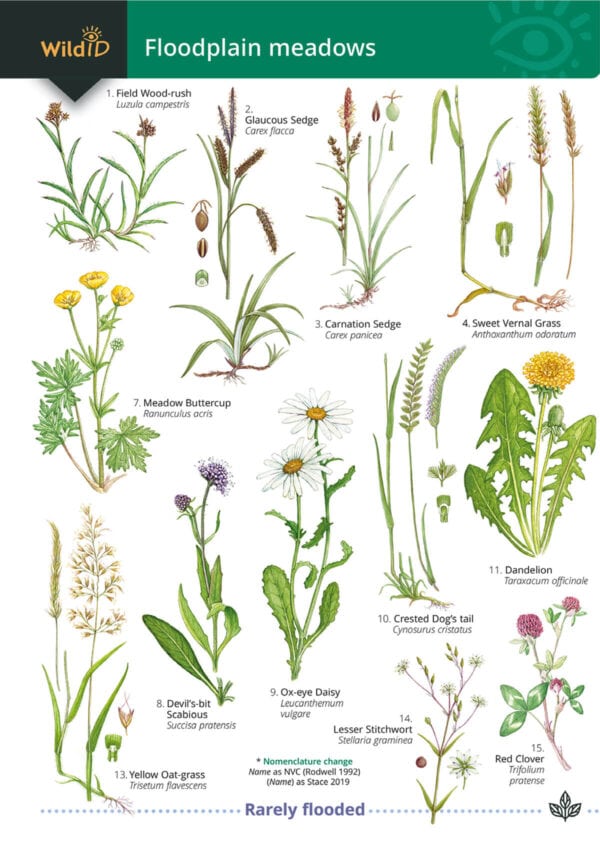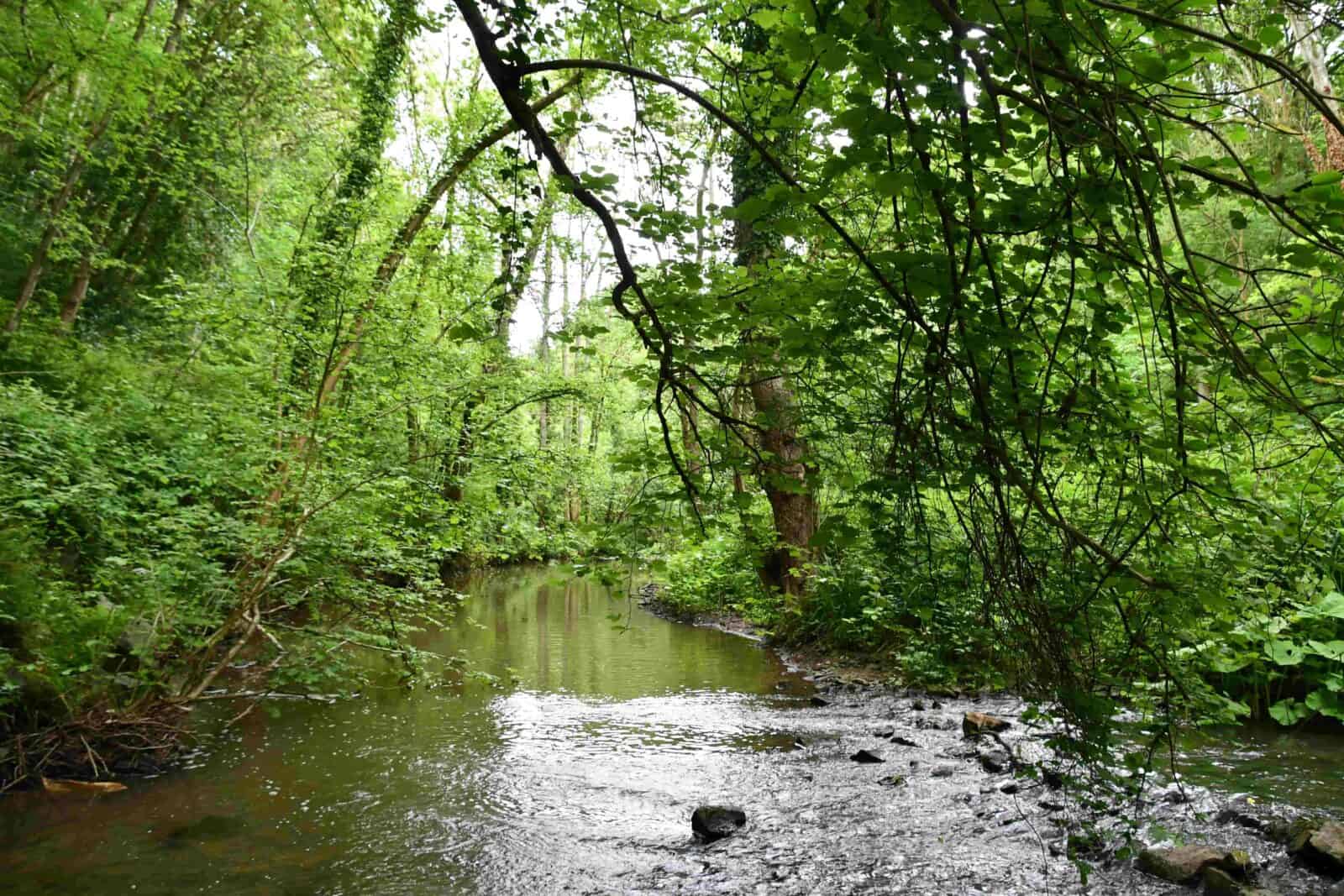
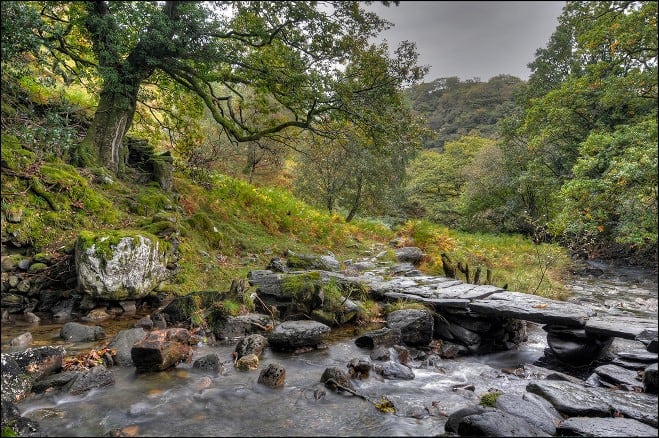
This River and Riparian Stewardship course is a four-day extended residential experience with additional online learning and assessment delivered in partnership between the Field Studies Council and Riverlution. Designed for those looking to build real-world skills, the course combines hands-on river and habitat management with expert tuition.

Participants will complete the Level 2 Award in Practical Conservation, gaining nationally recognised certification alongside immersive experience in riparian stewardship, habitat improvement, and sustainable land and water management. Ideal for early-career environmental professionals, volunteers, and those progressing into conservation or river management roles.
This course will cover:
Learners will complete this award with a concrete understanding of the following areas:
- An understanding of what working in environmental conservation involves.
- Practical skills and knowledge relevant to environmental conservation.
- A responsible attitude to health and safety at work, hygiene and general working conditions.
- The skills needed to establish and maintain pond and wetland areas.
- The knowledge and skills required to prepare sites for the creation of a range of habitats.
Read More
To give you a flavour of the work that Riverlution does, you can watch this video about the Stewardship Skills Scheme in Sheffield.
By the end of the course, you will have:
Practical skills for pond and wetland areas
- Be able to establish ponds and wetlands.
- Be able to maintain/ preserve pond and wetland habitat.
Prepare sites to create habitats
- Be able to prepare sites for specific habitats.
- Be able to work safely and minimise environmental damage.
- Be able to select, use and maintain relevant equipment.
- Know how to prepare sites to create habitats.
- Know relevant health and safety legislation and environmental good practice.
- Know the types of equipment required and how to maintain them.
Monitoring and maintaining health and safety
- Be able to maintain health, safety and security in the workplace.
- Be able to use equipment and materials safely.
- Know the systems and procedures for maintaining health, safety and security.
- Understand why equipment is transported and stored safely.
- Know the reason for following manufacturers’ guidance.
- Be able to maintain good standards of health and safety for self and for others.
- Understand how to maintain the health and safety of self and others.
- Know the safe lifting techniques.
- Know how to maintain health and safety.
Who Should Attend? – This course is for adults 18+ (see FAQs). Learners from a wide variety of backgrounds from school-leavers to mature learners, who wish to obtain a practical qualification in environmental conservation through vocational study.
Knowledge Level – This course is suitable for complete beginners or for those that have volunteered in the sector previously and would like to formalise their learning and experience. Level descriptors can be found on the following web-page: Framework and Course Level Descriptors .
Accommodation and meals
There are three booking options which all include course tuition, evening meals and refreshments:
- Non-Resident (Breakfast and lunch not included)
- Resident (Sole Occupancy)
- Resident (Shared room- please email [email protected] to inquire about this option)
If you choose a resident booking, this includes accommodation on Friday, Saturday, and Sunday night, and meals throughout the course: an evening meal on the Friday, Saturday and Sunday, and breakfast and packed lunch on Saturday, Sunday and Monday. Please bring your own packed lunch for the first day.
If you choose a non-resident booking, this includes an evening meal on the Friday Saturday, and Sunday before the evening session. Please bring your own packed lunch each day.
Please be aware that you are visiting a Field Centre that caters in the main for school parties; the accommodation is basic and dormitory style, but warm and comfortable. Please also note that bathrooms may be shared.
If we are unable to reach viable numbers for this course, we will inform you of the course cancellation 4-5 weeks prior to the course run. We would recommend when purchasing accommodation and/or travel you should take out your own insurance.
Bookings will close if course capacity is reached.
About the Tutor
Chris Lucas
Chris Lucas is the Curriculum leader for Riverlutions River Stewardship Training Schemes with a background in Geography, Hydromorphology and leading practical training Chris is experienced in all aspects of river and riparian habitat stewardship as well as in supervision and management of volunteer conservation projects.
Example Timetable
This course will involve a mixture of classroom sessions and fieldwork with practical activities to cement learning.
This example timetable is subject to change, but the timings will remain the same, and it should give a clear outline of what to expect. Please arrive promptly for the course to start at 9:30 am.
Example Timetable
Friday: 09:30 – 17:00 with a lunch break at 12:30
- Introduction to the Level 2 award
- Introduction to using Moodle (VLE)
- Monitoring and maintaining health and safety.
Saturday daytime: 09:30 – 16:30 with a lunch break at 12:30
- Practical skills for pond and wetland areas
Saturday evening: 18:30 – 20:30
- Tutor session to complete assignment work and complete knowledge requirements.
Sunday daytime: 09:30 – 16:30 with a lunch break at 12:30
- Prepare sites to create habitats
Sunday evening: 18:30 – 20:30
- Tutor session to complete assignment work and complete knowledge requirements.
Monday: 09:30 – 17:00 with a lunch break at 12:30
- Complete learning around preparing sites to create habitats
- Setting objectives and planning additional learning to complete the qualification.
What's Included
-
 Expert Tuition
The course includes:
- Classroom learning covering the theory of the species
- Field excursions to apply new knowledge
- Expert tuition for which the Field Studies Council is renowned
- Clear objectives and progression
- Refreshments (tea and coffee)
You can rest assured that the absolute best content from an expert in environmental education will be provided. In choosing a Field Studies Council course, you will be joining thousands of people who learn with us each year.
Accommodation and meal options
Accommodation and meals
We would always recommend that you take out appropriate travel insurance when booking accommodation and travel.
There are three booking options, all of which include course tuition, evening meals and refreshments:
- Non-Resident (Breakfast and lunch not included)
- Resident (Sole Occupancy)
- Resident (Shared room- please email [email protected] to inquire about this option)
If you choose a resident booking, this includes accommodation on Friday, Saturday, and Sunday night, and meals throughout the course: an evening meal on the Friday, Saturday and Sunday, and breakfast and packed lunch on Saturday, Sunday and Monday. Please bring your own packed lunch for the first day.
If you choose a non-resident booking, this includes an evening meal on the Friday Saturday, and Sunday before the evening session. Please bring your own packed lunch each day.
Please be aware that you are visiting a Field Centre that caters in the main for school parties; the accommodation is basic and dormitory style, but warm and comfortable. Please also note that bathrooms may be shared.
Bursaries and Subsidies
Student Discount
This course is eligible for a student discount. If you are a current student, please use discount code BioStudent20 at checkout for 20% off all Biodiversity courses.
Natural History Bursaries
There are a number of natural history bursaries available to help with the cost of your course. To find out if you and your chosen course are eligible, find out more here.
Before You Attend
There will be a member of staff with first aid training and access to a first aid kit on site. If you have special medical or access requirements, please let us know as soon as possible so we can plan the course.
Please Bring:
- Notebook and pencil/pen
- A small bag to carry your belongings
- Sensible footwear and clothing for being outdoors.
- A laptop or suitable device to complete assignment work and access Moodle (our virtual learning platform)
- If you do not book accommodation, please make sure to bring a packed lunch each day. If you have booked accommodation, please bring a packed lunch for Friday.
Riverlution will provide any additional equipment needed for the course.
Opportunities to attend this course
This course is not currently available to book. Dates will follow soon.
Sign up to our Email Newsletter
No current dates for this course? Click here to view all the upcoming Natural History courses.
Sign up for the Biodiversity Newsletter to be the first to hear about new course dates and to get early bird discounts!
Data Protection Statement
When you book this course, your personal information will be used by the Field Studies Council and Riverlution to facilitate your assessment and certification. Riverlution and Field Studies Council are joint Data Controllers for your data, to fulfil this purpose. Please see our organisation’s Privacy Policies for further details of how your data will be handled and stored. You can request to see the data we hold or request its removal by contacting [email protected] or update your contact preferences at any time by contacting us. To do so, email the Field Studies Council at [email protected].
Progress Your Learning
This is a training course from the Field Studies Council, delivered by expert tutors with an approachable learning style. After attending this course, you may like to progress your learning with further relevant courses or branch out into other areas of natural history. The Field Studies Council offers both online and in-person courses, so you can choose the learning style that suits you best.
The course gives you the opportunity to immerse yourself in a new subject and acquire novel skills. Our online portal gives you time to study at your own pace and fit the lessons around your own schedule.
If you have any questions about our online courses please check our Frequently Asked Questions
Please email [email protected]g if you have any questions.
Group Bookings Made Easy
If you have a group of 10 or more individuals wanting to complete one of our courses, our team are available to discuss your options – from discounts to private team courses. Find out more!
You can rest assured that the absolute best content from an expert in environmental education will be at your fingertips. In choosing a Field Studies Council course, you will be joining thousands of people who learn with us each year.