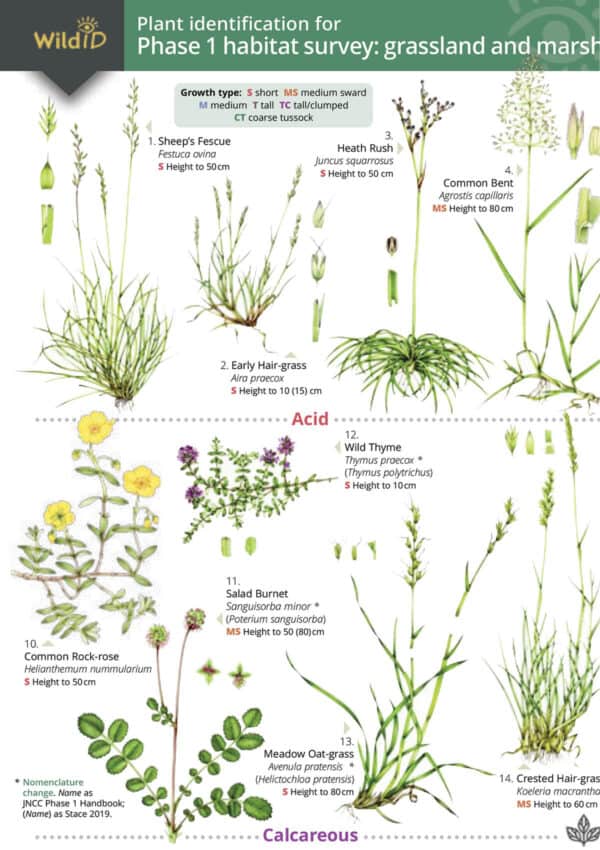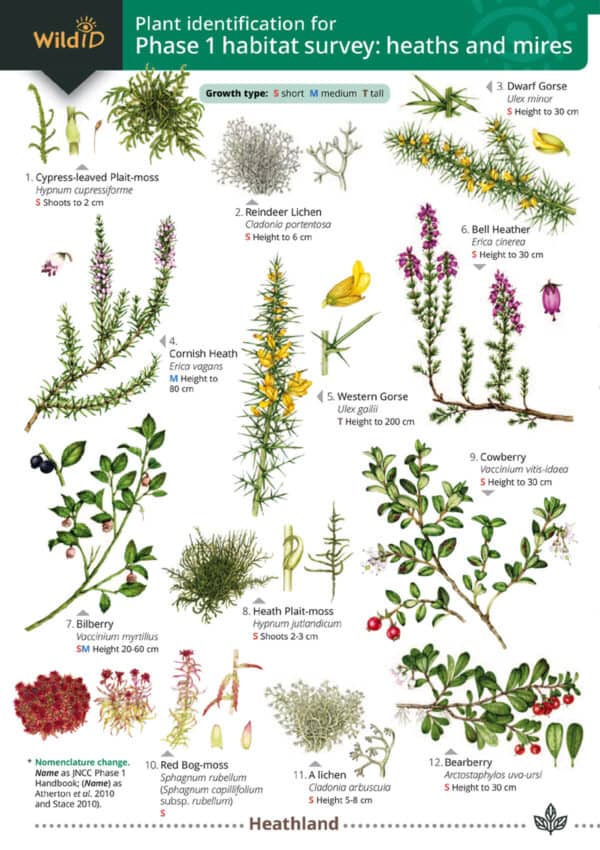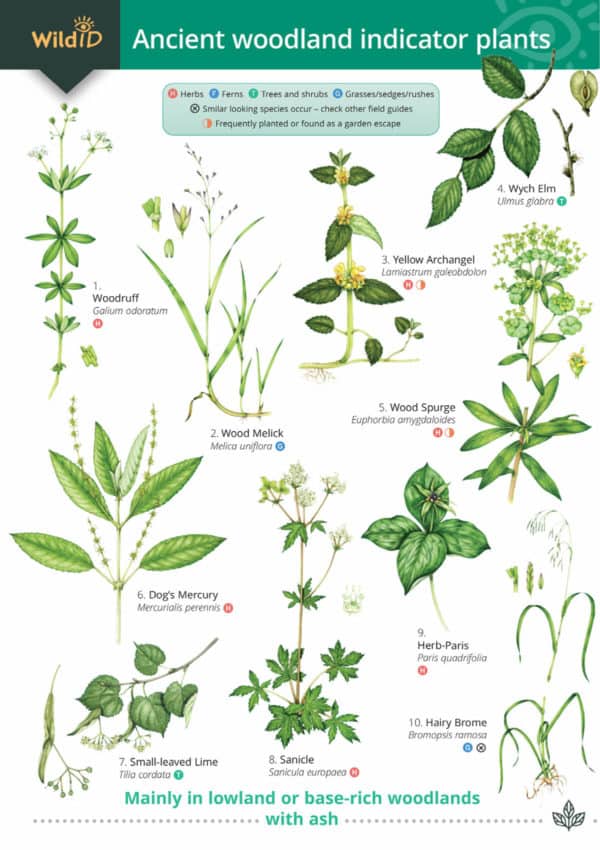
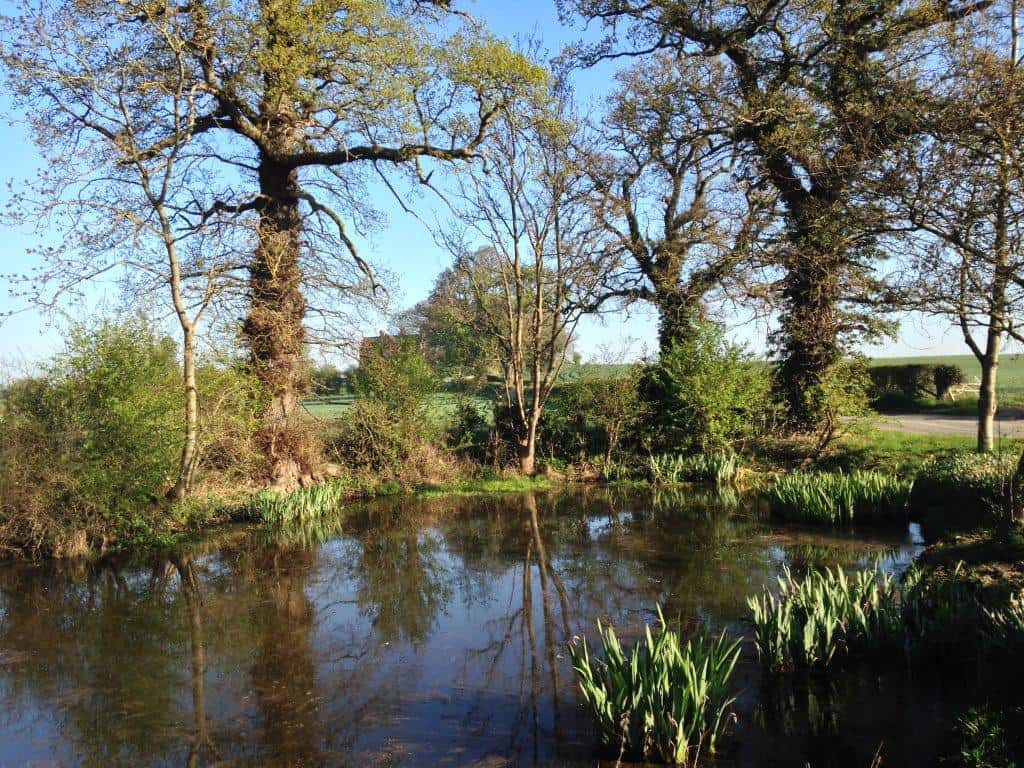
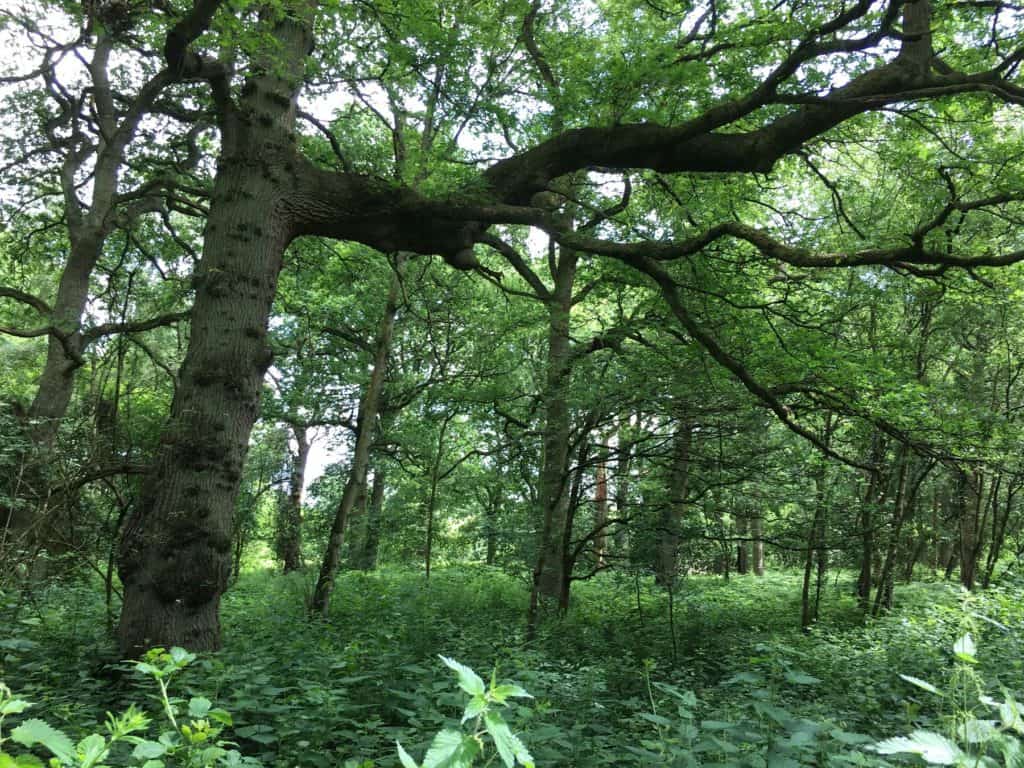
This 1-day beginner course will introduce you to the UK Habitats that form a rich and varied ecological network.
This beginner-friendly course will explore the major UK habitat types and teach you how to recognise them using key features and common indicator species. You’ll also gain a basic introduction to surveying methods, legislation and essential principles of habitat management to improve biodiversity.
This course will include:
- What defines a habitat and how habitat types differ.
- Key species groups and common indicators across major UK habitats.
- Introduction to habitat surveying methods (UKHab, NVC) and basic sampling strategies.
- Overview of key legislation and common habitat management options.

Read More
This course provides a practical introduction to the UK’s major habitat types, with a particular focus on environmental factors, habitat structure and ecological value. Through a combination of classroom discussion and guided field activities, learners will develop the confidence to recognise habitat types and identify common plant and animal indicators associated with each.
Learners will also be introduced to core habitat assessment techniques used across the ecological sector. These include a basic overview of classification systems, understanding when each is appropriate, and exploring the sampling strategies that support robust ecological reporting. The course supports learners in linking field observations to real-world ecological practice by providing context on key legislation, and demonstrating how legal considerations feed into habitat assessments and management recommendations.
Although this is a beginner friendly course, the emphasis is on understanding habitat characteristics, survey approaches and management principles rather than developing detailed species identification skills.
By the end of the course, you will be able to:
- Understand key habitat types (UKHab Level 2) and have an overview of survey methods.
- Understand indicator species of a variety of habitats.
- Understand the importance of and benefits provided by different habitats.
- Discuss the basic management techniques and enhancements that can improve biodiversity.
Who Should Attend? – This course is for adults 18+ (see FAQs). Nature enthusiasts, students, rangers and land managers, landowners.
Knowledge Level – Beginner. Level descriptors can be found on the following web-page: Framework and Course Level Descriptors
Prior Knowledge – No existing knowledge or experience is needed for this course, just a willingness to explore and learn. Some existing knowledge of general botany would be useful, but not essential.
PLEASE NOTE: There is no accommodation or meal facilities provided with this course. Refreshments (tea and coffee) will be available. If we are unable to reach viable numbers for this course, we will inform you of the course cancellation 4-5 weeks prior to the course run. We would recommend when purchasing accommodation and/or travel you should take out your own insurance.
Bookings will close if course capacity is reached.
Please email [email protected] if you have any questions.
About the Tutor
Leo Hood
Leo Hood is an educator with extensive experience across leading environmental organisations, including for the Eden Project. Specialising in plant identification, biodiversity and practical land management, he develops and delivers high-quality training, leads teams, and supports students in building the skills needed for sustainable landscape management.
Example Timetable
Timings for this course may vary, so please check the start and end times of the different course runs at the bottom of the page.
Please arrive in time for the course to start promptly.
This course will involve both classroom learning and field excursions to cover all of the learning objectives.
Example Timetable
This timetable is to give you a rough idea of what to expect, and will be subject to change to fit the group, weather, location, and tutor.
- 10:00- 10:15- Welcome and introduction
- 10:15-11:30- Classroom session- What is a habitat and what are the common types of habitat?
- 11:30-11:45- Tea Break
- 11:45-12:30- Outside- exploring the habitats on-site and looking at indicator species.
- 12:30-13:30- Lunch Break (Lunch is not provided, please bring your own)
- 13:30-14:30- Classroom session- discussing habitat management and habitat and species protections.
- 14:30-16:30- Outside- looking at habitat management options in the field.
- 16:30-17:00- Return to classroom, summary, and final questions.
What's Included
-
 Expert Tuition
The course has been carefully created by expert tutors and educators to help you build your knowledge and apply it within the field, surrounded by like-minded individuals.
The course includes:
- Classroom learning covering the theory of the species
- Field excursions to apply new knowledge
- Expert tuition for which the Field Studies Council is renowned
- Clear objectives and progression
You can rest assured that the absolute best content from an expert in environmental education will be provided. In choosing a Field Studies Council course, you will be joining thousands of people who learn with us each year.
Bursaries and Subsidies
Student Discount
This course is eligible for a student discount. If you are a current student, please use discount code BioStudent20 at checkout for 20% off all Biodiversity courses.
Natural History Bursaries
There are a number of natural history bursaries available to help with the cost of your course. To find out if you and your chosen course are eligible, read more here.
Before You Attend
There will be a member of staff with first aid training and access to a first aid kit on site. If you have special medical or access requirements, please let us know as soon as possible so we can plan the course.
What to Bring
- Notebook and pencil
- Sensible footwear and clothing for being outdoors
- Small bag to carry personal items
- Lunch and refreshments
If you have them:
- Your preferred wildflower guide
- A x10 hand lens
Opportunities to attend this course
-
Sat 12, September 2026 10:00 - 16:30
Further information & directions for Quarry Bank Mill can be found here. For car parking, use postcode SK9 4HP.
No current dates for this course? Click here to view all the upcoming Natural History courses.
Sign up for the Biodiversity Newsletter to be the first to hear about new course dates and to get early bird discounts!
Progress Your Learning
This is a training course from the Field Studies Council, delivered by expert tutors with an approachable learning style. After attending this course, you may like to progress your learning with further relevant courses or branch out into other areas of natural history. The Field Studies Council offers both online and in-person courses, so you can choose the learning style that suits you best.
The course gives you the opportunity to immerse yourself in a new subject and acquire novel skills. Our online portal gives you time to study at your own pace and fit the lessons around your own schedule.
If you have any questions about our courses please check out our Frequently Asked Questions or email [email protected].
Group Bookings Made Easy
If you have a group of 10 or more individuals wanting to complete one of our courses, our team are available to discuss your options – from discounts to private team courses. Find out more!
You can rest assured that the absolute best content from an expert in environmental education will be at your fingertips. In choosing a Field Studies Council course, you will be joining thousands of people who learn with us each year.