Discover the fascinating world of East Anglian Fossils and uncover the stories hidden within Norfolk and Suffolk’s rocks, sediments and ancient landscapes.
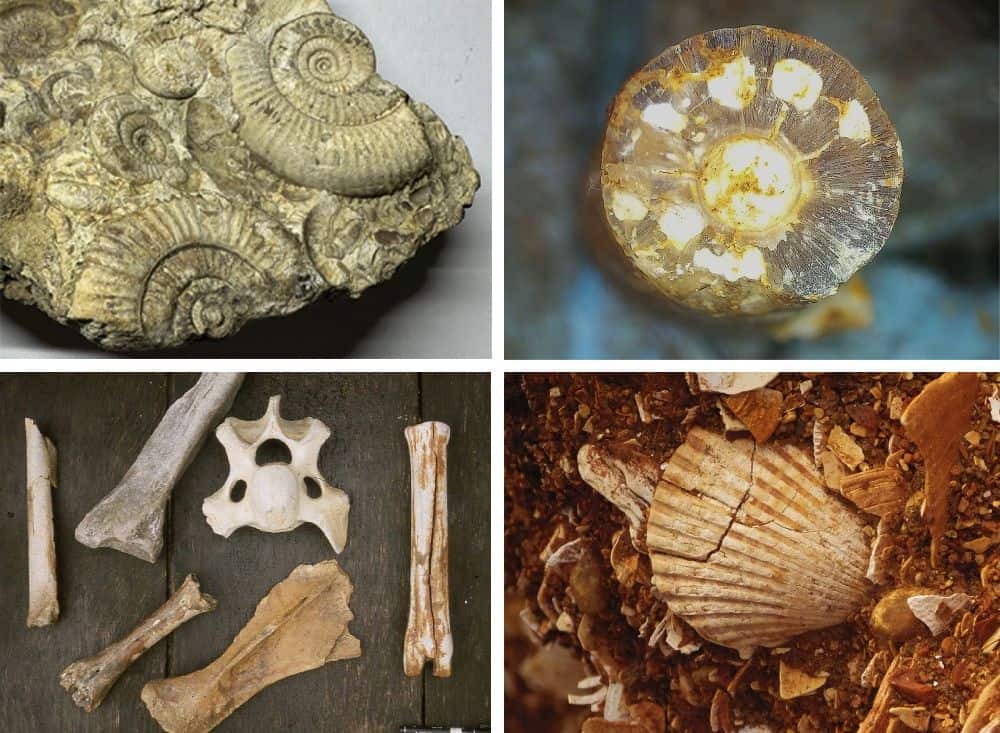
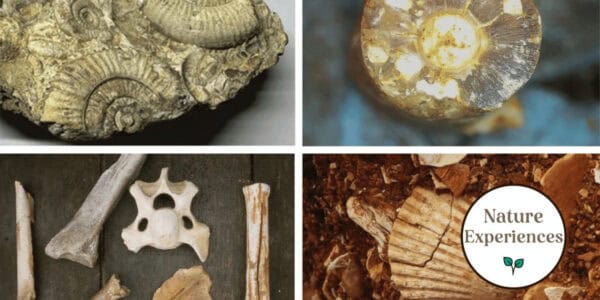
We can use rocks and fossils to tell the wonderful story of past wildlife in Norfolk and Suffolk. How have plants and animals, including early humans, varied over deep time? What was life like here 70 million years ago? How can you tell recent bones from ancient bones? These are some of the fascinating topics we shall investigate in this family-friendly East Anglian Fossils course. The day will consist of an introductory session in the morning followed by a field trip in the afternoon.
About the tutor
Tim Holt-Wilson
Tim Holt-Wilson has over thirty years’ experience of communicating and managing environment & heritage in East Anglia, with special emphasis on the physical Earth. He has worked in museums and was a founder member of the Norfolk Geodiversity Partnership and GeoSuffolk. He is currently a Trustee of the Suffolk Naturalists’ Society and a member of the Quaternary Research Association. He won the David Wood National Landscape Award in 2021.
Please note: This course is not part of the Biodiversity learning framework, this course is organised by Flatford Mill and the tutor.
Explore our range of nature courses hosted by our engaging tutors and learn from their expertise and knowledge. Our nature experiences are a chance to meet like-minded people, a chance to unwind from everyday life, and a great opportunity to experience the UK’s glorious wildlife and the surrounding countryside of our field centres.
This course is open to participants aged 18 and over only. For under-18s, please contact the centre directly or see our young people courses and activities for families.
What's Included
-
 Expert Tuition
-
 Free Wi-Fi
-
 Hot and Cold Drinks
Refreshments are included, but please bring a packed lunch with you.
Before You Attend
What to bring
Please bring a hand lens with x10 magnification (anything weaker than that will be less useful).You might find it useful to bring a pen /pencil and hard-back notebook. If you like, you could bring some local rocks and fossils to show the group.
Opportunities to attend this course
-
Thu 19, August 2027 9:30am - Thu 19, August 2027 5:00pm